
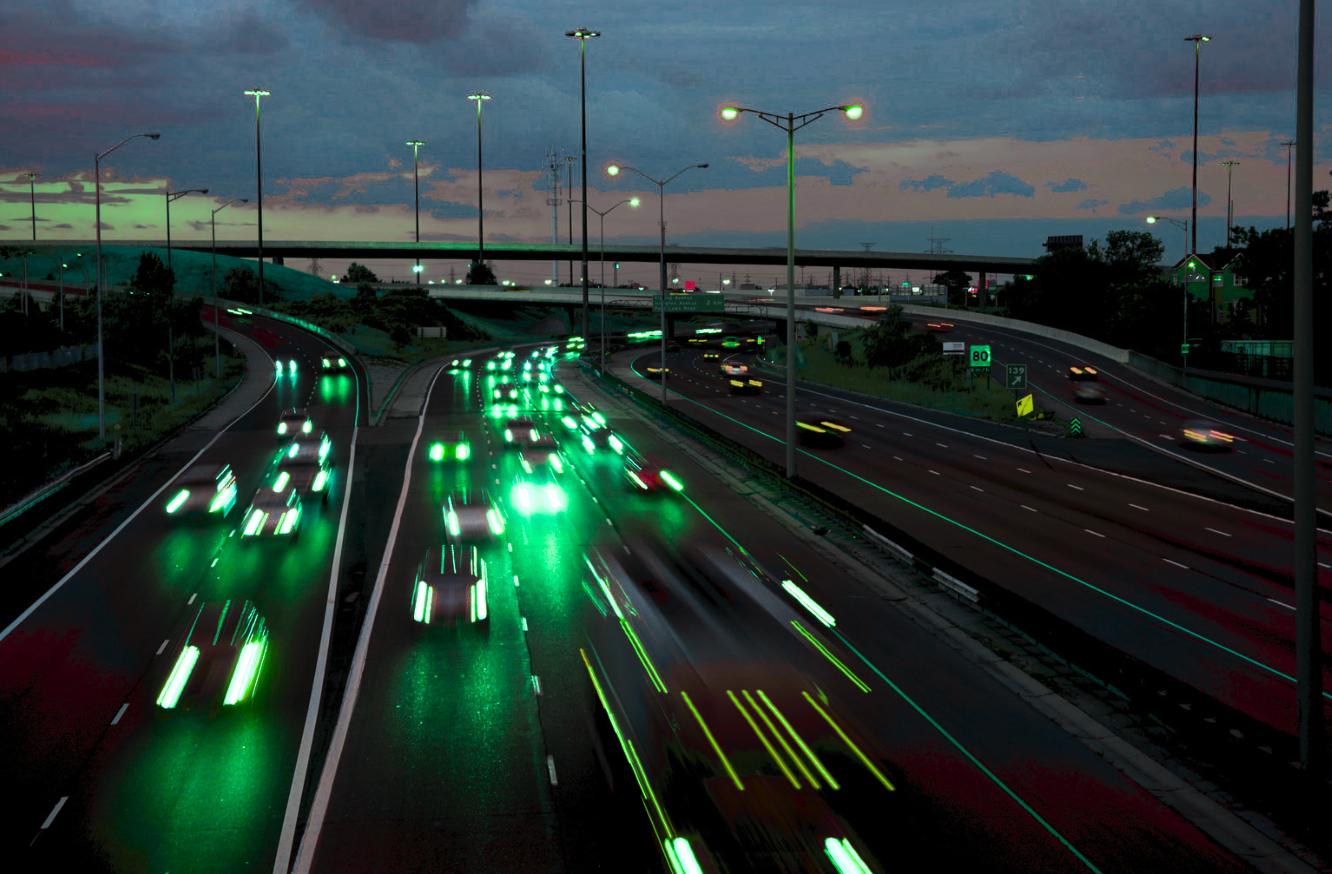
Which Houston Highways Are Most Dangerous for Visitors and Why?

Houston is a driving city. Most visitors land at Bush Intercontinental or Hobby, pick up a rental car, and head straight onto a freeway. Within minutes, they are sharing the road with fast traffic, big trucks, and lanes that split without much warning.
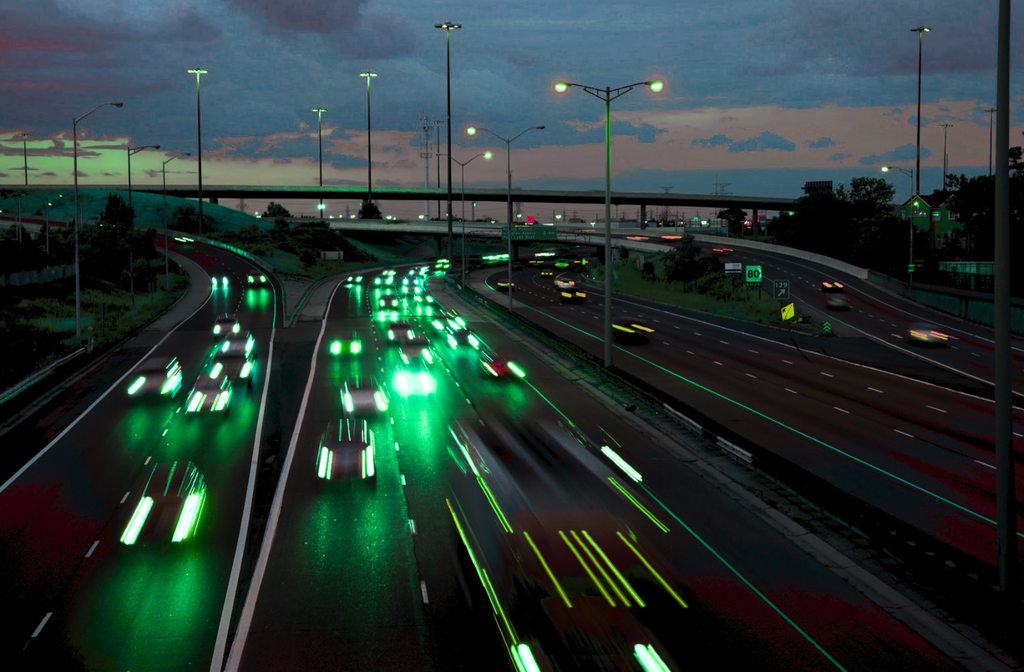
The most dangerous highway in Houston, based on years of crash studies, is I-45. Loop 610 and I-10 also see heavy crash numbers.
This guide explains which roads carry the most risk, why visitors struggle on them, and what to do if a trip goes wrong.
What Is the Most Dangerous Highway in Houston?
Interstate 45 is widely ranked as Houston’s most dangerous highway.
A national study by the law firm Elk & Elk and data partner 1Point21 Interactive looked at federal fatal crash records from 2000 to 2019. It flagged a 10-mile stretch of I-45 in Houston with about 142 fatal crashes over that period. A separate MoneyGeek review of 2017 to 2019 data named I-45 the deadliest road in Harris County.
The problem has not gone away. Local news reports citing TxDOT figures said I-45 saw 97 fatal crashes in 2023 along the corridor between Dallas and Galveston.
Why Does I-45 Have So Many Serious Crashes?
I-45 has so many serious crashes because it mixes heavy traffic, high speeds, and constant merging.
The highway goes by two names inside Houston. North of downtown it is the North Freeway. South of downtown it becomes the Gulf Freeway, which runs toward Galveston. Both sections carry commuters, freight trucks, and beach traffic at once.
Common risk factors include:
- Speed changes: Traffic can drop from 70 mph to a crawl with little warning.
- Short merges: Some on-ramps give drivers very little room to get up to speed.
- Large trucks: I-45 is a major freight route, so cars and 18-wheelers share tight space.
- Construction: Long-running improvement projects shift lanes and narrow shoulders.
- Late-night driving: Studies of Houston crashes have pointed to impaired driving as a big factor in fatal wrecks.
For visitors, the hardest part is the pace. Local drivers know where lanes end. Visitors often find out too late.
Is Loop 610 Dangerous?
Yes. Loop 610 is one of Houston’s busiest and most crash-prone roads.
The loop circles the inner city and connects to almost every major freeway. Visitors use it to reach the Galleria, NRG Park, and the Texas Medical Center area. A national study of 2019 to 2023 federal data, reported by CultureMap Houston, listed I-610 among the deadliest roads in the country, with 43 fatal crashes in five years.
The loop is hard for newcomers because exits come fast and some interchanges stack several levels high. The 610 and I-69 interchange near the Galleria is a known trouble spot, with heavy weaving as drivers try to exit and merge at the same time.
What About I-10 and the Katy Freeway?
I-10 is wide, fast, and busy. The Katy Freeway section west of downtown is one of the widest freeways in the world, with more than 20 lanes in places when you count main lanes, managed lanes, and frontage roads.
That width creates its own danger. Drivers may need to cross many lanes to reach an exit. Visitors who wait too long often make sudden, unsafe lane changes, which can lead to sideswipes and chain-reaction crashes.
What Makes Houston Roads Confusing for Out-of-Town Drivers?
Houston roads confuse visitors because of a few local habits that other cities do not share.
- Feeder roads: Most Texas freeways have frontage roads, called “feeders,” running alongside them. GPS may tell you to exit early and drive the feeder before turning.
- Texas U-turns: Special lanes let drivers turn around under a freeway without stopping at the light.
- Cashless toll roads: The Sam Houston Tollway (Beltway 8), Hardy Toll Road, and Westpark Tollway use tags or bill by mail. Check your rental car’s toll policy before you go.
- Sudden flooding: Heavy rain can flood underpasses fast. The National Weather Service warns drivers to turn around rather than drive into water.
Before you drive, check live conditions on DriveTexas, TxDOT’s road conditions map, or Houston TranStar, the region’s traffic center.
How Common Are Crashes in Houston Overall?
Crashes are very common in Houston. Houston car accident attorney team at Sutliff & Stout published its own review of 2024 city crash data. It counted 65,931 motor vehicle collisions and 20,752 injuries in Houston that year.
That works out to roughly 180 crashes a day. For a visitor, the takeaway is simple. A crash is not a rare event here, even on a short trip. Planning for it is part of planning the trip.
What Should an Out-of-State Driver Do After a Houston Crash?
An out-of-state driver should treat a Houston crash the same way a local would, with a few extra steps.
- Stop and stay safe. Texas law requires drivers to stop after a crash that injures someone. Move to the shoulder only if it is safe.
- Call 911 if anyone is hurt. Police will write a crash report, which matters later.
- Swap information. Get the other driver’s name, insurance, plate number, and phone number.
- Take photos. Capture the cars, the lanes, any signs, and the weather.
- Call the rental company. Most rental contracts require you to report a crash quickly.
- See a doctor. Some injuries, like whiplash, show up a day or more later.
- Keep your receipts. Hotel nights, changed flights, and medical bills can all be part of a claim.
Texas is an at-fault state. The driver who caused the crash, through their insurer, is generally responsible for the other people’s losses. Texas requires drivers to carry at least $30,000 per person in injury liability coverage, which may not cover a serious injury.
Does Being a Visitor Change Your Rights?
No. Being from out of town does not reduce your rights after a Texas crash. You can still bring a claim in Texas, even after you fly home. Texas generally allows two years to file a personal injury lawsuit.
The practical challenge is distance. Evidence, witnesses, and repair shops are all in Houston. Keep copies of everything before you leave.
Key Takeaways
- I-45 is widely ranked as Houston’s most dangerous highway.
- Loop 610 and I-10 also carry high crash risk, especially at big interchanges.
- Feeder roads, toll roads, and flash flooding catch many visitors off guard.
- If you crash, call 911, document everything, and get checked by a doctor.
The safest Houston road trip is a slow one. Give yourself extra time, pick your lane early, and let the locals rush.