Things to Do in Tulum: The Complete 2026 Travel Guide

The best things to do in Tulum, Mexico reward travelers who arrive early, plan ahead, and look beyond the resort zone.
Tulum sits on the Yucatan Peninsula’s Caribbean coast, pairing a clifftop Maya archaeological site with dozens of freshwater cenotes and 30 kilometers of white Caribbean beach. No other destination in Mexico combines those three elements in one compact area.
This guide covers the ruins, cenotes, beaches, food, neighborhoods, day trips, and logistics. It tells you honestly what works for each traveler type and what most visitors get wrong.
Things to Do in Tulum: What the Destination Actually Delivers
Tulum delivers three genuinely distinct experiences within a small geographic area: ancient Maya archaeology on a Caribbean cliff, underground freshwater swimming in cenote systems, and a coastal hotel strip that has moved decisively upmarket since 2018.
Understanding this geography matters before you plan. The Tulum Archaeological Zone sits on a bluff at the northern edge of the Zona Hotelera (hotel zone). The cenotes cluster along the road toward Coba and along Highway 307 south of town.
Tulum Town (also called Tulum Pueblo) sits west of the hotel zone, separated from the beach by roughly 3 kilometers. Most good restaurants, budget accommodation, and colectivo transport are here.
The hotel zone and the town function as two different destinations. Visitors who stay in the Zona Hotelera often never experience the real town. Visitors who stay in the Pueblo sometimes never properly access the beach.
According to SEDETUR Quintana Roo, Tulum receives over 3 million visitors annually. The physical infrastructure has not kept pace with that volume.
For solo travelers: The social scene concentrates in Tulum Town’s bars and the wellness community’s group events. The hotel zone feels isolating without a group.
For families: Cenote swimming suits ages 6 and up at most sites. The hotel zone’s beach clubs operate primarily as adult social venues, not family facilities.
Insider Tip:
- Tulum’s geography punishes travelers who do not plan transport in advance. There is no Uber in the hotel zone. Taxis between the Pueblo and the beach run approximately $5 to $8 USD each way.
- Renting a bicycle on the hotel zone’s main strip is the most efficient way to move between beach clubs and the ruins.
- Families and seniors should note that the hotel zone road has no dedicated pedestrian path; walking it in traffic is not safe.
Best Things to Do in Tulum Mexico: Start Here
The five experiences that define Tulum and that no trip should skip are the archaeological zone at dawn, a cenote swim before 10am, Playa Paraiso without a beach club fee, a meal in Tulum Town, and a boat tour into Sian Ka’an.
These five experiences cover the full range of what makes Tulum genuinely distinctive. They also represent the version of Tulum that experienced repeat visitors do instead of the beach club day-passes and overpriced yoga retreats that tourism infrastructure leads first-timers toward.
| Experience | Best For | Cost Range (Per Person) | Book in Advance? |
|---|---|---|---|
| Tulum Archaeological Zone | All types | $5 to $8 USD (INAH entry) | Yes, timed entry advised |
| Gran Cenote swim | Couples, solo, families | $20 to $30 USD | Reserve online |
| Playa Paraiso free beach | Budget, families, solo | Free (parking fee applies) | No |
| Tulum Town dinner | All types | $10 to $30 USD per person | No reservation needed |
| Sian Ka’an boat tour | Nature, couples, solo | $80 to $130 USD | Book 48 hours ahead |
For budget travelers: The three genuinely free or near-free experiences in Tulum are the public beach sections at Playa Paraiso, the town itself, and the street food on Avenida Satelite in the Pueblo. Build your itinerary around morning cenote visits and free beach afternoons to keep costs manageable.
The most overrated single activity in Tulum is the all-day beach club pass. Prices run $60 to $120 USD minimum consumable spend, and the experience is fundamentally the same as any resort pool scene, just with jungle decor. The cenotes are what you cannot replicate anywhere else.
Top Things to Do in Tulum for Every Traveler Type
Tulum suits different travelers in fundamentally different ways, and a guide that ignores this wastes everyone’s time.
Couples find Tulum’s most romantic experiences in early-morning cenote swims before the crowds arrive, sunset at the archaeological zone cliff, and dinner at the open-air restaurants on La Veleta neighborhood’s restaurant strip.
Solo travelers find the best social infrastructure in Tulum Town’s mezcal bars along Avenida Tulum and the co-working cafes in Aldea Zama. The wellness retreat scene offers structured group activities for solo travelers who want connection without the party hostel dynamic.
Families with children should focus on Gran Cenote (calm, clear, shallow areas suitable for children who can swim), the archaeological zone (short visit, fascinating visual impact for kids over 8), and the public beach at Playa Paraiso. Most hotel zone beach clubs are not child-friendly environments.
Budget travelers should know that Tulum’s budget ceiling is higher than almost any travel guide from before 2020 suggests. A realistic minimum daily spend for a mid-range independent experience runs $80 to $100 USD. Below that, accommodation options in the Pueblo are adequate but basic.
Seniors and travelers with limited mobility face genuine physical challenges at most of Tulum’s signature sites. Cenotes require ladder descents on wooden stairs. The archaeological zone involves uneven ancient stone surfaces and no paved paths. Playa Paraiso’s public beach section is accessible by flat sand but has no formal accessibility infrastructure.
Insider Tip:
- Couples: Book the 7am cenote time slot at Gran Cenote specifically. You will have the water to yourselves for the first 30 to 45 minutes.
- Solo travelers: The Wednesday evening community market in Tulum Town near the town square is the best organic social event for meeting other independent travelers.
- Families: Bring water shoes for cenote visits. The limestone entry steps are slippery.
Key Takeaway: Tulum’s signature experiences all reward an early start. Plan anything outdoors before 10am to beat both the heat and the crowds.
Tulum Archaeological Zone: How to Visit the Ruins Right
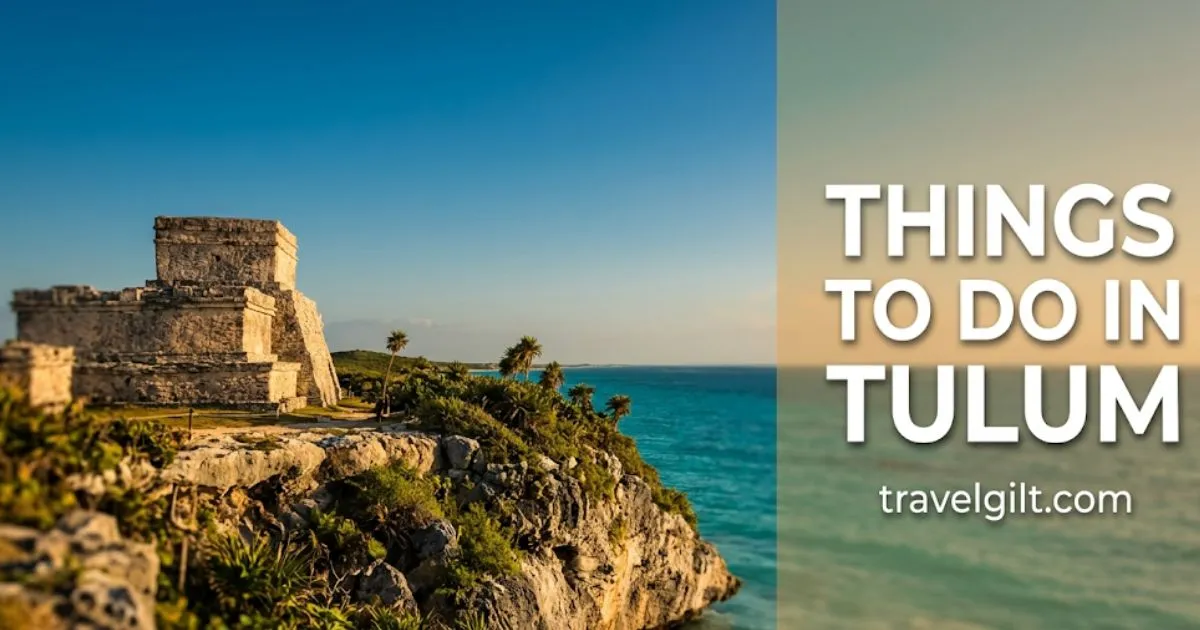
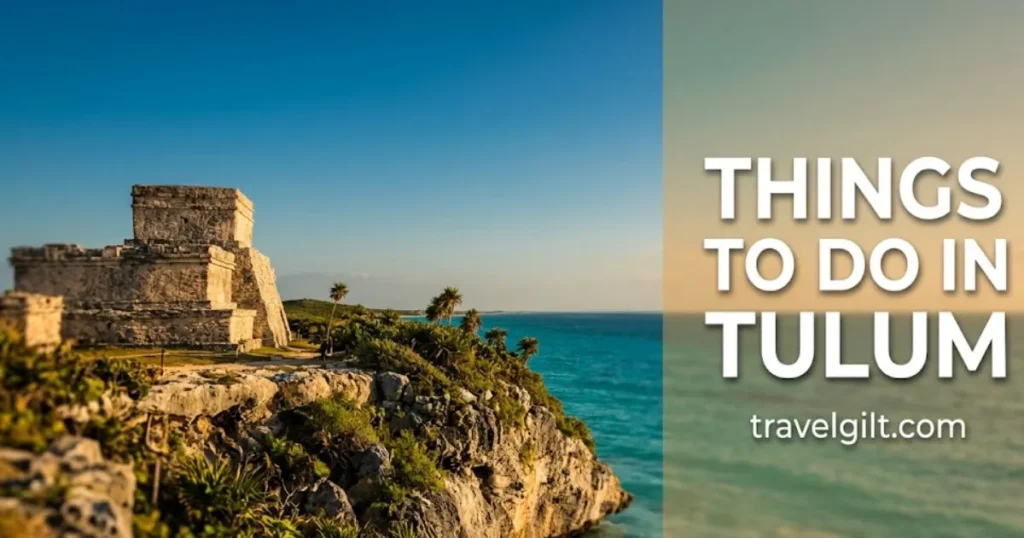
The Tulum Archaeological Zone is the only walled Maya city built directly on a Caribbean cliff, and the view from its main temple platform is one of the genuinely earned superlatives in Mexican archaeology.
The site is managed by INAH (Instituto Nacional de Antropología e Historia) and now operates under a timed-entry system. Entry fees run approximately $5 to $8 USD per person as of recent years. Verify current INAH pricing and booking requirements before you visit, as protocols have been updated multiple times since 2022.
The ruins are compact. Plan 90 minutes to 2 hours for a thorough visit. The El Castillo temple, the Temple of the Frescoes, and the cliff overlook above the small beach are the three anchor points of any visit.
Arrive at opening time (typically 8am, though verify hours directly with INAH). The site faces east, so morning light falls directly on El Castillo. By 10am, the site fills with tour groups from Cancun and Playa del Carmen and loses its atmosphere entirely.
The local alternative to the standard ruins visit is combining it with the small beach directly below the cliff, accessible via a path inside the archaeological zone. Swimming at this beach, surrounded by ruins on the cliff above, is the experience most day-trippers miss completely.
For families with children: Kids under 10 typically engage well for about 45 minutes before losing interest. Plan the visit as the first activity of the day, not after a cenote swim when children are already tired.
For seniors: The site terrain is manageable if mobility is generally good, but involves uneven stone paths and one significant incline. There are no handrails on most pathway sections.
To make the most of your ruins visit:
- Book timed entry online through INAH or a verified booking platform before arrival
- Arrive 15 minutes before your entry window
- Walk to the cliff overlook first, before the site fills
- Swim at the small beach below the ruins if the tide permits
- Exit before 10am or accept that the site will be crowded for the rest of your visit
Best Cenotes in Tulum: Which One Is Right for You
The best cenote in Tulum depends entirely on what kind of swimmer you are and how much company you want.
Tulum’s cenotes fall into three geological types: open-air (fully exposed to sky), semi-open (partial natural skylight), and cave cenotes (fully underground, accessed by ladder). Each delivers a completely different visual and physical experience.
| Cenote | Type | Best For | Difficulty | Cost Range | Insider Note |
|---|---|---|---|---|---|
| Gran Cenote | Semi-open | All types, families | Easy | $20 to $30 USD | Book online; sell out by 10am |
| Cenote Dos Ojos | Cave system | Experienced snorkelers, divers | Moderate | $25 to $40 USD | Two connected caverns; bring own mask |
| Cenote Calavera | Open-air | Adventurous swimmers, solo | Moderate | $10 to $20 USD | Jump platforms; no ladder at main entry |
| Cenote Zacil-Ha | Open-air | Families, budget travelers | Easy | $8 to $15 USD | Less crowded than Gran Cenote |
| Casa Cenote | Open-air, brackish | Kayakers, snorkelers | Easy | $15 to $25 USD | Connects to the sea; unique ecosystem |
Gran Cenote is the most visited for a reason: its crystal visibility, calm water, and easy ladder access make it suitable for almost everyone. The tradeoff is crowds. By 11am, it is packed.
Cenote Dos Ojos is the correct choice for experienced snorkelers or anyone who wants to understand why cenotes exist as a geological phenomenon. The cave system extends for kilometers. The section open to snorkelers shows ancient stalactites submerged when sea levels rose after the last ice age.
For budget travelers: Cenote Zacil-Ha offers a comparable open-water experience to Gran Cenote at roughly half the price, with fewer visitors. It lacks the visual drama of Dos Ojos but is genuinely excellent.
For seniors and limited mobility travelers: Gran Cenote has the most developed entry infrastructure. Cenote Calavera requires jumping from a cliff or squeezing through a narrow opening; it is not appropriate for anyone with limited mobility.
According to the Quintana Roo Speleological Survey, the Tulum cenote system is part of the largest known flooded cave network on Earth. What you swim in is a fraction of a system that extends for hundreds of kilometers underground.
Key Takeaway: Book Gran Cenote and Cenote Dos Ojos online at least 48 hours in advance. Both reach capacity before noon during peak season.
Tulum Beach Clubs and Free Beaches
Tulum’s Zona Hotelera beach is one of the Caribbean’s finest stretches of white sand, and accessing it does not require a beach club fee.
The beach club model works like this: properties along the hotel zone strip offer sun beds, towel service, food, and drinks in exchange for a minimum consumable spend, typically $60 to $120 USD per person. The quality of the experience varies significantly by club. Many visitors pay premium prices for a crowd scene that is interchangeable with resort pool areas worldwide.
Playa Paraiso is the most consistently recommended free beach in Tulum. It sits at the northern end of the hotel zone near the archaeological zone entrance. Public access is free; parking runs a small fee. The beach quality here is equivalent to anything the beach clubs offer, without the minimum spend.
Playa Ruinas is the small beach directly inside the archaeological zone, accessible during your ruins visit. It is genuinely one of the more remarkable beach settings in the Caribbean, with Maya temple walls rising directly above the shoreline.
For couples: Beach clubs like Ahau Beach Club and Nomade Tulum offer a genuinely romantic setting with thoughtful design, good food, and a mellower crowd than the party-oriented clubs at the southern end of the strip. The spend is real but the experience is meaningfully different from the mass-market clubs.
For budget travelers: Arrive at Playa Paraiso by 9am for the best chance at shade and uncrowded sand. By noon, it fills significantly.
Insider Tip:
- The hotel zone’s beach changes character dramatically between north and south. The northern section near the ruins is calmer and less commercial. The southern section near Papaya Playa Project and the club strip is louder and more party-oriented.
- Wednesday and Saturday nights at Papaya Playa Project’s outdoor venue are the Zona Hotelera’s primary social events, drawing both tourists and Tulum’s resident community.
- Families should stay north of the Papaya Playa Project zone for a quieter beach experience.
Tulum Town vs Hotel Zone: Which Side Do You Need
Tulum Town (the Pueblo) and the Zona Hotelera are functionally different destinations that happen to share a name.
The Pueblo is where the restaurants, markets, colectivo transport, budget and mid-range hotels, and actual local life exist. Avenida Tulum is the main commercial spine. Avenida Satelite runs parallel and houses the best taco spots, juice bars, and neighborhood restaurants.
The Zona Hotelera is a 10-kilometer coastal road lined with eco-hotels, boutique properties, beach clubs, and wellness centers. There are almost no local-oriented businesses on this road. Everything is priced for international visitors.
| Factor | Tulum Town (Pueblo) | Zona Hotelera |
|---|---|---|
| Accommodation cost | Budget to mid-range | Mid-range to premium |
| Food and drink cost | $5 to $20 per meal | $20 to $60+ per meal |
| Beach access | 3 km by taxi or bike | Direct |
| Transport options | Colectivos, taxis, bike | Taxi, bike rental, car |
| Nightlife | Local bars, mezcalerías | Beach clubs, boutique events |
| Best for | Budget, solo, food-focused | Couples, wellness, beach-first |
For first-time visitors: Staying in the Pueblo and biking or taking taxis to the beach gives you the best of both worlds at a significantly lower daily cost.
For couples on a romantic trip: A hotel in the Zona Hotelera within walking distance of the beach eliminates transport logistics and delivers an immersive experience. Expect to spend more on every element of the stay.
For solo travelers: The Pueblo’s social density is far higher. The hotel zone is quiet after midnight unless there is a beach club event.
According to Travel + Leisure, Tulum’s hotel zone has seen a 40% increase in mid-to-premium boutique properties since 2020, continuing a trend that has effectively priced out the budget demographic that originally defined the destination’s reputation.
Tulum Food Scene and Best Restaurants
Tulum Town’s food scene is where the destination earns its reputation honestly, and most hotel zone guests never find it.
The taco corridor on Avenida Satelite in the Pueblo serves the most direct path to understanding Mexican street food on the Yucatan Peninsula. Taqueria Honorio and the cluster of stands between Calle Acuario and Calle Centauro serve pastor, cochinita pibil, and carne asada tacos at prices that make the hotel zone’s $25 tacos seem like a deliberate joke.
For a sit-down experience, La Barracuda on Avenida Tulum serves Yucatecan seafood, including tikin xic fish prepared in the traditional achiote and citrus preparation, at mid-range prices. It does not appear in most tourism board lists.
The hotel zone’s restaurant scene is genuine in parts. Gitano in the jungle section of the hotel zone serves good Mexican food in one of Tulum’s most atmospheric settings, a palapa-roofed dining room with fire pits. It is expensive and worth it for a special dinner, not for every meal.
For budget travelers: A full day eating in the Pueblo, including breakfast at a juice bar on Avenida Tulum, lunch tacos on Satelite, and dinner at a Yucatecan spot, runs $20 to $35 USD total per person.
For couples: The combination of a casual lunch in the Pueblo and a dinner in the hotel zone covers both the authentic and the atmospheric in a single day without doubling down on either.
Insider Tip:
- The best breakfast in Tulum is not at a hotel zone wellness cafe. The fresh fruit stands on Avenida Tulum in the Pueblo sell enormous plates of local fruit for approximately $3 to $5 USD.
- Cochinita pibil, the Yucatecan slow-roasted pork traditionally cooked underground in banana leaves, is the regional dish to seek out. The hotel zone’s version is usually a dressed-up approximation. The Pueblo version is the real one.
Key Takeaway: Eat at least two meals in Tulum Town regardless of where you are staying. The hotel zone’s food prices are not commensurate with the experience they deliver.
Sian Ka’an Biosphere Reserve
Sian Ka’an Biosphere Reserve is Tulum’s most undervisited major experience and one of the most significant protected natural areas in the Western Hemisphere.
Designated a UNESCO World Heritage Site, Sian Ka’an covers over 1.3 million acres of tropical forest, mangroves, lagoons, and Caribbean coast directly south of the Tulum hotel zone. The reserve contains over 300 bird species, manatees, crocodiles, flamingos, and one of the largest barrier reef systems in the Americas.
The standard visitor experience is a guided boat tour through the lagoon system and floating through a Maya canal section in the reserve’s interior. Tours depart from the Boca Paila area and run approximately 4 to 5 hours. Book through operators registered with the Sian Ka’an Biosphere Reserve management authority. Unregulated tours damage sensitive habitats and are increasingly restricted.
Cost ranges from approximately $80 to $130 USD per person for a full guided tour including transport from Tulum. Verify current pricing and availability with operators directly.
For nature and wildlife travelers: This is the best single experience in Tulum and among the best in all of Mexico. Nothing in the hotel zone compares.
For families with children over 8: The boat tour is generally well-suited for older children who can sit still for the transit sections. Younger children may find the 4 to 5 hour format difficult.
For seniors: Most tour operators use flat-bottomed boats with easy boarding. Confirm accessibility details with your specific operator before booking.
Insider Tip:
- The road into Sian Ka’an south of the Tulum hotel zone is unpaved and rough. A car with higher clearance is advisable. Colectivos do not service this route.
- Request a bilingual guide who specializes in bird identification if wildlife observation is your primary interest. The reserve’s avifauna is extraordinary but requires a knowledgeable guide to fully appreciate.
- Early morning departures (before 8am) deliver the best wildlife activity and the coolest temperatures.
Tulum Nightlife and Jungle Clubs
Tulum’s nightlife does not follow the Cancun model. There are no all-inclusive bar wristbands, no strip club rows, and no 2-for-1 cocktail menus.
What exists instead is a combination of jungle-set event venues in the hotel zone, mezcal bars in the Pueblo, and a small cluster of beach club nighttime events. The music is predominantly electronic, with some of the world’s best DJs performing at venues like Papaya Playa Project and Nomade Tulum during peak season events.
Papaya Playa Project’s Saturday night events are the most consistent large-scale nightlife option in Tulum. Tickets run approximately $20 to $60 USD depending on the performer and season. The setting, an open-air beach venue under jungle canopy, is genuinely unlike anywhere else in Mexico.
In Tulum Town, the mezcal bars along Avenida Tulum near the town square serve the local social scene. Batey, a sugarcane juice and rum bar in a garden setting, is the Pueblo’s most distinctive nightlife spot. It serves fresh guarapo (raw sugarcane juice) cocktails and draws a mix of locals and long-term visitors who live or work in the town.
For solo travelers: Batey and the Pueblo bar scene are more socially accessible than hotel zone events. You can sit at the bar and have a conversation. Hotel zone events are designed for group attendance.
For couples: A Papaya Playa Project event is a genuinely memorable night out. Reserve tickets in advance during December through March; events sell out.
Insider Tip:
- Neither Tulum’s Pueblo bars nor hotel zone venues serve cheap drinks. Budget approximately $12 to $18 USD per cocktail in the hotel zone and $6 to $10 USD in the Pueblo.
- The best free nightlife in Tulum is the Wednesday evening artisan market in the Pueblo. It runs late, has live music, and costs nothing to attend.
Tulum Wellness and Yoga Retreats
Tulum has a legitimate global reputation as a wellness destination, built on a real infrastructure of yoga studios, breathwork facilitators, cenote meditation experiences, and holistic retreat centers.
This reputation is also the easiest part of Tulum’s identity to over-pay for. The wellness industry here ranges from genuinely excellent multi-day retreat programs to $30 beach yoga classes with 40 participants that deliver nothing a good YouTube video could not.
The serious retreat centers with professional programming include Amansala, which has operated since 2001 and offers structured yoga and fitness weeks, and Azulik, which combines eco-hotel design with certified wellness programming. Both require advance booking and multi-day commitments.
For travelers who want a wellness experience without committing to a full retreat, a single cenote meditation session at dawn, several of which are offered through Tulum Town’s yoga studios, is among the most genuinely affecting experiences in the destination. Swimming alone in a cave cenote before sunrise, in water so clear it reads as liquid air, requires no wellness philosophy to work.
For solo travelers: Multi-day wellness retreats are among the best solo travel formats in Tulum. The structured daily schedule provides social connection without forcing it.
For budget travelers: The best low-cost wellness experience in Tulum is a public cenote swim at 7am before crowds arrive. The meditative quality of early cenote visits is free or near-free and requires no retreat booking.
For couples: Amansala and several smaller operators offer couples yoga and cenote programs that function as genuinely romantic shared experiences rather than tourist activities.
According to Conde Nast Traveler, Tulum ranks consistently among the top five wellness destinations in the Americas for its combination of natural cenote environments and professional retreat infrastructure.
Key Takeaway: The cenotes themselves are Tulum’s best wellness experience. Any retreat that does not center the natural environment is offering something you could find in any city.
Best Day Trips from Tulum
Tulum sits within reach of four genuinely significant day trip destinations, each offering something the base destination does not.
Coba ruins are the most practical and rewarding day trip from Tulum, located approximately 45 kilometers northwest on a direct road. Unlike Tulum’s compact clifftop site, Coba is a massive jungle complex with a pyramidal structure that, as of 2026, may still permit climbing (verify with INAH, as access has changed repeatedly). The jungle setting and relative scarcity of crowds compared to Chichen Itza make it the better archaeological experience for most visitors.
Chichen Itza is two hours from Tulum and one of the most important Maya sites in the world. The trade-off is crowd volume. By 11am, Chichen Itza is overwhelmed with tour buses. The solution is joining or arranging an early-departure tour that arrives at opening and leaves before the main wave hits. A standard guided day tour from Tulum runs approximately $50 to $90 USD per person, depending on the operator and inclusions.
Bacalar Lagoon sits approximately 2.5 hours south of Tulum on Highway 307. Its seven-color lagoon phenomenon, produced by variations in water depth and mineral content, is genuinely distinct from anything in the Tulum area. Bacalar is also significantly less crowded and less expensive than Tulum. Many experienced Riviera Maya travelers now consider it the better base destination.
Playa del Carmen is 60 kilometers north on Highway 307, reachable in under an hour by colectivo. Its pedestrian shopping street, Quinta Avenida, is worth an afternoon. Its cenote beach scene at Xcacel is a quieter alternative to Tulum’s main cenotes.
| Day Trip | Distance from Tulum | Travel Time | Cost Range | Best For |
|---|---|---|---|---|
| Coba Ruins | 45 km | 45 min by car | $25 to $60 USD including entry | History, active travelers |
| Chichen Itza | 210 km | 2 hrs by car | $50 to $90 USD guided | First-timers, couples |
| Bacalar Lagoon | 140 km | 2.5 hrs by car | $30 to $60 USD activity costs | Nature, budget, repeat visitors |
| Playa del Carmen | 60 km | 45 min by colectivo | $3 to $5 USD colectivo fare | Shopping, day beach |
Getting to Tulum and Getting Around
Getting to Tulum changed significantly with the 2024 opening of Felipe Carrillo Puerto International Airport (TQO), located approximately 20 kilometers from central Tulum.
As of 2026, TQO serves a limited number of direct international routes, primarily from the United States. Verify current route availability before booking. Cancun International Airport (CUN) remains the primary international hub, with significantly more direct US connections and lower fares. The transfer from CUN to Tulum runs approximately 2 hours by ADO bus or 1.5 hours by private transfer.
The Tren Maya connects Tulum to Cancun, Playa del Carmen, Valladolid, Merida, and Palenque. The train station in Tulum is located in the Pueblo. Journey time from Playa del Carmen to Tulum runs approximately 30 minutes. From Cancun, plan approximately 75 to 90 minutes. Fares are significantly lower than private transfers and more comfortable than colectivos for longer distances.
Within Tulum, getting around depends heavily on where you are:
- Rent a bicycle at any of the hotel zone bike shops for travel within the Zona Hotelera (approximately $10 to $20 USD per day).
- Take colectivos from the Pueblo toward Playa del Carmen or toward the cenote road south of town. Fares run approximately $1 to $3 USD per segment.
- Use taxis for trips between the Pueblo and the hotel zone (approximately $5 to $8 USD one way). Agree on the price before getting in.
- Rent a car if you plan to explore cenotes south of Tulum, visit Sian Ka’an’s interior road, or make independent day trips to Coba. International rental companies operate at CUN and TQO.
For budget travelers: The colectivo system is the single biggest money-saving tool in Tulum. It runs regularly and connects the main areas. Learn the system on day one.
For seniors: Private transfers from CUN are the most comfortable and logistically straightforward option. Pre-book with your hotel or a reputable local operator.
Best Time to Visit Tulum
The best time to visit Tulum is November through April, with December through early March representing peak season and the highest prices.
November and early December offer the ideal combination of dry weather, comfortable temperatures, and pre-Christmas crowds that are manageable rather than overwhelming. Late March and April bring Spring Break volume from North American universities. Semana Santa (Mexican Easter week) is among the single most crowded periods of the year; avoid it unless you book 6 months in advance.
May and early June offer a transitional period: lower prices, smaller crowds, and still-reliable weather before hurricane season starts. The UV index is already extreme, so sun protection is non-negotiable.
July and August are technically viable but demanding. Heat and humidity are at their peak. Hurricane activity begins in earnest. Some cenotes see increased algae levels in late summer. Jellyfish presence on the open beach sections is more common in August. Hotel prices can be lower than peak, but the trade-offs are real.
September and October are statistically the highest hurricane-risk months. Travel insurance is strongly advisable if visiting during this period. The benefit is the lowest accommodation prices of the year, sometimes 40 to 60% below December rates.
| Month | Weather | Crowds | Price Level | Key Note |
|---|---|---|---|---|
| Nov | Dry, warm | Moderate | Mid | Best overall value |
| Dec | Dry, warm | Peak | High | Book 6 months ahead |
| Jan to Feb | Dry, cool evenings | Peak | High | Most comfortable temperatures |
| Mar to Apr | Dry, warm | Very high | High | Spring Break and Semana Santa |
| May to Jun | Transitional | Low-moderate | Mid | Good value, watch UV |
| Jul to Aug | Hot, humid | Moderate | Mid-low | Hurricane risk begins |
| Sep to Oct | Hot, storm risk | Low | Low | Highest risk, lowest price |
For budget travelers: November and May are the best months. You get good weather and significantly lower accommodation rates than peak months.
Key Takeaway: If you visit Tulum between December and March, book accommodation and cenote reservations at least 6 weeks in advance. The most-visited cenotes reach daily capacity.
Tulum Safety and Practical Warnings
Tulum is generally safe for tourists in its main visitor areas, but several genuine risks require specific preparation.
The Tulum visitor areas, specifically the archaeological zone, cenotes, hotel zone, and Pueblo, have not been primary sites of the organized crime incidents that affect other parts of Quintana Roo. The US Department of State’s Mexico Travel Advisory should be checked before departure for current status; the advisory level for Quintana Roo state has varied in recent years and may differ from the national-level advisory.
Key safety and practical facts every visitor should know:
- Highway 307 night driving: The road between Cancun and Tulum has a high accident rate, particularly at night. Avoid driving this highway after dark. Unmarked speed bumps (topes) appear without warning.
- UV index: Tulum’s Caribbean location produces UV index readings of 11 or higher for most of the year. Sunburn is a real medical risk, not a minor inconvenience. Apply SPF 50 every 90 minutes and limit midday outdoor exposure.
- Ocean currents: The open beach sections of the Zona Hotelera are exposed to the Caribbean. Rip currents exist, particularly at sections without reef protection. Check conditions before swimming in the open sea.
- Cenote safety: Never enter a cave cenote without a certified guide. The cave systems extend for kilometers. Disorientation in a flooded cave system is a drowning risk.
- Tap water: Do not drink tap water anywhere in Tulum. Use bottled water for drinking and brushing teeth.
- Petty theft: Pickpocketing exists in crowded areas, particularly at the archaeological zone and busy cenotes. Use a secure crossbody bag and do not leave valuables on the beach unattended.
- Mosquitoes and dengue: Tulum’s jungle and cenote environments support mosquito populations year-round. Use EPA-registered insect repellent. Dengue fever cases occur in Quintana Roo; the risk is real.
For medical emergencies, the nearest hospital with significant capacity is in Playa del Carmen, approximately 60 kilometers north. Tulum Town has a basic clinic. Travel medical insurance is strongly advisable.
Tulum Travel Tips and Itinerary for 2026
A 2-day Tulum itinerary focused on the destination’s best experiences, structured to minimize crowds and maximize time.
Day 1: Archaeological Zone, Cenote, and Tulum Town
- Arrive at the Tulum Archaeological Zone at opening (typically 8am). Enter immediately and walk directly to the cliff overlook before groups arrive.
- Spend 90 minutes at the ruins. Swim at the small beach below the cliff if conditions permit.
- Drive or taxi to Gran Cenote by 10am. You should have a reservation. Spend 90 minutes swimming.
- Taxi or colectivo to Tulum Town for a late lunch on Avenida Satelite. Cochinita pibil tacos and fresh juice.
- Explore the Pueblo in the afternoon: the town market near the main square, Avenida Tulum’s shops, a mezcal stop at Batey as the evening starts.
- Dinner at a Pueblo restaurant. La Barracuda or a spot on Avenida Satelite.
Day 2: Cenote Dos Ojos, Sian Ka’an, and Beach Sunset
- Depart early for Cenote Dos Ojos. Arrive at opening. Bring a snorkel mask.
- Allow 2 hours for the cave snorkel experience. Take a guide into the Bat Cave section.
- Drive south to the Sian Ka’an entrance for a pre-booked afternoon boat tour (departures typically start around noon or 1pm; verify with your operator).
- Return to Tulum by late afternoon. Bike or taxi to Playa Paraiso for the sunset.
- Evening at a hotel zone beach club if budget allows, or return to the Pueblo for dinner and the Wednesday market if timing aligns.
Practical tips for 2026:
- Book Gran Cenote, Cenote Dos Ojos, and Sian Ka’an tours at least 48 hours ahead, longer during December through March.
- The Tulum Archaeological Zone now operates under INAH timed entry. Confirm booking requirements via INAH’s official channels before your trip.
- Carry cash in Mexican pesos. Many cenote operators, colectivos, and Pueblo restaurants do not accept cards.
- Download offline maps before you go. Cell service is intermittent on the cenote road south of town and inside Sian Ka’an.
- Pack reef-safe sunscreen. Several cenote operators and the Sian Ka’an management require it. Standard chemical sunscreen is prohibited at many sites.
Frequently Asked Questions About Things to Do in Tulum
What are the top things to do in Tulum for a first-time visitor?
The top things to do in Tulum for first-timers are visiting the Tulum Archaeological Zone at opening time, swimming in Gran Cenote before 10am, and exploring Tulum Town’s food scene on Avenida Satelite.
These three experiences cover the full range of what makes Tulum distinctive.
Add a Sian Ka’an boat tour if you have three or more days; it is the destination’s most undervisited major experience and one of its most rewarding.
How many days do you need in Tulum to see everything?
Three to four days is enough to experience Tulum’s main highlights without rushing.
Two days covers the ruins, one or two cenotes, and a beach afternoon.
Four days allows for a Sian Ka’an tour, a Coba day trip, proper time in the Pueblo, and a slower pace that actually suits the destination.
Is Tulum safe to visit in 2026?
Tulum’s main tourist areas, including the archaeological zone, hotel zone, cenotes, and Tulum Town, are generally considered safe for visitors.
Check the current US Department of State Mexico Travel Advisory for Quintana Roo state before departure, as advisory levels can change.
Avoid driving Highway 307 after dark and use the same personal security awareness you would in any tourist area.
What is the best cenote in Tulum?
Gran Cenote is the best all-around cenote in Tulum for most visitors because of its crystal clarity, easy access, and suitability for all swimming levels.
Cenote Dos Ojos is the better choice for experienced snorkelers who want the cave system experience.
Cenote Calavera suits adventurous swimmers who want an open-air jump-in cenote with less tourist infrastructure.
Do you need to book the Tulum ruins in advance?
Yes, the Tulum Archaeological Zone now operates under a timed-entry system managed by INAH, and advance booking is strongly recommended.
Walk-up entry is sometimes available but not guaranteed during peak season from December through March.
Book via INAH’s official channels or a verified third-party operator and verify current requirements before your visit, as the protocol has been updated multiple times since 2022.
What is the best time of year to visit Tulum?
The best time to visit Tulum is November through early December or February through early March.
These windows offer dry weather, comfortable temperatures, and manageable crowds before the peak holiday surge.
Avoid late March through April for Spring Break and Semana Santa crowds, and avoid September and October due to peak hurricane risk.
Plan Your Tulum Trip With Confidence
Tulum rewards travelers who plan specifically. Book your cenotes and the Sian Ka’an tour before you book your flights.
Get to the archaeological zone at opening. Eat in the Pueblo. Take the Tren Maya instead of a taxi from Playa del Carmen.
Travel conditions in Tulum, including INAH entry protocols, cenote operating hours, Tren Maya schedules, and beach access policies, change frequently. Verify all key logistics directly with operators and official sources before departure. The traveler who does this research in advance will have the trip that this destination genuinely can deliver.