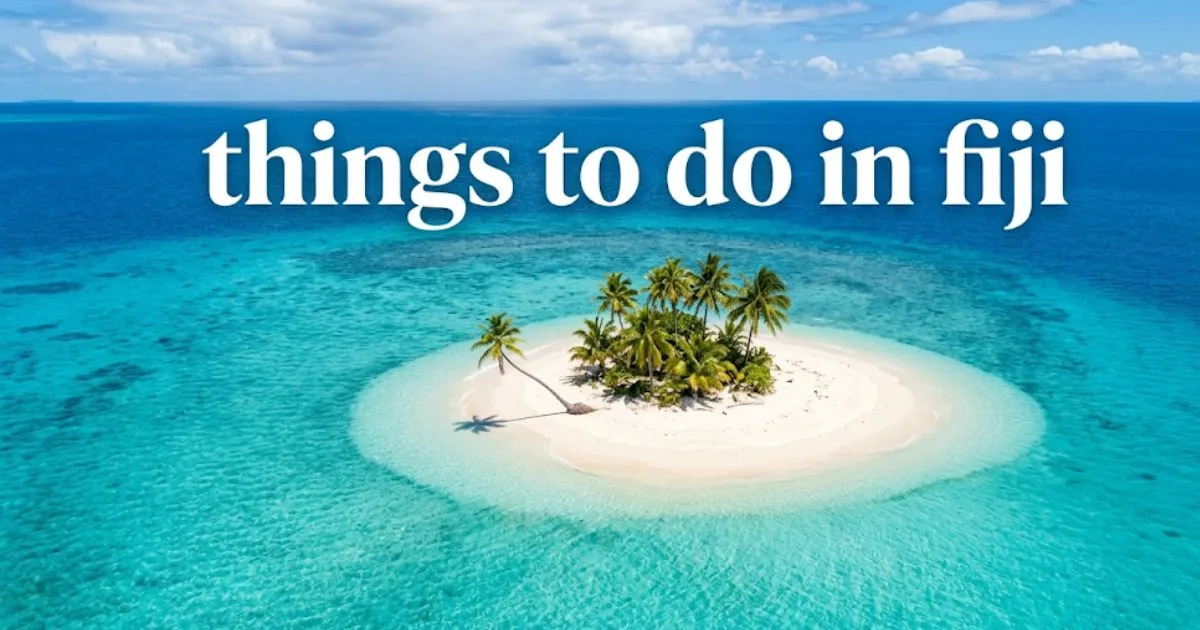
18 Best Things to Do in Fiji for 2026 Travelers

Fiji is an archipelago of 333 islands built for more than resort pools.
This is a nation of rugged volcanic highlands, genuine village culture, and soft coral reefs.
This guide skips the brochure clichés and delivers specific, honest activities.
You will find where to go, what to avoid, and how to plan your island time.
Dive and Snorkel Fiji’s Soft Coral Reefs
Fiji claims the title “Soft Coral Capital of the World.”
The Bligh Water between Viti Levu and Vanua Levu delivers legendary wall dives.
Rainbow Reef near Taveuni features the famous Great White Wall.
Currents here can be strong and suit experienced divers best.
The Mamanuca Islands offer gentler snorkeling for beginners and families.
Resort day trips to Honeymoon Beach on Malolo Island provide calm conditions.
Expect to pay approximately $150 to $250 USD for a two-tank dive.
Most operators including Taveuni Ocean Sports provide full gear rental.
Solo divers often find buddy systems easy to join on group boats.
Couples can book private charters to uncrowded reefs for a romantic experience.
Visibility peaks during the dry season from May through October.
January to March brings runoff and plankton blooms that reduce clarity.
Experienced divers skip the crowded Beqa Lagoon shark dives.
They head north to the remote Namena Marine Reserve instead.
The marine reserve protects a stunning barrier reef with massive biodiversity.
A liveaboard trip is the only way to truly access these distant sites.
| Dive Site | Best For | Skill Level | Insider Note |
|---|---|---|---|
| Rainbow Reef, Taveuni | Wall dives, soft coral | Intermediate+ | Great White Wall is slack tide only. |
| Mamanuca Pinnacles | Beginners, families | All levels | Combine with a resort day trip. |
| Namena Marine Reserve | Pristine biodiversity | Advanced | Requires a liveaboard commitment. |
Island Hop Through the Yasawa Archipelago
The Yasawa Islands are the stunning spine of volcanic peaks north of the mainland.
This is where you find impossibly blue lagoons and backpacker bures.
The primary vessel for independent travel is the Yasawa Flyer catamaran.
A Bula Pass allows flexible hop-on, hop-off travel for 5 to 15 days.
Book a pass for the maximum days you can spare for full flexibility.
The journey from Port Denarau to the northern islands takes over four hours.
Budget travelers will find the social scene on Nanuya Lailai unmatched.
Couples seeking seclusion should target the smaller resorts on Naviti Island.
The dry season guarantees reliable crossings and crystal-clear lagoon waters.
Cyclone season from November through April can suspend all ferry services.
Skip the rigid pre-booked packages if you value freedom and discovery.
Pack light in a soft-sided duffel bag because storage space on the ferry is tiny.
Key Takeaway: A Bula Pass on the public ferry offers the most freedom for exploring the Yasawa chain independently.
Visit a Traditional Fijian Village
Entering a Fijian village is a genuine cultural ceremony, not a show.
You must participate in the sevusevu, a gift of kava root to the village chief.
Wear modest clothing covering your knees and shoulders for the visit.
Remove your hat and sunglasses because only the chief wears a hat.
Your guide or host will facilitate the presentation of the yaqona root.
The chief will accept the offering and a communal kava drinking circle begins.
This is a solemn, welcoming ritual that transforms you from tourist to guest.
Navala Village in the interior of Viti Levu is a spectacular setting.
Its thatched bure houses remain a remarkable example of traditional architecture.
Families should choose a village visit arranged through a resort to ensure a gentle, welcoming experience.
Young children are often warmly embraced and will be invited to play with local kids.
Solo travelers gain deeper insight by asking quiet, respectful questions during the kava circle.
Weekday visits are better because Sunday is strictly a day of worship and rest.
Avoid visiting during a funeral or major village meeting unless specifically invited.
Explore the Sawa-i-Lau Caves on the Yasawas
The Sawa-i-Lau Caves are ancient limestone caverns on a remote island.
These caves featured in the film Return to the Blue Lagoon.
A steep staircase leads to the main cavern where you can swim in deep, clear water.
The real adventure is the underwater passage into a secret second chamber.
You must hold your breath and pull yourself through a dark, submerged tunnel.
It is a short but intense moment that is not for claustrophobic or weak swimmers.
Entrance fees run approximately $35 to $50 FJD per person paid directly to the village.
A local guide from the nearby village will lead you inside the caves.
Couples share an adrenaline rush navigating the tunnel together into the hidden chamber.
Families with confident teenage swimmers find this an unforgettable highlight of the trip.
Visit during mid-morning to avoid the influx of resort day trip crowds.
Cloudy afternoons make the main cavern feel dark and much less inviting.
Key Takeaway: Hold your breath for the short underwater tunnel at Sawa-i-Lau to enter the secret second chamber.
Swim Beneath Tavoro Waterfalls on Taveuni
Taveuni is Fiji’s lush garden island in the country’s far north.
The Bouma National Heritage Park is home to the three Tavoro Waterfalls.
The first waterfall is an easy 15-minute walk through verdant rainforest.
Its large pool is perfect for a refreshing swim right after arrival.
The second waterfall requires a steeper 45-minute climb but rewards you with solitude.
A local guide is mandatory for the third and most dramatic cascade.
Admission to the park costs about $30 FJD and supports the local Bouma community.
The path can be very slippery so wear sturdy sandals or hiking shoes.
This is a brilliant activity for active couples who love nature.
It challenges families with very young children because the terrain can be uneven.
Visit during the dry months when the trails are firm and the pools are clear.
The heavy rains of cyclone season can make the river crossing dangerously swollen.
Savor a Lovo Feast and Taste Fijian Kokoda
Fijian cuisine is cooked in the earth and flavored by the South Pacific.
A lovo is a traditional underground oven using heated stones and banana leaves.
Meats, fish, and root crops steam for hours until they are tender and smoky.
Resorts host weekly lovo buffets but a village feast is a far more authentic experience.
Kokoda is the national dish you must order everywhere.
It is raw fish cured in lime juice and mixed with coconut cream and chili.
Suva’s municipal market offers a fantastic place to sample fresh tropical fruits.
Try a chilled young coconut and a pineapple from a vendor for a cheap, perfect lunch.
Budget travelers should shop at local markets for fruit and root chip snacks.
Families can ask for a milder kokoda for children who are spice-sensitive.
The Indo-Fijian curries and roti parcels at lunch spots in Nadi Town are also exceptional.
Tata’s Curry House is a local favorite for authentic, affordable, and spicy dishes.
Key Takeaway: Skip the resort’s weekly buffet and seek a village-hosted lovo for a genuine communal meal.
Float at Cloud 9 and Malamala Beach Club
Cloud 9 is a floating pontoon bar anchored in the Mamanuca archipelago.
It features a wood-fired pizza oven and an international DJ on deck.
The turquoise water surrounding it is a swimmer’s dream.
It is a party platform that attracts a young, social, and often rowdy crowd.
A day trip here costs approximately $120 to $180 FJD including boat transfers.
Malamala Beach Club is the mainland’s sleek, easy-access alternative.
It sits on its own small island a short 25-minute boat ride from Port Denarau.
Think infinity pool, white sand, cabanas, and a more sophisticated atmosphere.
Families with older teenagers prefer Malamala for its island space and swimming options.
Couples seeking a quiet day away from a party vibe should choose Malamala over Cloud 9.
Solo travelers can find instant community at the communal tables on Cloud 9.
Avoid both on weekends when local crowds make them feel congested and frantic.
Hike the Sigatoka Sand Dunes National Park
The Sigatoka Sand Dunes are one of Fiji’s most unexpected natural wonders.
Wind-sculpted dunes rise dramatically against the Pacific Ocean on the Coral Coast.
They are a National Trust of Fiji heritage site protecting an ancient burial ground.
The one-hour dune trek is hot, exposed, and physically demanding in the midday sun.
Start the hike at 7:00 AM when the ranger station opens for the best conditions.
The effort is rewarded with views of crashing surf and total, windswept solitude.
Entry is a bargain at approximately $10 FJD per person for a self-guided walk.
This is a fantastic off-the-beach workout for active couples and solo adventurers.
It is entirely unsuitable for anyone with mobility issues or very young children.
The loose, deep sand makes every step feel like two steps of exertion.
Visit during the dry season when the sand is firm from morning dew.
The rainy season makes the steep dune faces dangerously loose and treacherous.
Key Takeaway: Hike the Sigatoka Sand Dunes at 7:00 AM to beat the punishing midday heat.
Wander Through the Garden of the Sleeping Giant
The Garden of the Sleeping Giant sits in the cool foothills near Nadi.
It started as the private orchid collection of actor Raymond Burr.
Today it houses a stunning botanical display of over 2,000 varieties of orchids.
A gentle, shaded boardwalk leads through manicured lawns and dense rainforest canopy.
It is one of the most accessible and serene nature walks in all of Fiji.
Admission is budget-friendly at roughly $18 FJD per adult for a peaceful hour.
Seniors appreciate the flat, well-maintained paths that are easy to navigate.
Families find it a cool, quiet escape from the intense heat of a beach day.
Couples can linger on a secluded bench with views of the green mountain range.
The garden’s muted, tranquil atmosphere is the opposite of a rowdy beach club.
Visit on a weekday morning to have the orchid paths almost entirely to yourself.
Tour buses flood the garden by 11:00 AM and destroy the sense of peace.
Soak in the Sabeto Hot Springs and Mud Pool
The Sabeto Hot Springs offer a do-it-yourself natural spa experience.
You are in the valley of the Sleeping Giant with a view of the mountain above.
The three-step process is part of the local fun.
First you paint yourself from head to toe in warm, therapeutic volcanic mud.
Then you dry off in the sun until you feel like a clay statue.
Next you wash the mud away in the first clean thermal pool.
Finally you soak your now-silky skin in the hottest natural spring pool.
A transfer from Nadi costs about $50 FJD but entry fees are a modest donation.
This is a hilarious, memorable activity for a group of friends or a family.
Solo travelers might feel a bit awkward navigating the messy process alone.
The mud will stain light-colored swimwear permanently so wear dark, old clothes.
Visit in the late afternoon when the sun is softer and the crowds are gone.
Surf the Legendary Breaks of Cloudbreak
Cloudbreak is a powerful, world-famous left-hand reef break off Tavarua Island.
It is a wave for experienced, hard-charging surfers only.
The swell throws a thick, barreling wall over shallow, razor-sharp coral.
You access it exclusively by boat from Tavarua Resort or nearby Namotu Island.
A boat trip for non-guests costs roughly $150 to $250 USD per session.
Intermediate surfers should stick to the more forgiving breaks like Swimming Pools.
These mellow rights and lefts are perfect for building confidence on a reef.
Couples can split up for a day with one surfing and the other at the island spa.
This is not a beginner’s activity and the reef injury risk is very real.
The prime swell season runs from April through October for consistent surf.
December is often flat and frustrating, making it a poor time to book a surf trip.
Key Takeaway: Cloudbreak is a barreling monster for experts; intermediates should surf the nearby Swimming Pools.
Navigate the Suva Municipal Market
Suva Municipal Market is the chaotic, colorful heart of Fiji’s capital city.
It is a sensory bombardment of fresh produce, spices, and kava root.
Vendors sell towering piles of tropical fruit, fresh-caught fish, and root crops.
Go early on a Saturday morning when the market is at its most vibrant peak.
This is where you find authentic interaction without any staged tourist performance.
You can buy a kilo of kava powder for a fraction of the resort gift shop price.
It is a perfect stop for budget travelers to assemble a cheap, fresh picnic lunch.
Solo travelers with a camera will find endless stories in the faces and stalls.
Families should keep young children close as the aisles are crowded and wet underfoot.
The area directly outside the market can attract pickpockets targeting distracted tourists.
Keep your valuables hidden and your backpack worn on your front.
The nearby Fiji Museum in Thurston Gardens is a quiet, cool follow-up activity.
Snorkel with Manta Rays in the Yasawas
Majestic reef manta rays glide through a narrow channel in the northern Yasawa Islands.
The season reliably runs from May through October each year.
A short boat ride takes you from Barefoot Manta Island resort to the cleaning station.
You simply drift in a gentle current as these giants loop below you.
The rays have wingspans that can reach up to five meters across.
A guided snorkel trip costs about $65 FJD and supports local marine conservation.
This is a breathtaking bucket-list experience for couples and confident swimmers.
Weak swimmers can panic in the deep blue water where there is no visible bottom.
A flotation vest is essential if you are not 100% confident in deep open ocean.
The best sightings happen during the incoming tide in the late morning hours.
There is no point booking this trip outside the May-to-October manta season.
Whitewater Raft the Upper Navua River
The Upper Navua River is Fiji’s premier adventure activity hidden in the highlands.
It cuts a narrow, deep gorge through a volcanic crater on Viti Levu.
Towering black canyon walls are draped in a tapestry of vibrant green tropical ferns.
Dozens of cascading waterfalls plunge directly into the churning rapids beside your raft.
A one-day trip costs approximately $250 to $350 USD with the operator Rivers Fiji.
The run involves Class II and III rapids which are exciting but manageable for novices.
This is a brilliant bonding activity for a group of active adult friends.
The minimum age is usually 12 years old making it tough for families with younger kids.
Seniors must be prepared for a physically long, bumpy day with no easy exit points.
The rafting season runs year-round but the gorge can feel cold on a rainy day.
During a heavy storm, the river can rise rapidly and the trip may be canceled for safety.
Attend a Beqa Island Firewalking Ceremony
Beqa Island is the legendary home of Fijian firewalking.
The Sawau tribe on Beqa is the custodian of this ancient, mystical ceremony.
Locals walk barefoot across searingly hot stones without suffering injury.
This is not a street performance but a deeply spiritual gift from an ancestor’s god.
Resorts like Beqa Lagoon Resort host evening firewalking shows for guests.
The intense, solemn chanting and the red-hot stones create a powerful atmosphere.
It is a spectacular, authentic cultural spectacle that outshines any hotel floorshow.
Couples and families staying on the Coral Coast can reach Beqa by a short taxi boat.
A day trip from a mainland resort can cost roughly $100 FJD for boat transfer.
Do not photograph the ceremony with a flash as it is deeply disrespectful and intrusive.
A small, quiet offering of kava to the performers afterward is a sign of deep respect.
Paddleboard or Kayak a Mangrove Forest
A quiet paddle through a mangrove forest is the antidote to a busy resort pool.
The Navua River delta and the waters off Nanuca Island offer calm, stunning channels.
Kayaking with Takia Outrigger Adventures connects you with the traditional Fijian canoe.
The pace is slow and silent, allowing you to observe birdlife and tiny, colorful crabs.
It is an eco-friendly activity that supports local guides and village initiatives.
A half-day guided trip costs about $60 to $90 FJD and suits all fitness levels.
This is a wonderful, low-impact adventure for seniors and nature-loving couples.
Families can book double kayaks so parents can paddle while kids act as lookouts.
Budget travelers can often rent a kayak for a few dollars directly from a beachside hostel.
Paddle during high tide to avoid getting stuck on muddy, shallow sandbars.
The late afternoon light turns the green mangroves golden and the air finally cools.
Unwind at a Private Island Spa Retreat
A Fijian spa experience is about the setting as much as the massage technique.
Resort spas perch on dramatic cliff edges over the ocean in the Mamanucas.
Six Senses Fiji on Malolo Island offers a true wellness village experience.
Vomo Island Resort has spa bures set high on a hill with a view of both sunrise and sunset.
Treatments use local products like Pure Fiji coconut oils and nut extracts.
A one-hour couples massage costs approximately $180 to $250 USD at a luxury resort.
This is a defining romantic splurge for honeymooners and couples seeking privacy.
Solo travelers can book a single treatment to enjoy pure, uninterrupted indulgence.
Budget travelers should look for a day spa in Nadi Town for a fraction of the resort cost.
Book your treatment for the first afternoon after arrival to cure your jet lag completely.
Prime sunset slots are booked weeks in advance during the peak July and August period.
Day Trip to a Castaway Movie Island
Monuriki Island is the famous setting for the movie Cast Away starring Tom Hanks.
It is an uninhabited, impossibly picturesque islet in the Mamanuca chain.
A day trip here from resorts on the Coral Coast or Denarau is easy.
You land on a postcard-perfect white sand beach with dramatic volcanic rock formations.
The classic tour includes snorkeling in the shallows and a beach picnic lunch.
A trip from Mana Island or Castaway Island Resort runs about $120 to $200 FJD.
It is a perfect family excursion because kids love the shallow, calm water.
Couples can reenact the movie’s famous “Wilson!” scene on the pristine beach.
The island itself is tiny and a half-day trip is more than enough time.
The boat ride can be extremely choppy in the afternoon trade winds.
Morning departures with an early return are the most comfortable and calm option.
Safety and Practical Warnings for Fiji
The tropical sun in Fiji is intensely powerful and burns unprotected skin in minutes.
Stay safe with these essential practical warnings for your trip.
- Strong Rip Currents: Reef passes have powerful outgoing tides. Swim at patrolled beaches or inside lagoons.
- Cyclone Season: Travel from November to April can be disrupted. Purchase comprehensive travel insurance for trip cancellations.
- Urban Petty Theft: In crowded areas of Nadi and Suva, wear your backpack on your front and do not flash valuables.
- Limited Medical Help: Medical infrastructure on outer islands is basic. Pack a comprehensive first-aid kit for any serious prescriptions.
In a medical emergency on an outer island, immediate evacuation to the mainland is the only option.
Frequently Asked Questions About Things to Do in Fiji
What is the best time of year to visit Fiji for good weather?
The best time to visit Fiji is the dry season from late May to October.
You will experience low humidity, clear blue skies, and excellent underwater visibility.
This is also the peak tourist season, so book flights and resorts well in advance.
How many days are enough for a trip to Fiji?
A minimum of 10 days is ideal to explore the islands properly.
This allows for travel time, a multi-day island-hopping route, and genuine relaxation.
A shorter 7-day trip forces you to choose between just one or two destinations.
Is Fiji safe for tourists to visit?
Fiji is a generally safe and welcoming destination for all travelers.
The main risks are opportunistic petty theft in urban markets and natural ocean hazards.
Exercise the same caution with your belongings as you would in any busy place.
What are the top things to do in Fiji for families with kids?
The top things for families are calm lagoon snorkeling and island day trips.
A visit to the Garden of the Sleeping Giant and the Sabeto Mud Pools are also brilliant.
Choose a resort on Denarau Island for safe swimming and easy access to activities.
Do I need a visa to visit Fiji as a US citizen?
US citizens do not need a visa for tourist stays of up to four months.
You must have a passport valid for six months beyond your intended departure date.
You also need proof of an onward or return ticket out of the country.
What should I wear when visiting a Fijian village?
Women must wear a long skirt or sulu that covers the knees.
Men must wear a sulu and a shirt that covers the shoulders.
Everyone must remove hats and sunglasses as only the chief may wear headwear.
Fiji is a genuine cultural exchange, not just a tropical backdrop.
Start your planning by deciding between the easy Mamanuca day trips and the wild Yasawa island chain.
Book your Bula Pass ferry ticket and your first two nights of accommodation immediately.
Always verify ferry schedules, village visiting protocols, and dive operator safety records directly before you depart.
Conditions change fast in the islands and the best trips leave space for Fijian spontaneity.