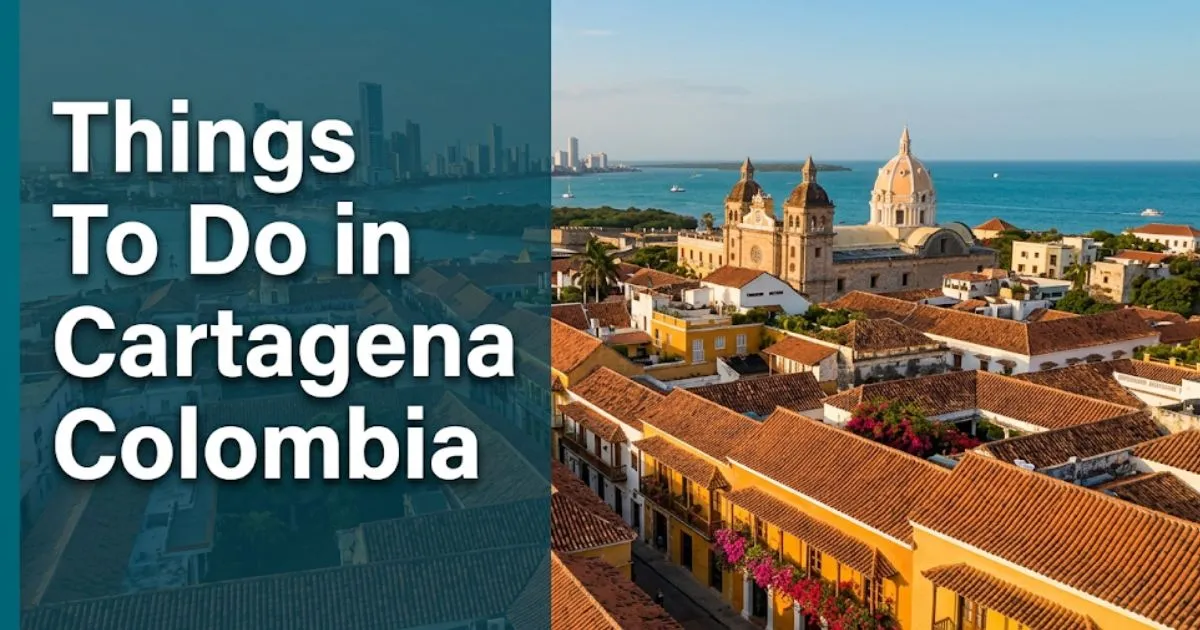
Things To Do in Cartagena, Colombia: Your 2026 Guide

The best things to do in Cartagena, Colombia span UNESCO-protected colonial streets, Caribbean island day trips, and one of South America’s most underrated food neighborhoods.
Cartagena’s historic center is a UNESCO World Heritage Site and draws over 2 million visitors annually, according to ProColombia, Colombia’s national tourism promotion agency.
This guide covers the Walled City, Getsemaní, beaches, day trips, dining, nightlife, and practical logistics. It also separates what is genuinely worth your time from what is tourist infrastructure.
Things To Do in Cartagena Colombia: The Full Picture
Cartagena offers one of the most layered travel experiences in the Caribbean. It combines Spanish colonial history, Afro-Colombian cultural traditions, Caribbean beaches, and a rapidly evolving food and arts scene.
The city divides cleanly into distinct zones. The Walled City (Ciudad Amurallada) holds the historic architecture. Getsemaní offers street art and local life. Bocagrande provides beach access closest to the city. The Rosario Islands and Playa Blanca require a day trip.
Most visitors spend too much time in the most photographed block around the Torre del Reloj clock tower. That area serves tourism, not authentic daily life.
The real Cartagena is one neighborhood further in every direction. Knowing where to go beyond the postcard image is the single most valuable thing a 2026 visitor can carry.
Couples will find the Old City genuinely romantic, particularly at dusk when the crowds thin. Solo travelers benefit from Getsemaní’s hostel scene and social atmosphere. Budget travelers need a specific strategy since Cartagena is expensive by Colombian standards.
| Activity | Best For | Cost Range (per person) | Time Needed | Insider Note |
|---|---|---|---|---|
| Walled City walking | Couples, culture travelers | Free to explore | 2 to 3 hours | Go before 9 AM to beat tours |
| Castillo San Felipe | History travelers, families | Approx. $5 to $10 USD | 1.5 to 2 hours | Evening light tours available |
| Rosario Islands | Couples, beach lovers | Approx. $40 to $80 USD | Full day | Book a private lancha for better experience |
| Playa Blanca (Barú) | Budget beachgoers | Approx. $15 to $30 USD transport | Full day | Arrive early; vendors increase by noon |
| Getsemaní street art | Solo travelers, creatives | Free | 1.5 to 2 hours | Best on foot with no tour group |
| La Cevichería dining | Food travelers, couples | Approx. $20 to $40 USD per person | 1.5 hours | Reserve 24 to 48 hours ahead |
| Mud volcano (Totumo) | Adventurous travelers | Approx. $30 to $60 USD with transport | Half day | Part of most organized day trip combos |
All prices are approximate ranges based on recent traveler-reported figures. Verify current rates before booking in 2026.
Best Things To Do in Cartagena Colombia
The best things to do in Cartagena Colombia are: walking the Walled City in the early morning, exploring Getsemaní’s street murals, visiting Castillo San Felipe de Barajas at golden hour, and taking a full-day trip to either the Rosario Islands or Playa Blanca.
These four experiences together give you the complete Cartagena identity. Remove any one of them and you leave with an incomplete picture of what this city actually is.
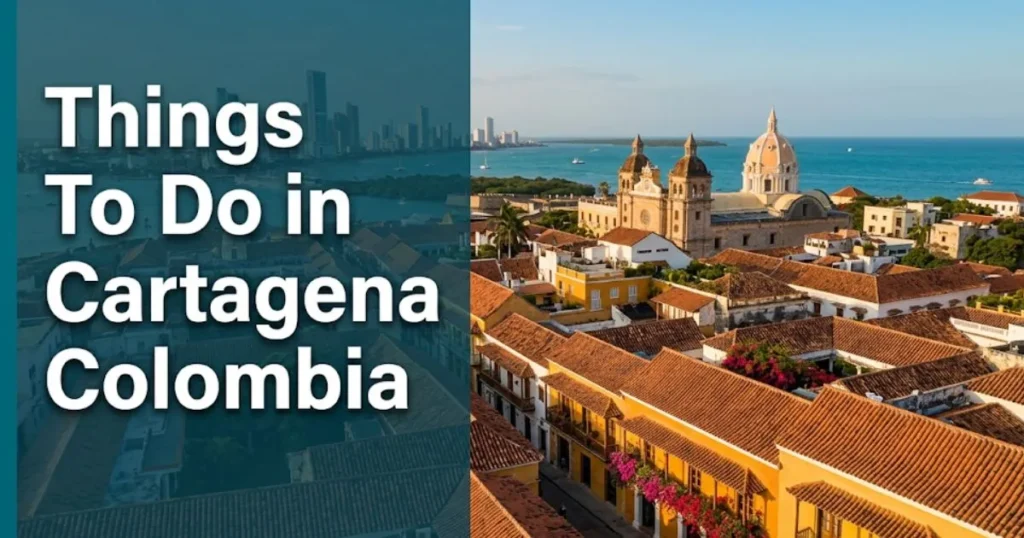
Beyond those four, La Convento de La Popa on the hilltop above the city offers the best panoramic view in Cartagena. Most visitors do not make the trip.
The Palacio de la Inquisición on Plaza de Bolívar is one of the best-preserved Spanish colonial civic buildings in the Americas. Its history is genuinely dark and the museum inside earns its entrance cost.
Families with children over age 8 will find Castillo San Felipe engaging for its tunnels and fortress architecture. Very young children may find the cobblestone streets and heat challenging throughout the Old City.
Budget travelers should know that most of Cartagena’s top cultural experiences are either free to walk through or carry modest entry fees. The primary cost driver is accommodation and island day trips, not sightseeing.
Cartagena Colombia Itinerary: 3 Days Done Right
A well-structured 3-day Cartagena itinerary prioritizes the Walled City and Getsemaní on Day 1, an island or beach day trip on Day 2, and Castillo San Felipe with an evening sunset cruise on Day 3.
Day 1: Old City and Getsemaní
- Start at Torre del Reloj by 8 AM before tour groups arrive
- Walk through El Centro toward Plaza de Bolívar and the Palacio de la Inquisición
- Visit Iglesia de San Pedro Claver (one of the oldest churches in the Americas)
- Break for an arepa de huevo from a street cart near the inner plazas
- Walk to Getsemaní via Calle de la Sierpe after lunch (15-minute walk)
- Explore the mural district around Plaza de la Trinidad
- Dinner in Getsemaní at one of the neighborhood’s newer restaurants
Day 2: Beach or Islands
- Depart by 8 AM from Muelle Turistico (Tourist Pier) for the Rosario Islands
- Or take an early shared taxi to the Playa Blanca lancha docks on Barú
- Return by 3 to 4 PM to avoid afternoon heat and traffic
- Evening: sunset from the city walls near the Baluarte de Santo Domingo
Day 3: Fortress and Bay
- Visit Castillo San Felipe de Barajas by 9 AM before peak heat
- Afternoon: Convento de La Popa for city panorama views
- Evening: book a sunset catamaran or wooden sailboat cruise on Bahía de Cartagena
Best Neighborhoods in Cartagena Colombia
The best neighborhoods in Cartagena Colombia for visitors are the Walled City (divided between El Centro and San Diego), Getsemaní, and Bocagrande, each serving a distinct travel purpose.
El Centro holds the densest concentration of colonial architecture, historic plazas, and the primary museum circuit. San Diego, the quieter northern section of the Walled City, has the best boutique hotels and slightly calmer streets.
Getsemaní sits just outside the Walled City walls and is a 10-minute walk from the clock tower. It was historically avoided in tourism guides but has transformed significantly over the past decade into Cartagena’s most interesting neighborhood.
Bocagrande is Cartagena’s modern hotel and beach district. Its beach is accessible but not the Caribbean’s cleanest. It works well as a base for travelers who prioritize beachfront accommodation over colonial atmosphere.
Couples consistently rate San Diego as the most romantic base: narrower streets, fewer tour groups, and proximity to the city’s better wine bars and boutique restaurants. Budget travelers are best served by Getsemaní hostels, which run significantly cheaper than Old City options.
Seniors and travelers with mobility concerns should be aware that the Walled City’s cobblestone streets are genuinely uneven. Wheeled luggage is difficult and wheelchair navigation requires advance planning and specific street routing.
Key Takeaway: Getsemaní is the single most underutilized neighborhood in Cartagena. Most first-time visitors never cross the walls to explore it, missing the city’s most authentic street life, best murals, and most interesting dining within walking distance of their hotel.
Cartagena Walled City Things To Do
The Cartagena Walled City offers colonial architecture walks, museum visits, church interiors, local plaza life, and street food, all within a walkable historic center that ranks among the best-preserved in the Americas.
The Torre del Reloj gateway is the Walled City’s most photographed entrance. Arrive here before 9 AM and you get the scene almost to yourself. By 10 AM, tour buses define the experience.
Plaza de Bolívar is the civic heart. The Palacio de la Inquisición faces it directly. Admission runs approximately $5 to $10 USD per adult (verify current rates before visiting). It documents the Spanish Inquisition’s operations in colonial Cartagena.
Iglesia de San Pedro Claver honors a 17th-century Jesuit priest who dedicated his life to enslaved Africans arriving through Cartagena’s port. It is one of the oldest churches in the Americas and carries genuine historical weight.
The most tourist-free way to experience the Walled City is to walk the top of the city walls themselves, specifically the section between Baluarte de Santa Catalina and Baluarte de Santo Domingo. Tour groups rarely do this; locals and serious travelers do.
Families should note that the Palacio de la Inquisición has detailed exhibits on torture instruments used during the Inquisition. It is historically significant but may not suit children under 10.
Getsemaní Cartagena Things To Do
Getsemaní is Cartagena’s most authentic neighborhood, best experienced through its street art circuit, the social energy of Plaza de la Trinidad, independent restaurants, and evening bar culture that draws both locals and travelers.
The mural circuit starts on Calle 26 and extends through the neighborhood’s main grid. These are not sanitized tourist murals. They document Afro-Colombian identity, neighborhood displacement, and Caribbean social history with genuine artistic seriousness.
Plaza de la Trinidad is the neighborhood’s social center. Every evening, locals gather here in a way that feels nothing like the Walled City’s tourist plazas. Street food vendors set up by late afternoon.
Getsemaní’s restaurant scene has improved substantially. Carmen restaurant (on Calle 33) operates from a restored colonial house and represents the upper end of Getsemaní dining. Smaller local spots on the side streets offer cazuela de mariscos for a fraction of Old City prices.
Solo travelers will find Getsemaní the easiest Cartagena neighborhood to meet other independent travelers. The hostel concentration and plaza social culture create natural gathering points. After midnight, the neighborhood warrants the same street awareness as any rapidly gentrifying urban area; stay on lit main streets.
The neighborhood most locals prefer for evening socializing is not the Walled City’s rooftop bars. It is Getsemaní’s Plaza de la Trinidad, where a cold beer costs a fraction of what a cocktail costs across the walls.
Castillo San Felipe de Barajas Cartagena
Castillo San Felipe de Barajas is the largest Spanish colonial fortification ever built in the Americas and the single most historically significant site in Cartagena, requiring approximately 90 minutes to two hours to explore properly.
The fortress sits on the Cerro de San Lázaro hill, a 10 to 15 minute taxi ride from the Walled City. Its tunnel system beneath the walls is the highlight. The tunnels were designed to amplify enemy footsteps as an early warning system.
Admission runs approximately $10 to $20 USD per adult (verify current 2026 rates directly with the site before visiting). Guided tours in English are available on site and run approximately 45 to 60 minutes. Hiring a licensed guide significantly increases the historical depth of the visit.
The fortress opens daily in the early morning. The most practical approach is to arrive at opening time, before peak heat and tour group congestion. By 11 AM in December through March, the site is crowded and the heat on the exposed walls is intense.
Seniors and travelers sensitive to heat and physical exertion should note that Castillo San Felipe involves significant walking on uneven stone surfaces with no shade on the upper ramparts. Morning visits are not optional for this profile; they are a practical necessity.
The local alternative for fortress history: the smaller, less-visited Fuerte de San Sebastián del Pastelillo on the Manga island district is rarely covered in tourism guides but offers the same Spanish military architecture without any crowds.
Key Takeaway: Visit Castillo San Felipe as early as possible in the day. The tunnels alone justify the trip, and the experience degrades significantly once tour bus groups fill the narrow passages after 10 AM.
Cartagena Beaches Best
The best beach options near Cartagena are Playa Blanca on the Barú Peninsula (approximately 45 minutes to 1 hour by lancha), the Rosario Islands (1 to 1.5 hours by speedboat), and the city beach at Bocagrande for convenience.
Bocagrande beach is the closest option, reachable on foot or by short taxi from the Old City. Its water quality is not comparable to what most visitors picture when they imagine Caribbean Colombia. It works for an afternoon wade but is not a full beach day destination.
Playa Blanca is the Caribbean beach experience most visitors are seeking. White sand and clear turquoise water, accessible by shared or private lancha from the Barú docks. The trade-off is vendor pressure, which increases substantially by midday.
The practical approach to Playa Blanca: Depart the city by 7:30 to 8 AM, arrive before the main vendor wave, set up early, and plan to leave by 1 to 2 PM. Staying past 3 PM means returning in heavier boat traffic and catching the hottest afternoon sun.
Budget travelers should take shared lanchas rather than private boats. Shared departures run from organized docks and cost a fraction of private charters. Couples who prioritize a quieter beach experience should consider a private speedboat to one of the smaller, less-crowded Rosario Islands.
Seniors and travelers with limited mobility should know that Playa Blanca involves boarding and disembarking small wooden boats in water. The process requires some physical agility. Rosario Islands transfers via larger catamarans are a more comfortable alternative.
Rosario Islands Cartagena
The Islas del Rosario (Rosario Islands) are a protected Caribbean archipelago approximately 35 kilometers southwest of Cartagena, offering coral reef snorkeling, clear water, and island beach clubs most accessible on organized day trips.
Boats depart from the Muelle Turistico (Tourist Pier) in central Cartagena, typically between 8 and 9 AM. The crossing by standard tourist boat takes 90 minutes to 2 hours. Speedboat transfers reduce that to 45 to 60 minutes and cost more.
Day trips range widely in what they include. Budget group tours typically cover transport, a basic lunch, and snorkeling equipment. Premium catamaran options add open bars, professional guides, and access to smaller islands with fewer visitors. Costs run approximately $40 to $100 USD per person depending on the operator and inclusions (verify current 2026 pricing before booking).
According to ProColombia, the Rosario Islands fall within the Corales del Rosario y San Bernardo National Natural Park, a protected marine zone. Anchoring and reef-touching restrictions apply. Reputable operators respect these rules; budget operators do not always.
Couples consistently rate a private or semi-private island day with a quality operator as the most romantic Cartagena experience available. Families with children should book operators that specify family-friendly boats and include life jackets and shallow-water snorkeling areas.
Book Rosario Islands day trips at least 24 to 48 hours in advance during peak season (December through March). Last-minute spots during this period are scarce and carry premium pricing.
Day Trips From Cartagena Colombia
The best day trips from Cartagena Colombia are the Rosario Islands for beach and snorkeling, Volcán de Lodo El Totumo for a uniquely Colombian experience, and Playa Blanca on Barú for the best accessible Caribbean beach.
Volcán de Lodo El Totumo is a small mud volcano located approximately 45 minutes from Cartagena near the town of Galerazamba. Visitors climb to the top and sit in warm, mineral-rich mud inside the volcano crater. It is genuinely strange and genuinely fun.
Totumo is typically combined with a visit to the Ciénaga del Totumo, a brackish lagoon nearby used to rinse off after the mud bath. Most Cartagena tour operators offer a Totumo half-day trip for approximately $25 to $50 USD per person including transport (verify current pricing).
The Palenque de San Basilio village is approximately 70 kilometers from Cartagena and is one of the most culturally significant destinations in Colombia. It is the first free town established by escaped enslaved Africans in the Americas and maintains its own language, Palenquero. Few mainstream tour operators include it. This is the day trip that experienced travelers prioritize.
According to the Colombian Ministry of Culture, Palenque de San Basilio holds UNESCO Intangible Cultural Heritage status. Visiting requires a full day and ideally a culturally informed local guide hired through a responsible tourism operator.
Budget travelers can reach Totumo independently by local bus or mototaxi, significantly reducing the cost of the organized tour price. Couples should note that Totumo involves sharing a small crater with other visitors; it is not a private experience regardless of what some operators imply.
Key Takeaway: Palenque de San Basilio is the most culturally significant and most overlooked day trip from Cartagena. If you have four or more days in the city, this UNESCO-recognized community offers context that no Old City tour can replicate.
Cartagena Food Scene What To Eat
Cartagena’s food scene centers on Caribbean seafood, costeño street food, and a growing roster of serious restaurants in both the Walled City and Getsemaní, making it one of Colombia’s most interesting cities to eat through.
The dish every visitor should eat at least once is cazuela de mariscos, a rich seafood stew with shrimp, fish, and coconut milk served in a clay pot. It appears on menus across the city, but quality varies enormously.
La Cevichería on Calle Stuart in the Walled City is the most consistently praised seafood restaurant in the city, made internationally recognizable when Anthony Bourdain featured it. Reservations 24 to 48 hours ahead are realistic during peak season. The ceviche with coconut milk and lulo is the specific dish to order.
Arepas de huevo are the definitive Cartagena street food. These are corn cakes stuffed with egg, deep-fried, and sold by street vendors throughout Getsemaní and near the market areas. They cost pennies and are best eaten hot from the vendor.
Carmen in Getsemaní represents the more ambitious end of the city’s restaurant scene, with a contemporary Colombian menu drawing on regional Caribbean ingredients. The setting in a restored colonial home matches the quality of the food.
Budget travelers eating primarily at street stalls and local fondas in Getsemaní can eat extraordinarily well for under $10 USD per day. The Walled City’s tourist-facing restaurants at plaza-front tables carry a significant premium that does not always reflect better quality.
The honest food assessment: Mercado de Bazurto, the city’s main traditional market, is where Cartagena actually eats. It is chaotic, dense, and not set up for tourist navigation. Going with a guide who knows it produces one of the most genuine food experiences in any Colombian city. Going alone without local guidance is not recommended.
Cartagena Colombia Nightlife
Cartagena’s nightlife centers on rooftop bars in the Walled City, the bar scene around Plaza de la Trinidad in Getsemaní, and the chiva nocturna (party bus circuit), which is the most distinctly Colombian nightlife format available in the city.
The chiva nocturna is a brightly painted traditional bus that departs from the Walled City area in the evenings with live music, aguardiente (Colombia’s anise spirit), and a rolling party circuit through the city. It is loud, social, and genuinely fun. Cost runs approximately $20 to $40 USD per person.
Rooftop bars in the Walled City, particularly around the Baluarte de Santo Domingo area, offer sunset and evening views over the Caribbean and city walls. Drinks are priced at international levels. The view earns the premium; the cocktails are serviceable.
The Plaza de la Trinidad scene in Getsemaní operates differently. Cold beers are bought from corner stores and consumed in the plaza alongside locals. It costs almost nothing and delivers the most authentic Caribbean evening social experience in the city.
Couples will find the Walled City rooftop bar circuit genuinely romantic. Solo travelers will find Plaza de la Trinidad far more socially accessible and significantly less expensive. Budget travelers should not attempt Walled City bar prices for an extended evening; a single cocktail can cost more than a full Getsemaní street food dinner.
Live champeta and cumbia music surfaces in Getsemaní bars on weekends. These are not tourist-choreographed performances. They are the actual musical traditions of the Caribbean coast, and hearing them in a neighborhood bar rather than a staged dinner show is a meaningfully different experience.
Cartagena Colombia for Couples
Cartagena is one of the most romantic cities in South America for couples, primarily because of the Walled City’s colonial architecture at dusk, candlelit restaurants in restored courtyards, and the private island and sunset cruise options.
The experience most couples report as the highlight is an evening sunset catamaran cruise on Bahía de Cartagena. Boats depart from the city harbor in the late afternoon and return after dark. The city walls lit at night from the water are the kind of visual that justifies the word romantic without requiring any embellishment.
San Diego, the quieter northern section of the Walled City, has the city’s best boutique hotel concentration. Properties like Hotel Sofitel Legend Santa Clara (a former 17th-century convent) and smaller boutique options on Calle del Torno represent the upper end of the romantic accommodation spectrum. Book well in advance for December through March.
Couples who prefer privacy over luxury should consider renting a private vacation apartment in San Diego or El Centro rather than a hotel. The experience of waking up in a colonial courtyard apartment with no hotel infrastructure around you is meaningfully different.
The most overrated couples experience in Cartagena is the palenquera photo. Women in traditional Afro-Colombian dress with fruit-bowl headdresses are a genuine cultural tradition, but the version marketed to tourists at the clock tower involves a mandatory tip request. It is a transaction, not an authentic cultural exchange.
The honest couples assessment: Cartagena at peak tourist season (December and January) is significantly crowded. The Old City plazas feel like tourist infrastructure rather than romantic retreats during these months. Couples seeking intimacy and quiet will have a better experience in March or April when weather remains dry and crowds drop considerably.
Cartagena Colombia Budget Travel
Cartagena is genuinely possible on a budget, but it requires strategy. The Walled City hotels and tourist-facing restaurants will drain a tight budget within two days. Getsemaní accommodation and street food eating change the equation entirely.
Getsemaní hostels run approximately $15 to $35 USD per night for a dorm bed (verify current rates). Private rooms in Getsemaní guesthouses run approximately $40 to $70 USD per night. These numbers are significantly lower than comparable Old City options.
Free and low-cost Cartagena activities:
- Walking the Walled City streets and walls costs nothing
- Getsemaní street art circuit is entirely free
- Plaza de Bolívar and all city plazas are free to sit in
- Iglesia de San Pedro Claver has a modest entry fee; the courtyard is sometimes accessible without full admission
- Beach access at Bocagrande is free
- The city wall walk between Baluarte sections is free and underused
The single biggest budget mistake: booking island day trips through hotel concierges or tourist booth operators. The markup over independent booking or hostel-arranged tours can be 30 to 50 percent. Ask at your hostel or look for group departures organized through budget accommodation.
According to Cartagena de Indias city tourism resources, many of the city’s public plazas host free cultural events during major festival periods including the Festival Internacional de Música and the Hay Festival Cartagena, both typically in January. Verify 2026 dates directly with official event organizers.
Budget travelers should also know that eating lunch rather than dinner at the city’s better restaurants delivers the same food at significantly lower prices. Many restaurants in Getsemaní and El Centro offer a set lunch (almuerzo del día) for a fraction of dinner menu pricing.
Key Takeaway: The budget version of Cartagena is genuinely excellent. Getsemaní hostels, street food, free wall walks, and group day trips produce a complete Cartagena experience. The expensive version adds private islands and boutique hotels but does not add a fundamentally different city.
Is Cartagena Colombia Safe for Tourists
Cartagena is generally safe for tourists in its primary visitor areas, specifically the Walled City, Getsemaní (with nighttime awareness), and Bocagrande, but it requires the same urban street awareness any experienced traveler applies in a Latin American coastal city.
The primary safety concern is petty theft, particularly pickpocketing near the Torre del Reloj clock tower, in crowded plazas, and during evening bar hours. This is not unique to Cartagena; it applies to every high-volume tourist zone in any major city.
Safety and Practical Warnings for Cartagena Colombia
Heat and UV exposure in Cartagena are serious year-round. The Caribbean sun is intense and sunstroke risk is real, particularly during mid-day beach or fortress visits.
Key safety and practical facts every visitor should know:
- Keep valuables out of back pockets and open bags in the Walled City and near the clock tower tourist concentration
- Avoid displaying expensive cameras, jewelry, or phones unnecessarily in Getsemaní after 11 PM
- Use app-based transportation (InDriver or Uber where available) rather than negotiating with unmarked taxis, particularly at night
- Apply high-SPF sunscreen every two hours during beach and outdoor visits; UV index at the Caribbean coast regularly reaches extreme levels
- Stay hydrated constantly: heat-related illness is a genuine risk for visitors unaccustomed to tropical coastal heat
- Verify the current US State Department Colombia Travel Advisory (Level 2: Exercise Increased Caution as of recent publications) before departure, as conditions can change
- Ocean swimming at Bocagrande carries rip current risk: swim in designated areas and observe local guidance
- Drink bottled water only: tap water in Cartagena is not reliably safe for travelers
Bold warning: Never accept drinks from strangers in nightlife settings. Drink-spiking incidents, while not common, have been reported in high-tourist nightlife zones in Cartagena.
The Colombian National Police Tourism Unit maintains a presence in the Walled City. The US Embassy in Bogotá handles consular emergencies for US citizens.
Solo female travelers should use the same precautions they would in any unfamiliar coastal city: share location with contacts, use app-based transport after dark, and trust instincts about any situation that feels wrong.
Best Time To Visit Cartagena Colombia
The best time to visit Cartagena Colombia is December through April during the dry season, with January through March offering the optimal combination of clear skies, calm Caribbean seas for island access, and reliable beach weather.
December brings the highest visitor volumes of the year. Colombian and international holiday travel converges on the Walled City in late December and early January, meaning peak hotel prices and significantly crowded streets.
March and April are the practical sweet spot for 2026 visits. Weather remains firmly dry. Crowds drop meaningfully from the January peak. Hotel rates decrease. Island and beach conditions stay excellent.
May through November is the rainy season, with October and November receiving the heaviest rainfall. Afternoon showers are common across the season. Morning hours remain workable for most activities. Caribbean sea conditions for island day trips are less reliable from September through November.
Budget travelers find the most favorable pricing outside the December through January peak and outside the Colombian school holiday weeks in June and July. February through April offers the best combination of reliable weather and reasonable rates.
Couples seeking the most romantic experience should target late January through early March: the holiday crowds have departed, weather is at its most stable, and the city returns to a more manageable pace.
Two annual events worth timing a trip around: the Hay Festival Cartagena (typically late January, a major international literary festival) and the Festival Internacional de Música de Cartagena (typically January). Verify exact 2026 dates with official organizers before booking travel around them.
Frequently Asked Questions About Things To Do in Cartagena Colombia
What are the best things to do in Cartagena Colombia for first-time visitors?
The best things to do in Cartagena, Colombia for first-time visitors are walking the Walled City in the early morning, exploring Getsemaní’s street art circuit, visiting Castillo San Felipe de Barajas, and taking at least one full-day beach or island trip.
These four experiences together cover Cartagena’s history, local culture, architecture, and Caribbean setting.
Combining them across a three-day visit gives first-timers a complete picture of the city without rushing.
How many days do you need in Cartagena Colombia?
Three days is the practical minimum for Cartagena, Colombia, covering the Walled City, one beach or island day, and Getsemaní.
Four to five days allows time for Castillo San Felipe, a Totumo mud volcano day trip, more thorough food exploration, and a slower pace that suits the city’s Caribbean tempo.
Visitors with only two days should prioritize the Walled City and one beach day, leaving Getsemaní for a morning walk rather than a full exploration.
Is Cartagena Colombia safe for tourists?
Cartagena is generally safe for tourists in the Walled City, Getsemaní, and Bocagrande when travelers apply standard urban awareness.
Petty theft is the primary risk, concentrated near the Torre del Reloj tourist area and in evening entertainment zones.
Use app-based transportation after dark, avoid displaying valuables unnecessarily, and verify the current US State Department Colombia Travel Advisory (Level 2: Exercise Increased Caution as of recent publications) before departure.
What is the best time of year to visit Cartagena Colombia?
The best time to visit Cartagena, Colombia is January through April, during the dry season when skies are clear and Caribbean sea conditions allow reliable island day trips.
March and April offer the best balance of good weather, manageable crowds, and lower hotel rates compared to the December through January peak.
Avoid October and November when rainfall is heaviest and island access is less reliable.
What is the best beach near Cartagena Colombia?
The best beach near Cartagena, Colombia is Playa Blanca on the Barú Peninsula, with white sand and clear turquoise water accessible by a 45 to 60 minute lancha ride.
The Rosario Islands offer clearer water and coral reef snorkeling but require a longer transfer of 90 minutes to two hours by standard boat.
Bocagrande beach is the most convenient option but does not offer the water quality of either Playa Blanca or the Rosario Islands.
How do you get around Cartagena Colombia?
Getting around Cartagena, Colombia is primarily done by taxi or rideshare app (InDriver is widely used; Uber operates intermittently as of recent years).
The Walled City and Getsemaní are entirely walkable on foot once you are staying inside or near them.
There is no reliable public bus system designed for tourist navigation; agree on taxi fares before departing or use a metered app-based service to avoid overcharging.
Cartagena rewards travelers who go beyond the clock tower. The city’s most genuine experiences, from Getsemaní’s plaza life to Palenque de San Basilio’s UNESCO heritage to a private lancha anchored off a Rosario Islands reef, sit just outside the tourist infrastructure most visitors never leave.
Book your accommodation in the Walled City or Getsemaní well in advance for December through March travel. Verify the US State Department Colombia Travel Advisory, your yellow fever vaccination requirement (required if traveling from or through certain countries), and current entry requirements for Colombia directly with official sources before departure in 2026.
Start with those four core experiences: the Walled City at dawn, Getsemaní on foot, Castillo San Felipe in the morning, and one full beach day. From there, Cartagena opens up on its own terms.