Things to Do in Port St. Joe, FL: Your 2026 Travel Guide

Port St. Joe is one of the last genuinely uncrowded Gulf Coast towns in Florida. The things to do in Port St. Joe center on clean bay swimming, bay scalloping, world-class fishing, and quiet beach life that Destin and Panama City Beach traded away decades ago.
The Gulf County Tourist Development Council identifies Port St. Joe as the anchor of Florida’s Forgotten Coast, a 60-mile stretch of undeveloped coastline that remains one of the most ecologically intact shorelines in the entire Gulf of Mexico.
This guide covers everything from the state park’s best kayak launches to the honest logistics no one else tells you, including why you need a car and where to eat before the one local spot you want fills up.
Things to Do in Port St. Joe Florida: What Makes This Town Different
Port St. Joe, Florida offers a fundamentally different Gulf Coast experience from the commercialized resort corridors to its northwest.
The town sits at the base of Cape San Blas, a narrow peninsula that juts into the Gulf on one side and St. Joseph Bay on the other. That geography delivers two completely different aquatic environments within ten minutes of each other.
St. Joseph Bay is the rarer asset. Its extensive seagrass beds support one of the densest populations of bay scallops, sea turtles, and bottlenose dolphins in Florida’s Gulf waters.
The Gulf-facing beaches deliver the famous white-sand, emerald-water look. The bay side gives you the wildlife and the scalloping.
Families get calm, shallow bay waters ideal for young children. Anglers get inshore and nearshore access to flounder, redfish, and seasonal red snapper. Couples get sunsets over St. Joseph Bay that rank among the best in the Florida Panhandle.
The town itself has roughly 3,500 permanent residents. It is not pretending to be a resort. That is its entire point.
Insider Tip:
- Bring more groceries than you think you need. The local options are limited and the nearest large supermarket is in Wewahitchka or Panama City.
- Download offline maps before arriving. Cell service drops significantly along Cape San Blas and near the state park.
- Port St. Joe genuinely closes early. Most restaurants stop serving by 9 p.m.
Port St. Joe Beach Activities
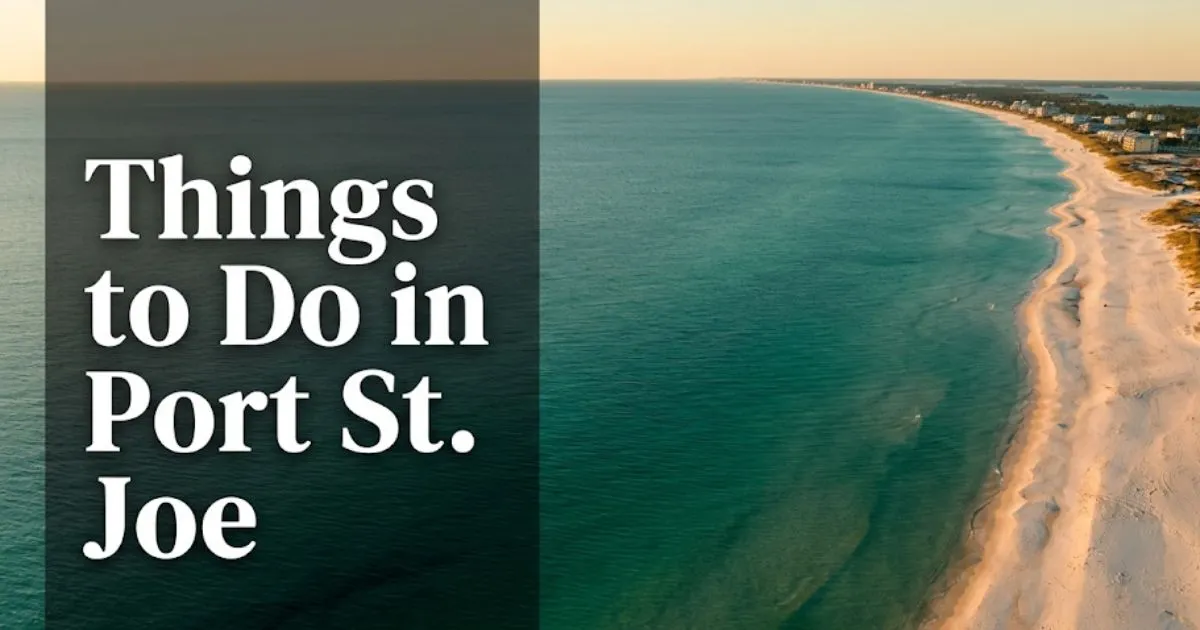
Port St. Joe’s beaches consistently deliver Gulf Coast conditions with a fraction of the crowds found at nearby resort towns.
St. Joe Beach on the Gulf-facing side of Cape San Blas offers the white-sand, clear-water experience most visitors associate with the Florida Panhandle. Water temperatures typically reach swimmable warmth by late April and stay warm through October.
Access to the beach along Cape San Blas is largely free at public access points. The state park charges an entry fee (approximately $4 to $6 per vehicle as of recent years; verify current rates with Florida State Parks before visiting).
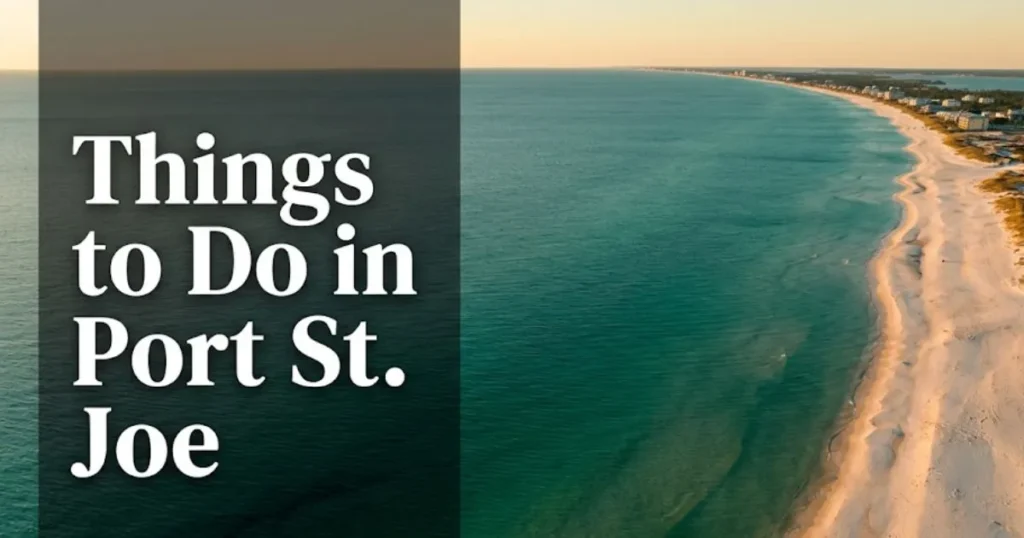
Families find the Gulf beach at Cape San Blas suitable for children of most ages, though rip currents can develop. Always check posted flags before entering. The bay side is calmer and more appropriate for very young children.
Summer weekends in July and August bring the heaviest crowds. Late May and September offer nearly identical weather with dramatically fewer visitors.
The local alternative to the main Gulf beach is the bay side of Cape San Blas, accessed via unmarked pull-offs on State Road 30-E. You can often have an entire stretch of beach to yourself.
| Beach Type | Best For | Cost | Crowd Level | Note |
|---|---|---|---|---|
| Gulf-facing Cape San Blas | Swimming, sunbathing | Free to low entry | Moderate summer | Rip current risk possible |
| Bay side Cape San Blas | Calm water, snorkeling | Free | Low year-round | Seagrass beds present |
| State Park Gulf Beach | Full-day experience | ~$4-$6/vehicle | Moderate-high July-Aug | Facilities available |
| St. Joe Beach town area | Casual access | Free | Low-moderate | Fewer facilities |
Seniors and accessibility travelers: The beach terrain is primarily soft sand with limited paved access. Beach wheelchairs may be available through Gulf County programs; verify availability directly before visiting.
T.H. Stone Memorial St. Joseph Peninsula State Park
T.H. Stone Memorial St. Joseph Peninsula State Park is the primary natural anchor of Port St. Joe and one of the best state parks in Florida’s entire Gulf coast system.
The park occupies the northern tip of Cape San Blas and protects over 2,500 acres of coastal scrub, tidal marsh, and Gulf beach. Florida State Parks identifies it as critical habitat for migratory shorebirds and nesting sea turtles from May through October.
Entry runs approximately $4 to $6 per vehicle (verify with Florida State Parks for 2026 rates). The park has picnic facilities, a boat launch into St. Joseph Bay, primitive cabins, and a campground.
Campers should reserve sites through Reserve America well in advance, especially for summer weekends. The eight primitive cabins book months out during peak season.
Spring and fall are the park’s finest seasons. Migrating raptors pass through in October. Spring brings shorebird nesting and some of the best birdwatching in the Florida Panhandle.
Most visitors only walk the main Gulf beach. The bayside trail system that runs through the coastal scrub on the bay side sees far fewer visitors and offers the best wildlife viewing in the park.
Insider Tip:
- Enter the park early during summer. The parking lot fills by mid-morning on peak weekends, and the gate closes until spaces open.
- The bayside kayak launch inside the park is the best access point for exploring the seagrass beds. Bring your own kayak or rent in town before arriving.
- Seniors should note that the park terrain is soft sand throughout, with no paved interior paths beyond the main road.
Cape San Blas Things to Do
Cape San Blas is a narrow barrier peninsula extending roughly 20 miles into the Gulf, offering the most concentrated collection of outdoor activities within easy reach of Port St. Joe.
The cape holds both Gulf-facing beaches and calm bay shorelines within a strip rarely more than a mile wide. That compact geography makes it one of the most activity-dense stretches on the entire Forgotten Coast.
Driving the length of State Road 30-E from the base of the cape to the state park entrance takes about 30 minutes. That drive passes public beach accesses, kayak launch points, and several vacation rental communities.
The Cape San Blas Lighthouse is located at the base of the cape near Port St. Joe proper. The current structure dates to 1903. It is one of the few surviving screw-pile lighthouses in Florida; check with Gulf County tourism for current access and tour hours, as conditions vary.
Budget travelers will appreciate that the majority of cape activities cost little beyond state park entry. Public beach accesses along the cape are free.
Horseback riding on the beach is available through private outfitters based at Cape San Blas. Rates and availability change seasonally; verify directly with operators before planning around this activity.
- Public kayak and paddleboard launch points along State Road 30-E (bay side)
- Gulf beach swimming and shelling at public access pull-offs
- Cape San Blas Lighthouse (verify access and tour schedule before visiting)
- Sunset watching from the bay side anywhere along the cape
- Wildlife spotting: ospreys, shore birds, and occasional dolphin from the bay side shore
Couples find the sunset bay side of the cape one of the most genuinely romantic free experiences in the Florida Panhandle. The combination of still water, dolphin activity, and low development creates an atmosphere that resort areas cannot manufacture.
Key Takeaway: Arrive at T.H. Stone State Park before 9 a.m. on summer weekends or the parking lot fills. The bay side trail sees a fraction of Gulf beach crowds.
Port St. Joe Kayaking and Water Sports
Kayaking St. Joseph Bay is the single best way to experience the ecology that makes Port St. Joe genuinely different from any other Gulf Coast Florida town.
The bay’s seagrass beds are among the most intact in the Gulf of Mexico. Paddling over them in clear, shallow water, you’ll see sea turtles, rays, juvenile fish, and in summer, scallops visibly scattered across the bottom.
Kayak and paddleboard rentals are available from several small outfitters in Port St. Joe and along Cape San Blas. Rates run approximately $30 to $60 for a half-day rental as of recent years; verify directly with operators for 2026 pricing.
The bayside launch inside T.H. Stone State Park puts paddlers directly into the most ecologically rich section of the bay. Launching from town means a longer paddle to reach the seagrass beds.
Solo travelers and experienced paddlers should note that afternoon wind on St. Joseph Bay can build quickly. Morning launches are always preferable.
Families with young children should use the calmer, shallower bay-side access points along State Road 30-E rather than launching from the state park, where water depth and current increase.
Snorkeling in the bay is also viable, particularly over the seagrass beds. Visibility is best in late spring and early fall when water clarity peaks.
| Activity | Best Launch Point | Skill Level | Best Season | Cost Range |
|---|---|---|---|---|
| Bay kayaking | State Park bayside or SR-30E pull-offs | Beginner-Intermediate | April-October | $30-$60 rental |
| Paddleboarding | Bay-side SR-30E access | Beginner | May-September | $30-$55 rental |
| Snorkeling bay | Bay side shallow areas | Beginner | May-October | Free (bring own gear) |
| Gulf kayaking | State Park Gulf beach | Intermediate | April-May, Sept-Oct | $40-$65 rental |
Seniors and accessibility travelers: Sit-on-top kayak designs are easier for those with limited mobility. Discuss equipment options directly with rental operators when booking.
Port St. Joe Scalloping Season
Bay scalloping in St. Joseph Bay is one of the most genuinely distinctive activities on the entire Florida Gulf Coast and the primary reason many experienced travelers plan their Port St. Joe trip specifically around the summer season.
The Florida Fish and Wildlife Conservation Commission (FWC) sets the bay scallop season dates annually, typically opening in this region in July and running through late September. Verify the exact 2026 season dates directly with FWC before planning your trip around this activity.
Scalloping requires a valid Florida saltwater fishing license (purchase online through FWC). Bag limits and equipment regulations apply; confirm current limits with FWC for 2026.
The activity itself is accessible to almost anyone who can swim and snorkel. Scallops rest visibly on the seagrass beds in shallow water. Children old enough to snorkel can participate actively.
Families consistently rate bay scalloping as the single most memorable activity of a Port St. Joe trip. The shallowness of the productive areas means even modest swimmers participate comfortably.
The scalloping grounds in St. Joseph Bay are accessible by private boat, kayak, or chartered trip. Several local charter operators offer scalloping-specific trips; book well in advance during July and August, when peak season demand is high.
Insider Tip:
- Book scalloping charter trips at least four to six weeks in advance for July and August departures. The best operators fill early in the season.
- Bring a mesh bag for collecting, polarized sunglasses for spotting scallops on the bottom, and reef-safe sunscreen. Open water sun exposure on the bay is intense.
- Couples who want the experience without the charter cost can kayak with snorkel gear to the seagrass beds along the cape. Bring a cooler for the harvest.
Port St. Joe Fishing
Port St. Joe’s fishing scene draws anglers from across the Southeast, particularly for inshore species in St. Joseph Bay and nearshore Gulf access.
The bay holds year-round populations of flounder, redfish, and sheepshead. Seasonal species include Spanish mackerel, tripletail, and cobia in spring. The Gulf provides nearshore access to amberjack, king mackerel, and seasonal federal red snapper when the season is open.
Full-day and half-day charter fishing trips depart from the Port St. Joe Marina and other local launch points. Half-day inshore rates run approximately $400 to $700 for a group, though individual operators set their own pricing (verify current rates directly with charter companies).
Anglers traveling solo will find joining a shared charter more cost-effective. Ask operators about available shared trips when booking.
A valid Florida saltwater fishing license is required for fishing in the bay and Gulf. Purchase online through FWC before arriving. License requirements apply to anyone 16 and older.
Dead Lakes State Recreation Area, approximately 45 minutes north of Port St. Joe near Wewahitchka, offers freshwater fishing for bass, bream, and speckled perch. It is a genuinely overlooked option for anglers who want a break from saltwater fishing.
According to Visit Florida, Gulf County consistently produces trophy flounder catches, particularly in fall when flounder migrate through the bay passes.
Budget fishing options:
- Pier and shore fishing at public access points along the bay (free with license)
- Kayak fishing the seagrass beds (kayak rental cost applies)
- Dead Lakes freshwater fishing (state recreation area entry fee applies; verify)
- DIY wade fishing the bay flats at low tide
Key Takeaway: Book Port St. Joe fishing charters at least three to four weeks ahead for peak summer dates. The best inshore guides fill fast, especially for cobia season in April and May.
Port St. Joe Restaurants and Local Dining
Port St. Joe’s dining scene is deliberately small and strongly local. That means the seafood is exceptional and your options are limited. Plan accordingly.
Indian Pass Raw Bar, located at Indian Pass approximately 15 miles from Port St. Joe on County Road 30-B, is the most genuinely irreplaceable dining experience in the area. It operates out of a weathered building with no frills, serving oysters, shrimp, and fish in an atmosphere that has remained essentially unchanged for decades. It closes when it runs out of what it has. Arrive early.
The town’s Reid Avenue district holds most of the in-town dining options. Options include casual seafood spots, a bakery or two, and a handful of locally owned cafes. The selection is modest.
Budget travelers should expect that the most affordable dining comes from casual spots along Reid Avenue and from cooking vacation rental meals with fresh seafood purchased locally. The tourist markup at formal restaurants applies here as elsewhere.
Dinner reservations are advisable at any sit-down restaurant during summer weekends. Port St. Joe’s small dining scene means popular spots fill completely. Call ahead.
The honest assessment of Port St. Joe dining: Indian Pass Raw Bar is worth the drive and a 30-minute wait. The in-town options are decent but not destination dining. Most experienced repeat visitors cook a significant portion of their meals.
Insider Tip:
- Indian Pass Raw Bar is cash-preferred and closes without notice when supplies run short. Go for lunch rather than dinner to reduce the risk of it being closed.
- Local seafood markets near the marina occasionally sell fresh-caught shrimp and fish directly. Ask locally about current market access.
- Seniors and travelers with dietary restrictions should note that menu variety in town is genuinely limited. Consider this in meal planning before arriving.
Port St. Joe Historic Downtown
Port St. Joe’s historic Reid Avenue downtown district is compact, walkable, and genuinely unpretentious. It is not a curated shopping destination. It is a working small-town main street that happens to have good seafood and some interesting local shops.
The district’s most significant historical attraction is Constitution Convention Museum State Park, operated by the Florida Department of State. This is the site where Florida’s first state constitution was drafted in 1838. The museum is small but well-curated, covering early Florida territorial history in context that most visitors to the state never encounter.
Admission to the museum runs in the low single digits to free range in past years; verify current entry fees with Florida State Parks before visiting. The building is air-conditioned, making it a practical midday option during the peak summer heat.
Families with school-age children (roughly ages 8 and older) will find the constitutional history context accessible and interesting. Younger children will likely lose interest quickly. The visit runs approximately 45 minutes to an hour.
Solo travelers interested in Florida history will find this the most intellectually substantive stop in Port St. Joe. It is consistently undervisited relative to its actual quality.
The Reid Avenue district is best explored on foot in the morning or late afternoon. Midday in July and August brings heat and humidity that makes a walking tour uncomfortable.
- Constitution Convention Museum State Park (Florida Department of State site)
- Local boutiques and gift shops along Reid Avenue
- Seafood restaurants and casual cafes within walking distance
- Historic Old Florida architecture visible on and near Reid Avenue
- The working marina visible from the waterfront edge of downtown
Port St. Joe Wildlife and Shelling
St. Joseph Bay and the surrounding peninsula support some of the most varied coastal wildlife in Florida’s Gulf Coast system, much of it observable without leaving the shoreline.
Loggerhead sea turtles nest along the Gulf beaches of Cape San Blas from May through October. Nest markers appear along the beach. Do not disturb marked nests and avoid using artificial lights on the beach after dark during nesting season. The nesting beach protocol is managed cooperatively with Florida Fish and Wildlife Conservation Commission.
Bottlenose dolphins are regularly visible in St. Joseph Bay, particularly from the bay-side shoreline of the cape and from kayaks on the bay. Manatees also appear in the bay, especially in warmer months near the seagrass beds.
Shelling is productive along both the Gulf beach and the bay side. The bay side typically yields whole shells in better condition, including lightning whelks, sand dollars, and fighting conch. The Gulf side delivers more variety but fewer intact specimens.
Birdwatching at T.H. Stone State Park is genuinely exceptional during spring and fall migration. October in particular sees significant raptor movement. The park is recognized in Florida birding circuits as a premier migrant trap.
Seniors who want wildlife viewing without physical demands will find the bay-side shoreline pull-offs along State Road 30-E excellent. Dolphin and shorebird sightings require only walking to the water’s edge.
Insider Tip:
- The best shelling on the bay side is at low tide. Check local tide charts before planning a shelling walk.
- For turtle nesting, the Gulf County Sea Turtle Monitors group sometimes organizes supervised nest observation events. Check locally for 2026 programming.
- Bring binoculars for birdwatching at the state park. The coastal scrub habitat, not just the beach, holds the most interesting species during migration.
Key Takeaway: The bay side of Cape San Blas at low tide is where experienced visitors find the best shells and the most dolphin activity. Most tourists only look at the Gulf side.
Port St. Joe for Families and Couples
Port St. Joe works well for both families with children and couples, but the ideal experience differs significantly between these two groups.
For families: The combination of calm bay swimming, bay scalloping in summer, and T.H. Stone State Park creates a three-to-four-day itinerary that keeps children genuinely engaged. The bay’s shallow, clear water makes it one of the safest family swimming environments on the Gulf Coast. Children old enough to snorkel (generally age six and up) can participate in scalloping directly.
Families should plan for limited entertainment infrastructure. There are no amusement parks, water parks, or organized children’s programming. Port St. Joe rewards families who are comfortable with unstructured beach time and outdoor activities.
For couples: The sunset bay side of Cape San Blas, dolphin watching from a kayak, and dinner at Indian Pass Raw Bar create a romantic itinerary that feels genuinely local rather than packaged. The lack of crowds and commercial development contributes significantly to the intimate atmosphere.
Couples looking for nightlife will be disappointed. Port St. Joe’s evening scene is quiet. A sunset kayak followed by dinner and an early evening is the rhythm of this town.
| Experience | Families | Couples | Solo | Budget |
|---|---|---|---|---|
| Bay swimming | Excellent | Good | Good | Free |
| Scalloping | Excellent (summer) | Excellent | Good | $20-$60 charter share |
| Kayaking the bay | Good | Excellent | Excellent | $30-$60 rental |
| Sunset bay side | Good | Excellent | Good | Free |
| Constitution Museum | Good (older kids) | Moderate | Good | Low entry |
| State Park camping | Excellent | Excellent | Good | ~$20-$30/night |
Accessibility note for couples or families traveling with seniors: The terrain at most Port St. Joe activities involves soft sand and uneven surfaces. Beach wheelchairs and accessible paths are limited. Verify accessibility accommodations directly with the state park and any tour operators before booking.
Best Time to Visit Port St. Joe
The best time to visit Port St. Joe is late April through early June or September through mid-October, when weather is excellent and crowds are manageable.
Spring (April through May): Water temperatures warm to swimmable range by mid-April. The state park is at its best for birdwatching during spring migration. Lodging rates are below peak summer prices. Scalloping season has not yet opened, so this window suits travelers whose priority is beaches, kayaking, and fishing rather than scalloping.
Summer (June through August): Scalloping season opens (dates set annually by FWC; verify for 2026). Water is warm and clear. Peak season brings the highest crowds and highest lodging rates. Jellyfish can be present in the Gulf in July and August. Hurricane season runs June through November, with peak risk in August and September.
Fall (September through October): Many experienced visitors consider this the finest time of year. Crowds thin dramatically after Labor Day. Water stays warm through October. The state park offers exceptional birdwatching during October migration. Lodging rates drop.
Winter (November through March): Water is too cold for comfortable swimming. Many local businesses reduce hours or close seasonally (verify before visiting). This period suits only those specifically after winter fishing or a quiet nature escape. Temperatures can drop into the 40s at night.
The most common mistake: Visiting on a peak summer holiday weekend (Fourth of July, Labor Day) and expecting the uncrowded experience Port St. Joe is known for. State park parking fills, restaurants have waits, and lodging rates peak. Plan around those specific weekends if crowd avoidance is a priority.
Day Trips from Port St. Joe
Port St. Joe’s location on the Forgotten Coast puts two of Florida’s most interesting small towns within comfortable day-trip range.
Apalachicola sits approximately 35 miles east of Port St. Joe on US Highway 98. It is the more historically layered and culinarily developed of the two towns. The downtown grid holds genuine antique stores, a well-regarded oyster and seafood dining scene, and the Apalachicola National Estuarine Research Reserve visitor facilities. Apalachicola oysters are among the most recognized regional food products in Florida. The Apalachicola Seafood Grill and similar waterfront spots serve them raw, baked, and grilled. Allow a full day or a half-day for the town.
Mexico Beach, approximately 20 miles northwest of Port St. Joe on US Highway 98, has a different character. The town is still rebuilding from Hurricane Michael’s catastrophic 2018 landfall and remains quieter than pre-storm years. Its Gulf beach is wide and largely uncrowded. For travelers who want to understand the real impact of that storm on this coastal community, Mexico Beach offers context that Port St. Joe, which also sustained damage, has moved further past.
Dead Lakes State Recreation Area near Wewahitchka, approximately 45 minutes north, offers freshwater fishing and a landscape unlike anything on the coast.
- Apalachicola: 35 miles east on US-98, allow 4 to 8 hours
- Mexico Beach: 20 miles northwest on US-98, allow 2 to 4 hours
- Dead Lakes: 45 miles north near Wewahitchka, allow half a day
Budget travelers should note that Apalachicola has higher restaurant prices than Port St. Joe. Budget around $20 to $45 per person for a seafood lunch there as a general range.
Key Takeaway: Apalachicola is worth a full day, not a quick lunch stop. The historic district, oyster bars, and estuarine reserve together make it the most complete day trip from Port St. Joe.
Getting to and Around Port St. Joe
Getting to Port St. Joe requires a car. There are no exceptions to this rule.
The nearest major airport is Northwest Florida Beaches International Airport (ECP) near Panama City Beach, approximately 65 miles northwest. Drive time runs approximately 75 to 90 minutes depending on traffic and route. Tallahassee Regional Airport (TLH) is approximately 100 miles east, with a drive of roughly 1 hour and 45 minutes.
No rideshare service (Uber or Lyft) operates in Port St. Joe as of recent reporting. Verify before your trip, but plan as if you will need personal transportation for the entire visit. A rental car from ECP or TLH is the standard approach.
The main routes into Port St. Joe are US Highway 98 from both the east (from Apalachicola direction) and the northwest (from Panama City direction). State Road 30 and State Road 30-E run along Cape San Blas. GPS navigation works in town but degrades in reliability in the state park’s interior and along the northern cape.
Gas: Fill up in Port St. Joe before heading to Cape San Blas or the state park. Gas stations become scarce north of the cape’s midpoint.
Cell service: Significantly degraded along Cape San Blas north of the commercial area, and nearly absent in T.H. Stone State Park’s interior. Download offline maps through Google Maps or Maps.me before leaving reliable signal.
Seniors and accessibility travelers: The absence of rideshare service and the parking terrain at most natural sites (soft sand, unpaved lots) requires careful advance planning. Accessible parking exists at the state park; contact them directly to confirm current accessible facility availability.
Getting around locally requires a car for virtually everything. Some visitors bring bikes for navigating the cape’s limited-traffic roads.
Port St. Joe Weekend Itinerary
A two-day Port St. Joe itinerary works best when structured around the bay in the mornings and the Gulf in the afternoons, with the state park as the anchor activity on Day 1.
Day 1: The Peninsula
- Arrive at T.H. Stone Memorial St. Joseph Peninsula State Park at opening time. Walk the bayside trail before the day heats up.
- Use the state park’s bayside kayak launch for a mid-morning paddle over the seagrass beds. Aim for 1.5 to 2 hours on the water.
- Walk the Gulf beach from the day use area. This is the best shelling window, when foot traffic is still low.
- Picnic at the state park facilities. Bring food from your rental or from town.
- Drive south on State Road 30-E in the late afternoon. Stop at a bay-side pull-off to watch for dolphins and catch the sunset over the bay.
Day 2: Town, Dining, and Day Trip
- Start with coffee and breakfast along Reid Avenue in Port St. Joe’s downtown district.
- Visit Constitution Convention Museum State Park. Allow 45 to 60 minutes.
- Drive to Indian Pass Raw Bar for a late lunch (approximately 15 miles from town on County Road 30-B). Arrive no later than noon on busy days.
- Continue east on County Road 30-B to Indian Pass itself for a short walk and bay view.
- Optional: Continue east to Apalachicola for late afternoon, or return to Cape San Blas for an evening sunset from the bay side.
For scalloping season visitors (July through September): Replace the Day 1 kayak paddle with a morning scalloping charter or a self-guided snorkel trip to the seagrass beds. This is the highest-priority activity of any summer Port St. Joe trip.
For anglers: Replace Day 2 afternoon with an afternoon inshore fishing charter departing from the Port St. Joe Marina.
Safety and Practical Warnings for Port St. Joe
Port St. Joe is a genuinely low-risk destination, but several specific practical hazards require awareness before your trip.
Key safety and practical facts every visitor should know:
- Hurricane season runs June through November, with peak risk in August and September. Monitor the National Hurricane Center actively during these months. Have a clear evacuation plan before any coastal Florida trip in this window.
- Rip currents form on Gulf-facing beaches along Cape San Blas. Always check posted beach flags. Red flags mean no swimming. Double red means the beach is closed to swimmers. Never ignore flag warnings.
- Jellyfish presence increases in July and August in Gulf waters near Port St. Joe. Stings are typically painful but not dangerous for healthy adults. Bring a first aid kit with antihistamine cream.
- Cell service is unreliable or absent along northern Cape San Blas and inside T.H. Stone State Park. Download offline maps before leaving reliable signal. Tell someone your itinerary if hiking or kayaking in remote sections.
- No emergency medical facilities are in Port St. Joe proper. The nearest hospital-level care is in Panama City. Know the route and drive time before you need it (roughly 65 miles).
- Sun exposure on the open bay is intense, with no shade and water reflection amplifying UV exposure. Apply SPF 50 sunscreen before any water activity and reapply every 90 minutes.
- Scalloping and fishing require valid Florida licenses, available online through FWC. Operating without one results in fines.
- Wildlife interactions: Do not approach nesting sea turtles, nest markers, or any wildlife on state park land. Bold: Report any damaged or disturbed nest to Florida Fish and Wildlife Conservation Commission immediately.
In a genuine emergency on the water, the US Coast Guard Sector Key West covers this region. VHF marine radio Channel 16 is the standard emergency contact channel for boaters.
Frequently Asked Questions About Things to Do in Port St. Joe
What is Port St. Joe, Florida known for?
Port St. Joe is known for bay scalloping in St. Joseph Bay, clear Gulf beaches on Cape San Blas, and exceptional inshore fishing along the Forgotten Coast.
The town is also recognized for T.H. Stone Memorial St. Joseph Peninsula State Park, one of the highest-rated state parks in Florida’s Gulf system.
It is specifically known as one of the most undeveloped and genuinely quiet Gulf Coast destinations in the state, a direct contrast to the resort-heavy corridors at Destin and Panama City Beach.
When is the best time to visit Port St. Joe, Florida?
The best time to visit Port St. Joe is April through early June or September through mid-October.
These windows offer warm weather, comfortable water temperatures, manageable crowd levels, and lower lodging rates compared to peak summer.
Travelers specifically coming for bay scalloping should plan for July through September, when the season is typically open (verify exact 2026 dates with the Florida Fish and Wildlife Conservation Commission before booking).
Is Port St. Joe good for families with young children?
Port St. Joe is well-suited for families with children who enjoy beach and water activities.
St. Joseph Bay’s calm, shallow water is particularly safe for young swimmers, and bay scalloping in summer is an activity that children old enough to snorkel can participate in directly.
Families should understand that there is no amusement infrastructure, no water parks, and limited organized children’s programming. The destination rewards families comfortable with unstructured outdoor time.
How far is Port St. Joe from Panama City Beach?
Port St. Joe is approximately 55 to 65 miles southeast of Panama City Beach via US Highway 98.
Drive time is typically 60 to 80 minutes depending on traffic and the specific route taken through Panama City.
This makes Panama City Beach or the Northwest Florida Beaches International Airport (ECP) the most practical fly-drive gateway for most visitors to Port St. Joe.
Can you snorkel in Port St. Joe?
Yes, snorkeling in St. Joseph Bay is one of the most productive and accessible snorkeling experiences on Florida’s Gulf Coast.
The bay’s seagrass beds in shallow water offer visibility of sea turtles, rays, scallops (in season), and juvenile fish species without requiring deep-water access.
The bay side of Cape San Blas, accessible from multiple pull-offs along State Road 30-E, is the best starting point for snorkelers of all experience levels.
Do you need a car to get around Port St. Joe?
Yes, a personal vehicle is essential for visiting Port St. Joe.
No rideshare service (Uber or Lyft) operates in the area as of recent reporting, and public transportation does not serve the town or Cape San Blas.
Rent a car from either Northwest Florida Beaches International Airport (ECP) or Tallahassee Regional Airport (TLH) before making the drive to Port St. Joe.
Plan Your Port St. Joe Trip
Port St. Joe rewards travelers who arrive without the expectation of resort infrastructure and leave with a clear understanding of what this coastline is.
Book your state park campsite or vacation rental on Cape San Blas well in advance of summer dates, particularly if your trip overlaps with scalloping season. The state park cabins at T.H. Stone book months ahead. Verify scalloping season dates with FWC, fishing license requirements, and state park fees directly before departure, as all of these change annually.
Travel conditions, operating hours, and access details throughout Port St. Joe and Gulf County change. Confirm key logistics with the Gulf County Tourist Development Council and Florida State Parks before your trip. The traveler who spends 20 minutes on pre-trip verification saves hours of frustration on arrival