Top Things To Do in Puerto Rico: Your 2026 Island Guide

Puerto Rico packs more geographic and cultural variety into 100 miles of island than most Caribbean destinations deliver across an entire archipelago, which is exactly why the things to do in Puerto Rico span from colonial fortresses and bioluminescent bays to world-class surf breaks and some of the most genuinely delicious street food in the Western Hemisphere. The island rewards travelers who push beyond San Juan’s northeastern corner, but it also offers enough within the capital city alone to justify a five-day trip without leaving.
As a US territory, Puerto Rico requires no passport for American citizens and no currency exchange, while delivering an experience that feels distinctly Caribbean and specifically Puerto Rican rather than an extension of mainland domestic travel. According to the Puerto Rico Tourism Company, the island welcomed over 5 million visitors in recent years, a number that underscores both the destination’s popularity and the importance of planning logistics carefully, particularly for sought-after experiences like Culebra’s beaches and Vieques’s bioluminescent bay.
This guide covers the island’s actual character across its distinct regions, the beaches that earn their reputation and those that do not, the practical logistics most travel content skips over, honest seasonal guidance, and a framework for structuring a real trip whether you have five days or ten.
Things to Do in Puerto Rico: What the Island Actually Delivers
Puerto Rico is not one destination. It is at least five, stacked into an island the size of Connecticut, and treating it as a single monolithic experience is the planning mistake that produces mediocre trips.
San Juan is a Caribbean capital city with a colonial historic district, a thriving arts scene in Santurce, beach resort infrastructure along Condado and Isla Verde, and a food culture that requires no apology to anyone. The northeastern corner of the island holds El Yunque National Forest, the only tropical rainforest in the US National Forest System. The offshore islands of Culebra and Vieques to the east offer beaches and marine environments that belong on any serious list of the Caribbean’s best. The western coast, anchored by Rincón, is a genuine surf town with laid-back energy completely unlike San Juan. The south holds Ponce, a colonial city whose architectural legacy rivals Old San Juan’s and whose tourist infrastructure is a fraction of the northern coast’s.
Understanding this geography before you plan determines how much of the island you actually experience. Most first-time visitors stay entirely in the San Juan metro area and north coast, which is fine for a long weekend but leaves the island’s most extraordinary experiences out of reach.
Puerto Rico is also a year-round destination for US domestic travelers precisely because no passport, international roaming plan, or currency exchange is required. What that convenience does not change: the Atlantic hurricane season runs June through November, with peak risk in August through October.
Traveler Profile Note: Budget travelers and solo travelers will find San Juan genuinely manageable without a car, using rideshares and limited public transit. Anyone planning to reach El Yunque, Ponce, Rincón, or the ferry terminals at Ceiba needs a rental car, full stop.
| Region | Character | Best For | Signature Experience |
|---|---|---|---|
| San Juan (Old San Juan, Condado, Santurce) | Colonial city, beach resort, arts district | First-timers, couples, culture travelers | El Morro at sunset, La Placita nightlife |
| Northeast (Luquillo, El Yunque, Fajardo) | Rainforest, beach, ferry launch point | Families, outdoor travelers | El Yunque hiking, Luquillo kiosks |
| Culebra and Vieques | Offshore island paradise | Couples, beach purists, snorkelers | Flamenco Beach, Mosquito Bay |
| Western Coast (Rincón, Cabo Rojo) | Surf town, cliffs, dry forest | Surfers, couples, adventurers | Surf breaks, Cabo Rojo Lighthouse |
| Southern Coast (Ponce, Guánica) | Colonial city, dry forest, uncrowded beaches | Culture travelers, repeat visitors | Ponce architecture, Guánica dry forest |
Best Things to Do in Puerto Rico for First-Time Visitors
The best things to do in Puerto Rico for a first-time visitor cover three non-negotiables: Old San Juan’s historic forts, at least one of the island’s bioluminescent bays, and a beach that goes beyond the hotel-fronted strips of Condado and Isla Verde.
First-timers frequently make the itinerary error of staying in San Juan for the entire trip, drawn by the city’s genuine appeal but missing the island’s most irreplaceable experiences. Castillo San Felipe del Morro (El Morro) and Castillo San Cristóbal are the starting point because they are genuinely extraordinary: 16th-century Spanish colonial fortifications perched on ocean-facing headlands whose views across the Atlantic require no hyperbole to describe. Plan two to three hours for both, and allow time to walk the grass esplanade between them in the late afternoon when the light is best.
The bioluminescent bay experience belongs on a first trip but requires choosing the right one. Mosquito Bay on Vieques is considered by many marine biologists to have the highest concentration of bioluminescent dinoflagellates in the world, but reaching Vieques requires a ferry or charter flight from Ceiba, on Puerto Rico’s eastern coast. Laguna Grande in Fajardo is closer to San Juan and serves first-timers well, though it is noticeably less brilliant than Mosquito Bay. More on this in the dedicated bioluminescent bay section.
For beaches, first-timers should push past Condado and Isla Verde, pleasant as they are, toward Luquillo Beach on the northeastern coast, which combines natural beauty with food kiosks selling freshly fried alcapurrias and empanadillas directly from the vendors behind the beach. It is the closest thing Puerto Rico has to a perfect first-beach experience: beautiful, accessible, culturally specific, and framed by the mountains of El Yunque just inland.
Best for families on a first trip: The Luquillo-El Yunque-Old San Juan combination covers history, nature, beach, and food in a compact northeastern circuit that does not require extensive driving. Best for couples on a first trip: Add a Vieques overnight or a Fajardo bioluminescent bay kayak tour to that same base.
Top Things to Do in Puerto Rico, San Juan: The City Beyond the Tourist Strip
San Juan offers a genuinely layered urban experience that extends well past the fortified walls of Old San Juan and the resort-lined shore of Condado, and most visitors never find the other layers.
Santurce is where San Juan’s contemporary identity lives. This neighborhood, directly south of Condado, contains the Museo de Arte de Puerto Rico (one of the most significant art museums in the Caribbean, with a permanent collection covering five centuries of Puerto Rican art), the Mercado de Santurce (a covered market operating most weekend mornings with local produce, street food, and artisan vendors), and La Placita de Santurce, a plaza surrounded by bars and restaurants that becomes an outdoor block party on Thursday and Friday evenings. This is where San Juan residents actually go on a weekend night, not the tourist-heavy restaurant corridor in Condado.
The Condado neighborhood, San Juan’s main hotel and beach strip, serves tourists well: the beach is attractive, the restaurants are reliable, and the walkability is good. But Condado functions as an urban resort district, not a neighborhood with genuine local character. It is a comfortable base, not a destination in itself.
Miramar, between Condado and Santurce, has emerged in recent years as a genuinely interesting dining and drinking neighborhood, with a concentration of chef-driven restaurants in a residential context that feels nothing like the tourist-facing dining scene on Ashford Avenue in Condado.
According to the Puerto Rico Tourism Company, San Juan consistently ranks as the most-visited destination in the Caribbean for US travelers, which means the most popular experiences (sunset at El Morro, walking the blue cobblestones of Old San Juan, rooftop bars in Condado) are also the most crowded. Visiting El Morro at opening time, before 10 a.m., is the single most effective way to experience it without shoulder-to-shoulder crowds.
Solo travelers will find San Juan among the most solo-friendly Caribbean cities: walkable in its main districts, with a dense enough restaurant and bar scene to feel comfortable eating and drinking alone, and a rideshare infrastructure that makes getting around without a car genuinely feasible within the metro area.
Things to Do in Old San Juan: Forts, Color, and Caribbean History
Old San Juan is one of the best-preserved Spanish colonial cities in the Western Hemisphere, and the walking experience of its seven square blocks of colorful buildings, blue cobblestone streets, and 16th-century military architecture is genuinely distinct from anything else in the Caribbean or the continental United States.
The National Park Service manages both Castillo San Felipe del Morro and Castillo San Cristóbal, and admission covers both forts. El Morro, the older and more dramatically sited fortress, sits at the northwestern tip of the old city on a promontory 140 feet above the Atlantic Ocean. The views from its upper ramparts across the harbor entrance and coastline are among the most striking in the Caribbean. Castillo San Cristóbal, at the opposite (eastern) end of Old San Juan, is actually the larger fortification and contains an extensive network of tunnels, moats, and outworks that El Morro lacks. Allow at least 90 minutes for each fort, more if you plan to read the interpretive materials thoroughly.
La Fortaleza, the current official residence of Puerto Rico’s governor, is the oldest executive mansion still in use in the Western Hemisphere (construction began in 1533). Guided tours of the interior are typically available on weekdays; verify current tour schedule directly with the official La Fortaleza office before visiting, as availability varies.
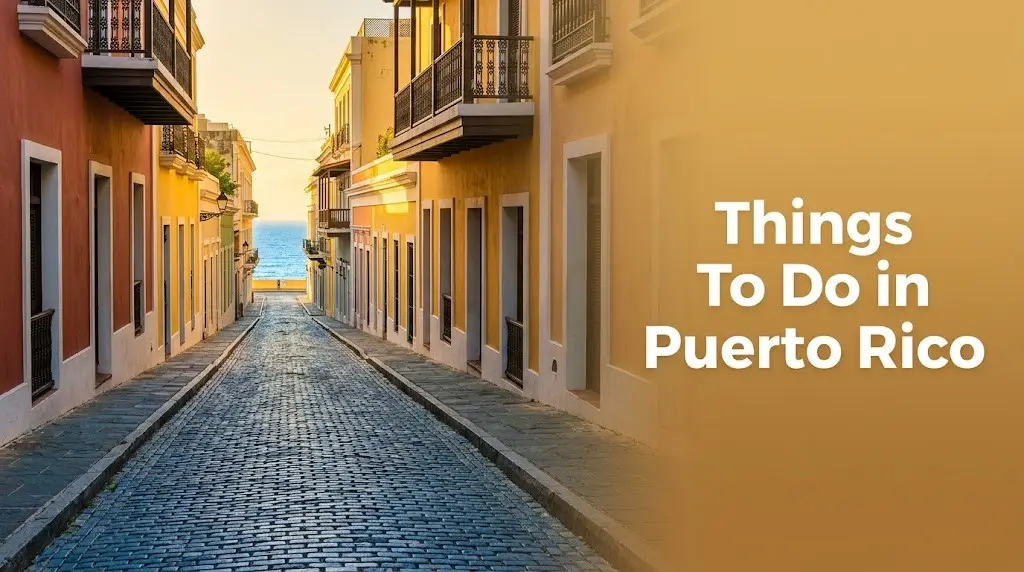
The walking experience between the forts along the old city wall, through Paseo del Morro (the grass esplanade) and down Calle del Cristo and Calle Fortaleza into the commercial and dining heart of Old San Juan, is the backbone of any Old San Juan visit. The city’s most photographed alley, Callejón de las Monjas, sits just below El Morro and delivers the blue-cobblestone colonial color palette that defines Old San Juan’s visual identity.
Accessibility note for seniors and mobility-limited travelers: Old San Juan’s blue cobblestones are beautiful and genuinely uneven. Wheeled luggage and mobility aids navigate them with difficulty. The terrain between El Morro and the commercial district involves multiple staircases and steep inclines. The National Park Service areas at both forts are more accessible than the city streets themselves.
Insider Tip:
- The free trolley service connecting Old San Juan’s main districts to the cruise ship piers runs through the old city and provides a legitimate alternative to walking the full circuit, particularly useful in midday heat.
- La Factoría on Calle San Sebastián is the bar that locals and returning visitors consistently identify as the best bar in Old San Juan: a multi-room speakeasy-style building where each interior room has a different bar and cocktail menu, operating well into the early morning on weekends.
- Couples will find Old San Juan particularly suited to an early evening walk: the light on the pastel buildings after 5 p.m. and before the cruise ship dinner crowds peak creates a genuinely atmospheric street experience.
Best Beaches in Puerto Rico: Which Ones Actually Earn the Trip
Puerto Rico has more than 270 miles of coastline, and the quality, character, and crowd level of its beaches vary enormously. The most famous is not always the best, and several of the island’s genuinely finest beaches require logistical effort that weeds out casual visitors.
Flamenco Beach on Culebra appears consistently on lists of the world’s best beaches, and the designation is earned: a one-mile horseshoe of fine white sand fronting turquoise water in a protected cove, backed by hills rather than hotels. Its continued reputation depends on reaching Culebra by ferry from Ceiba or charter flight, then taking a local taxi from the ferry dock to the beach. The logistics are real but manageable (details in the Culebra section).
Sun Bay Beach on Vieques offers a similar experience: a long, undeveloped, government-protected beach (it falls within the Vieques National Wildlife Refuge, managed by the US Fish and Wildlife Service) with calm water and minimal crowds compared to any beach accessible by car from San Juan.
On the main island, Luquillo Beach is the genuinely excellent public beach within easy reach of San Juan: clean, wide, fringed with palm trees, and backed by the food kiosk corridor that makes it culturally specific in a way no resort beach can replicate. Playa Sucia (La Playuela) near Cabo Rojo on the southwestern coast requires a drive on a rough dirt road but delivers a strikingly beautiful beach flanked by white salt flats and towering limestone cliffs. It is one of the most visually distinctive beaches on the island.
| Beach | Location | Best For | Crowd Level | Key Practical Note |
|---|---|---|---|---|
| Flamenco Beach | Culebra island | Beach purists, snorkelers, couples | Moderate (ferry filters casual visitors) | Ferry from Ceiba; book in advance in peak season |
| Sun Bay (Balneario Sun Bay) | Vieques island | Couples, families, nature travelers | Low to moderate | Within Wildlife Refuge; minimal facilities |
| Luquillo Beach | NE coast, 30 min from SJU | Families, first-timers, food lovers | Moderate to high weekends | Food kiosk corridor; lifeguards present |
| Playa Sucia (La Playuela) | Cabo Rojo, SW coast | Couples, adventurers, photographers | Low | Rough access road; stunning cliff backdrop |
| Condado Beach | San Juan metro | Urban beachgoers, convenience-seekers | High | Convenient but not Puerto Rico’s best beach |
| Carlos Rosario Beach | Culebra island | Snorkelers, couples | Low | No facilities; some of the island’s best coral reef |
Key Takeaway: The beaches that define Puerto Rico’s reputation at the highest level, Flamenco and Sun Bay, require leaving the main island. Build that logistics into your planning early, not as an afterthought on day four.
El Yunque Rainforest Puerto Rico: What to Know Before You Go
El Yunque National Forest is the only tropical rainforest in the US National Forest System, covering approximately 28,000 acres in the Sierra de Luquillo mountains of Puerto Rico’s northeastern corner, and it is worth every traveler’s time who can manage moderate physical activity.
The forest receives significant annual rainfall (it is a rainforest), which means trails can be slippery, afternoon showers are common even on otherwise clear days, and waterproof footwear or trail shoes with grip are not optional. The most popular trail, La Mina Trail, descends to a natural waterfall and swimming hole and involves a moderately steep descent and return climb. Plan 90 minutes to two hours round trip. Big Tree Trail connects to La Mina and covers old-growth forest with some of the most impressive tree canopy in the park. More experienced hikers can attempt El Toro Trail, which reaches the highest peak in the forest and involves a full-day commitment with genuine scrambling on the upper section.
The National Park Service manages timed-entry reservations for El Yunque. As of recent years, this system requires booking a specific entry window in advance through the official recreation.gov platform. Do not show up without a reservation during peak season expecting to enter. The permit system has become standard practice for the park. Verify the current reservation requirements directly with the National Park Service or through the official recreation.gov system before your travel dates, as policies can be updated.
El Yunque is approximately 45 minutes to one hour east of San Juan via PR-3. Traffic can extend this significantly during weekend morning rush toward the park. Arriving at your reserved entry window early, not at the last possible moment, is strongly advisable.
Families with children will find the La Mina waterfall trail genuinely well-suited for children over 6 who can manage moderate terrain. The trail is popular specifically because the payoff (a swimming waterfall) is tangible and immediate for young visitors. The Yokahu Tower, an observation tower accessible without a permit within the forest’s El Portal visitor area, gives a clear canopy-level view of the forest without trail hiking and suits families with very young children better than the trail network.
Insider Tip:
- The afternoon thunderstorm pattern in El Yunque is real and predictable. Plan to enter the forest at opening time, complete your hiking by midday, and leave before the afternoon rainfall arrives. Hiking in El Yunque rain is possible but the trails become significantly more slippery and the forest atmosphere shifts dramatically.
- The visitor center at El Portal contains the best interpretive materials about the forest’s ecology and is often skipped by visitors who drive straight to the trailhead parking.
- Seniors and travelers with limited mobility should note that even the “easier” trails in El Yunque involve uneven terrain, tree roots, and wet stone surfaces. The Yokahu Tower observation point and the visitor center area offer accessible alternatives.
Bioluminescent Bay Puerto Rico: The Experience and How to Do It Right
Puerto Rico has three bioluminescent bays, and Mosquito Bay on Vieques is considered by many marine biologists to be the brightest bioluminescent bay in the world, containing a concentration of dinoflagellates (microorganisms that emit light when disturbed) that creates a genuinely extraordinary visual experience on moonless nights.
The glow effect, water that lights up electric blue-green with every paddle stroke, fish movement, or hand dip, is most vivid in complete darkness. This means the experience is dramatically better on nights close to the new moon than on nights close to the full moon. Planning your bioluminescent bay tour around the lunar calendar is not a minor scheduling preference; it is the difference between a genuinely memorable spectacle and a mild shimmer. The new moon dates for 2026 are publicly available through any lunar calendar resource. Book your tour for a night within three to four days of the new moon.
Kayak tours at Mosquito Bay on Vieques and Laguna Grande in Fajardo are the primary tour formats. Laguna Grande is accessible within about an hour from San Juan, making it the most logistically convenient option. Mosquito Bay requires reaching Vieques (ferry from Ceiba or charter flight), which adds cost and planning complexity but delivers a noticeably more intense bioluminescent experience.
La Parguera on the southwestern coast of the main island offers a third option: a boat tour through bioluminescent waters in a mangrove bay setting. The bioluminescence at La Parguera is generally considered less brilliant than either Mosquito Bay or Laguna Grande, but the boat tour format (as opposed to kayaking) makes it more accessible for travelers who are not comfortable in a kayak.
| Bioluminescent Site | Location | How to Get There | Tour Type | Brightness | Best For |
|---|---|---|---|---|---|
| Mosquito Bay | Vieques island | Ferry from Ceiba or charter flight | Kayak or electric boat | Highest | Couples, experience maximizers |
| Laguna Grande | Fajardo, NE coast | 1-hour drive from SJU | Kayak | Moderate to high | First-timers, those based in San Juan |
| La Parguera | SW coast (near Guánica) | 2+ hour drive from SJU | Boat tour | Moderate | Travelers with limited kayak comfort |
Book bioluminescent bay tours through a licensed local operator well in advance, particularly for peak season (December through April) and around holiday weekends. Tour spots are limited and this experience is one of Puerto Rico’s most-sought. Verify operator licensing and environmental compliance before booking; responsible operators use non-motorized or electric kayaks to protect the dinoflagellate population.
Key Takeaway: Plan your bioluminescent bay visit around the new moon calendar. The lunar phase is the single most important variable determining the quality of the experience, and it is entirely plannable.
Things to Do in Puerto Rico for Couples
Puerto Rico works exceptionally well for couples, combining the romantic atmosphere of a colonial city, genuinely special private beach experiences, and a food and nightlife culture that suits date-night pacing far better than most Caribbean destinations.
The clearest itinerary structure for couples: two nights in Old San Juan, one night in a beachside property in Condado or Isla Verde, then a move to Vieques or Culebra for two nights to access both the bioluminescent bay and Flamenco or Sun Bay beaches. This sequence delivers the historic city atmosphere, the urban beach experience, and the small-island Caribbean feel in one logical arc without backtracking.
In Old San Juan, couples benefit from the neighborhood’s natural pacing: lingering dinners at restaurants along Calle del Cristo, evening cocktails on rooftop bars overlooking the bay (the rooftop at Hotel El Convento, a converted 17th-century Carmelite convent, is the most historically resonant option in the city), and the early morning fort visit before crowds arrive. Sunset from the El Morro grounds, when the sky behind the lighthouse turns orange-pink over the Atlantic, is one of those experiences that sounds clichéd until you are actually standing there watching it.
The western coast of Puerto Rico adds a different couples dimension. Rincón is a surf and yoga town with boutique guesthouses, cliffside sunset bars, and a slow, relaxed atmosphere that contrasts with San Juan’s city energy. From December through March, humpback whale watching boat tours operate from Rincón, as this stretch of water between Puerto Rico and the Dominican Republic (Mona Passage) is a primary Atlantic humpback whale breeding ground. This is one of Puerto Rico’s genuinely unique and undersold experiences.
Couples on a budget can replicate much of the romantic Puerto Rico experience by concentrating on Old San Juan (free walking experience), Luquillo beach days (low-cost), and a Laguna Grande bioluminescent bay tour from Fajardo (more affordable than Vieques) rather than the full Vieques ferry-and-overnight itinerary.
Fun Things to Do in Puerto Rico with Kids
Puerto Rico is genuinely family-friendly, but the ease of any given experience with children depends significantly on the ages of the children and how much driving logistics the parents are willing to manage.
For families with children ages 5 through 12, the Luquillo Beach and El Yunque combination in one day is the most efficient family experience on the island. The beach at Luquillo has calm water, shade trees, and lifeguards on weekends. The food kiosk row behind the beach, called the Luquillo Kiosks, sells piraguas (shaved ice with tropical fruit syrups), fresh coconut water, and fried street food that children reliably love. El Yunque’s La Mina Trail, completed in the morning before the afternoon rains arrive, delivers a waterfall swimming experience that requires no hard sell to children.
Parque de las Cavernas del Río Camuy (the Río Camuy Cave Park), on the northwestern coast about 90 minutes from San Juan, contains one of the largest cave systems in the Western Hemisphere. The guided tour through the main cave chamber and sinkhole is conducted via a tram-assisted route that does not require extensive physical activity, making it genuinely accessible for families with younger children. Verify tour operating hours and reservation requirements before visiting, as the park has had periods of reduced operation due to maintenance and renovation.
The Bacardí Distillery (Casa Bacardí) in Cataño, across the bay from Old San Juan and reachable by a short ferry ride from the old city waterfront, runs family-oriented tours of the production facility alongside the adult rum-tasting experience. Children find the ferry ride and the production tour engaging even without the tasting component. The ferry from Pier 2 in Old San Juan to Cataño is one of the most affordable transportation experiences in Puerto Rico and worth taking specifically for the water-level view of the old city walls.
Families with teenagers should consider adding a snorkeling day in Culebra, where Carlos Rosario Beach offers coral reef snorkeling accessible directly from the beach without a boat, one of the best shore-snorkeling sites in the entire Caribbean.
Key Takeaway: For families, structure activities by region and morning versus afternoon: beaches and outdoor activity in the morning before heat peaks, cultural and shaded experiences (forts, caves, distillery) in the midday hours, and evening food exploration in the kiosk areas or Old San Juan after 5 p.m.
Unique Things to Do in Puerto Rico Most Visitors Miss
The Bosque Estatal de Guánica (Guánica Dry Forest) on Puerto Rico’s southwestern coast is a UNESCO Biosphere Reserve containing one of the world’s best-preserved subtropical dry coastal forests, and the overwhelming majority of Puerto Rico visitors have never heard of it.
Unlike El Yunque’s dramatic tropical green, Guánica’s dry forest is stark, spare, and extraordinary in a completely different register: twisted trees, limestone karst formations, endemic bird species, and hidden beaches (Playa Tamarindo and Playa Jaboncillo) accessible via short hikes through the forest that are among Puerto Rico’s most pristine and least-crowded. The forest receives a fraction of El Yunque’s visitor traffic.
The Ruta Panorámica, Puerto Rico’s mountain highway, runs the length of the Cordillera Central mountain range from Maunabo on the east coast to Mayagüez on the west. Driving sections of it is not a conventional tourist itinerary item but constitutes one of the most distinctly Puerto Rican landscape experiences available: small mountain towns, roadside lechón (roasted pig) stands in Guavate that operate as a local institution on weekends, and views across the island from the central peaks that frame the destination in a way no beach or fort does.
Hacienda Buena Vista, near Ponce, is a 19th-century coffee hacienda preserved and operated by the Conservation Trust of Puerto Rico as a working museum of the island’s pre-industrial coffee culture. Guided tours (advance reservations typically required) demonstrate the hacienda’s original hydraulic milling machinery still in working condition. It is one of the most carefully realized heritage experiences on the island and almost entirely absent from mainstream travel content.
Puerto Rico’s bioluminescent kayak tours are well-known. Less known: some tour operators in Fajardo offer early-morning mangrove kayak tours through the marine reserve without the bioluminescent element, specifically oriented toward bird watching and marine ecology. The experience is genuinely excellent for nature travelers who do not want the nighttime logistics of a bioluminescent tour.
Things to Do in Culebra and Vieques: The Offshore Islands
Culebra and Vieques are the two inhabited islands off Puerto Rico’s eastern coast, and between them they contain what many Caribbean travelers consider the finest beaches and most extraordinary marine environment in the US Caribbean.
Reaching both requires either a ferry from Ceiba on Puerto Rico’s eastern coast or a charter flight (small commercial aircraft, typically 8 to 9 passengers) operated by carriers including Cape Air and Vieques Air Link from SJU or Ceiba Airport. The ferry is significantly less expensive but seats are limited and must be reserved in advance, particularly for weekend travel and peak season. Do not plan a Culebra or Vieques trip without confirmed ferry or flight reservations. Walk-on ferry space during peak periods is not reliable. The Autoridad de Transporte Marítimo (Puerto Rico’s official ferry authority) operates the ferry system; book through the official reservations portal and verify current schedules before traveling.
On Culebra: Flamenco Beach is the primary destination and earns its reputation fully. Carlos Rosario Beach is a 20-minute walk from Flamenco and contains the best shore-accessible reef snorkeling on the island; reef fish, sea turtles, and coral formations are visible directly from the sand. Culebra town (Dewey) has a handful of restaurants and guesthouses but limited amenities. Plan to bring sunscreen (reef-safe products only; both islands are environmentally sensitive), cash, and everything you need for the day.
On Vieques: Sun Bay Beach is the main public beach and is excellent. The island’s secondary beaches, Media Luna and Navio, accessed by driving through the former US Navy lands now managed as the Vieques National Wildlife Refuge, are even less crowded and strikingly beautiful. The primary Vieques draw for most visitors is Mosquito Bay’s bioluminescence, covered in its own section above.
Budget travelers should note that both Culebra and Vieques are more expensive than mainland Puerto Rico for food and accommodation due to limited supply and logistics costs. Factor this into planning.
Day Trips from San Juan Puerto Rico
San Juan’s position on Puerto Rico’s northern coast puts a surprising range of distinct experiences within 30 minutes to two hours, and several of them are genuinely worth structuring as full-day excursions from a San Juan base.
To organize day trip options by drive time from San Juan:
- Luquillo Beach and El Yunque National Forest (30 to 45 minutes east): The most logical single-day combination. Start at El Yunque for the La Mina Trail early morning, then move to Luquillo Beach for the afternoon. End with dinner at the Luquillo Kiosks.
- Fajardo for a Bioluminescent Bay Kayak Tour (45 to 60 minutes east): Fajardo is the launch point for Laguna Grande kayak tours, which typically run in the evening. Spend the day at a beach near Fajardo (Seven Seas Beach is a genuinely attractive option), then join the bioluminescent tour after dark.
- Ponce (90 minutes south via PR-52): Puerto Rico’s second-largest city is architecturally extraordinary and chronically undervisited. The Parque de Bombas (a flamboyant 19th-century firehouse in the central plaza that has become the city’s icon), the Museo de Arte de Ponce (which holds one of the most significant private art collections in Latin America, particularly strong in 19th-century European and Puerto Rican art), and the city’s historic center constitute a full day’s worth of cultural depth. Ponce operates at a slower pace than San Juan and the architectural quality of its historic core rivals Old San Juan’s.
- Río Camuy Cave Park (90 minutes west via PR-22): Covered in the families section; relevant for all traveler types.
- Cataño and Casa Bacardí (20 minutes including ferry from Old San Juan Pier 2): Half-day option combining the Old San Juan waterfront ferry with a distillery tour. Best combined with a morning in Old San Juan.
Solo travelers and couples find the Ponce day trip among the most rewarding: the city’s low tourist traffic and genuine local character make it feel like discovery rather than a scheduled attraction. Families tend to do better with the El Yunque or Río Camuy options.
Free Things to Do in Puerto Rico on a Budget
Budget travel in Puerto Rico is genuinely viable, and several of the island’s most exceptional experiences either cost nothing or very little.
Free and low-cost experiences on the main island:
- Old San Juan walking tour (free): The experience of walking Old San Juan’s streets, plazas, and waterfront wall is free and constitutes one of the best hours you will spend in the Caribbean. The cobblestone walking itself, the architecture, the harbor views from the wall: none of it costs anything.
- El Morro and Castillo San Cristóbal: Admission is managed by the National Park Service and runs approximately $10 to $15 per adult as of recent years. Under-16s are typically admitted free. Verify current pricing with the National Park Service before visiting.
- Luquillo Beach (free): The beach itself is a free public beach. Food and drink at the kiosks is inexpensive by any standard.
- Condado Lagoon Nature Reserve (free): A small but worthwhile urban nature reserve with bird watching and a kayak launch point, directly accessible from Condado.
- San Juan’s Santurce street art (free): The Santurce neighborhood has accumulated one of the Caribbean’s most concentrated and high-quality outdoor mural collections, viewable entirely on foot.
- Boquerón Beach (free): On the southwestern coast, Boquerón is a lively beach town with a long public beach and a seafood street vendor scene that serves fresh oysters, ceviche, and cold Medalla beer at prices far below the tourist-facing restaurants in San Juan.
- Paseo de la Princesa (free): The promenade along the old city wall waterfront in Old San Juan, leading to the historic gateway and Raíces Fountain, is one of the most pleasant walking routes in the city and costs nothing.
Budget travelers planning beyond San Juan should know that car rental is a genuine budget consideration: a week of rental plus insurance from SJU typically runs several hundred dollars and should be factored into the overall budget before arrival. Booking car rentals further in advance typically yields better pricing, particularly during peak season.
Puerto Rico Food and Culture Experiences
Puerto Rico’s food culture is one of the most underrated reasons to visit the island, and it is simultaneously one of the most accessible: the best Puerto Rican food is not in fine-dining restaurants. It is at roadside stands, food halls, and neighborhood spots that charge a fraction of what a tourist-facing restaurant along Condado’s Ashford Avenue will bill for a lesser experience.
Mofongo is the island’s signature dish: green plantains mashed with garlic, olive oil, and usually chicharrones (fried pork rinds), then formed into a cylindrical shape and filled with seafood, meat, or simply served with broth. Every version is slightly different and every Puerto Rican has an opinion about whose mofongo is best. The dish appears everywhere from roadside lechoneras to San Juan’s most ambitious restaurants, and trying multiple versions across the trip is one of the genuinely pleasurable repetitions Puerto Rico allows.
Lechón (whole roasted pig, slow-cooked over wood coals) is the definitive Puerto Rican feast food and is most authentically experienced at the Guavate lechonera corridor along PR-184 in the central mountain area, roughly 45 minutes south of San Juan. This stretch of road lined with open-air lechoneras is a weekend institution for Puerto Ricans and relatively unknown to mainland tourists. The combination of whole-roasted pig, rice and beans, tostones (twice-fried green plantains), and cold local Medalla beer consumed at a picnic table in the mountains on a Saturday afternoon is a Puerto Rico experience no tourism board itinerary fully captures.
The Mercado de Santurce is San Juan’s most authentic covered market experience: local vendors selling produce, prepared foods, and artisan goods in a genuine neighborhood context, busiest Saturday mornings. The La Placita de Santurce plaza adjacent to the market becomes the city’s most vibrant outdoor nightlife scene Thursday and Friday evenings, where the crowd is predominantly local and the atmosphere is entirely different from the tourist-facing Condado bar scene.
According to Lonely Planet’s destination coverage of Puerto Rico, the island’s culinary identity is increasingly drawing food travelers specifically for the combination of indigenous Taíno influences, Spanish colonial cooking traditions, and West African culinary contributions that make Puerto Rican cuisine distinctly itself rather than a regional variant of Spanish or Latin American cooking.
Key Takeaway: The Guavate lechonera road on a Saturday morning is the single most culturally specific Puerto Rico food experience available, it is almost entirely absent from mainstream travel content, and it requires only a 45-minute drive from San Juan.
Best Time to Visit Puerto Rico
The best time to visit Puerto Rico for most travelers is mid-December through April, the dry season, when temperatures hover in the low-to-mid 80s Fahrenheit, humidity is lower than the summer months, rain is infrequent, and the Atlantic hurricane risk is essentially zero.
This is also peak season, which means hotel rates are at their highest (particularly in December around the Christmas holiday, when Puerto Rico celebrates with a multi-week festival season that runs from mid-November through early January), popular tours book out weeks in advance, and ferry reservations to Culebra and Vieques require booking well ahead. If you plan to travel December through April, book accommodation and key activities two to three months in advance, longer for holiday weekends.
The shoulder seasons, May through June and November through mid-December, offer a genuine sweet spot: the hurricane risk of the peak summer months has either not yet arrived or just passed, hotel rates drop noticeably, crowds thin significantly, and the weather remains warm and generally pleasant. May in particular is an excellent month to visit: the dry season is just ending, prices are noticeably below peak-season levels, and the island is quieter than it will be during any January weekend.
Summer (July through September) is the most complex period for planning. Temperatures in San Juan typically reach the upper 80s to low 90s Fahrenheit with high humidity. This alone is manageable. The genuine concern is the Atlantic hurricane season, which runs June through November with peak statistical risk in August, September, and October. Traveling to the Caribbean during hurricane season is not automatically inadvisable; the vast majority of Caribbean vacations during this period complete without incident. But the risk is real, travel insurance that covers hurricane-related cancellations and evacuation is strongly advisable for summer Caribbean travel, and travelers should monitor the National Hurricane Center’s official forecasts beginning two weeks before departure.
| Season | Months | Weather | Crowds | Hotel Rates | Verdict |
|---|---|---|---|---|---|
| Peak / Dry Season | Mid-Dec through April | Low 80s F, low humidity, minimal rain | High | Highest | Best experience, plan far ahead |
| Shoulder (Spring) | May through June | Warm, increasing humidity, occasional rain | Low to moderate | Moderate | Excellent value window |
| Summer / Hurricane Season | July through September | Hot, humid, hurricane risk | Moderate | Lower | Viable with travel insurance; monitor NHC |
| Shoulder (Fall) | October through mid-Dec | Warm, hurricane risk reducing | Low | Lower | October through November is underrated |
Getting Around Puerto Rico: The Practical Guide
Renting a car is the single most important logistical decision for a Puerto Rico trip that extends beyond San Juan’s metro area, and travelers who skip it limit their experience to roughly 20% of what the island offers.
San Juan’s metro area is navigable without a car using rideshares (both Uber and local alternatives operate in San Juan), the AMA public bus system (for longer metro routes), and walking within Old San Juan and Condado. But El Yunque, Luquillo, Ponce, Rincón, Cabo Rojo, the Río Camuy caves, and the Ceiba ferry terminal for Culebra and Vieques all require driving. There is no reliable scheduled public transportation reaching any of these outside of San Juan.
Practical driving notes for Puerto Rico:
- Rent at SJU airport (Luis Muñoz Marín International): All major rental companies operate at SJU. Rates vary significantly by season and booking window; reserving weeks to months ahead typically yields better pricing than booking on arrival.
- Use Waze for navigation: Puerto Rico’s local driver community uses Waze almost universally, and it is more accurate for local road conditions, construction, and traffic routing than other navigation apps.
- Expect heavy traffic on PR-22 and PR-18: San Juan’s highway infrastructure carries significantly more traffic than its design anticipated. Morning commute hours and Friday afternoons can extend travel times substantially.
- Mountain roads require attention: The Ruta Panorámica and roads accessing El Yunque’s upper areas involve narrow, winding terrain. These roads are not technically difficult but require focused driving.
- Parking in Old San Juan: Parking within Old San Juan is genuinely limited. The La Puntilla parking garage at the western entrance to the old city is the most practical option; arrive before 10 a.m. on weekends to secure a space. Many visitors prefer to park in the newer city and take a rideshare or trolley in.
- Ferry to Culebra and Vieques: Operates from the ferry terminal in Ceiba (approximately 90 minutes from San Juan). Reserve seats in advance through the official Autoridad de Transporte Marítimo reservations system. The ferry route and schedule are subject to operational changes; verify directly before your travel dates.
Seniors and accessibility travelers should know that San Juan’s rideshare infrastructure means a car is not strictly necessary for those limiting their itinerary to the metro area. However, accessible vehicles in the rideshare pool vary; requesting an accessible vehicle in advance is advisable for travelers requiring specific accommodation.
Safety and Practical Warnings for Puerto Rico
Puerto Rico is a genuinely safe destination for the overwhelming majority of travelers, but several practical safety and logistical considerations are specific to the island and worth addressing directly.
Key safety and practical facts every visitor should know:
- Urban crime in San Juan is geographically concentrated. The tourist-frequented neighborhoods (Old San Juan, Condado, Isla Verde, Miramar, Santurce) have significantly lower crime rates than certain residential neighborhoods away from tourist infrastructure. Standard urban awareness applies: do not display expensive camera equipment conspicuously in crowded areas, use in-app rideshares rather than unmarked taxis, and keep bags secure in crowded pedestrian areas.
- Ocean conditions at Atlantic-facing beaches can include dangerous rip currents. Beaches on Puerto Rico’s northern and northeastern Atlantic coast (including some areas of Isla Verde and certain Luquillo areas) can carry rip currents, particularly after storm activity or during periods of high surf. Check posted lifeguard flags. Do not swim in areas marked with red flags or at beaches without lifeguard supervision if you are not a confident ocean swimmer.
- El Yunque trail surfaces become extremely slippery in rain. Waterproof footwear with genuine grip is required for wet conditions, which occur frequently. Trail shoes or hiking sandals are not optional.
- Hurricane season travel requires travel insurance. If traveling June through November, purchase travel insurance that explicitly covers hurricane-related cancellations, accommodation changes, and emergency evacuation. Verify the policy terms specifically cover named storms before purchasing.
- Sun and heat exposure are more intense at tropical latitudes than most mainland US visitors anticipate. Heat exhaustion risk is real during outdoor activity, particularly between 10 a.m. and 3 p.m. in summer months. Carry water, apply sunscreen every 90 minutes of outdoor exposure, and wear protective headwear during midday outdoor activities.
- Reef-safe sunscreen is strongly encouraged (and required in some areas): Both Culebra and Vieques have marine environments that are environmentally sensitive. Many local operators require reef-safe products. Chemical sunscreen ingredients (oxybenzone, octinoxate) are documented contributors to coral reef degradation.
- The Ceiba ferry to Culebra and Vieques can be cancelled or delayed in rough sea conditions. Build schedule flexibility into any Culebra or Vieques itinerary rather than booking a return ferry on the same afternoon as a required flight departure.
For immediate emergencies in Puerto Rico, dial 911, which operates on US emergency response infrastructure. The National Park Service emergency line covers El Yunque and the San Juan forts. For ocean emergencies, the US Coast Guard covers Puerto Rico’s territorial waters; VHF Channel 16 is the standard maritime distress frequency.
Frequently Asked Questions About Things to Do in Puerto Rico
Do US citizens need a passport to visit Puerto Rico?
US citizens do not need a passport to visit Puerto Rico; the island is a US territory and domestic travel documentation (a valid government-issued ID or driver’s license) is sufficient.
No customs, currency exchange, or international roaming fees apply for US travelers.
This makes Puerto Rico one of the most logistically accessible Caribbean experiences available to American travelers.
What is the best time of year to visit Puerto Rico?
The best time to visit Puerto Rico is mid-December through April, when the dry season delivers low humidity, minimal rainfall, and temperatures in the low 80s Fahrenheit.
This is also peak season, so hotel rates are higher and popular experiences book further in advance.
May through June and October through mid-November offer a compelling combination of good weather, lower prices, and significantly thinner crowds.
How do you get from San Juan to Culebra or Vieques?
The ferry from the Ceiba terminal (approximately 90 minutes from San Juan by car) is the primary and least expensive option, with reservations required through the official Autoridad de Transporte Marítimo booking system.
Charter flights operated by Cape Air and Vieques Air Link offer a faster alternative from SJU or Ceiba Airport.
Always book ferry or flight seats in advance, particularly for peak-season and holiday weekend travel, as same-day availability is unreliable.
Is Puerto Rico safe for tourists?
Puerto Rico is safe for tourists in the areas where most visitors spend their time: Old San Juan, Condado, Isla Verde, Santurce, and the island’s main beach and outdoor destinations.
Standard urban travel awareness applies: use rideshares rather than unmarked taxis, keep belongings secure in crowded areas, and avoid unfamiliar residential neighborhoods after dark.
The Puerto Rico Tourism Company and US State Department do not carry travel advisories for Puerto Rico, which is governed under US federal law enforcement jurisdiction.
What is the most famous thing to do in Puerto Rico?
Castillo San Felipe del Morro (El Morro) in Old San Juan is consistently identified as Puerto Rico’s most iconic attraction, a 16th-century Spanish colonial fortress perched on a 140-foot Atlantic headland with views that are genuinely extraordinary.
The bioluminescent bay experience at Mosquito Bay on Vieques and Flamenco Beach on Culebra are the two experiences that most frequently generate the strongest traveler response among returning visitors.
A first-time trip to Puerto Rico is best served by including all three, which requires planning for the offshore island logistics.
How many days do you need in Puerto Rico to see everything?
A week (seven days) allows a first-time visitor to cover Old San Juan, El Yunque, Luquillo beach, a bioluminescent bay tour, and a two-night stay in Culebra or Vieques at a sustainable pace without rushing.
Ten to fourteen days allows the addition of Ponce, Rincón, the western coast, and Guánica, covering the full range of Puerto Rico’s regional personalities.
Four to five days is a viable trip that covers San Juan thoroughly with day trips to El Yunque and Fajardo’s bioluminescent bay, but leaves the offshore islands and western coast for a return visit.
A Practical Starting Point for Your Puerto Rico Trip
The single most useful planning decision for a Puerto Rico trip is determining which region of the island you are actually building around, because the island’s distinct areas are genuinely different experiences that require different logistics, different base locations, and different time allocations. San Juan and its northeast corridor (El Yunque, Luquillo, Fajardo) form one coherent circuit. Culebra and Vieques require their own logistics and minimum two-night commitment to justify the ferry or flight. The western coast (Rincón, Cabo Rojo) and the south (Ponce, Guánica) require a rental car and deliberate allocation.
Before you leave, confirm your El Yunque timed-entry reservation through the National Park Service’s recreation.gov system, book your bioluminescent bay tour with a licensed operator around a new moon date, and reserve your Culebra or Vieques ferry seats through the official Autoridad de Transporte Marítimo system. These three logistics items are the ones most likely to create itinerary problems if left to last-minute arrangements.
Travel conditions, including ferry schedules, El Yunque permit requirements, tour operator availability, and hotel pricing, are subject to change. Verify all key details directly with venues and official tourism sources before your departure. The Puerto Rico Tourism Company’s official platform is a reliable starting point for current conditions.