Best Things To Do in Japan: Top 2026 Experiences Guide

Japan delivers one of the most complete travel experiences available to American visitors in 2026. From the precision of its rail network to the depth of its food culture, the country rewards every hour of planning with an experience that lives up to its reputation.
The Japan National Tourism Organization reported that Japan welcomed a record number of foreign visitors in recent years, driven substantially by US travelers drawn by the weakened yen’s favorable exchange rate for dollar-holders. That financial advantage is real and meaningful for your 2026 trip budget.
This guide covers the best things to do in Japan across cities, seasons, traveler profiles, and budget levels. It names specific places, honest crowd realities, and the planning mistakes most first-timers make.
Things To Do in Japan: What Makes This Country Different
The best things to do in Japan separate into two distinct categories: the experiences that earned their reputation and genuinely deliver, and the tourist infrastructure that serves crowds rather than travelers.
Japan’s most honest distinction is this: it is simultaneously one of the world’s most accessible international destinations and one of the most deeply specific. You can navigate Tokyo on a Suica IC card without speaking Japanese. You cannot accidentally discover the best yakitori counter in Shinjuku’s Golden Gai without knowing where to look.
The country’s scale matters for planning. Japan stretches across four major islands. Confining your trip to Tokyo alone misses Kyoto’s temple density, Osaka’s street food intensity, and the onsen culture that defines rural travel here.
For solo travelers: Japan is among the world’s most solo-friendly destinations. The solo dining culture, called ichiran-style counter seating, removes the social awkwardness that follows solo travelers in Western restaurants.
For families: Japan’s public safety, clean transit, and child-friendly department store culture (especially in Tokyo and Osaka) make logistics manageable. The physical demands of temple tourism are the honest challenge.
Japan’s 2026 context includes active overtourism management at multiple sites. Fushimi Inari Taisha in Kyoto now has crowd barriers in place at peak hours. Some Kyoto Gion alleys have formalized no-photography rules with enforcement. Verify current access restrictions directly with JNTO before finalizing your itinerary.
Insider Tip:
- Arrive at high-demand sites (Arashiyama Bamboo Grove, Fushimi Inari lower torii gates) before 7:30 a.m. The crowd difference between 7 a.m. and 10 a.m. is not marginal. It is total.
- Plan your Japan trip around cities, not just attractions. Three cities minimum (Tokyo, Kyoto, Osaka) gives you a genuine range of experience.
- Budget travelers: the weakened yen makes mid-range Japan feel like budget Japan for dollar-holders. A quality ramen meal in Tokyo runs approximately $10 to $15 USD at current exchange rates.
Top 10 Things To Do in Japan
The top 10 things to do in Japan span cultural experiences, natural landmarks, and food encounters that define the country’s identity for first-time visitors.
Here are the ten experiences that consistently earn their place on every informed Japan itinerary, with honest context for each:
| Experience | Location | Best For | Cost Range (USD approx.) | Crowd Reality |
|---|---|---|---|---|
| Fushimi Inari Taisha | Kyoto | Solo, Couples, Culture | Free entry | Extreme before 8 a.m.; manageable at upper trails |
| Arashiyama Bamboo Grove | Kyoto | Photography, Couples | Free | Unbearable 9 a.m.-4 p.m.; excellent pre-7:30 a.m. |
| Shibuya Crossing | Tokyo | All profiles | Free | Always crowded; best experienced from Mag’s Park rooftop |
| teamLab Planets | Toyosu, Tokyo | Couples, Teens | $25-$40 per adult | Advance booking essential; sells out weeks ahead |
| Dotonbori | Osaka | Food lovers, Budget | Free to walk; food $5-$30 | Peak evenings; manageable at lunch |
| Hiroshima Peace Memorial | Hiroshima | History, All profiles | Museum $3-$5 approx. | Moderate; respectful pace crowds |
| Deer Park Nara | Nara | Families, Day trippers | Free (deer crackers approx. $2) | Moderate; deer are genuinely interactive |
| Senso-ji Temple | Asakusa, Tokyo | Culture, First-timers | Free | Dawn is the only honest time to visit |
| Mount Fuji Viewing | Hakone / Fuji Five Lakes | Nature, Photography | Varies by approach | Summit closed outside July-early September |
| Onsen Experience | Nationwide | All profiles | $5-$20 public bath; $200-$500 ryokan | Varies dramatically by property |
For budget travelers: Six of these ten experiences have free entry. Japan’s premium cost reputation applies mainly to accommodation and transportation, not individual attractions.
For seniors: Hiroshima Peace Memorial Park, Dotonbori, and Deer Park Nara are the most accessible of these ten. Fushimi Inari’s upper trails involve significant elevation. Arashiyama’s bamboo path is flat but cobbled.
Japan Fun Things To Do Beyond the Standard Itinerary
Japan’s genuinely fun experiences go well beyond temple circuits. The country has arcade culture, themed cafes, fish markets, sumo tournaments, and neighborhood izakaya scenes that most first-timer itineraries ignore entirely.
Sumo tournaments happen six times annually in Tokyo (January, May, September), Osaka (March), Nagoya (July), and Fukuoka (November). Attending a morning practice session, called keiko, at a Tokyo stable is publicly available at select stables and vastly more intimate than the tournament arena. The Ryogoku Kokugikan arena in Tokyo is the primary tournament venue.
Arcades in Akihabara (Tokyo’s electronics and anime district) deliver a genuinely distinctive Japan experience. The multi-floor Game Centers operate past midnight. UFO catcher machines and rhythm game floors are participatory entertainment, not passive tourist sightseeing.
For couples: A night in an izakaya, ordering small plates and sake, is the authentic Tokyo social experience. Ueno’s Ameyoko Market alley and the narrow lanes off Shinjuku’s Omoide Yokocho (Memory Lane) are the specific addresses that deliver this well.
Seasonal fun: In autumn, outdoor koyo foliage-viewing in city parks like Shinjuku Gyoen and Rikugien Garden in Tokyo rivals cherry blossom season for atmosphere without the spring crowd extremes.
According to japan-guide.com, Japan’s regional festivals (matsuri) operate nearly year-round across different prefectures. Planning your arrival around a local matsuri gives you a Japan experience that most tourists never access.
Insider Tip:
- Book sumo tournament tickets through the official Japan Sumo Association website at least two months ahead for popular sessions.
- Omoide Yokocho in Shinjuku has fewer than 20 stalls and the most authentic old-Tokyo izakaya atmosphere in the city. Arrive before 7 p.m. to get a seat.
- Families: the Ghibli Museum in Mitaka (suburban Tokyo) requires advance online ticket purchase. It sells out months ahead. Book the day reservations open.
Key Takeaway: Arrive at Japan’s top sites before 7:30 a.m. and book teamLab, Ghibli Museum, and ryokan stays at least 2 to 3 months ahead. These are the two decisions that separate a great Japan trip from a frustrating one.
Cute Things To Do in Japan
Japan’s kawaii culture is a genuine, deeply rooted aesthetic movement, not a tourist novelty. The best cute things to do in Japan concentrate in specific neighborhoods rather than being spread across the country evenly.
Harajuku’s Takeshita Street in Tokyo is the physical center of kawaii fashion culture. The street runs approximately 350 meters and concentrates costume fashion boutiques, character goods shops, and crepe stands. Weekends bring local fashion participants who are themselves the visual draw. Weekday mornings are quieter and more navigable for actually shopping.
Yanesen area (Yanaka, Nezu, and Sendagi neighborhoods in Tokyo) offers cat-themed shops, vintage character goods, and a neighborhood atmosphere that feels genuinely Japanese rather than tourist-constructed. The Yanaka Ginza shopping street is the specific address.
For teens and young couples: The Pokemon Center Mega Tokyo in Sunshine City, Ikebukuro, and the Sanrio World Ginza store are the two best character goods destinations in the city. Both are free to enter; budget for purchases.
Neko (cat) cafes operate across Tokyo, Kyoto, and Osaka. Quality varies substantially. Nekobiyaka in Kyoto and Cat Cafe MoCHA (multiple Tokyo locations) consistently maintain clean, uncrowded environments. Budget approximately $10 to $15 USD per person for a 30-minute session.
For budget travelers: Harajuku’s Takeshita Street shopping is accessible without major spending. The visual experience is free. Character goods can be found at 100-yen shops like Daiso at a fraction of specialty store prices.
Insider Tip:
- Don’t skip Shimokitazawa in Tokyo for vintage fashion and indie culture. It is Harajuku’s less-photographed counterpart with an actual local scene.
- Capsule toys (gachapon machines) outside any convenience store or in dedicated gachapon halls like Gachapon no Mori in Akihabara are the most affordable kawaii souvenir category.
Cultural Things To Do in Japan
Japan’s cultural depth extends well beyond temple visits. Tea ceremony, ikebana (flower arranging), sake brewery tours, washi paper-making, and sado (the way of tea) are all accessible to foreign visitors with advance planning.
Tea ceremony experiences range from tourist-grade 20-minute photo opportunities to genuine 60 to 90-minute formal instruction. For the latter, Urasenke Tea School in Kyoto occasionally offers public programs. Private instruction through licensed teachers booked via Kyoto tourism partners runs approximately $30 to $80 USD per person and is worth every dollar over the compressed tourist versions.
Noh and Kabuki theater are accessible without Japanese language fluency. The National Noh Theatre in Tokyo and Minami-za theater in Kyoto both offer English-language audio guides for their programs. Kabuki performance tickets at the Kabuki-za theater in Tokyo’s Ginza district range from inexpensive standing-gallery tickets (one act only, approximately $5 to $10 USD) to full program seats at significantly higher prices.
For couples: A private kaiseki dinner at a Kyoto machiya (traditional townhouse restaurant) is one of Japan’s most specific and memorable food-cultural experiences. Budget $80 to $200 USD per person and book 3 to 6 weeks ahead.
Calligraphy workshops and pottery experiences in Kyoto’s Kiyomizuyaki ceramic tradition are available through day-workshop operators near Gojo-zaka slope. These run approximately $25 to $50 USD and produce a take-home object, which makes them genuinely valuable for families with older children.
According to the Kyoto City Tourism Association, cultural participation experiences (not just passive viewing) consistently rank among the highest-satisfaction activities for foreign visitors to the city.
Best Temples and Shrines in Japan
Japan’s best temples and shrines divide sharply between those worth the crowd management and those where a local alternative delivers a better experience.
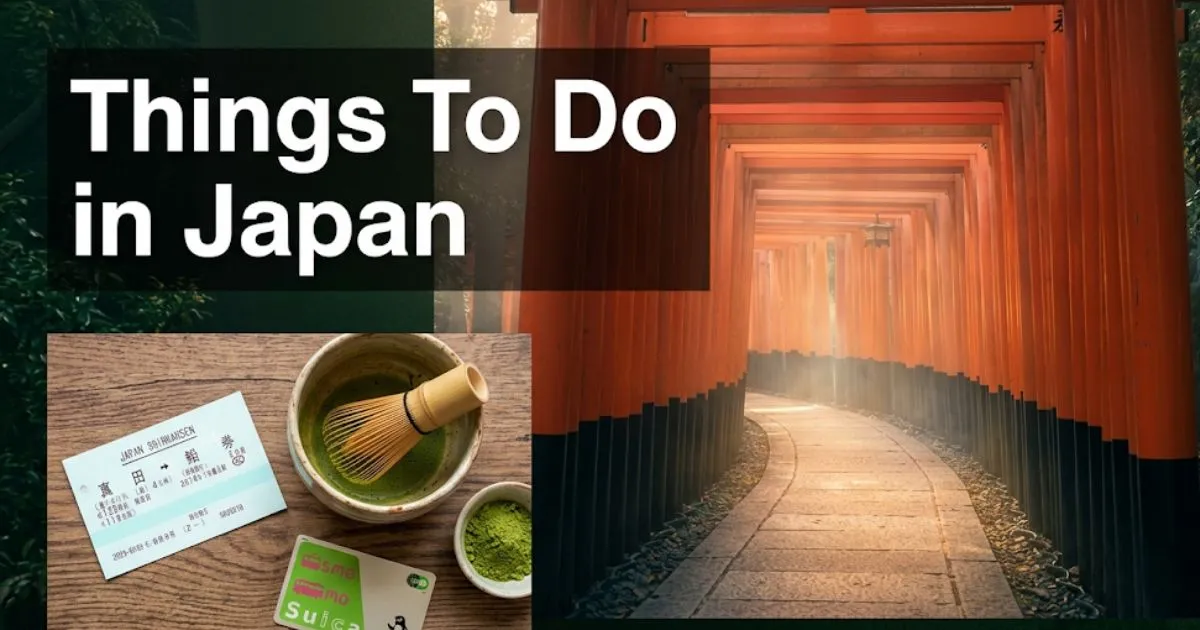
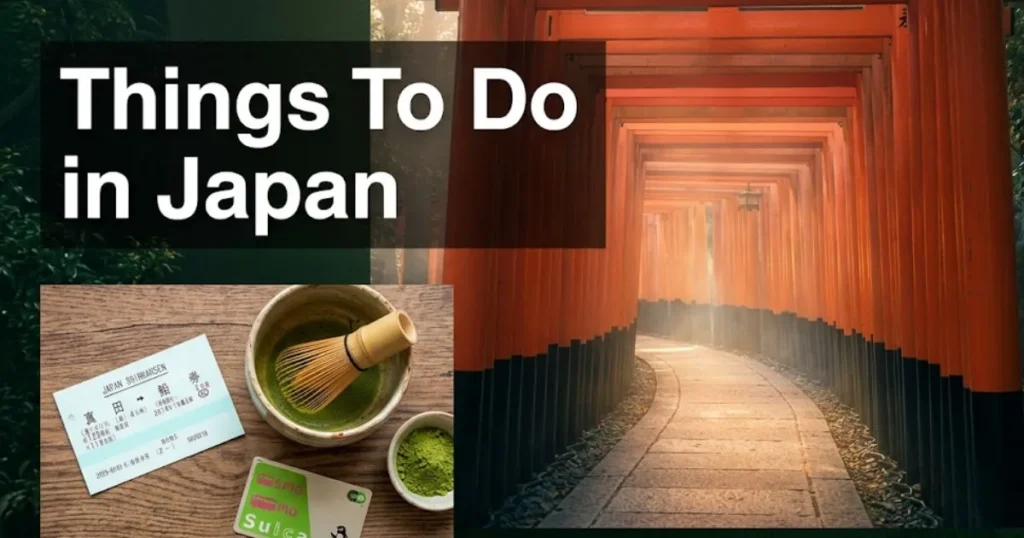
Fushimi Inari Taisha in southern Kyoto is the signature experience: thousands of vermillion torii gates ascending Mount Inari over a 4-kilometer trail. The honest assessment is that the lower gates near the trailhead are extremely crowded throughout the day. The upper trail, above the Yotsutsuji intersection approximately 45 minutes in, thins dramatically. Most visitors never reach it. Go early and go further than the crowd does.
Kinkaku-ji (the Golden Pavilion) in Kyoto is among Japan’s most photographed landmarks. It genuinely earns its reputation: the gold-leaf exterior reflected in Kyoko-chi pond is the view photographs try to capture. The honest limitation is that visitor flow runs on a one-directional path with little room for extended contemplation. Allow 45 minutes.
Local alternative to Kinkaku-ji: Ginkaku-ji (the Silver Pavilion) in northeast Kyoto has a more contemplative garden design, fewer crowds, and a moss garden that most visitors rank higher than the main pavilion itself.
Senso-ji in Asakusa, Tokyo is the city’s oldest temple. Arrive at dawn before the Nakamise shopping street opens. The temple precinct at 6 a.m. belongs to locals burning incense and praying. At 11 a.m., it is a tourist transit corridor.
For seniors: Meiji Shrine in Harajuku, Tokyo offers wide, flat gravel paths through forested grounds. It is physically the most accessible major shrine in Tokyo for visitors with mobility considerations. Allow 60 to 90 minutes for the full path.
Insider Tip:
- Todai-ji in Nara houses Japan’s largest bronze Buddha and is legitimately worth the trip. The deer wandering the temple grounds are free and fearless.
- Skip Ninna-ji in Kyoto if you’re on a tight schedule. Kinkaku-ji, Ryoan-ji (Zen rock garden), and Nishiki Market make a more complete single-day western Kyoto circuit.
Key Takeaway: At Fushimi Inari, walk past the midpoint. The real experience starts where the crowds stop, approximately 40 minutes up the trail. Almost no first-timer does this.
Japan Food Experiences
Japan’s food culture is the single strongest argument for the country as a travel destination. Tokyo alone has more Michelin-starred restaurants than any other city on earth, a fact regularly noted by Michelin Guide Japan editions.
The most important food truth for American visitors: Japan’s best eating is not at its most famous restaurants. It is at counter seats in unmarked basement restaurants, at covered market stalls in Kuromon Ichiba Market in Osaka, and at the standing ramen counter at 11 p.m. in Shinjuku.
Specific food itinerary by city:
- Tokyo: Tsukiji Outer Market (tuna breakfast from $5 to $15 per piece), Golden Gai izakaya evening (budget $30 to $50 per person for food and drinks), conveyor-belt sushi (kaiten-zushi) at Genki Sushi or Sushiro chains for authentic quality at $1 to $3 per plate
- Kyoto: Nishiki Market street eating (tofu skewers, pickled vegetables, fresh yuba), kaiseki lunch at an accessible tier (approximately $40 to $80 per person), matcha desserts at Nakamura Tokichi Honten in Uji or Kyoto branches
- Osaka: Dotonbori for takoyaki (octopus balls) at Gindako or Aizuya, kushikatsu (breaded skewers) in the Shinsekai neighborhood at approximately $15 to $25 per person
For budget travelers: Japan’s convenience stores (7-Eleven, FamilyMart, Lawson) sell genuinely high-quality prepared food. Onigiri rice balls, hot oden broth items, and fresh sandwiches run $1 to $4 per item. This is not a compromise. It is a legitimate food experience.
For families: Department store food basements (depachika) offer enormous variety with grab-and-go options. Every major Japanese department store in Tokyo, Osaka, and Kyoto operates one. The Isetan Shinjuku and Takashimaya Osaka depachika are the best in their cities.
Japan Nature and Outdoor Activities
Japan’s nature experiences range from day-accessible city parks to multi-day mountain hikes requiring physical preparation and advance planning.
Mount Fuji is Japan’s most iconic natural landmark and one of its most misunderstood tourist experiences. The official summit climbing season runs from early July to early September. Outside that window, the summit routes are closed for safety reasons. The 5th Station bus approach from Fujiyoshi-yoshida City offers panoramic views without summiting. Climbing the full Yoshida Trail to the 3,776-meter summit requires 5 to 8 hours upward and genuine physical conditioning. Altitude sickness is a real risk at the summit. Do not underestimate this.
Hakone offers the most accessible Japan nature day trip from Tokyo. The Hakone Ropeway over Owakudani volcanic valley, the Hakone Open Air Museum (sculpture park with mountain views), and onsen facilities at Hakone Yuryo combine into a full day without a car. The Hakone Free Pass covers most transport within the area and represents genuine value.
Jigokudani Monkey Park in Nagano Prefecture features wild Japanese macaque monkeys bathing in geothermal hot springs. Winter visits (November through March) provide the most photogenic experience. The 30-minute walk from the parking area is on a forest path with moderate terrain.
For families: Nara Deer Park, Hakone Open Air Museum, and Shinjuku Gyoen are the most family-appropriate nature experiences. Jigokudani is suitable for children aged 8 and older who can manage the trail.
For seniors: Hakone’s ropeway and open-air museum are accessible. Mount Fuji summit hiking is not advisable without a significant baseline of hiking fitness.
Key Takeaway: Mount Fuji’s summit is only accessible July through early September. Book your Hakone accommodation 6 to 8 weeks ahead for spring and autumn; ryokan rooms at Hakone sell out months before peak foliage weekends.
Things To Do in Tokyo
Tokyo is the correct starting point for most Japan first-timers. It concentrates the country’s best food variety, most reliable English signage, and widest range of experiences within a world-class transit network.
The city divides into distinct neighborhood identities. Shinjuku offers the full Tokyo experience: the largest train station on earth, Kabukicho entertainment district, Golden Gai’s narrow izakaya lanes, and Shinjuku Gyoen garden all within walking distance. Asakusa is old Tokyo, built around Senso-ji and the Nakamise shopping street. Shibuya has the famous crossing and the densest concentration of youth fashion retail. Akihabara runs on electronics and anime commerce. Nakameguro is the Instagram Tokyo: canal-side cafes and boutiques best visited in late March when the canal-lining cherry trees bloom overhead.
For first-timers: Start with one day in Shinjuku to orient yourself to the transit system and neighborhood scale. Move to Asakusa on day two for cultural depth. Add Shibuya on day three for the crossing and Harajuku for Takeshita Street.
teamLab Planets in Toyosu (not to be confused with the separate teamLab Borderless venue, which moved to a new Azabudai location in 2024) is a walkthrough digital art installation that consistently delivers on its premise. Book 2 to 3 weeks ahead minimum; earlier during spring and autumn peak seasons.
For seniors: The Tokyo Metropolitan Government Building in Shinjuku offers free observation decks at 202 meters with no climbing required. The Hamarikyu Gardens near Shiodome provides flat, manicured garden space with tea house service.
Day planning tip:
- Purchase a Suica or Pasmo IC card at any major station on arrival. It covers all Tokyo metro, JR lines, and most buses.
- Base your accommodation in Shinjuku, Shibuya, or Asakusa for central transit access.
- Plan morning activities at temples and gardens before crowds. Afternoon for markets and neighborhoods. Evening for food and izakaya.
- Reserve one full evening for a multi-course dinner or dedicated izakaya experience with a seated itinerary, not spontaneous restaurant hunting.
- Allow a full day for Akihabara and Harajuku if either is a priority. These neighborhoods reward slow exploration, not rushing.
Things To Do in Kyoto
Kyoto is Japan’s most concentrated destination for traditional cultural experiences. It holds 17 UNESCO World Heritage Sites within city boundaries and surrounding areas.
The city rewards multi-day visitors more than any single-day approach from Tokyo (Shinkansen travel from Tokyo takes approximately 2 hours 15 minutes on the Nozomi). Base yourself in Kyoto for a minimum of two full days. Three days allows a complete experience across western temples, the Gion district, and northern Kyoto’s quieter neighborhoods.
Gion district in eastern Kyoto is the geisha quarter. The main Hanamikoji Street is the tourist corridor. The less-photographed Shirakawa canal alley one block north offers the same atmospheric architecture with dramatically fewer people. Geisha sightings (actual maiko apprentices traveling to evening engagements) happen most reliably between 5:30 and 7 p.m. on Hanamikoji.
Philosopher’s Path (Tetsugaku no Michi) is a 2-kilometer canal-side walkway connecting Nanzen-ji to Ginkaku-ji through a residential neighborhood lined with cherry trees. Spring bloom season makes this the most atmospheric urban walk in Japan. Outside cherry blossom season, it is a pleasant but unremarkable path; the cafes and small galleries along it make it worth 60 minutes regardless of season.
For couples: A private rickshaw tour of the Gion district (approximately $50 to $100 USD per couple for a 30-minute circuit) provides access to narrow alleys impassable by taxi and commentary in English on the specific architecture of each okiya (geisha house).
Nishiki Market, a five-block covered market known locally as “Kyoto’s Kitchen,” concentrates Kyoto’s specific food culture: tofu skin (yuba), pickled vegetables (tsukemono), fresh tofu, and grilled skewers. It is at its least crowded on weekday mornings before 10 a.m.
Things To Do in Osaka
Osaka operates on a fundamentally different frequency from Kyoto and Tokyo. It is louder, cheaper, less formal, and more food-obsessed than either.
Dotonbori is the canal district at Osaka’s center. The Glico Running Man sign is the landmark. The honest experience: walk the Dotonbori canal path at night for the neon atmosphere, eat street food from the stalls on Dotonbori Yokocho, and move away from the canal itself (which is purely tourist infrastructure) into the streets behind it where actual Osaka residents eat.
Kuromon Ichiba Market is a 580-stall covered market that has supplied Osaka’s professional kitchens for 200 years. Stall vendors sell fresh tuna, live shellfish, skewered proteins, and Osaka-specific food products directly. Arrive at 9 a.m. when stalls are fully stocked and crowds are light.
Shinsekai neighborhood, southeast of Namba, is Osaka’s honest alternative to Dotonbori. The retro Tsutenkaku Tower, kushikatsu restaurants, and working-class neighborhood atmosphere deliver the Japan that Dotonbori’s tourist economy has erased. Kushikatsu here costs approximately $15 to $25 per person for a full meal.
For budget travelers: Osaka is Japan’s most budget-friendly major city. Street food at Dotonbori runs $2 to $8 per item. A full kushikatsu dinner with drinks in Shinsekai runs $20 to $35 per person. The Osaka Affordable Pass covers transit and provides discounts at major attractions.
Osaka Castle (Osaka-jo) is worth the 30-minute visit for the exterior and grounds. The interior museum is an elevator-accessed modern structure that delivers mixed reactions. For families: the castle grounds are flat, wide, and excellent for children who need space to move between adult-focused temple sightseeing.
Key Takeaway: Osaka’s best food neighborhood is not Dotonbori. It is the streets immediately behind it and the Shinsekai district 15 minutes south. Both are significantly cheaper and less crowded.
Romantic Things To Do in Japan
Japan is one of the world’s most effective romantic travel destinations for couples who engage with its food culture, aesthetic beauty, and the enforced slowness of a ryokan stay.
A ryokan night is the single highest-impact romantic Japan experience. A traditional inn with in-room kaiseki dinner service, private or shared onsen bathing, and yukata robes creates an environment of deliberate beauty that is genuinely difficult to replicate. Top ryokan properties in the Kyoto area include Tawaraya (among Japan’s most famous, with prices to match at $500 to $1,500 per couple per night) and the more accessible Hiiragiya Bekkan at moderate luxury pricing. In Hakone, Gora Kadan and Hakone Kowakien Ten-yu offer private onsen room options. Book 3 to 6 months ahead for any quality ryokan in peak season.
Philosopher’s Path during cherry blossom season is the definitive romantic Kyoto walk. The canal-side path lined with pink blossoms creates the atmosphere that every Japan travel photo tries to capture. Visit at dawn or just before sunset to avoid the peak midday crowds.
For couples on a moderate budget: A yukata (casual summer kimono) rental from Kyoto Kimono Rental Wargo or similar services (approximately $20 to $40 per person) for a day of temple-visiting in traditional dress photographs beautifully and costs a fraction of a formal tea ceremony or full ryokan rate.
Nakameguro in Tokyo during cherry blossom season (late March to early April depending on the year) is the most romantic urban Japan moment available outside Kyoto. The canal-side restaurants string lanterns, the trees hang over the water, and the setting genuinely delivers its reputation. Book canal-view restaurant reservations 4 to 6 weeks ahead during bloom season.
Japan for Families With Kids
Japan works well for families, with specific caveats that make the difference between a successful trip and an exhausting one.
Japan’s strongest family advantages: it is extraordinarily safe for children in public spaces, its train network is reliable and manageable with strollers on newer rolling stock (though older stations have stairs that require planning), and its food culture accommodates children at most price tiers without special ordering.
The genuine challenge: Japan’s temple-heavy tourism culture asks children to walk significant distances on uneven stone and gravel paths. A full Kyoto temple day can cover 8 to 10 miles. Planning for age-appropriate pacing is essential. Build in park time between cultural sites.
Best Japan family experiences:
- Nara Deer Park: The freely roaming deer are genuinely interactive, safe when approached calmly, and endlessly engaging for children of all ages. The adjacent Todai-ji temple adds cultural depth without requiring extensive walking.
- Tokyo Disneyland and DisneySea: DisneySea specifically is considered by many theme park experts to be the most well-designed Disney park on earth. Advance ticket booking through the official Tokyo Disney Resort website is required.
- Aquarium options: The Osaka Aquarium Kaiyukan is one of the largest in the world and features a whale shark tank. The Sumida Aquarium in Tokyo Skytree is smaller but highly manageable for young children.
- teamLab Planets in Toyosu is appropriate for children aged 6 and older. Younger children may find the sensory-immersive environment overwhelming.
- Robot Restaurant in Shinjuku: Note that this is theatrical entertainment, not a restaurant experience. It is loud, flashy, and absolutely works for ages 8 and older.
For families with toddlers: Stroller navigation through older Tokyo neighborhoods (Asakusa, Yanaka) and Kyoto temple paths is genuinely difficult. Carry a structured baby carrier as a backup. The Hamarikyu Gardens and Shinjuku Gyoen are stroller-friendly flat parks.
Things To Do in Japan on a Budget
Japan on a budget in 2026 is significantly more achievable than Japan’s premium reputation suggests, particularly for US dollar-holders benefiting from the current yen exchange rate.
Where budget travelers actually save money:
- Food: A bowl of ramen at a chain like Ichiran or Ippudo costs approximately $9 to $13 USD. Convenience store meals (7-Eleven, FamilyMart) cost $3 to $8 per meal and are genuinely high quality. A depachika bento box from any major department store runs $6 to $12 USD.
- Accommodation: Capsule hotels in Tokyo and Osaka run $25 to $55 per night for well-maintained modern properties. Nine Hours (multiple Tokyo locations) and First Cabin operate cleaner, quieter capsule properties than the vintage Shinjuku options. Hostel dormitory beds run $20 to $40 per night at reputable properties.
- Transit: The JR Pass is NOT automatically the budget choice. Calculate your specific routes first. Tokyo to Osaka to Kyoto round trip plus a Hiroshima add-on typically justifies the pass. Tokyo-only travel does not.
- Attractions: Many of Japan’s best experiences are free. Meiji Shrine, Senso-ji (the main temple grounds), Fushimi Inari Taisha, Arashiyama Bamboo Grove, Nara Deer Park, Dotonbori canal walk, all Tokyo neighborhood exploration: free.
According to JNTO, a mid-range budget traveler in Japan can expect to spend approximately $100 to $150 USD per day including accommodation, transit, and food. Budget travelers staying in capsule hotels and eating ramen and convenience store meals can reduce this to $50 to $80 per day outside of peak season.
What budget travelers should not skip to save money: A single authentic onsen public bath experience costs approximately $5 to $15 USD at a public sento. This is Japan’s most disproportionately rewarding low-cost experience.
Key Takeaway: The JR Pass requires route-specific math before purchase. A Tokyo to Kyoto to Osaka to Hiroshima to Tokyo circuit typically justifies the cost. Shorter itineraries often do not.
Best Time To Visit Japan in 2026
The best time to visit Japan in 2026 is either late March to early April for cherry blossoms or mid-October to mid-November for autumn foliage (koyo).
Spring (late March to early April): Cherry blossom (sakura) season is Japan’s peak international travel period. The Japan Meteorological Corporation publishes annual bloom forecasts; the Tokyo peak bloom typically falls in the last week of March or first week of April, varying by 10 to 14 days depending on winter temperatures. Hotels fill 4 to 6 months ahead. Prices spike 30 to 50 percent above shoulder season. The experience is genuinely worth the premium if you plan early.
Autumn (mid-October to mid-November): The koyo foliage season is Japan’s best-kept seasonal secret from American travelers. The red and gold canopy over Kyoto’s temple gardens and Nikko’s mountain shrines rivals spring bloom season for visual impact, arrives with fewer international tourists, and commands lower hotel rates at most properties. Peak color in Kyoto typically falls in mid to late November.
Shoulder season (May to June and September): May after Golden Week (which ends around May 6) offers warm weather, blooming wisteria at Kawachi Wisteria Garden near Kitakyushu, and significantly reduced crowds from the spring peak. September brings lower humidity than August, moderate temperatures, and the beginning of autumn food season.
Worst time to visit: Golden Week (late April to early May) is Japan’s busiest domestic travel period. Trains book solid, popular attractions hit maximum capacity, and hotel prices reach annual highs. July and August bring extreme heat (30 to 38°C in major cities), high humidity, and typhoon risk. Neither period is impossible, but both require significantly more planning.
Seasonal comparison:
| Season | Months | Highlight | Crowd Level | Cost Level |
|---|---|---|---|---|
| Cherry Blossom | Late March to early April | Sakura bloom | Extreme | Highest |
| Early Summer | May (post-Golden Week) | Wisteria, pleasant temps | Moderate | Mid |
| Summer | July to August | Festivals, Fuji climbing | High domestic | High |
| Autumn Foliage | Mid-Oct to mid-Nov | Koyo color | Moderate | Mid to high |
| Winter | December to February | Snow scenery, low crowds | Low | Lowest |
For budget travelers: January and February offer Japan’s lowest hotel rates and thinnest crowds at every major attraction. Winter onsen travel to mountain ryokan areas (Hakone, Nikko, Tohoku) is the best-value premium Japan experience of the year.
Suggested 10-Day Japan Itinerary for First-Timers
A 10-day Japan itinerary for first-time visitors should allocate four days to Tokyo, three to Kyoto, two to Osaka, and one day for a strategic side trip.
Day-by-Day Framework:
- Day 1: Tokyo arrival. Shinjuku orientation, dinner in Golden Gai or a Shinjuku izakaya. Light activity; combat jet lag with an early night.
- Day 2: Tokyo (Asakusa and Akihabara). Senso-ji at dawn. Nakamise market. Akihabara afternoon for electronics and arcade culture.
- Day 3: Tokyo (Shibuya, Harajuku, Nakameguro). Meiji Shrine at opening. Harajuku Takeshita Street. Shibuya Crossing from Mag’s Park. Nakameguro canal for dinner.
- Day 4: Tokyo (teamLab Planets and Tsukiji Outer Market). Tsukiji Outer Market breakfast. teamLab Planets afternoon (book weeks ahead). Shinjuku Gyoen if time allows.
- Day 5: Shinkansen to Kyoto. Morning departure. Check into accommodation. Afternoon Gion walk at 5:30 p.m. for evening atmosphere.
- Day 6: Kyoto (Western Temples Circuit). Kinkaku-ji at opening. Ryoan-ji Zen rock garden. Arashiyama Bamboo Grove (arrive before 7:30 a.m. or plan this for Day 7 dawn).
- Day 7: Kyoto (Eastern Temples and Nishiki Market). Fushimi Inari before 7:30 a.m. Nishiki Market mid-morning. Philosopher’s Path afternoon. Ginkaku-ji.
- Day 8: Nara day trip or Hiroshima full-day trip. Nara Deer Park and Todai-ji (90 minutes from Kyoto by limited express). Or Hiroshima Peace Memorial and Miyajima Island (2.5 hours by Shinkansen).
- Day 9: Osaka. Kuromon Ichiba Market morning. Osaka Castle mid-morning. Dotonbori for lunch. Shinsekai for kushikatsu dinner.
- Day 10: Osaka to departure airport. Shinsaibashi shopping district morning. Depart from KIX (Kansai International Airport) or transfer back to Tokyo for NRT/HND departure.
For couples: Add a ryokan night in Kyoto or Hakone by substituting one Tokyo accommodation night. Replace one Tokyo activity day with a Hakone day trip from Shinjuku if an onsen experience is the priority.
For families: Reduce temple days and add Nara (Day 7) and an Osaka Aquarium visit. DisneySea is worth a full dedicated day and the one-hour Tokyo commute from central Shinjuku.
Safety and Practical Warnings for Japan Travel
Japan is one of the world’s safest travel destinations. However, specific risks are real and require advance awareness.
Key safety and practical facts every visitor should know:
- Earthquakes: Japan experiences frequent low-level seismic activity. Learn the drop, cover, and hold-on procedure. Every hotel room should have an emergency instruction card. Know your hotel’s designated evacuation point.
- Cash dependency: Many traditional restaurants, smaller shops, and temple entry points in rural areas are cash-only. Carry sufficient yen at all times. ATMs at Japan Post offices and 7-Eleven convenience stores reliably accept foreign cards. Major city ATMs are bilingual.
- Summer heat risk: July and August temperatures in Tokyo, Osaka, and Kyoto regularly reach 35°C with high humidity. For seniors and young children, plan outdoor temple visits before 10 a.m. and after 5 p.m. Carry water continuously. Heat stroke is a documented risk in July and August.
- Typhoon season: Active from June through October, with peak risk in August and September. Monitor the Japan Meteorological Agency website for typhoon tracks if traveling during this window. Keep flight insurance current.
- Mount Fuji altitude: The summit sits at 3,776 meters. Altitude sickness affects visitors without altitude acclimatization, regardless of physical fitness. Ascend slowly and descend if headache or nausea develops.
- Taxis and card acceptance: Many Tokyo taxis now accept cards, but confirmation varies by vehicle. Smaller city taxis are frequently cash-only. Confirm before getting in.
- Mobile connectivity: A Japan SIM card or pocket WiFi rental is essential. Order ahead of departure through providers like IIJmio or rent a pocket WiFi unit at the airport. Relying on hotel WiFi alone will significantly limit your navigation and transit access.
For emergency services in Japan, dial 110 for police and 119 for ambulance and fire services. Both numbers connect to Japanese-speaking operators; English interpretation services are available but response time varies by region.
Frequently Asked Questions About Things To Do in Japan
What are the best things to do in Japan for first-time visitors?
The best things to do in Japan for first-time visitors include Fushimi Inari Taisha in Kyoto, Senso-ji Temple in Tokyo’s Asakusa, Dotonbori in Osaka, a public onsen bath, and Arashiyama Bamboo Grove.
Prioritize Kyoto for cultural depth and Tokyo for scale and variety.
Add Nara for the deer park experience and at least one Osaka evening for street food in the Shinsekai neighborhood to complete a well-rounded first visit.
How many days do you need in Japan to see the highlights?
Ten days covers the core Japan highlights: Tokyo, Kyoto, Osaka, and one side trip to Nara or Hiroshima.
Two weeks allows for a more relaxed pace and adds Hakone, a ryokan night, or a regional destination like Kanazawa or Hiroshima with Miyajima Island.
Seven days is workable for Tokyo and Kyoto only, but requires sacrificing Osaka and all side trips.
Is Japan expensive to visit in 2026?
Japan is mid-range to moderately affordable for US dollar-holders in 2026, thanks to the yen’s recent weakness against the dollar.
Budget travelers spending $50 to $80 USD per day on capsule hotels and convenience store meals can experience Japan’s top attractions, most of which have free entry.
Mid-range travelers budgeting $120 to $180 USD per day access comfortable accommodation, quality restaurant dining, and the JR rail network without financial strain.
What is the best time of year to visit Japan?
The best time to visit Japan is late March to early April for cherry blossoms, or mid-October to mid-November for autumn foliage.
Both seasons offer Japan at its most visually distinctive, though spring commands the highest hotel prices and largest international crowds.
October offers the best balance of comfortable temperatures, moderate crowd levels, and mid-range pricing across most accommodation categories.
What are the most unique things to do in Japan that tourists miss?
The most unique Japan experiences most tourists miss include early morning Fushimi Inari upper trail (above the midpoint where crowds stop), a public sento bath in a local neighborhood for $5 to $15, a sumo morning practice session at a Tokyo stable, and the Yanaka old-Tokyo neighborhood in northeastern Tokyo.
Watching a local neighborhood matsuri festival is also an experience almost no tourist itinerary includes but any regional Japan visitor can access by checking local prefecture event calendars.
These experiences are not marketed toward foreign visitors, which is specifically why they deliver.
Is Japan good for families with young children?
Japan is excellent for families with children aged 5 and older, primarily because of its public safety, clean transit, and child-friendly food culture.
Families with toddlers face genuine stroller challenges at stair-heavy temples and older train stations; pack a structured carrier as a backup.
DisneySea in Tokyo, Nara Deer Park, and Osaka Aquarium Kaiyukan are the three highest-impact family experiences in Japan and collectively justify a family trip itinerary built around the Tokyo and Osaka corridor.
Japan planning moves quickly once you commit to dates. Book your ryokan and teamLab Planets reservations first. These sell out months ahead of cherry blossom and autumn foliage seasons, and no other logistics matter as much as getting these two right.
Your JR Pass decision should come second, based on your specific city-to-city route calculation. After that, the rest of Japan organizes itself around the rail network with a clarity that rewards preparation.
Travel conditions, entry requirements, site access rules, and pricing change. Verify key logistics directly with JNTO (jnto.go.jp), individual venue official sites, and your accommodation provider before departure. The traveler who does 30 minutes of pre-trip verification saves hours of on-the-ground frustration.