Best Things to Do in Iceland: 2026 Travel Guide

The best things to do in Iceland extend far beyond the Blue Lagoon and the Golden Circle. Iceland is a country where an active volcano, a glacier-capped peninsula, and a black sand beach with genuine wave danger sit within a single day’s drive of each other.
Visit Iceland reports over 2 million international arrivals annually to a country of fewer than 380,000 residents. That ratio shapes every logistical decision you’ll make.
This guide covers every major region, every key activity type, and the honest seasonal and crowd realities no tourism board will tell you. Plan one week or one month. Either way, start here.
Things to Do in Iceland
Iceland offers one of the world’s most varied activity concentrations for a country its size. Within 500 kilometers of Reykjavik, you can hike an active volcanic trail, enter a glacier ice cave, watch humpback whales breach, and soak in geothermal water under a sky full of stars.
The country divides naturally into regions. The South Coast and Golden Circle form the most accessible circuit. The Snaefellsnes Peninsula, Westfjords, and Icelandic Highlands require more planning but deliver dramatically less crowded versions of the same landscape drama.
Reykjavik functions as Iceland’s only genuine city. It handles food, culture, and nightlife with a sophistication that surprises most first-timers.
Iceland rewards travelers who push past the first obvious circuit. The most common planning mistake is spending four days on the Golden Circle and South Coast while leaving the rest of the country untouched.
Best for: Couples, solo adventurers, outdoor-focused travelers, photography enthusiasts.
Genuine limitation: Travelers expecting easy urban-style mobility will find Iceland demanding. Every region outside Reykjavik requires a rental car and comfort with long, sometimes challenging drives.
| Activity Type | Best Season | Cost Range | Booking Required |
|---|---|---|---|
| Northern Lights viewing | Sep to Mar | Free to $150+ for tours | No for self-guided; yes for tours |
| Glacier hiking | Year-round | $80 to $180 per person | Yes, guided tour required |
| Ice cave tours | Nov to Mar | $100 to $200 per person | Yes, book weeks ahead |
| Blue Lagoon soak | Year-round | $60 to $120+ | Yes, advance online booking |
| Golden Circle driving | Year-round | Free (park fees apply) | No |
| Whale watching | Apr to Oct peak | $70 to $120 per person | Recommended in peak season |
Top 10 Things to Do in Iceland
The top 10 things to do in Iceland span geology, wildlife, history, and some of the most raw landscapes on earth. This list goes in order of geographic logic, not ranking, because Iceland rewards a route more than a checklist.
Top 10 Iceland Activities for 2026:
- Walk the Thingvellir National Park rift valley between the North American and Eurasian tectonic plates. Free to enter, open year-round, genuinely unlike anywhere else on earth.
- Watch Strokkur geyser erupt at the Geysir geothermal area. Erupts every 5 to 10 minutes. No ticketing required.
- Stand at Gullfoss as one of Europe’s most powerful waterfalls drops into a canyon. Free. Walkways can be icy in winter.
- Enter a natural ice cave inside Vatnajokull glacier near Skaftafell. Requires a licensed guide. Book at least 3 to 4 weeks ahead in peak winter season.
- Drive the Ring Road along the South Coast between Vik and Hofn. Arguably the most scenically dense highway drive in Europe.
- Float at Jokulsarlon Glacier Lagoon among calved icebergs on a zodiac or amphibious boat tour.
- Hike to Kirkjufell Mountain on the Snaefellsnes Peninsula, Iceland’s most photographed peak.
- Soak at the Myvatn Nature Baths in the north. Half the price of the Blue Lagoon, no advance booking required, and dramatically less crowded.
- Watch humpback whales from Husavik, Iceland’s premier whale-watching town on the north coast.
- Walk Laugavegur Street in Reykjavik through the city’s restaurant, bar, and design district for the most concentrated version of Iceland’s capital.
Traveler profile note for Profile 3 (Families with children): Age minimums on glacier and ice cave tours are typically 8 to 12 years old. Verify with specific tour operators before booking. Thingvellir, Strokkur, and Gullfoss are fully family-accessible at any age.
Things to Do in Reykjavik
Reykjavik is the world’s northernmost capital city, and its food scene, cultural institutions, and walkable center punch significantly above what its small size suggests. The city functions as both an arrival gateway and a genuinely rewarding destination in its own right.
Hallgrimskirkja church dominates the skyline from the top of Skolavordustigur street. The tower elevator offers the best free-ish city panorama (admission for the tower runs approximately $10 per adult). The church itself is free to enter.
Laugavegur Street is the city’s primary commercial and restaurant spine. Walk it from the Hlemmur food hall on the east end to the Old Harbour district on the west. That walk covers the essential Reykjavik in under 90 minutes.
The Grandi neighborhood along the Old Harbour waterfront is where Reykjavik’s food scene has developed most interestingly since 2018. Matur og Drykkur serves traditional Icelandic ingredients with a modern kitchen approach. Forlagid Bookstore Cafe sits inside the largest bookstore in Iceland.
Harpa Concert Hall on the waterfront is architecturally extraordinary and worth a look even without attending a performance. The glass facade changes color with the light and sky.
The Settlement Exhibition (Landnamasyslan) underground reveals actual Viking-age settlement ruins beneath the city center. Admission runs approximately $15 to $20 per adult.
Insider Tip:
- The Kolaportid Flea Market near the harbor runs weekends and is where local Reykjavik residents actually shop, not primarily tourists
- Flyover Iceland at Grandi delivers a simulated flight experience across Icelandic landscapes. Useful context before driving the country, and fully accessible to seniors and mobility-limited travelers
- Profile 1 (Solo travelers): Reykjavik’s bar scene on Austurstrati and Laugavegur is unusually safe and social for solo visitors. The city’s small size makes late-night navigation easy.
Seasonal note: Reykjavik operates fully year-round. Summer brings street festivals, the Reykjavik Arts Festival in May, and near-continuous daylight. Winter brings Iceland Airwaves music festival in November and genuine Northern Lights viewing within 30 minutes of the city.
Golden Circle Iceland
The Golden Circle is Iceland’s most-visited driving route, connecting Thingvellir National Park, the Geysir geothermal area, and Gullfoss waterfall in a loop from Reykjavik. Most visitors complete it in 4 to 6 hours.
The route is genuinely worthwhile. Thingvellir is a UNESCO World Heritage Site where you walk between two tectonic plates. Strokkur at Geysir erupts reliably every 5 to 10 minutes without any ticket or wait. Gullfoss is a legitimate landscape spectacle.
The honest assessment: the Golden Circle has become Iceland’s most tourist-saturated experience. Summer peak season brings bus tour convoys and gift shop queues that diminish the experience at each site.
Local alternative: Drive the Secret Lagoon (Gamla Laugin) in Fludir as your geothermal stop instead of the Blue Lagoon. It sits on the Golden Circle route, costs approximately $20 to $25 per adult, requires no advance booking, and offers a far more authentic open-air hot spring experience.
Practical logistics:
| Golden Circle Stop | Distance from Reykjavik | Entry Cost | Time to Allow |
|---|---|---|---|
| Thingvellir National Park | 50 km | Free (parking fee) | 1.5 to 2.5 hours |
| Geysir / Strokkur | 100 km | Free | 30 to 60 minutes |
| Gullfoss Waterfall | 115 km | Free (parking fee) | 45 to 60 minutes |
| Secret Lagoon, Fludir | 130 km | ~$20 to $25 per adult | 1.5 to 2 hours |
Traveler profile note for Profile 5 (Seniors and accessibility travelers): All three Golden Circle main sites have paved walkways and accessible parking. Thingvellir’s rift valley path is flat and gravel-surfaced. Gullfoss’s upper viewing platform is wheelchair accessible. The lower canyon path involves stairs and uneven terrain.
Best timing: Arrive at Thingvellir by 8am in summer to beat tour bus groups by 90 minutes. The park is stunning in early morning light and almost eerily quiet before 9am.
Northern Lights Iceland
The Northern Lights are visible in Iceland from approximately late August through mid-April, with peak viewing windows in October, November, and February. Seeing them requires three conditions: darkness, clear skies, and sufficient solar activity.
The Icelandic Meteorological Office (vedur.is) publishes a nightly aurora forecast rated 0 to 9 on the Kp index. Any reading above 3, combined with clear cloud cover, means a realistic viewing chance. Check the forecast nightly after 10pm.
You do not need to pay for a Northern Lights tour to see the aurora. Driving 20 to 30 minutes outside Reykjavik on the Reykjanes Peninsula or north toward Thingvellir eliminates most light pollution. Pull over at a dark roadside viewpoint and wait.
Guided Northern Lights tours from Reykjavik cost approximately $60 to $100 per person and include boat tours from the Old Harbour. The boat tours reduce ground light pollution significantly. They are worth considering if you have no rental car.
Insider Tip:
- Stay flexible in your schedule. The aurora appears most commonly between 10pm and 2am. Plan at least two consecutive nights in one location to improve your odds.
- The small town of Vik on the South Coast sits far from city light pollution and offers excellent aurora viewing from the black sand beach at Reynisfjara
- Profile 2 (Couples): The Jokulsarlon Glacier Lagoon at night under the Northern Lights is the most cinematically romantic experience Iceland offers. Plan overnight accommodation in Hofn to make this feasible.
Seasonal caveat: June and July have near-continuous daylight. The Northern Lights are simply not visible during Iceland’s midnight sun months. This is the single most common traveler misconception about Iceland planning.
Key Takeaway: The Northern Lights forecast at vedur.is is more reliable than any tour company’s promise. Check it yourself nightly and make your own drive decision.
Glacier Hiking and Ice Cave Tours Iceland
Glacier hiking on Iceland’s glaciers is one of the most genuinely extraordinary physical experiences the country offers. Vatnajokull, Europe’s largest glacier by volume, and Solheimajokull on the South Coast are the two most accessible glacier hike departure points.
Solheimajokull is the easiest glacier to access for first-timers. It sits approximately 30 minutes east of Vik off the Ring Road. A short walk from the parking area brings you to the glacier face. Guided glacier hikes typically last 2.5 to 3.5 hours and cost approximately $80 to $130 per person.
Natural ice caves form inside Vatnajokull glacier each winter from approximately November through March. The caves near the Jokulsarlon Glacier Lagoon are the most accessible. Tour companies including Glacier Guides and Arctic Adventures operate licensed daily tours. Costs run approximately $120 to $200 per person.
Booking reality: Ice cave tours sell out weeks ahead in December and January. Book 4 to 6 weeks in advance for holiday season travel. Spring and autumn availability is typically better but still requires advance booking.
Traveler profile note for Profile 3 (Families with children): Most glacier hike operators require participants to be at least 8 years old. Ice cave tours typically set minimum ages at 8 to 10. Some specialty family tours exist. Verify directly with the specific operator before booking.
Safety facts every glacier visitor must know:
- Never walk onto a glacier without a certified guide. Crevasses are invisible and genuinely dangerous.
- Microspikes and helmets are provided by licensed tour operators. Do not attempt to bring your own crampons and self-guide.
- Ice cave availability depends on winter temperatures. Unusually warm winters can close natural caves mid-season. Operators communicate cancellations directly.
Profile 5 (Seniors and accessibility travelers): Standard glacier hikes involve walking on uneven ice and wearing crampons. This is not suitable for travelers with knee, hip, or balance concerns. Ask tour operators specifically about the physical demand level before booking.
Iceland Hot Springs and Geothermal Pools
Iceland’s geothermal activity produces natural hot springs across the entire country, and soaking in them is as central to Icelandic daily life as the coffee break is in Scandinavian cities. The choice you make here affects your budget significantly.
The Blue Lagoon in Grindavik on the Reykjanes Peninsula is Iceland’s most visited attraction. Admission runs approximately $60 to $120 per person depending on the package level. It requires advance online booking, sometimes weeks ahead. The experience is genuinely striking. The milky blue silica-rich water sits in a lava field, and the setting is unlike any other spa environment.
The honest assessment: the Blue Lagoon is very crowded at peak hours, the entry price has increased substantially in recent years, and the core soaking experience is shared with hundreds of other visitors simultaneously. It delivers on its visual promise and falls short on its tranquility promise.
The local alternative: Myvatn Nature Baths in northern Iceland offer a near-identical geothermal soaking experience for approximately $25 to $35 per person, with dramatically smaller crowds, no advance booking required, and a setting surrounded by volcanic craters and lava fields.
Laugardalslaug in Reykjavik is where local residents actually swim. It is Iceland’s largest geothermal swimming pool complex. Entry costs approximately $10 per adult. It has multiple hot pots at varying temperatures, a large outdoor main pool, steam rooms, and a waterslide for children. No tourist infrastructure whatsoever.
Profile 4 (Budget travelers): Skip the Blue Lagoon. Laugardalslaug in Reykjavik and the Secret Lagoon in Fludir give you authentic geothermal bathing for under $25 combined. The experience is more genuinely Icelandic, less expensive, and significantly less crowded.
Insider Tip:
- The Reykjadalur hot spring river near the town of Hveragerdi involves a 3-kilometer hike to a natural river you can bathe in for free
- Seasonal note: outdoor hot springs in winter are dramatically atmospheric. The contrast between cold air and warm water is at its peak in December and January.
South Coast Iceland: Waterfalls and Black Sand Beaches
The South Coast between Reykjavik and Hofn is Iceland’s single most scenically diverse driving corridor. Waterfalls, glaciers, volcanic beaches, and sea stacks appear in continuous sequence along roughly 280 kilometers of Ring Road.
Seljalandsfoss allows you to walk behind the waterfall curtain on a path that loops completely around. The path becomes icy and closed periodically in winter. Admission is free. A short five-minute walk from Seljalandsfoss leads to Gljufrabui, a waterfall hidden inside a canyon slot that the vast majority of visitors walk past without noticing.
Gljufrabui is the local alternative to Seljalandsfoss and is arguably more impressive for experienced visitors. Reaching it requires wading through a shallow stream or hopping stepping stones.
Skogafoss is Iceland’s most powerful waterfall and drops 60 meters in a single cascade. Spray creates a persistent rainbow in sunny weather. The viewing staircase on the right side of the falls rises to a clifftop lookout over the glacier and coastal plain. Effort: moderate. Worth doing in both directions.
Reynisfjara Beach near Vik is Iceland’s black sand beach. The basalt column sea stacks (Reynisdrangar) and hexagonal cliff faces are genuinely spectacular. The beach is also genuinely dangerous.
Safety warning: Sneaker waves at Reynisfjara Beach kill visitors every few years. These waves arrive without warning, reach far beyond the waterline, and cannot be predicted. Stay back at least 30 meters from the water’s edge at all times. The Icelandic Coastguard issues this warning consistently. Do not pose for photos near the waterline.
Traveler profile note for Profile 2 (Couples): The South Coast is Iceland’s most classically romantic drive. The Skogafoss sunrise with no other cars in the parking lot (arrive by 7am in summer) is the kind of experience that converts casual travelers into repeat Iceland visitors.
Key Takeaway: Gljufrabui sits five minutes from Seljalandsfoss and 95% of visitors miss it entirely. Walk past the main falls and look left toward the canyon entrance.
Whale Watching and Puffin Watching Iceland
Iceland offers some of the best whale watching in the North Atlantic. Humpback whales, minke whales, and white-beaked dolphins are the most commonly sighted species on Icelandic tours. Blue whales are occasionally encountered in the far north.
Husavik, on the north coast near Lake Myvatn, is consistently rated Iceland’s premier whale-watching destination. Tours depart from Husavik harbor and typically last 2.5 to 3.5 hours. The Husavik Whale Museum provides excellent context before or after your tour.
Old Harbour Reykjavik also offers whale-watching departures. Reykjavik tours are more convenient for travelers staying in the capital without time for northern Iceland. Success rates are lower than Husavik but still reasonable from April through October.
Whale watching costs approximately $70 to $120 per person at both locations. Success is not guaranteed. Most reputable operators offer a free repeat tour if no whales are sighted.
Puffin watching is possible across Iceland from late April through August, when Atlantic puffins nest on coastal cliffs. The Westman Islands (Vestmannaeyjar) off the South Coast host one of the largest Atlantic puffin colonies in the world, with estimates over 1 million birds seasonally.
Ferry service to the Westman Islands departs from Landeyjahofn on the South Coast. The crossing takes approximately 35 minutes. The island town of Heimaey is also worth visiting for its Eldfell volcano walk, accessible since the 1973 eruption reshaped the island.
Profile 4 (Budget travelers): Puffins can be seen from the Ingolfshofdi headland on the South Coast via a tractor-pulled hay wagon tour at low cost. It is a genuinely local experience compared to organized boat tours.
Snaefellsnes Peninsula and the Westfjords
The Snaefellsnes Peninsula, approximately 180 kilometers north of Reykjavik, delivers the full visual range of Iceland’s landscape in a self-contained two-hour drive. The glacier-capped Snaefellsjokull volcano anchors the western tip inside a national park.
Kirkjufell Mountain on the peninsula’s north coast is Iceland’s most photographed mountain. The distinctive arrowhead peak beside Kirkjufellsfoss waterfall appeared in Game of Thrones and generates significant visitor traffic. Arrive early morning or after 7pm in summer to photograph it without crowds.
The Snaefellsnes Peninsula is the best single-day alternative to the Golden Circle for travelers who want equally dramatic scenery with roughly half the visitor traffic. The drive from Reykjavik and back covers approximately 300 kilometers.
The Westfjords in northwestern Iceland represent the country’s least-visited region for its size. The Westfjords receive a fraction of South Coast visitor traffic despite containing Dynjandi, arguably Iceland’s most spectacular waterfall, which drops in seven cascading tiers down a mountainside.
Getting to the Westfjords requires either a domestic flight to Isafjordur or a 4 to 5 hour drive from Reykjavik. The road winds through fjords at narrow width. The effort level is real. The reward is a version of Iceland that feels genuinely remote.
According to Visit Iceland, the Westfjords are consistently identified as the country’s most underexplored region relative to its natural quality. Visitor numbers are growing but remain far below the South Coast.
Profile 2 (Couples): The Westfjords are Iceland’s most genuinely isolated romantic region. Staying overnight in Isafjordur and taking the boat to Hornstrandir Nature Reserve is a legitimately extraordinary two-day excursion for adventurous couples.
Seasonal note: Most Westfjords roads are passable June through September. Winter driving in the Westfjords requires experience with mountain conditions and can close without warning.
Jokulsarlon Glacier Lagoon
Jokulsarlon Glacier Lagoon sits approximately 380 kilometers southeast of Reykjavik on the Ring Road and is Iceland’s most spectacular single natural attraction. The lagoon formed as Breidamerkurjokull glacier retreated from the sea and has been growing in size as the glacier continues melting.
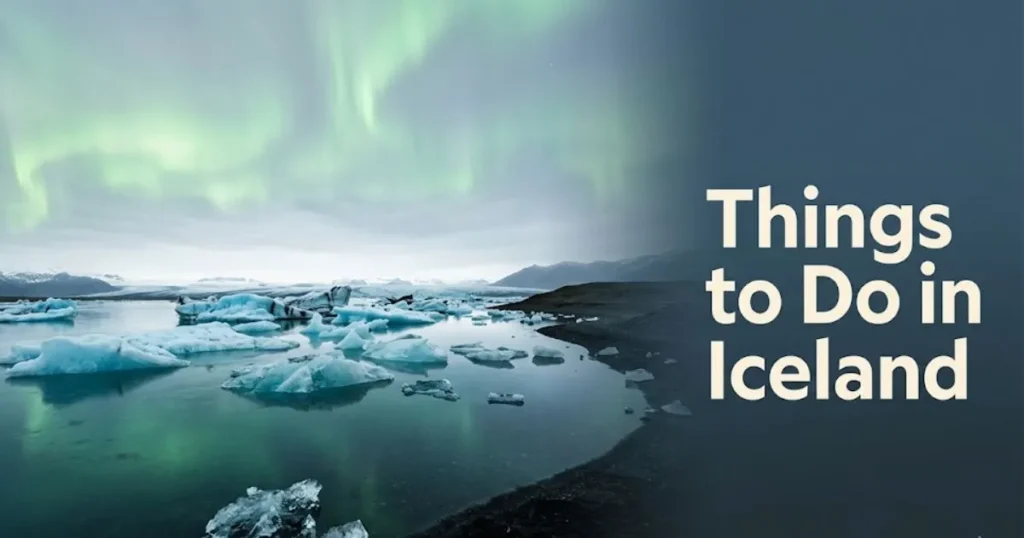
Icebergs calve from the glacier face into the lagoon continuously. They drift across the lagoon, through a tidal channel, and onto Diamond Beach, where they wash up as translucent blocks on black volcanic sand. The combination of black sand and transparent blue ice is one of the most visually distinctive things in Iceland.
Amphibious boat tours and zodiac boat tours operate on the lagoon. Zodiac tours bring you closer to the glacier face and calving icebergs. Tours cost approximately $40 to $80 per person depending on type. Book ahead in summer.
The lagoon is genuinely best in conditions of low cloud or dramatic light. Midday in flat sunlight is the least compelling time visually. Sunrise or sunset visits, particularly in September and October, produce the most dramatic photography conditions.
Practical logistics:
| Jokulsarlon Option | Duration | Cost Range | Best Season |
|---|---|---|---|
| Self-guided lagoon walk | 1 to 2 hours | Free | Year-round |
| Amphibious boat tour | 35 to 40 min | ~$40 per adult | May to Oct |
| Zodiac boat tour | 45 to 60 min | ~$75 to $80 per adult | Jun to Sep |
| Night Northern Lights visit | 1 to 3 hours | Free | Sep to Mar |
Traveler profile note for Profile 5 (Seniors and accessibility travelers): The lagoon shoreline path is gravel-surfaced and relatively flat. The amphibious boat tour involves a boarding ramp with some incline. Zodiac tours require stepping into a low inflatable vessel, which demands moderate mobility.
Key Takeaway: Diamond Beach sits immediately across the Ring Road from the lagoon. Most itineraries skip it entirely. Walk both sides to complete the visual story.
Volcano Tours and Landmannalaugar Hiking
Iceland sits on the Mid-Atlantic Ridge and contains approximately 130 volcanic mountains. Active volcanic activity is a real feature of the landscape, not a tourism abstraction. The Reykjanes Peninsula southwest of Reykjavik has experienced multiple eruption cycles since 2021, making it the most accessible active volcanic landscape in Europe.
Volcano tours on Reykjanes Peninsula depart from Reykjavik and Grindavik. Super jeep and walking tours bring visitors close to recent lava flows and eruption craters. Costs run approximately $80 to $150 per person. Access to active eruption zones changes based on current volcanic activity and is managed by Icelandic emergency services. Verify current access status before booking.
Landmannalaugar in the central highlands is Iceland’s most dramatic hiking destination. The area features rhyolite mountains in shades of pink, red, green, and yellow, obsidian lava fields, and geothermal hot springs at the campsite. It is the starting point of the Laugavegur Trail, Iceland’s most celebrated multi-day hike, which runs 55 kilometers to Thorsmork.
Landmannalaugar is accessible only via F-roads, requiring a 4WD high-clearance vehicle. The roads typically open in late June or early July and close in late September. A highland bus service from Reykjavik operates during the highland season for travelers without 4WD vehicles.
Fimmvorduhals trail connects Skogafoss on the South Coast with Thorsmork across a high mountain plateau between Eyjafjallajokull and Katla glaciers. It crosses two eruption craters from the 2010 Eyjafjallajokull event.
Profile 4 (Budget travelers): The Reykjanes volcanic landscape is entirely free to visit on foot once you’re there. Access the lava field viewpoints independently without a tour. The key cost is transportation.
Practical note from the Environment Agency of Iceland: All highland area visitors should register their trip plan at safetravel.is before departing into the interior. Cell coverage is absent across much of the highlands.
Things to Do in Iceland in Winter
Iceland in winter, roughly November through March, is the Northern Lights season, the ice cave season, and genuinely challenging travel from a logistics standpoint. Daylight drops to as few as 4 to 5 hours in December. Road conditions change rapidly.
The core winter draw is straightforward. Ice caves inside Vatnajokull are only accessible in winter when temperatures stabilize the cave interior. Northern Lights viewing windows are longest. The landscape under snow and ice is fundamentally different from summer.
Reykjavik in winter is lively and underrated. The Iceland Airwaves music festival in November fills the city’s bars and venues with emerging artists from Iceland and internationally. The city’s geothermal pools become especially inviting when the outside temperature drops below freezing.
Key winter activities:
- Natural ice cave tours at Vatnajokull (November through March)
- Northern Lights tours and self-guided viewing
- Iceland Airwaves festival (November, Reykjavik)
- Golden Circle snowscape driving (fully accessible, striking in snow)
- Snowmobile tours on Langjokull glacier
- Whale watching in Husavik (reduced frequency but operational)
- Hot pot culture at Laugardalslaug in Reykjavik
What winter limits: F-roads and highland access are closed. Landmannalaugar is inaccessible. Many waterfall viewing paths ice over and close. The South Coast drive remains open but requires winter driving confidence and appropriate vehicle.
Profile 5 (Seniors and accessibility travelers): Winter travel in Iceland requires careful assessment. Icy sidewalks in Reykjavik, reduced daylight for outdoor activity, and cold temperatures are genuine factors. Stick to paved Ring Road routes in winter and avoid driving after dark.
Traveler profile note for Profile 1 (Solo travelers): Winter is arguably the best season for solo travel to Iceland. Crowds are minimal, accommodation prices are lower, and the Northern Lights experience is as solitary and atmospheric as any travel experience in Europe.
Things to Do in Iceland in Summer
Summer in Iceland, from June through August, brings the midnight sun, full highland access, puffin nesting season, and the country’s maximum visitor volume simultaneously. Iceland’s summer is extraordinary and also its most expensive and crowded period.
Midnight sun conditions peak in late June. The sun sets after midnight and rises before 3am, giving effective daylight for 22 to 23 hours. This makes scheduling peculiar. Most cafes and restaurants keep normal business hours regardless of sunlight. Blackout curtains in accommodation are standard.
Highland access opens in late June or early July depending on snowmelt. Landmannalaugar, Thorsmork, and the F-roads become driveable. The Laugavegur Trail hut system opens for the multi-day hiking season. Hut bookings through the Icelandic Touring Association (FI) open in January for the coming summer and sell out quickly.
Key summer activities:
- Laugavegur Trail multi-day hiking (55 km, 4 to 5 days)
- Landmannalaugar day hiking and geothermal bathing
- Puffin watching (May through August)
- Whale watching peak season (April through October)
- Fimmvorduhals trail crossing
- Midnight sun kayaking tours from Reykjavik
- Highland bus tours to the interior
- Kirkjufell Mountain photography
- All South Coast attractions at full accessibility
Crowd reality: The Golden Circle at peak summer sees tour buses from 9am to 5pm with near-continuous arrival. Thingvellir’s most scenic viewpoints have crowds comparable to a US national park in July. Arrive before 8am or after 7pm at main sites.
Profile 3 (Families with children): Summer is the only genuinely family-appropriate season in Iceland. Long daylight, warm enough temperatures for outdoor activity, and full highland access combine. Pack rain gear regardless. Weather changes fast in every season.
According to Visit Reykjavik, the Reykjavik Arts Festival in May and Reykjavik Pride in August are among the city’s largest and most internationally attended events of the year.
Key Takeaway: Laugavegur Trail huts book up in January for summer. If hiking this trail matters to your Iceland trip, register with the Icelandic Touring Association the day bookings open.
Free and Budget Things to Do in Iceland
Iceland has a reputation as an expensive destination, which is accurate at the premium level and misleading at the budget level. The country’s most geologically and scenically remarkable experiences cost nothing to access.
Free things to do in Iceland:
- Walk between tectonic plates at Thingvellir National Park (parking fee applies, park entry free)
- Watch Strokkur geyser erupt every 5 to 10 minutes at the Geysir area
- Stand at Gullfoss waterfall (free with paid parking)
- Walk the Seljalandsfoss and Gljufrabui waterfall paths
- Visit Skogafoss and climb the staircase to the clifftop view
- Walk Reynisfjara black sand beach
- Explore the Reykjanes volcanic lava fields around Grindavik
- Hike to Reykjadalur hot spring river (3 km each way from Hveragerdi)
- Walk the Grandi neighborhood waterfront in Reykjavik
- Visit Hallgrimskirkja church exterior and interior (tower admission separate)
- Watch whales from the Husavik harbor wall (free, binoculars help)
- Hike to Kirkjufellsfoss waterfall on Snaefellsnes
Budget food in Reykjavik:
- The Baejarins Beztu Pylsur hot dog stand on Tryggvagata serves Iceland’s most famous street food for approximately $4 to $5 each. Bill Clinton famously ate here in 2004.
- Hlemmur Matholl (Hlemmur Food Hall) has multiple vendors ranging from $10 to $18 per dish
- Supermarkets Bonus and Kronan sell Icelandic skyr, bread, and prepared foods for self-catering at a fraction of restaurant prices
Profile 4 (Budget travelers): A week in Iceland focused on free natural attractions, supermarket meals, and campervan accommodation can be done for approximately $80 to $120 per person per day including car rental. The Blue Lagoon, guided tours, and Reykjavik restaurant dining are where budget travelers lose control quickly.
Iceland Road Trip Planning and Practical Logistics
Renting a car is not optional for independent travel in Iceland outside Reykjavik. The Ring Road (Route 1) circles the entire country at approximately 1,332 kilometers. Most travelers drive sections rather than the full loop in one trip.
Suggested 7-Day Iceland Itinerary:
- Day 1: Arrive at KEF, drive the Reykjanes Peninsula volcanic landscape, check into Reykjavik
- Day 2: Reykjavik. Hallgrimskirkja, Grandi neighborhood, Old Harbour, Laugardalslaug
- Day 3: Golden Circle. Thingvellir, Geysir, Gullfoss, Secret Lagoon in Fludir
- Day 4: South Coast drive. Seljalandsfoss, Gljufrabui, Skogafoss, Reynisfjara, Vik overnight
- Day 5: Continue east. Skaftafell glacier walk, Jokulsarlon Glacier Lagoon, Diamond Beach, Hofn overnight
- Day 6: Return west via interior or Snaefellsnes Peninsula depending on season
- Day 7: Reykjavik, Blue Lagoon departure (pre-booked on the way back to KEF)
Car rental notes:
- Standard 2WD vehicles handle the Ring Road and most paved roads year-round
- F-roads require a 4WD vehicle with high clearance. Driving a 2WD on F-roads voids your rental insurance completely
- Most rental companies prohibit off-road driving explicitly. Read the contract
- Book car rentals months in advance for June, July, and August. Supply is genuinely tight.
Road and weather resources:
- Road.is (Icelandic Road and Coastal Administration): real-time road condition maps, closures, and F-road status
- Vedur.is (Icelandic Meteorological Office): weather forecasts by region and Northern Lights Kp index
- Safetravel.is: trip registration for highland and remote area travel
Traveler profile note for Profile 5 (Seniors and accessibility travelers): The Ring Road is paved and accessible for standard automatic transmission vehicles. Driving conditions in winter require winter driving experience. Summer driving is the most accessible for this profile.
Practical safety checklist for Iceland driving:
- Never park in front of signs prohibiting it on the Ring Road shoulder
- Ash clouds from active volcanic areas can appear with little warning on the Reykjanes Peninsula
- Single-lane bridges are common on Ring Road stretches outside the capital region. Yield rules are posted
- Gas stations become sparse in eastern and northern Iceland. Fill the tank whenever you pass a station
Profile 1 (Solo travelers): Solo driving Iceland is common and safe. The Ring Road is well-marked and heavily used. Highland tracks are a different matter. Never drive highland F-roads alone without leaving a trip plan at safetravel.is.
Safety and Practical Warnings for Iceland
The primary safety risk in Iceland is the gap between how accessible the country looks and how quickly conditions become dangerous in the highlands, on the coast, and in winter. Iceland’s landscapes are genuinely wild, and visitor infrastructure does not change that.
Key safety and practical facts every visitor should know:
- Sneaker waves at Reynisfjara Beach are fatal and unpredictable. Stay at least 30 meters from the waterline at all times. This warning is not precautionary. It reflects documented deaths.
- Never walk on a glacier without a certified guide. Crevasses are hidden under snow and ice. This applies to all glaciers including Solheimajokull, Langjokull, and Vatnajokull outlets.
- F-roads require 4WD vehicles with high clearance. Using a 2WD vehicle on an F-road voids rental insurance and can leave you stranded in areas with no cell coverage.
- Weather changes within minutes at any time of year. A clear morning does not predict a clear afternoon. Pack waterproof layers regardless of the season.
- Register your trip plan at safetravel.is before any highland drive, multi-day hike, or remote coastal exploration. This is the Icelandic Search and Rescue database.
- Volcanic gas (SO2) from active eruption areas can reach dangerous concentrations quickly. Check air quality alerts at vedur.is when volcanic activity is ongoing on the Reykjanes Peninsula.
- Driving at night in winter is significantly more dangerous due to black ice, limited visibility, and weather deterioration. Plan daylight driving windows carefully in November through February.
The primary emergency contact for Iceland is 112 (European emergency number, equivalent to 911). The Icelandic Association for Search and Rescue (ICE-SAR) operates the safetravel.is platform.
Frequently Asked Questions About Things to Do in Iceland
What is the best time of year to visit Iceland?
The best time to visit Iceland is late August through September for the optimal combination of hiking access, Northern Lights potential, and reduced summer crowds.
June and July offer full highland access and midnight sun but bring peak prices and maximum visitor volumes.
Winter months of October through February offer the Northern Lights, ice caves, and dramatically lower accommodation costs, but require comfort with dark, cold, and occasionally difficult road conditions.
Do you need a car to travel around Iceland?
You need a rental car for any independent travel outside Reykjavik, as public transportation does not connect Iceland’s major attractions.
The Ring Road (Route 1) is fully driveable in a standard 2WD vehicle year-round in most conditions.
F-roads into the highlands require a 4WD high-clearance vehicle and are only open from late June through September.
Is the Blue Lagoon worth it in 2026?
The Blue Lagoon is visually unlike anywhere else on earth, but it is crowded, expensive, and requires advance booking weeks ahead.
If your budget is flexible and you want one genuinely iconic spa experience, it delivers on its visual promise.
Budget travelers and those prioritizing tranquility will find the Myvatn Nature Baths or the Reykjadalur hot spring river more rewarding at a fraction of the cost.
Can you see the Northern Lights in summer in Iceland?
You cannot see the Northern Lights in Iceland during June and July due to near-continuous daylight and the midnight sun.
The aurora is visible from approximately late August through mid-April when sufficient darkness returns.
October through February offers the longest viewing windows and darkest nights, with the trade-off of coldest temperatures and shortest daylight hours.
What are the best free things to do in Iceland?
The best free things to do in Iceland include walking between tectonic plates at Thingvellir, watching Strokkur geyser erupt, visiting Gullfoss and Skogafoss waterfalls, walking Reynisfjara black sand beach, and hiking to the Reykjadalur hot spring river.
Most of Iceland’s greatest natural attractions charge no admission, only parking fees ranging from approximately $5 to $10 per vehicle.
The Grandi neighborhood in Reykjavik, the Hallgrimskirkja church interior, and the Kolaportid weekend flea market are all free to explore.
How many days do you need to see Iceland properly?
Seven days allows you to cover Reykjavik, the Golden Circle, the South Coast, Jokulsarlon Glacier Lagoon, and one additional region such as Snaefellsnes Peninsula.
Ten to fourteen days lets you add the Westfjords, northern Iceland including Husavik and Lake Myvatn, and highland access in summer.
Three to four days covers only Reykjavik and the Golden Circle or South Coast circuit, which is worth doing but leaves most of the country unseen.
Plan Your Iceland Trip With Confidence
Iceland rewards specific planning more than almost any destination at this distance from the US. Book your car rental and any guided glacier or ice cave tours before you book your flights. These sell out in peak season before accommodation does.
Verify F-road conditions at road.is and Northern Lights forecasts at vedur.is throughout your trip. Both are free, accurate, and updated daily. No tour company or travel blog can replace checking these directly.
Prices, seasonal road access, guided tour availability, and volcanic area access all change between publication and departure. Confirm key logistics directly with providers before you leave. Iceland is one of those rare destinations that consistently exceeds what travelers expect. Go prepared and it will.