16 Unmissable Things to Do in Belize for 2026

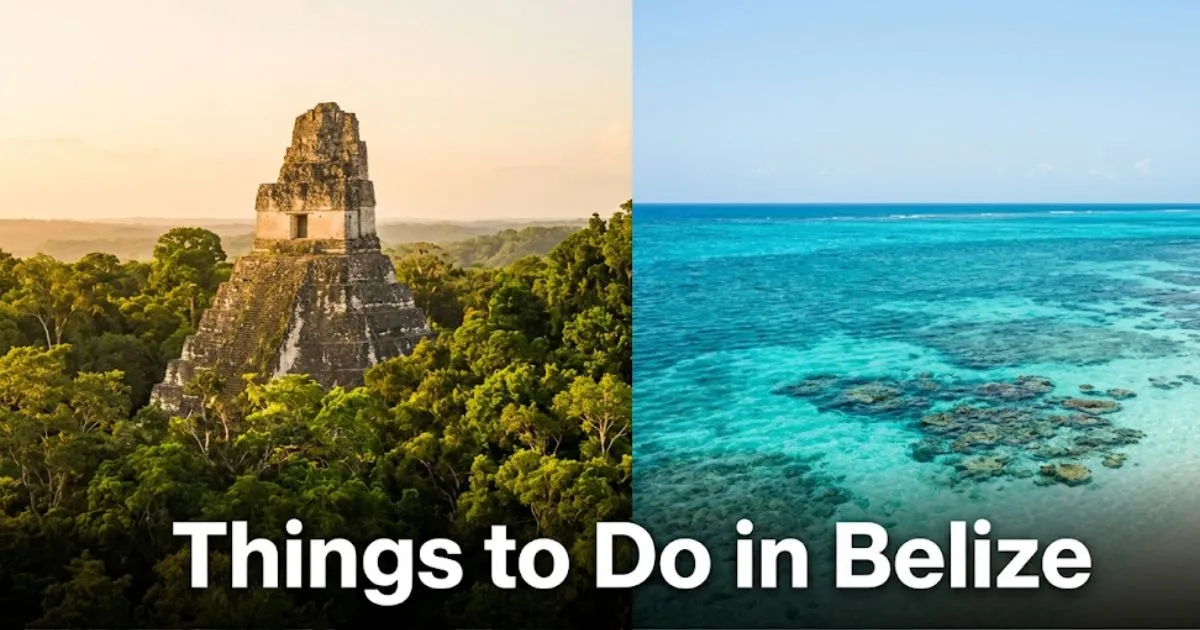
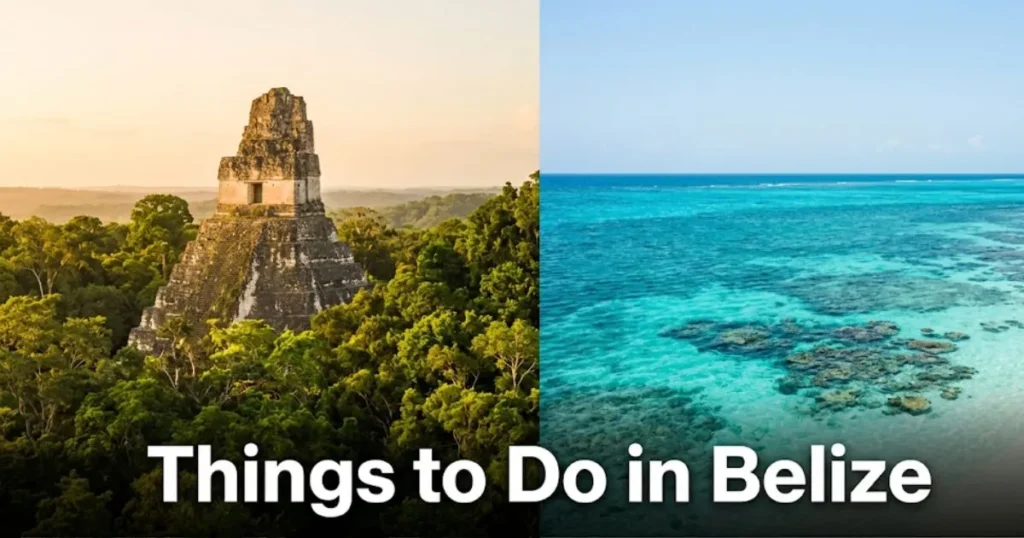
Belize delivers three distinct experiences in one compact country: Maya ruins, coral reef, and jungle interior.
It is not the beach-first destination most first-time visitors expect.
The mainland coast is mangrove and lagoon, not sandy shoreline. The postcard beaches are on the cayes.
This guide covers the 16 essential Belize experiences for 2026. Every recommendation names the specific place, the practical logistics, and who it suits best.
Things to Do in Belize
Belize packs more adventure diversity into its compact geography than any Central American destination.
The country pairs world-class reef diving with serious Maya archaeological sites.
You can explore an ancient ceremonial cave in the morning and snorkel with nurse sharks by afternoon. That combination is what makes Belize genuinely distinctive.
Most visitors split their trip between inland San Ignacio and one caye. Trying to see everything in a week will leave you exhausted.
First-timers should choose two bases maximum. The inland jungle and one island destination work perfectly for seven days.
Solo travelers will find San Ignacio and Caye Caulker social and walkable. Couples seeking quiet luxury should look at Placencia or Ambergris Caye’s north end.
Families with school-age children do well with the Belize Zoo and cave tubing. Avoid ATM Cave with anyone under 12 or uncomfortable in tight spaces.
Best Time to Visit Belize
The best time to visit Belize is late November through late April.
This dry season window delivers the most reliable weather for reef visibility and jungle trail access.
December through February is peak season. Prices rise significantly and the best jungle lodges book out months ahead.
The worst time for most travelers is June through October. Hurricane season brings heavy rainfall that reduces reef visibility and turns jungle trails to mud.
Some inland lodges close entirely during September and October. Mosquitoes and sand flies are genuinely aggressive during the wet months.
May and early November offer the best value. Weather is transitional but often acceptable and crowds are thin.
Couples seeking lower rates should target May after Easter week. Dive visibility remains good through early June most years.
Budget travelers get the best deals in November before the Thanksgiving rush. Some lodges offer shoulder-season discounts of 20 to 30 percent.
Insider Tip: The week after Belize’s lobster season opens in mid-June offers excellent value. Lobsterfest celebrations in San Pedro and Placencia are lively and hotel rates have dropped from peak season highs.
According to the Belize Tourism Board, advance bookings for December through February should be made four to six months ahead for the best lodge and caye hotel availability.
Key Takeaway: Visit between late November and late April. Book peak season four months ahead. May and November offer value.
Belize Snorkeling and Diving Spots
Belize sits on the world’s second-largest barrier reef system. The snorkeling and diving access from the cayes is remarkably direct.
You can reach quality reef sites within 15 minutes by boat from Ambergris Caye or Caye Caulker.
Hol Chan Marine Reserve is the standout snorkeling site. The channel cut through the reef holds sea turtles, eagle rays, and massive schools of fish.
Admission runs approximately $10 to $15 USD as a marine reserve fee. A guided snorkel tour from San Pedro or Caye Caulker runs roughly $40 to $80 USD per person.
Shark Ray Alley sits adjacent to Hol Chan. Nurse sharks and southern stingrays gather here in numbers that sound intimidating but are genuinely safe for snorkelers.
Divers should prioritize the Turneffe Atoll and Lighthouse Reef Atoll. These outer atolls offer wall dives and healthier coral than the inner reef sites.
The Great Blue Hole is Belize’s most famous dive site. It is a deep marine sinkhole best suited for advanced divers with a minimum of 24 logged dives.
Non-divers can fly over the Blue Hole with Tropic Air or Maya Island Air. The aerial view is spectacular and costs roughly $200 to $300 USD for a scenic flight from San Pedro or Belize City.
| Site | Best For | Cost Range (USD) | Insider Note |
|---|---|---|---|
| Hol Chan Marine Reserve | Snorkelers, beginners | $40-$80 guided tour | Go at 8 AM before cruise day-trippers arrive |
| Shark Ray Alley | Snorkelers, families | Included with Hol Chan tours | The sharks are docile. Stay calm and float. |
| Turneffe Atoll | Intermediate divers | $150-$250 day trip | Healthiest coral within day-trip range |
| Lighthouse Reef / Blue Hole | Advanced divers | $250-$400 day trip | Long boat ride. Worth it once if experienced. |
Budget travelers get the best value combining Hol Chan and Shark Ray Alley in a single half-day tour. Seniors uncomfortable with open-water swimming can enjoy the reef from a glass-bottom boat tour.
Solo snorkelers will find group tours on Caye Caulker easy to join. The social hostel scene makes finding dive buddies straightforward.
Key Takeaway: Hol Chan Marine Reserve is the best snorkeling value in Belize. Skip the Blue Hole dive unless you are an advanced diver.
Belize Cayes and Islands to Visit
The Belize cayes are where the Caribbean beach experience actually lives. Choosing the right one determines your trip’s character.
Ambergris Caye is the largest and most developed island. San Pedro town is its hub with restaurants, dive shops, and golf cart traffic that gets genuinely chaotic.
It suits couples wanting resort comfort and divers wanting the shortest boat rides to the reef. It does not suit travelers seeking a quiet, undeveloped island feel.
Caye Caulker is smaller, sand-street casual, and more backpacker-friendly. The island motto is “Go Slow” and the vibe delivers exactly that.
The Split is Caye Caulker’s social center. It is a narrow channel with a beach bar, swimming area, and sunset gathering spot that defines the island’s social life.
Placencia is not a caye but a narrow peninsula in southern Belize. It offers a mainland-connected beach experience with a more local, less expat-driven feel than Ambergris Caye.
Placencia’s sidewalk is a narrow pedestrian path running through the village. It is genuinely charming and connects restaurants, bars, and small shops.
| Destination | Best For | Atmosphere | Beach Quality | Cost Tier |
|---|---|---|---|---|
| Ambergris Caye (San Pedro) | Divers, couples, resort travelers | Busy, developed, social | Good, boat-access best spots | Mid-range to premium |
| Caye Caulker | Backpackers, solo travelers, budget couples | Laid-back, social, rustic | The Split is the main swim spot | Budget to mid-range |
| Placencia | Couples, families, travelers wanting mainland access | Relaxed, local, village feel | Best mainland beach access | Mid-range |
Solo travelers will connect most naturally on Caye Caulker. The hostel and beach bar scene is designed for meeting people.
Families should lean toward Placencia or Ambergris Caye’s resorts. Caye Caulker’s limited amenities can frustrate parents with young children.
Seniors will find Ambergris Caye’s infrastructure most comfortable. Paved streets and golf cart taxis beat sand streets for mobility access.
Key Takeaway: Choose Caye Caulker for budget and social travel. Choose Placencia for a quieter beach village. Choose Ambergris Caye for diving convenience.
Belize Ruins and Caves
Belize’s Maya ruins and cave systems are the inland counterpoint to the reef. They are serious archaeological experiences, not roadside attractions.
Xunantunich is the most accessible major ruin from San Ignacio. The hand-cranked ferry crossing the Mopan River is part of the experience.
Climbing El Castillo at Xunantunich delivers views across the jungle canopy into Guatemala. The site is well-excavated and interpretively strong.
Caracol is Belize’s largest Maya site buried deep in the Chiquibul Forest Reserve. The scale is genuinely impressive and the remote location means far fewer visitors than Tikal across the border.
Reaching Caracol requires a 4×4 vehicle and a military escort convoy for safety. This is not a self-drive trip to attempt casually.
Cahal Pech sits on a hill overlooking San Ignacio town. It is small, walkable from downtown, and offers a quiet ruins experience that most visitors overlook while rushing to Xunantunich.
Barton Creek Cave offers a canoe-based cave exploration. You paddle through a Maya ceremonial cave with skeletal remains visible on ledges above.
This suits travelers who want cave atmosphere without ATM Cave’s physical demands. It is not a substitute for ATM but it is a valuable alternative for those with mobility concerns.
Budget travelers can combine Cahal Pech with the San Ignacio market for a low-cost morning. Entry fees at smaller ruins run approximately $5 to $10 BZD.
Families with young children do better at Xunantunich than Caracol. The drive to Caracol is long, rough, and loses children’s interest quickly.
Insider Tip: Locals often visit Cahal Pech in the late afternoon when cruise day-trippers have departed and the light over the Macal River valley turns golden.
Key Takeaway: Xunantunich is the best first Maya ruin. Caracol is for archaeology enthusiasts with a full day to commit.
Belize Mayan Sites Guide
Belize’s Maya sites range from easily accessible ceremonial centers to remote jungle cities. Choosing the right one depends on your time, transport, and interest level.
Altun Ha is the closest major ruin to Belize City and the cruise ship terminal. It is compact, photogenic, and the source of the largest carved jade object found in the Maya world.
It gets genuinely crowded when cruise ships are in port. Visit before 10 AM or after 2 PM to avoid the excursion bus crush.
Lamanai sits on the New River Lagoon and requires a boat approach. The river journey is part of the experience and the site’s Mask Temple is striking.
The boat ride from Orange Walk takes about an hour. Wildlife spotting along the way is reliable: crocodiles, water birds, and occasionally howler monkeys in the canopy.
Caracol is the site for travelers serious about Maya archaeology. The main pyramid, Caana, remains the tallest human-made structure in Belize.
The round-trip from San Ignacio takes a full day. The military convoy departs the Douglas D’Silva checkpoint at designated morning times.
Xunantunich is the best choice for first-time visitors and families. It is 15 minutes from San Ignacio, well-maintained, and the El Castillo summit climb is manageable for anyone with reasonable fitness.
Cahal Pech is the local favorite in San Ignacio. It is small and intimate, perfect for a quiet hour of exploration without the tour-group atmosphere.
| Maya Site | Closest Base | Travel Time | Crowd Level | Best For |
|---|---|---|---|---|
| Xunantunich | San Ignacio | 15 minutes | Moderate | First-timers, families |
| Cahal Pech | San Ignacio | Walking distance | Low | Local experience, quick visit |
| Caracol | San Ignacio | 2.5 hours one-way | Low | Archaeology enthusiasts |
| Altun Ha | Belize City | 45 minutes | High on cruise days | Cruise passengers, short visits |
| Lamanai | Orange Walk | 1-hour boat ride | Moderate | Wildlife and ruins combination |
Solo travelers and couples can self-guide Xunantunich and Cahal Pech with a guidebook. Caracol and Lamanai require guided tours for practical and safety reasons.
Seniors with mobility concerns should focus on Altun Ha and Cahal Pech. These sites have flatter terrain and less demanding stair climbing.
Key Takeaway: Xunantunich is the best all-rounder Maya site. Caracol is the best for serious archaeology buffs. Cahal Pech is the local’s quiet pick.
Things to Do in San Ignacio Belize
San Ignacio is Belize’s inland adventure capital. The town sits in the Cayo District near the Guatemala border along the Macal River.
It serves as the base for Maya ruins, cave exploration, and jungle adventure. The town itself is compact, walkable, and has the best concentration of local restaurants in inland Belize.
Burns Avenue is San Ignacio’s main street. It holds the town’s best-value restaurants, tour operators, and the Saturday market atmosphere that defines the local rhythm.
The San Ignacio Market on Saturday morning is the best free cultural experience in the Cayo District. Farmers, Maya artisans, and local cooks set up stalls by 7 AM.
Buy fresh tropical fruit, handmade tortillas, and Maya chocolate. This is where locals shop and the experience costs only what you choose to spend.
The Green Iguana Conservation Project at the San Ignacio Resort Hotel is a surprising hit. It is a small, well-run education center where you can hold juvenile iguanas and learn about the species.
Entry runs approximately $10 to $15 USD. It takes about 45 minutes and works well for families with young children.
Cahal Pech Maya ruins sit on a hill at the south end of town. Walking from Burns Avenue takes about 15 minutes uphill and the site is rarely crowded.
Solo travelers will find San Ignacio the easiest inland base for meeting other travelers. The restaurant and bar scene on Burns Avenue is social without being a party destination.
Couples should book a jungle lodge outside town rather than staying on Burns Avenue. The riverfront lodges along the Macal offer privacy that the town center cannot match.
Budget travelers can eat well in San Ignacio for under $10 USD per meal. The market food stalls and small comedors on side streets deliver the best value.
Key Takeaway: San Ignacio is the essential inland base. Visit the Saturday market. Stay outside town for quiet. Stay in town for social energy.
Belize ATM Cave Tour
The Actun Tunichil Muknal (ATM) Cave is Belize’s most extraordinary inland experience. It is a Maya ceremonial cave containing skeletal remains, ceramics, and stone tools left exactly where archaeologists documented them.
This is not cave tubing or a casual walk-through. You swim into the cave entrance, wade through chest-deep water, climb over rock formations, and navigate tight spaces by headlamp.
Physical demands are genuine. Anyone with claustrophobia, mobility limitations, or poor swimming ability should not attempt this tour.
Advance booking is mandatory. The Belize government limits daily visitor numbers and only licensed guides can lead tours. Book at least two to four weeks ahead during peak season.
The tour departs from San Ignacio. Most operators pick up from local hotels around 7 AM and return by 4 PM. The drive to the trailhead takes about an hour on rough roads.
You will be barefoot or in socks inside the cave to protect the fragile surfaces. Cameras were banned after a visitor dropped a camera onto a skull several years ago.
Solo travelers should book through a San Ignacio hostel or tour desk to join a group. Private tours are available but cost significantly more.
Families must confirm age restrictions. Most operators set a minimum age of 8 to 12 depending on the child’s size and swimming ability.
The Belize Audubon Society co-manages the site with NICH. Flash flood risk is real and guides cancel tours when rains threaten the cave’s water levels.
The local alternative for travelers who cannot or should not do ATM is Barton Creek Cave. You explore by canoe, stay seated, and still experience a Maya ceremonial cave with skeletal remains visible on the ledges.
ATM costs approximately $95 to $125 USD per person as a group tour. This includes transport, guide, park fees, and lunch. It is the best value adventure experience in Belize for those physically capable.
Key Takeaway: ATM Cave is the single best thing to do in Belize for fit, adventurous travelers. Book weeks ahead. Be honest about your physical limits.
Belize Jungle and Wildlife Experiences
Belize’s inland jungle is not just the backdrop for Maya ruins. It is a wildlife destination in its own right with experiences that rival Costa Rica at a lower cost.
The Cockscomb Basin Wildlife Sanctuary is the world’s first jaguar preserve. You will almost certainly not see a jaguar but the trails, waterfalls, and birding are excellent.
The trail network covers over 20 miles. The Ben’s Bluff Trail climbs to a viewpoint that delivers the sanctuary’s best vista in about 90 minutes.
Seeing a jaguar in Cockscomb is exceptionally rare. Manage expectations accordingly. The preserve protects habitat and that is its real value, not wildlife viewing guarantees.
The Belize Zoo is not a typical zoo. Every animal is a rescued native Belizean species in naturalistic enclosures. It sits on 29 acres about 30 minutes west of Belize City.
The zoo is the best place in Belize to see a jaguar up close. Junior Buddy, the zoo’s resident jaguar ambassador, is one of the most reliably visible big cats in the country.
Admission runs approximately $15 USD for adults. The zoo takes about two to three hours to see properly. Go early in the morning when animals are most active.
The Community Baboon Sanctuary near Bermudian Landing protects black howler monkeys through a voluntary community conservation model. Local landowners preserve forest corridors on their private property.
A guided walk gets you close enough to hear howler monkeys vocalize. The sound carries for miles and is genuinely one of the most arresting wildlife sounds in the Americas.
Mountain Pine Ridge Forest Reserve offers a different ecosystem entirely. The pine forest, granite boulders, and cool swimming holes feel nothing like the lowland jungle.
Big Rock Falls and Rio On Pools are the two swimming destinations here. Big Rock Falls has a more dramatic cascade. Rio On Pools offers natural granite swimming basins that are easier for families.
Solo wildlife enthusiasts should hire a private birding guide in Cockscomb. The guide cost is worth it for identification expertise.
Families with children do best at the Belize Zoo and Community Baboon Sanctuary. Both offer structured, accessible wildlife experiences without long jungle hikes.
Key Takeaway: The Belize Zoo is the best wildlife guarantee. Cockscomb Basin is for birders and hikers. Do not expect to see a jaguar in the wild.
Things to Do in Caye Caulker Belize
Caye Caulker is the backpacker-friendly, barefoot-energy island that defines Belize’s laid-back reputation. It is small enough to walk end to end in 30 minutes.
The Split is the island’s defining feature. It is a narrow water channel created by Hurricane Hattie in 1961 and now serves as the main swimming and social area.
The Lazy Lizard bar at The Split is the iconic spot for sunset drinks. The water is clear, calm, and deep enough for proper swimming.
Snorkeling tours from Caye Caulker are the best value in Belize. Hol Chan Marine Reserve and Shark Ray Alley tours cost less from Caulker than from San Pedro.
A full-day tour including Hol Chan, Shark Ray Alley, and the shipwreck snorkel site typically runs $60 to $90 USD per person. Half-day tours are available for less.
Koko King Beach on the north island offers a dedicated beach club with loungers and a pool. A free water taxi shuttles from the main dock. It is the best dedicated beach setup on the island.
Eating on Caye Caulker centers on the main drag, Front Street. Chef Kareem’s for grilled lobster, Wish Willy’s for jerk chicken in a garden setting, and Ice and Beans for morning coffee are local institutions.
Solo travelers will find Caye Caulker the most socially natural destination in Belize. The hostel scene at Go Slow Hostel and Yuma’s House connects travelers organically.
Couples on a budget should look at guesthouses on the east side of the island. They are quieter than Front Street but still walkable to everything.
Families can manage Caye Caulker but the island’s appeal is more adult-backpacker than kid-focused. There are no large resorts, no kids’ clubs, and limited structured activities for children.
Seniors and accessibility travelers should note that Caye Caulker’s streets are packed sand and can be challenging for wheelchairs or walkers. Ambergris Caye’s paved roads offer better accessibility.
Insider Tip: Locals and repeat visitors skip the crowded midday Hol Chan tours. Book the last departure of the day around 2 PM for fewer boats and better light.
Key Takeaway: Caye Caulker is the best budget and solo traveler island. The Split is the social center. Book afternoon snorkel tours.
Things to Do in Placencia Belize
Placencia is a 16-mile peninsula in southern Belize with the best mainland beach access in the country. The village at the tip is small, walkable, and feels more local than Ambergris Caye.
The Placencia Sidewalk is the narrowest main street in Belize. It is a pedestrian-only path connecting the village’s restaurants, bars, and small shops.
The sidewalk is genuinely charming at dusk. Local families stroll, music spills from small bars, and the vibe is community-centered rather than tourist-driven.
Placencia’s beach is the best sandy swimming access on the Belize mainland. The water is calm, the sand is soft, and the setting is protected inside the lagoon.
The peninsula serves as the best base for accessing the southern cayes. Silk Cayes, Laughing Bird Caye, and the outer reef sites are closer from Placencia than from the northern islands.
Snorkeling and diving day trips to Laughing Bird Caye National Park run approximately $80 to $120 USD. The faro reef formation here is a different structure than the northern barrier reef.
Whale shark sightings occur near Gladden Spit during March through June. Full moon nights bring the highest probability. This is one of the few places in the Caribbean where whale shark encounters are reliable.
Tutti Frutti gelato on the sidewalk is a local institution. Dawn’s Grill for stew chicken and Rumfish for ceviche are the essential food stops.
Couples looking for a quieter, more romantic beach experience should choose Placencia over Ambergris Caye. The village scale and lack of golf cart traffic make it more intimate.
Budget travelers will find fewer hostel options in Placencia than Caye Caulker. Guesthouses in the village offer the best value.
Families do well here. The calm beach, walkable village, and range of accommodations from guesthouses to resorts suit multi-generational travel.
Insider Tip: The southern end of the Placencia peninsula beyond the village has quieter stretches of beach. Maya Beach and Seine Bight offer seclusion that the village center cannot match.
Key Takeaway: Placencia is the best mainland beach destination. It suits couples and families seeking a quieter alternative to Ambergris Caye.
Belize Local Food and Culture
Belizean food and culture reflect the country’s genuinely multicultural identity. Maya, Mestizo, Garifuna, Creole, and Mennonite communities each contribute distinct traditions.
Rice and beans with stew chicken is the national dish. It is served at roadside comedors, market stalls, and family kitchens across the country.
Order it at Coleman’s Cafe in San Ignacio or Nerie’s in Belize City. These are local institutions, not tourist restaurants, and the prices reflect it.
Fry jacks are the Belizean breakfast staple. These deep-fried dough pockets come stuffed with beans, cheese, eggs, or meat. Pops Restaurant on Burns Avenue in San Ignacio does them right.
Marie Sharp’s hot sauce is Belize’s most famous export. The factory near Dangriga offers tastings and the habanero-based sauces range from mild to genuinely punishing.
The Garifuna culture is concentrated in Dangriga and Hopkins. Garifuna Settlement Day on November 19 is the biggest cultural celebration with drumming, dancing, and hudut (a fish and coconut stew).
Maya chocolate making is an experience available through cooperatives near San Ignacio. The Ajaw Chocolate and Crafts workshop demonstrates traditional grinding and preparation methods.
Lobsterfest runs from mid-June onward when lobster season opens. San Pedro and Placencia both hold multi-week celebrations with grilled lobster, music, and beach parties.
Belikin beer is the national lager. The brewery is in Ladyville near the airport and the beer is available everywhere from dive bars to resort restaurants.
Solo travelers will connect with Belizean culture most easily through food. Eating at market stalls and comedors puts you in direct contact with local cooks and daily life.
Couples should look for Garifuna drumming nights in Hopkins. The Lebeha Drumming Center offers evening sessions that are more intimate and culturally genuine than larger hotel performances.
Budget travelers can eat well in Belize for under $8 USD per meal at local comedors. The San Ignacio market and Caye Caulker’s side-street stalls offer the best value.
Key Takeaway: Eat rice and beans from local comedors, not hotel restaurants. See Garifuna drumming in Hopkins or Dangriga. Buy Marie Sharp’s at the source.
Belize Itinerary 7 Days
A seven-day Belize itinerary works best as a two-stop trip. Split your time between the inland Cayo District and one caye destination.
This structure gives you the reef-and-ruins combination that makes Belize distinctive without burning days in transit.
Days 1-3: San Ignacio and the Cayo District
Day 1: Fly into BZE. Take a pre-arranged shuttle or rental vehicle directly to San Ignacio. The drive takes approximately two hours. Check into your lodge or guesthouse. Walk Burns Avenue in the evening. Dinner at Ko-Ox Han Nah.
Day 2: Early departure for the ATM Cave tour. This is a full-day commitment. Return by late afternoon. Light dinner and early bed.
Day 3: Morning visit to Xunantunich Maya ruins. Arrive at 8 AM opening to beat the heat and the tour groups. Afternoon at Cahal Pech ruins or the Green Iguana Conservation Project. Sunset drinks overlooking the Macal River.
Days 4-7: Choose Your Caye
Option A (Social and budget-friendly): Head to Caye Caulker. Take a shuttle back to Belize City, then the water taxi to Caulker. Spend days snorkeling Hol Chan, lounging at The Split, and eating grilled lobster on Front Street.
Option B (Quiet beach and romance): Head to Placencia. Fly from San Ignacio’s airstrip or drive. Spend days on the beach, snorkeling Laughing Bird Caye, and walking the sidewalk at sunset.
Option C (Diving-focused resort time): Fly to Ambergris Caye. Spend days diving the barrier reef, taking a day trip to the Blue Hole if qualified, and enjoying San Pedro’s restaurant scene.
Day 7: Return to Belize City for departure. Water taxi or domestic flight connects from any caye.
This itinerary avoids the common mistake of trying to add a third destination. Transit times between locations in Belize are short on a map but slow in practice.
| Day | Location | Morning | Afternoon | Evening |
|---|---|---|---|---|
| 1 | Travel to San Ignacio | Arrive BZE, transfer west | Settle in, walk Burns Ave | Dinner on Burns Avenue |
| 2 | San Ignacio | ATM Cave tour | ATM Cave tour continues | Light dinner, rest |
| 3 | San Ignacio | Xunantunich ruins | Cahal Pech or Iguana Project | Sunset at river lodge |
| 4 | Transfer to caye | Shuttle or flight to coast | Arrive at caye base | First island sunset |
| 5 | Caye base | Snorkel or dive day trip | Beach or pool time | Seafood dinner |
| 6 | Caye base | Morning activity | Afternoon relaxation | Final island dinner |
| 7 | Departure | Transfer to BZE | Fly out | — |
Key Takeaway: Two bases in seven days. San Ignacio plus one caye. Do not add a third stop. Book ATM Cave before flights.
Belize Travel Tips for First Timers
Belize rewards travelers who arrive prepared. The country operates on its own rhythm and expectations shaped by Mexico or Caribbean resort destinations will not match reality.
Cash is king. Belize dollars (BZD) and US dollars are both accepted everywhere at a fixed 2:1 rate. Carry small bills for local comedors, markets, and water taxis.
Credit cards work at resorts and higher-end restaurants. They are useless at street stalls, small tour operators, and most local businesses.
Water is generally safe to drink in tourist areas. Bottled water is widely available and inexpensive. In remote jungle areas, stick to filtered or bottled water.
Insect repellent is not optional. Mosquitoes and sand flies are aggressive at dusk and during wet season. Bring DEET-based repellent or picaridin. You will use it daily.
Golf carts are the primary vehicle on Ambergris Caye and Caye Caulker. Book your rental ahead during peak season. They sell out and walking becomes your only option.
Domestic flights save hours. Tropic Air and Maya Island Air operate small planes connecting BZE to San Pedro, Caye Caulker, Placencia, Punta Gorda, and Dangriga. A 15-minute flight replaces a three-hour drive-and-ferry combination.
No ride-share services exist in Belize. Taxis are available in Belize City and San Ignacio. Agree on the fare before getting in. There are no meters.
Cruise ship days change everything. When ships dock at Belize City, Altun Ha, cave tubing sites, and Hol Chan fill with excursion groups. Plan inland and reef activities for non-cruise-ship days when possible.
The Belize Tourism Board website lists official tour operators and current entry requirements. Check it before booking independent tours.
First-timers commonly underestimate transit times between destinations. San Ignacio to Placencia is not a quick drive. It takes three to four hours on variable road conditions.
Key Takeaway: Carry cash, book domestic flights for long transits, pack insect repellent, and avoid cruise ship days for popular sites.
Belize Budget Travel
Belize is not the cheapest country in Central America but it is genuinely manageable on a budget with the right choices.
The single biggest budget decision is choosing Caye Caulker over Ambergris Caye. Accommodation, food, and tour costs are 30 to 50 percent lower on Caulker.
Dorm beds on Caye Caulker run approximately $15 to $25 USD per night. Private budget rooms range from $40 to $60 USD. San Ignacio offers similar pricing for inland budget stays.
Street food and market meals cost $3 to $8 USD for a filling plate of rice and beans with stew chicken or a stuffed fry jack. Eating at local comedors keeps your daily food budget under $20 USD.
Self-guiding Xunantunich and Cahal Pech saves guide fees. Both sites are manageable with a guidebook and the entry fees are low at $5 to $10 BZD.
Water taxis cost significantly less than domestic flights. The Belize City to Caye Caulker water taxi runs approximately $15 to $20 USD each way versus $60 to $90 USD for a flight.
Group tours for snorkeling and cave exploration slash per-person costs. Join a group at your hostel or guesthouse rather than booking a private tour.
Travel during shoulder season. May and November offer the best value with lower accommodation rates and acceptable weather for most activities.
The biggest budget mistake is trying to do Belize on a $30-per-day backpacker budget like Guatemala or Nicaragua. Belize is simply more expensive.
Realistic daily budgets:
- Backpacker on Caye Caulker: $50 to $70 USD per day including dorm, street food, and one activity
- Mid-range couple: $150 to $250 USD per day including private room, restaurant meals, and daily activities
- Premium traveler on Ambergris Caye: $300 to $500 USD per day including resort, diving, and fine dining
Solo budget travelers should base in Caye Caulker and San Ignacio. This two-stop circuit minimizes transit costs and maximizes affordable accommodation and food options.
Key Takeaway: Choose Caye Caulker over Ambergris Caye for budget travel. Eat at comedors. Travel in May or November. Join group tours.
Belize Safety Tips for Tourists
Belize is generally safe for tourists who exercise standard developing-world precautions. The country’s tourism infrastructure is established and visitor-focused crime is low.
The areas where tourists spend time are not the areas where Belize’s crime challenges exist. San Ignacio, the cayes, and Placencia have low rates of violent crime against visitors.
Belize City requires specific caution. The city has areas with elevated crime that tourists should avoid. Do not walk around Belize City at night. Use a taxi to transit directly between the water taxi terminal, airport, or your hotel if staying overnight.
The US Department of State currently advises increased caution in Belize due to crime. The advisory specifically notes that most incidents occur in Belize City and that tourist areas are generally safe.
Border areas near Guatemala have advisories related to narcotics trafficking. The Caracol archaeological site is accessed via military-escorted convoy specifically because of past incidents.
Water safety is a practical concern. Rip currents exist at reef passages. The Blue Hole dive is genuinely demanding and dive operators have safety protocols. Choose PADI-certified operators and be honest about your diving experience.
Sun and heat exposure catches visitors off guard. The Belize sun is intense year-round. Reef sunburns happen fast because the breeze masks skin heating.
Insect-borne illness risk exists. Dengue and, rarely, malaria occur in Belize. Use repellent, wear long sleeves at dusk, and sleep under mosquito nets in jungle lodges.
Petty theft occurs as it does in any tourist destination. Do not leave valuables unattended on beaches, in unlocked rooms, or visible in rental vehicles.
ATM safety: Use ATMs at banks, not standalone machines. Cover your PIN. Count cash inside the bank. Belize runs on cash and ATMs can run out on weekends in smaller towns.
Emergency numbers: Dial 911 for police. The Belize Tourism Board operates a tourist safety hotline. Your hotel or lodge will have the current number.
Solo female travelers report feeling safe in San Ignacio and on the cayes. Standard precautions apply: avoid isolated areas at night, use reputable taxi services, and stay in reviewed accommodation.
Key Takeaway: Belize is safe for tourists in the areas you will visit. Be cautious in Belize City. Respect water and sun hazards. Use bank ATMs.
Frequently Asked Questions About Things to Do in Belize
What is the best month to visit Belize?
The best month to visit Belize is March.
Dry season conditions are reliable and peak-season crowds begin thinning after February.
April offers similar weather but temperatures start climbing toward May’s uncomfortable heat levels.
Is Belize safe for tourists right now?
Yes, tourist areas including San Ignacio, the cayes, and Placencia are generally safe.
Exercise caution in Belize City, especially at night, and avoid non-tourist areas.
Check the US Department of State Belize travel advisory before departure for current conditions.
Do I need a visa to visit Belize?
US citizens do not need a visa for tourist stays up to 30 days in Belize.
A valid passport with at least six months remaining validity and proof of onward travel are required.
Visa requirements for other nationalities should be verified with the Belize Immigration Department.
How many days do you need in Belize?
Seven days is the minimum for a meaningful Belize trip covering inland and island experiences.
Ten to fourteen days allows a more relaxed pace and a third destination like Placencia or Hopkins.
A five-day trip works if you choose one base only: either San Ignacio or one caye.
Is Belize expensive to visit?
Belize is mid-range compared to Central American destinations.
It costs more than Guatemala and Nicaragua but less than Costa Rica.
Budget travelers can manage $50 to $70 USD per day on Caye Caulker or in San Ignacio.
Can you visit the Belize Blue Hole without diving?
Yes, scenic flights over the Great Blue Hole operate from San Pedro and Belize City.
Tropic Air and Maya Island Air offer 60-minute flyover tours costing approximately $200 to $300 USD.
The aerial view reveals the hole’s circular formation in ways the dive experience cannot.
Your Belize Trip Starts with Two Decisions
Decide between Caye Caulker and Ambergris Caye for your island time. This single choice shapes your budget, social experience, and daily rhythm more than anything else.
Book your ATM Cave permit before you book flights during peak season. Permits are limited and sell out weeks ahead from December through March.
Verify water taxi schedules, domestic flight availability, and any entry requirement changes directly with the Belize Tourism Board before departure. Travel conditions change and the dry season of 2026 may bring operational adjustments that no article can predict.
Belize is not the easiest destination but it is one of the most rewarding for travelers who plan ahead and arrive prepared.