San Francisco Places to Visit: 2026 Guide to What’s Actually Worth It

San Francisco rewards travelers who skip the tourist waterfront and explore its real neighborhoods instead.
The city’s best experiences live in its distinct districts, not in the crowded pier shops selling souvenir sweatshirts.
September and October deliver the city’s warmest, clearest weather despite what summer vacation planners assume.
The Golden Gate Bridge hides in fog from June through August while fall brings postcard-perfect skies to the bay.
This guide covers which San Francisco places to visit actually earn their reputation, which tourist magnets to skip, and how to navigate the city’s microclimate geography like someone who knows the difference between the fog belt and the sunny Mission District.
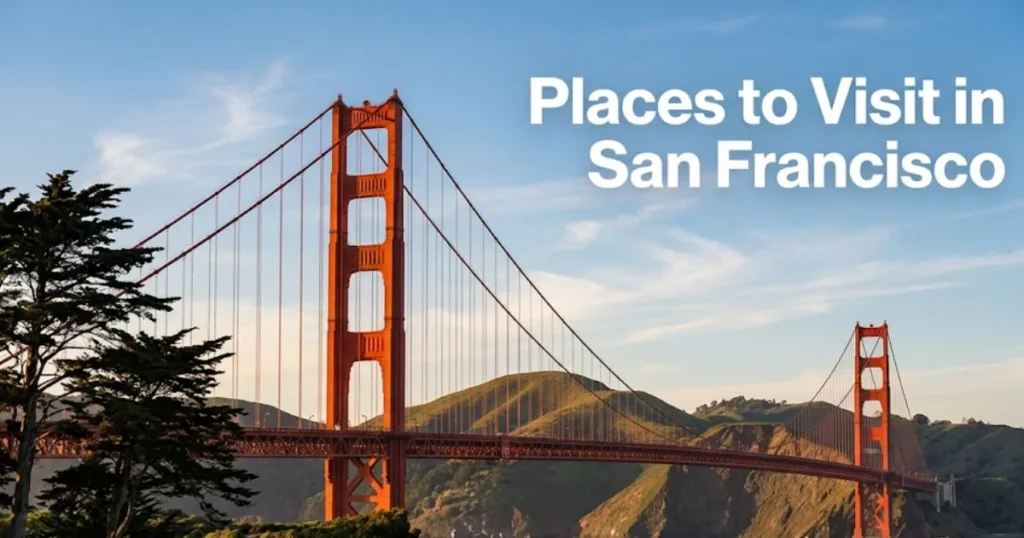
Places to Visit in San Francisco
San Francisco’s genuinely worthwhile places span distinct neighborhoods, not a single tourist corridor.
Skip the idea of a centralized sightseeing strip.
The city separates into foggy western parks, sunny eastern Mission District streets, historic northern waterfront neighborhoods, and the Golden Gate National Recreation Area wrapping its northwest edge.
Each zone demands different weather preparation and transit strategy.
Think of San Francisco as seven square miles of microclimates stitched together by steep streets and Muni rail lines.
The neighborhoods that make the city memorable are not the ones closest to the cable car turnaround at Powell and Market.
| Zone | Best For | Weather Pattern | Transit Access |
|---|---|---|---|
| Northwest (Presidio, Lands End) | Outdoor lovers, photographers | Foggy mornings, clearer afternoons | Bus lines, limited parking |
| Northeast (North Beach, Chinatown) | Walkers, food-focused travelers | Mixed, often sunny | Cable cars, Muni, walkable |
| Central (Golden Gate Park, Haight) | Museum-goers, families | Fog belt, cool year-round | N-Judah Muni line, buses |
| Southeast (Mission, Castro) | Foodies, nightlife seekers | Sunniest zone, warmest | BART, J-Church Muni, walkable |
Golden Gate Bridge Best Viewing Spots
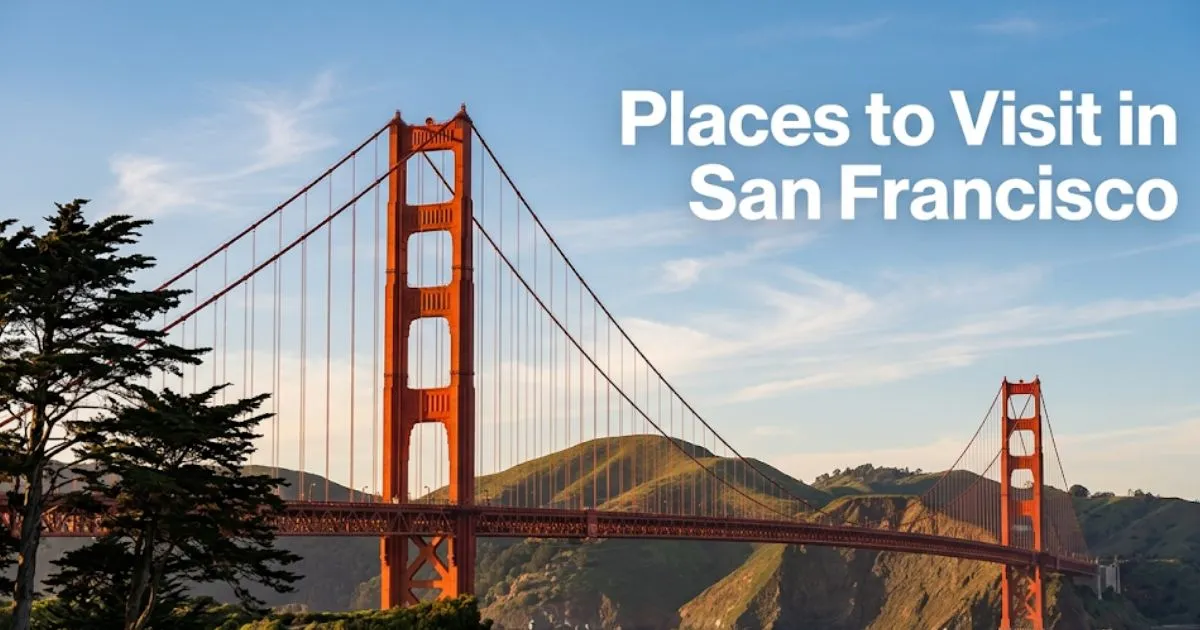
The best Golden Gate Bridge views come from the Marin Headlands side, not the San Francisco welcome center.
Battery Spencer delivers the classic postcard angle high above the bridge’s north tower.
Drive or bike across the bridge to reach it.
Parking is limited and car break-ins are common at all bridge overlooks.
Never leave anything visible in your vehicle at any viewing area.
The Golden Gate Bridge Welcome Center on the San Francisco side offers exhibits and restrooms but inferior photo angles.
It works for a quick stop, not the iconic shot most visitors want.
Crissy Field provides a beach-level perspective with the bridge rising above the sand.
This spot suits families with children who need space to run while adults take in the view.
Solitary walkers will find the promenade peaceful on weekday mornings before 9am.
The bridge vanishes into fog most mornings from June through August.
Plan your visit between September and early November for reliable visibility.
Locals know to check the webcam before driving to any viewpoint.
[Golden Gate National Recreation Area] reports that the bridge’s pedestrian walkway opens during daylight hours only and closes to cyclists at certain times.
Confirm current access rules before heading out.
Key Takeaway: Cross the bridge to Battery Spencer for the iconic photo and visit between September and November when fog is least likely to ruin the view.
Alcatraz Island Tour Guide
Alcatraz Island requires advance tickets booked 60 to 90 days ahead for peak-season visits.
The Alcatraz Cruises ferry is the only authorized transportation to the island.
Tickets typically cost between $45 and $55 per adult as of recent years.
Book directly through the official concessioner website.
Do not purchase from third-party resellers who mark up prices significantly.
The night tour offers a genuinely different experience with smaller crowds and dramatic lighting.
It sells out even faster than daytime departures.
The self-guided audio tour inside the cellhouse remains the most compelling part of the visit.
Voices of former inmates and guards narrate the experience with unexpected emotional weight.
Families with children should know the tour takes about two to three hours total including ferry transit.
Young children may find the cellhouse unsettling.
Solo travelers will appreciate the self-guided format at their own pace.
Summer tickets vanish months ahead.
Winter visits offer better availability but colder ferry rides across the bay.
The island has limited shelter from wind and rain.
Locals often skip Alcatraz entirely in favor of Angel Island State Park, a larger island with hiking trails, historic immigration station exhibits, and panoramic bay views without the ticket scarcity.
Ferries to Angel Island depart from the same area near Pier 39 but rarely sell out.
Best Neighborhoods in San Francisco to Explore
San Francisco’s best neighborhoods reward walkers who abandon the Union Square hotel zone.
The Mission District delivers the city’s best food scene, mural art, and reliably sunny weather.
North Beach offers Italian food culture, Beat Generation literary history, and intimate bar atmospheres.
The Richmond and Sunset districts on the city’s foggy west side house authentic dim sum parlors and neighborhood produce markets far from tourist crowds.
Hayes Valley concentrates independent boutiques and design-forward coffee shops within four walkable blocks near Patricia’s Green park.
Each neighborhood operates on its own weather system.
Check fog patterns before deciding where to spend an outdoor afternoon.
| Neighborhood | Best For | Signature Experience | Fog Risk |
|---|---|---|---|
| Mission District | Food travelers, art lovers | Mural alleys, burritos, Dolores Park | Lowest |
| North Beach | Couples, literary history buffs | City Lights Bookstore, espresso at Caffe Trieste | Medium |
| Chinatown | Culture seekers, food explorers | Stockton Street produce markets, dim sum | Low |
| Haight-Ashbury | Music history fans, vintage shoppers | Amoeba Music, Victorian architecture | Medium |
| Castro | LGBTQ+ travelers, nightlife | Castro Theatre, historic bars | Low |
Key Takeaway: Base your days by neighborhood cluster, not by attraction checklist, and always check which zone will be sunny before committing to outdoor plans.
Golden Gate Park Attractions and Activities
Golden Gate Park stretches over 1,000 acres from the Haight-Ashbury edge to Ocean Beach.
It is larger than New York’s Central Park and houses multiple museums, gardens, and walking trails.
The Japanese Tea Garden is the park’s most photogenic single destination.
Admission runs approximately $10 to $15 per adult with lower rates for San Francisco residents.
The de Young Museum offers free access to its observation tower with 360-degree city and ocean views.
You do not need a museum ticket to ride the elevator to the top.
The California Academy of Sciences houses a living roof, aquarium, and planetarium under one admission price.
Families with children should prioritize this museum for its interactive exhibits and indoor rainforest dome.
The park’s Conservatory of Flowers provides a Victorian greenhouse experience with seasonal orchid displays.
It works well as a shorter stop between larger museum visits.
Solo travelers can rent a bike near the park entrance and explore the car-free eastern sections on Sundays when JFK Drive closes to vehicles.
The park sits squarely in the city’s fog belt.
Afternoons between September and November offer the warmest, clearest conditions for outdoor wandering.
Locals prefer the less-visited San Francisco Botanical Garden for quiet paths and native California plant collections without the tour bus crowds that fill the Japanese Tea Garden by 11am.
Ferry Building Marketplace and Embarcadero
The Ferry Building Marketplace concentrates the Bay Area’s best food producers under one historic clock tower.
Hog Island Oyster Company serves fresh oysters with bay views from its waterside counter.
Blue Bottle Coffee and Cowgirl Creamery anchor the marketplace’s artisanal food reputation.
The Saturday farmers market outside the Ferry Building draws the region’s top farms and food vendors.
Arrive before 9am to browse before the dense crowds fill the arcades.
Weekday visits offer a quieter experience with the same permanent vendors open for lunch.
The Embarcadero promenade stretches south toward Oracle Park and north toward Fisherman’s Wharf.
The southern section toward the ballpark sees fewer tourists and offers cleaner walking paths.
Couples will find the Ferry Building ideal for a leisurely food-focused morning wandering between oyster bars, cheese counters, and pastry displays.
Budget travelers should note that marketplace prices run high.
Grabbing coffee and a pastry costs less than a full seated lunch.
Solo travelers can eat at counter seating along the bay-facing windows without feeling awkward dining alone.
Summer afternoons bring strong wind off the bay.
Dress in layers regardless of how warm it feels inland.
The Ferry Building’s back plaza offers sheltered seating when the wind picks up.
Key Takeaway: Visit the Saturday farmers market early for the best experience or go weekday mornings for the same quality food with zero crowds.
Mission District Murals Food and Culture
The Mission District holds San Francisco’s densest concentration of public mural art and its most famous food traditions.
Clarion Alley and Balmy Alley display politically charged mural work that changes as artists add new pieces.
The murals tell the neighborhood’s Latino cultural history and current social justice movements in vivid color across garage doors and building walls.
La Taqueria on Mission Street serves the city’s most debated and celebrated burrito.
No rice goes inside this particular style, a point of genuine local culinary argument.
Tartine Bakery draws lines down Guerrero Street for its morning bread and pastry selection.
Arrive at opening or expect a 30-minute wait on weekends.
Dolores Park anchors the neighborhood’s social life with a south-facing lawn that catches the Mission’s reliable sunshine.
Weekend afternoons fill with picnicking groups and a cross-section of the city’s diverse population.
Solo travelers will find the Mission the most sociable neighborhood for bar-counter dining and park-bench people-watching.
Families with children should visit Dolores Park earlier in the day before the afternoon party atmosphere builds.
The neighborhood’s flat terrain makes it one of the city’s most walkable districts.
The best local alternative to the tourist-heavy Mission burrito lines is a morning pan dulce and coffee at a neighborhood panaderia like La Victoria on 24th Street.
Chinatown San Francisco Walking Guide
San Francisco’s Chinatown is North America’s oldest and densest Chinese community outside Asia.
Grant Avenue is the tourist-facing commercial street with souvenir shops and restaurant facades.
Stockton Street, one block west, is where Chinatown residents actually shop for produce, live seafood, and daily necessities.
The Dragon Gate at Grant and Bush marks the southern entrance and the most photographed entry point.
Walk through it, then immediately turn onto Stockton for the real neighborhood experience.
The Golden Gate Fortune Cookie Factory on Ross Alley offers a cramped but memorable glimpse of fortune cookies being made by hand.
Admission is free with a small donation requested if you take photos.
Dim sum at Good Mong Kok Bakery on Stockton Street delivers fast, affordable, and genuinely local-quality dumplings.
Expect to point at what you want and pay cash.
Waverly Place features painted balconies and the city’s oldest operating temple, Tin How Temple, tucked above the street level.
Look up to see architectural details most visitors miss while looking at street-level storefronts.
Solo travelers can navigate the dense sidewalks easily.
Seniors and accessibility travelers should note that many Chinatown storefronts have steps and narrow doorways.
The main streets are flat but side alleys are steep.
Couples will appreciate the intimate tea tasting rooms that hide above street level along Grant Avenue.
Ask at the entrance of Vital Tea Leaf for a complimentary tasting session.
Presidio and Crissy Field Outdoor Activities
The Presidio of San Francisco is a former military base turned national park site with forested trails and bay-front promenades.
Presidio Tunnel Tops, opened in 2022, provides contemporary park design with picnic areas and bridge views built above the highway tunnels.
Crissy Field runs along the waterfront with a flat gravel path that suits runners, strollers, and casual walkers equally.
The beach at Crissy Field East offers the warmest sand on the bay side for families with children.
Battery East trail leads to a close-up bridge perspective that requires less uphill effort than the Battery Spencer viewpoint across the water.
The Walt Disney Family Museum inside the Presidio houses an extensive collection of animation history and personal artifacts.
It suits rainy day visits and dedicated Disney enthusiasts more than casual tourists.
The Presidio is the city’s best zone for biking with dedicated trails and relatively flat terrain along the water.
Rentals are available near the Marina Green and at Sports Basement near Crissy Field.
Families will find the Presidio’s combination of open space, beach access, and Tunnel Tops playgrounds the single best outdoor area for children in the city.
Solo travelers looking for quiet walking routes should explore the Presidio’s interior forest trails rather than the busier waterfront path.
The park’s west side faces ocean wind.
Dress warmer than you think you need regardless of the downtown temperature.
Key Takeaway: The Presidio and Crissy Field combine bridge views, beaches, and forest trails in one car-free-friendly zone that most tourists never reach beyond the bridge photo stop.
Lands End Trail and Sutro Baths
The Lands End Trail hugs the city’s northwest cliff edge with Golden Gate views and cypress-shaded walking paths.
The Sutro Baths ruins sit at the trail’s western end, the concrete remains of a Victorian-era public bathhouse that burned in 1966.
The trail runs approximately 1.5 miles from the Lands End Lookout visitor center to Eagle’s Point.
It requires moderate fitness with some stairs and uneven terrain.
The Lands End Lookout provides restrooms, water fountains, and interpretive displays about the area’s history.
Start here for facilities before heading onto the trail.
Mile Rock Beach sits along a side trail descending from the main path.
The stairs down are steep and the return climb is demanding.
The reward is a secluded cove beach that feels worlds away from the city.
Seniors and travelers with mobility concerns should know the main trail has improved sections but remains unpaved with roots and rocks in places.
The first quarter-mile from the Lookout is the most accessible portion.
Solo travelers will find the trail safe during daylight hours with regular foot traffic from other hikers and runners.
Avoid the area after dark.
The local alternative to crowded Lands End parking is taking the 38-Geary bus to the trailhead or walking from the Richmond District.
Parking at the Lookout lot fills by 9am on weekends year-round.
North Beach and Telegraph Hill
North Beach is San Francisco’s Italian cultural heart with literary history layered into its cafe culture.
City Lights Bookstore at Columbus and Broadway remains a working independent bookstore and Beat Generation landmark.
The basement poetry room still hosts readings as it has since the 1950s.
Vesuvio Cafe next door pours drinks in a two-story bohemian bar where Jack Kerouac once drank.
The upstairs seats offer the best people-watching vantage.
Washington Square Park anchors the neighborhood with morning tai chi practitioners and afternoon sunbathers sharing the lawn.
Saints Peter and Paul Church rises white and photogenic at the park’s north edge.
Coit Tower atop Telegraph Hill delivers 360-degree city and bay views from its observation deck.
The ground-floor murals inside the tower depict 1930s California labor history and are free to view.
Elevator access to the observation deck requires a small fee.
The Filbert Street Steps descend from Coit Tower through garden-lined wooden walkways past wild parrots that nest in the neighborhood trees.
This walk is genuinely one of the city’s most memorable urban hikes.
It does not suit travelers with knee problems or strollers due to the steep descent.
Couples will find North Beach the city’s most romantic evening neighborhood for wine bars, intimate Italian restaurants, and post-dinner walks toward the waterfront.
Trattoria Contadina on Mason Street serves family-style Italian in a space that feels like a neighborhood secret.
Haight Ashbury and Castro District
The Haight-Ashbury neighborhood carries its 1960s counterculture history into vintage clothing shops, independent bookstores, and Victorian architecture.
Amoeba Music on Haight Street anchors the neighborhood’s cultural identity as one of the country’s last great record stores.
The Painted Ladies at Alamo Square provide the famous Victorian row house photo with the downtown skyline backdrop.
Visit in morning light for the best photography conditions.
The park itself offers a steep lawn popular for picnics and skyline gazing.
The Castro District is one of America’s most historically significant LGBTQ+ neighborhoods.
The Castro Theatre sign glows as a landmark beacon above Castro Street.
The neighborhood’s bars, bookstores, and sidewalks carry decades of civil rights history alongside vibrant present-day community life.
Solo LGBTQ+ travelers will find the Castro the most naturally welcoming neighborhood for bar-counter dining and solo exploration.
Families with children should know the Castro’s main commercial strip includes adult-oriented businesses mixed among cafes and shops.
The neighborhood is safe but context-aware navigation with children is appropriate.
The Haight’s best local alternative to crowded Amoeba Music browsing is The Booksmith on Haight Street for independent bookselling that reflects the neighborhood’s literary counterculture roots.
The Cole Valley neighborhood bordering the Haight offers quieter cafe seating and better brunch options with shorter waits.
Key Takeaway: Visit the Haight in the morning for vintage shopping, Alamo Square for the Painted Ladies photo, and the Castro in the evening for neighborhood bar culture and the iconic theatre marquee glow.
Palace of Fine Arts and Marina District
The Palace of Fine Arts rotunda stands as San Francisco’s most photogenic architectural folly, a 1915 Panama-Pacific Exposition remnant rebuilt in the 1960s.
The Greco-Roman colonnade reflects perfectly in its lagoon, creating the most Instagram-saturated scene in the Marina district.
Visit at sunrise for solitude or accept crowds at all other hours.
The site is free to walk around at any time.
The Marina District bordering the Palace features Chestnut Street’s boutiques and cafe scene.
The neighborhood skews young, polished, and preppy in contrast to the city’s edgier districts.
Crissy Field connects directly from the Marina Green to the Golden Gate Bridge waterfront path.
This flat, paved route suits all fitness and mobility levels.
Couples seeking a romantic photo backdrop will find the Palace of Fine Arts delivers exactly the scene it promises.
Expect wedding photo shoots competing for space on weekends.
Families with children can use the adjacent grassy areas for running space and the lagoon’s wildlife (turtles, birds) as entertainment between photo stops.
Solo travelers will find the Palace a quick 30-minute stop rather than a destination neighborhood.
Combine it with the Presidio or Crissy Field for a fuller outing.
The local alternative to crowded Palace photos is the quieter Lyon Street Steps a few blocks away with bay views and manicured gardens climbing toward Pacific Heights.
SFMOMA and Museum District
SFMOMA (San Francisco Museum of Modern Art) anchors the South of Market museum district with seven floors of contemporary art.
The living wall in the atrium and the O’Keeffe collection are highlights.
Admission runs approximately $25 to $30 per adult with timed entry recommended for weekends.
The Contemporary Jewish Museum sits nearby with rotating exhibitions in a Daniel Libeskind-designed building.
The Yerba Buena Gardens between these museums provide open green space, a memorial waterfall, and public art installations free to all visitors.
The Asian Art Museum near Civic Center houses one of the most comprehensive Asian art collections outside Asia.
Its collection of Chinese jade carvings and Japanese tea ceramics rewards repeat visits.
Solo travelers will find SFMOMA the easiest museum to navigate alone with its spacious galleries and audio guide option.
Budget travelers should check each museum’s free admission day.
SFMOMA offers free entry to Bay Area residents on certain days.
Visitors from outside the region can look for reduced evening admission hours.
Families with children will find the Exploratorium at Pier 15 more engaging than the fine art museums.
This hands-on science museum is the city’s best all-ages indoor attraction, especially on rainy days.
The museum district’s best local secret is the Yerba Buena Center for the Arts courtyard with free public performances and rotating visual art shows that cost far less than the major museum admissions.
Best Day Trips from San Francisco
San Francisco’s best day trips offer redwood forests, coastal towns, and wine country within a two-hour drive.
Muir Woods National Monument delivers old-growth coastal redwoods on easy walking trails.
Advance parking reservations are now required year-round.
Book at least two weeks ahead for weekends.
Sausalito lies just across the Golden Gate Bridge with Mediterranean-feeling waterfront dining and houseboat communities.
The ferry from the Ferry Building offers a scenic arrival that avoids bridge traffic entirely.
Point Reyes National Seashore provides wild coastal hiking, tule elk herds, and the photogenic Point Reyes Lighthouse about 90 minutes north.
This suits full-day outdoor adventurers best.
Half Moon Bay offers a working coastal farm town with pumpkin patches in fall and surf beaches year-round.
It feels like a different state compared to San Francisco’s urban pace.
Napa and Sonoma wine country sit 60 to 90 minutes north.
Napa skews expensive and reservation-heavy.
Sonoma offers more casual tasting rooms and picnic-friendly wineries for budget-conscious wine travelers.
| Day Trip | Drive Time | Best For | Booking Requirement |
|---|---|---|---|
| Muir Woods | 40 min | Redwood lovers, families | Parking reservation required |
| Sausalito | 20 min or ferry | Couples, leisurely wanderers | None for ferry walk-on |
| Point Reyes | 90 min | Hikers, wildlife photographers | None |
| Half Moon Bay | 45 min | Beach walkers, fall visitors | None |
| Napa Valley | 60-90 min | Wine enthusiasts, couples | Tasting reservations recommended |
Solo travelers without a car can reach Sausalito by ferry, Berkeley by BART, and Muir Woods via seasonal shuttle from Marin.
Verify shuttle schedules before depending on them.
Key Takeaway: Muir Woods requires advance parking reservations and Sausalito is most enjoyable by ferry rather than driving.
Getting Around San Francisco Without a Car
San Francisco is America’s most walkable major city for those who avoid the steepest hills.
The Muni Metro and bus system covers the entire city with a Clipper Card or the MuniMobile app for payment.
A single ride costs approximately $2.50 to $3.00 with transfer windows included.
BART connects San Francisco to SFO, Oakland, and Berkeley but serves limited city neighborhoods.
The Mission District’s 16th and 24th Street stations are BART’s most useful city stops.
Cable cars are functional transit for three specific routes plus a tourist experience.
The Powell-Mason and Powell-Hyde lines start near Union Square and climb over Nob Hill toward the waterfront.
The California Street line serves the Financial District and Nob Hill with fewer tourists and shorter lines.
Ride-hailing services work well throughout the city.
Parking a personal car in San Francisco costs $40 to $70 per night at most hotels plus the near-certain risk of window smash theft.
Do not rent a car unless you plan multiple day trips outside the city.
| Transit Option | Best For | Cost Range | Key Tip |
|---|---|---|---|
| Muni bus/rail | All neighborhoods | $2.50-$3 per ride | MuniMobile app for easy payment |
| BART | Airport, Mission, Berkeley | $5-$12 airport | Limited city coverage |
| Cable car | Tourist experience, Nob Hill route | $8 per ride | Board at turnarounds to avoid mid-route wait |
| Ride-hail | Door-to-door, hilly routes | $10-$25 per trip | Cheaper than car rental plus parking |
| Walking | Flat neighborhoods, Mission, North Beach | Free | Avoid midday heat on exposed hills |
Seniors and accessibility travelers should know Muni buses kneel and have wheelchair ramps.
Many BART stations have elevators but not all are reliably functioning.
Check the SFMTA website for current accessibility status.
Best Time to Visit San Francisco Weather Guide
The best time to visit San Francisco is September through early November.
These months bring the city’s warmest temperatures, clearest skies, and reduced summer tourist crowds.
June through August delivers cold fog, persistent wind, and the city’s peak tourist season.
Summer visitors arrive expecting California warmth and find themselves buying emergency sweatshirts at Fisherman’s Wharf.
April and May offer spring wildflowers in Golden Gate Park and moderate temperatures.
Morning fog still appears but burns off earlier than summer months.
December through February brings the rainy season.
Hotel rates drop and museums empty out, making winter a viable budget window if you accept wet days.
San Francisco’s microclimates mean temperature varies by neighborhood.
The Mission District can be 70 degrees and sunny while the Sunset District sits at 55 degrees and foggy on the same afternoon.
Check neighborhood-specific weather before planning outdoor activities.
The city’s famous fog pattern means the Golden Gate Bridge, Lands End, and Ocean Beach may have zero visibility on summer mornings.
Afternoon clearing is possible but never guaranteed.
Pack layers regardless of forecast.
A lightweight puffy jacket, a scarf, and closed-toe shoes serve you better than shorts and sandals any month of the year.
San Francisco on a Budget Free Activities
San Francisco offers surprising free experiences despite its premium cost reputation.
Walking the Golden Gate Bridge pedestrian path costs nothing and delivers the city’s most iconic experience.
Dolores Park on a sunny Mission District afternoon provides free entertainment in the form of city views, people-watching, and the neighborhood’s social energy.
The Ferry Building costs nothing to browse.
Sampling farmers market vendors on Saturday morning provides a food experience without restaurant prices.
SFMOMA’s ground-floor galleries and the de Young Museum observation tower offer free entry without paid admission to the full museums.
Lands End Trail and Crissy Field provide world-class coastal hiking with zero admission fees.
Walking the Filbert Street Steps from Coit Tower toward the Embarcadero delivers garden-lined urban hiking through wild parrot habitat.
The city’s neighborhoods are the main attraction.
Walking the streets of Chinatown, North Beach, and the Mission costs nothing.
| Free Activity | Neighborhood | Best Time |
|---|---|---|
| Golden Gate Bridge walk | Presidio/Crissy Field | Morning, Sept-Oct |
| Dolores Park | Mission District | Sunny afternoons |
| Lands End Trail | Outer Richmond | Morning year-round |
| Ferry Building browsing | Embarcadero | Saturday market hours |
| de Young observation tower | Golden Gate Park | Open museum hours |
| Clarion Alley murals | Mission District | Daylight hours |
| Filbert Street Steps | Telegraph Hill | Morning, clear days |
Budget travelers should prioritize meals at neighborhood taquerias, Chinatown bakeries, and farmers market food stalls rather than sit-down restaurants.
Housing costs more than food.
Splurge on a well-located hostel or budget hotel and eat cheaply across the city’s affordable food neighborhoods.
Key Takeaway: San Francisco’s best experiences (bridge walking, neighborhood wandering, mural hunting, park sitting) cost nothing and outperform most paid attractions.
Three-Day San Francisco Itinerary Framework
Day 1: Northeast Neighborhoods
- Start at the Ferry Building for morning coffee and pastry (arrive by 8:30am).
- Walk north on the Embarcadero to Pier 39 to see the sea lions (30 minutes maximum, then leave Fisherman’s Wharf behind).
- Climb the Filbert Street Steps from Levi’s Plaza to Coit Tower for the murals and city views.
- Descend into North Beach for lunch at an Italian deli on Columbus Avenue.
- Spend the afternoon at City Lights Bookstore and Vesuvio Cafe.
- Evening walk through Chinatown’s Stockton Street markets toward dinner on Grant Avenue.
Day 2: Golden Gate and the Presidio
- Morning: Bus or ride-hail to Battery Spencer for the Golden Gate Bridge photo (arrive before 9am for parking).
- Walk or drive to Crissy Field beach for bridge views at ground level.
- Midday: Explore Presidio Tunnel Tops park and picnic area.
- Afternoon: Walk the Lands End Trail from the Lookout to Sutro Baths ruins.
- Sunset: Baker Beach for bridge views with the Pacific surf (dress warmly regardless of forecast).
Day 3: Mission and Golden Gate Park
- Morning: Tartine Bakery for breakfast (arrive at opening to avoid the line).
- Walk Clarion Alley and Balmy Alley for the Mission District murals.
- Midday: Burrito at La Taqueria or dim sum in the Inner Richmond before the park.
- Afternoon: Golden Gate Park’s Japanese Tea Garden and the de Young observation tower.
- Evening: Dolores Park for sunset people-watching and the city skyline glow.
Safety and Practical Warnings for San Francisco Visitors
Property crime is San Francisco’s most significant risk to visitors, specifically vehicle break-ins.
Never leave anything visible in a parked car anywhere in the city.
This includes luggage, shopping bags, phone chargers, and loose change.
Car break-ins occur in broad daylight at tourist-heavy locations including the Palace of Fine Arts parking lot, Lands End trailhead, and Alamo Square.
Assume your rental car will be broken into if anything remains visible inside.
The Tenderloin neighborhood between Union Square and Civic Center has concentrated street homelessness and open drug use.
Walk around it rather than through it, especially after dark.
Summer fog creates genuinely cold conditions that surprise visitors expecting California warmth.
Hypothermia risk for underdressed tourists on windy beaches is real.
Pack a warm jacket regardless of the calendar month.
Steep hills and uneven sidewalks challenge strollers, wheelchairs, and anyone with mobility limitations.
Plan routes around the flatter neighborhoods (Mission, Marina, Embarcadero) if physical accessibility matters.
Cell service is reliable citywide.
Emergency services respond quickly.
The city is safe for tourists who practice basic urban awareness and take the vehicle break-in risk seriously.
Frequently Asked Questions About Places to Visit in San Francisco
What is the best month to visit San Francisco?
September and October are San Francisco’s best months with warm temperatures and clear skies.
Summer months (June through August) bring heavy fog, cold wind, and peak tourist crowds that surprise visitors expecting California beach weather.
Is Fisherman’s Wharf worth visiting in San Francisco?
Fisherman’s Wharf is largely a tourist trap with chain stores and mediocre restaurants.
See the sea lions at Pier 39 for 30 minutes, then walk to North Beach or the Ferry Building for genuinely good food and neighborhood character.
How many days do you need to see San Francisco?
Four to five days allows time for neighborhoods, museums, outdoor spaces, and one day trip.
Three days covers the essentials at an ambitious pace.
One or two days forces rushed choices between major attractions without neighborhood depth.
Can you visit Alcatraz without a reservation?
No, Alcatraz requires advance tickets booked through Alcatraz Cruises, the only authorized ferry operator.
Peak-season tickets sell out 60 to 90 days ahead.
Same-day tickets occasionally appear but relying on them is risky.
What is the best way to get around San Francisco without a car?
Muni buses and light rail plus walking cover the city efficiently.
BART serves airport connections and limited city neighborhoods.
Ride-hailing fills gaps for late-night returns or steep-hill routes.
Is San Francisco safe for tourists?
San Francisco is safe for tourists who practice urban awareness and take vehicle break-in risk seriously.
Never leave anything visible in a parked car anywhere in the city.
Walk around rather than through the Tenderloin neighborhood after dark.
San Francisco rewards the traveler who abandons the tourist waterfront for the city’s real neighborhood geography.
Base your days in the sunny Mission District, the historically rich North Beach streets, and the fog-belt parks that define the city’s outdoor identity.
Book Alcatraz first.
That single reservation locks the hardest-to-secure ticket into place and determines your itinerary’s shape.
Pack a warm jacket regardless of the forecast.
The microclimate that surprises and chills underprepared summer visitors is the same one that delivers golden September afternoons to those who know when to come.
Travel conditions, admission prices, and booking requirements change.
Verify Alcatraz availability, museum hours, and Muir Woods parking reservations directly with official sources before departure.
The city will meet you at the level of preparation you bring to it.