Punta Cana Things To Do: The 2026 Insider Guide

Punta Cana things to do extend well beyond resort pools and beach bars. This eastern Dominican Republic coastline delivers some of the Caribbean’s most consistent beach conditions, a serious adventure activity scene, and day trips that few all-inclusive guests ever take.
The Bavaro-Punta Cana corridor stretches roughly 30 miles of Caribbean coastline. According to the Dominican Republic Ministry of Tourism, the destination welcomed over 8 million visitors in recent years, making it one of the Caribbean’s most visited resort zones.
This guide covers specific beaches, named excursions, honest assessments of what’s overrated, nightlife worth staying up for, and the logistics every traveler needs before landing at PUJ.
Punta Cana Things To Do: What Makes This Destination Worth Your Time
Punta Cana earns its reputation on beach quality and excursion variety. Nowhere else in the Caribbean combines this level of resort infrastructure with access to cenotes, mangrove lagoons, colonial villages, and open-ocean catamaran tours within a single day-trip radius.
The honest version: Punta Cana is a resort destination first. Cultural depth requires deliberate effort.
The Bavaro corridor is where most visitors stay. Cap Cana, roughly 15 minutes south, offers a quieter, more upscale environment with less development and better beach access at Playa Juanillo.
For travelers who measure a Caribbean trip by beach quality, excursion logistics, and weather reliability, Punta Cana consistently delivers. For travelers who want authentic Dominican city life, Santo Domingo is 150 miles west and a genuinely different experience.
The Local Alternative: Most visitors never leave the Bavaro corridor. Experienced repeat visitors drive 45 minutes to La Romana for a day of colonial streets, local markets, and Dominican food that has nothing to do with resort buffets.
Insider Tip:
- Book excursions through independent operators, not the resort activity desk. The same Saona Island catamaran tour runs 30 to 50% cheaper booked directly.
- Arrive at Bavaro Beach before 9 a.m. The difference between 8:30 a.m. and 10:30 a.m. is the difference between a quiet morning and a vendor-crowded stretch of sand.
- Couples seeking calm will find Cap Cana’s Playa Juanillo significantly less crowded than Bavaro on any given day.
Top Things To Do in Punta Cana Right Now
The top things to do in Punta Cana in 2026 span beach days, cenote swimming, offshore island excursions, zip-lining, and whale watching trips requiring a longer day out.
A 2-day framework for first-time visitors:
Day 1: Beach, Water, and Adventure
- Start at Bavaro Beach by 8:30 a.m. before crowds and vendors arrive.
- Book a morning snorkeling or catamaran tour departing from the Bavaro marina area, typically leaving between 9 and 10 a.m.
- Return and spend the afternoon at Hoyo Azul cenote at Scape Park; the 20-minute drive from Bavaro is straightforward by taxi or transfer.
- Evening: dinner at a local colmado-style restaurant outside the resort zone for grilled fish and Presidente beer.
- Late evening: check out Cocobongo Bavaro if nightlife is a priority; doors open late and the experience runs past midnight.
Day 2: Culture, Nature, and a Local Market
- Depart early for Altos de Chavon, a 45-minute drive west toward La Romana.
- Explore the stone amphitheater and cliff-top village before the tour groups arrive by mid-morning.
- Return via Boca de Yuma fishing village for a genuine local lunch.
- Afternoon: rent equipment for kite surfing or stand-up paddleboarding at Playa Macao, the least commercialized major beach in the area.
- Sunset: return to Cap Cana for drinks at the marina.
Profile Note for Families: Day 2 requires a full car hire or private driver. The Altos de Chavon walk involves uneven cobblestone terrain that is genuinely challenging with strollers or young children.
Best Beaches in Punta Cana
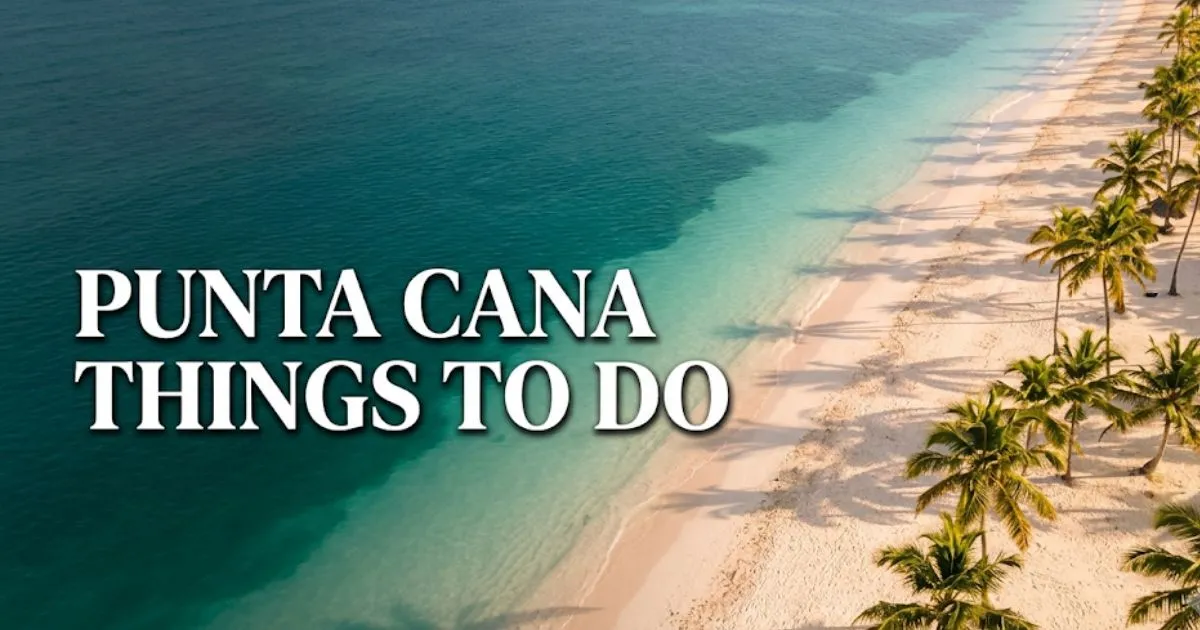
The best beaches in Punta Cana range from the busy, well-serviced stretch of Bavaro Beach to the quieter, wilder sands of Playa Macao and the upscale calm of Playa Juanillo in Cap Cana.
Bavaro Beach runs for miles along the resort corridor. It is well-maintained, patrolled, and consistently lined with sun loungers.
The honest trade-off: Bavaro is also the most vendor-trafficked beach in the area. Persistent offers of hair braiding, excursion packages, and beach jewelry are part of the experience, especially from 10 a.m. onward.
Playa Macao, located roughly 25 minutes north of Bavaro, is the best alternative for travelers who want a real beach without resort infrastructure. There are no hotel loungers, no vendors, and waves large enough for bodyboarding.
Playa Juanillo in Cap Cana is the area’s most consistently recommended beach for calm water and low crowds. It is particularly suited for couples and seniors seeking a relaxed, less commercial beach day.
| Beach | Crowd Level | Water Conditions | Best For | Cost to Access |
|---|---|---|---|---|
| Bavaro Beach | High | Calm, clear | Families, first-timers | Free (resort guests) |
| Playa Macao | Low | Moderate waves | Independent travelers | Free |
| Playa Juanillo | Low-Medium | Very calm | Couples, seniors | Some areas require resort access |
| Catalina Island | Medium | Excellent snorkeling | Snorkelers | Excursion fee applies |
Profile Note for Seniors: Playa Macao has no shade infrastructure, limited facilities, and requires walking on soft sand from a parking area. Bavaro Beach or Playa Juanillo are more physically manageable options.
Punta Cana Water Sports and Snorkeling
Punta Cana’s water sports scene is one of the Caribbean’s most complete, running from reef snorkeling and catamaran tours to kite surfing and deep-sea fishing within a single stretch of coastline.
Snorkeling directly off Bavaro Beach yields modest reef life. The genuinely strong snorkeling is at Catalina Island, approximately 60 miles west near La Romana.
Marinarium Punta Cana, located in the Bavaro area, operates snorkeling excursions to a protected offshore reef area where nurse sharks and stingrays are common encounters. Excursion prices typically run in a range from $60 to $110 per adult depending on tour length; verify current pricing directly with the operator before booking.
Kite surfing is best practiced at Playa Macao and Cabarete, with Cabarete being approximately 3.5 hours west along the northern coast and one of the Caribbean’s genuine kite surfing destinations. For Punta Cana-based travelers, Playa Macao’s consistent trade winds make it the accessible option.
Deep-sea fishing trips depart from the Cap Cana marina. Half-day and full-day charters typically target mahi-mahi, wahoo, and marlin. Prices range significantly by vessel and group size; verify before booking.
Profile Note for Budget Travelers: Resort water sports equipment rentals carry heavy markups. Several independent operators along the Bavaro beach road offer jet skis, paddleboards, and kayaks at lower rates than resort-front vendors.
Insider Tip:
- Book Marinarium excursions directly through their own reservation system, not through a resort activity desk, to access standard rates.
- Morning departures see calmer water than afternoon runs. Book the earliest available slot.
Punta Cana Zip Line and Adventure Activities
Punta Cana’s zip line and adventure activity hub is Scape Park, located near Cap Cana, which combines zip lines, a cenote swim, buggy tours, and Taino cave exploration in a single venue.
Scape Park’s zip line course offers multiple lines with varying lengths and heights. The full adventure package, which includes zip-lining, Hoyo Azul cenote access, and buggy tours, is typically priced in the range of $80 to $150 per adult, though package structures and pricing change seasonally. Verify directly before booking.
Off-road buggy tours through mangrove areas and sugarcane fields are available from multiple operators in the Bavaro corridor. These tours typically run 2 to 3 hours and are a strong activity for adult groups who want movement and scenery without a full-day commitment.
Bavaro Adventure Park operates horseback riding excursions along the beach, which are particularly popular with couples and families. Horseback riding is one of the few adventure activities at this destination that is genuinely accessible to a wide age range.
According to Lonely Planet’s Dominican Republic coverage, adventure activities in the Punta Cana area have expanded significantly in recent years, with Scape Park’s development making it a standalone destination for non-beach days.
Profile Note for Families with Children: Scape Park has minimum height and weight requirements for certain zip line elements. Confirm specific restrictions directly with the park before booking for children under 12. The cenote swim section is accessible to most ages.
| Activity | Provider | Approximate Duration | Best Traveler Profile |
|---|---|---|---|
| Zip Line | Scape Park | 2 to 4 hours | Adult groups, adventurous couples |
| Buggy Tour | Multiple operators | 2 to 3 hours | Groups, couples |
| Horseback Riding | Bavaro Adventure Park | 1.5 to 2 hours | Families, couples |
| Taino Cave Tour | Scape Park | 1 hour | History-interested adults |
Key Takeaway: Book Scape Park, Saona Island, and Marinarium excursions directly with the operators rather than through resort desks. The savings across a week-long trip typically run $100 to $200 per couple.
Hoyo Azul Punta Cana
Hoyo Azul is a naturally formed cenote at the base of a cliff face on the Scape Park property, holding water of an exceptional turquoise clarity that genuinely earns its reputation among repeat visitors.
The pool is accessed by a short walk through forested terrain, followed by a ladder descent. Swimming in Hoyo Azul is the single activity in the Punta Cana area that most consistently surprises visitors who arrive with low expectations.
Access is typically included in Scape Park combo tickets or available as a standalone add-on. Verify current standalone pricing and availability directly with Scape Park before visiting.
The cenote experience runs best before 11 a.m. By late morning, group tours from multiple resorts converge and the small pool becomes crowded. Request the earliest possible entry time.
Profile Note for Seniors: The path to Hoyo Azul involves a descent on stairs and a ladder. The terrain is shaded and manageable for most active seniors but requires careful footing. Anyone with significant knee or hip mobility issues should assess this carefully before booking.
The Local Alternative: Travelers willing to explore beyond Scape Park’s boundaries can find smaller, less commercialized cenote experiences in the Los Haitises region, though these require a full-day commitment and advance planning with an independent guide service.
Insider Tip:
- The water temperature at Hoyo Azul is cooler than the Caribbean Sea. Bring a light layer.
- Photography of the cenote is best in the late morning when sunlight hits the water directly. But fewer people are in the water at that time if you visit first thing.
- Budget travelers: the standalone Hoyo Azul ticket is the most economical way to experience Scape Park’s best single feature without paying for the full adventure package.
Saona Island Punta Cana
Saona Island is a national park-protected island roughly 90 minutes by speedboat from the Bavaro area, known for its white sand beach and starfish-filled shallow lagoon.
The honest assessment: Saona Island is Punta Cana’s most marketed excursion and also its most crowded. Dozens of catamarans and speedboats deposit hundreds of visitors simultaneously onto a beach that is genuinely beautiful but genuinely overwhelming during peak season.
The catamaran journey includes an open bar, which for many groups is the main attraction. The island itself delivers on visual appeal but rarely delivers the isolated tropical paradise feeling the marketing implies.
Catalina Island, approximately 60 miles west near La Romana, offers a similar island excursion experience with a fraction of the crowd. Catalina also has superior snorkeling. For travelers who have visited Saona Island before, Catalina is the clear upgrade choice.
For first-time visitors, Saona Island is worth experiencing once. Book the earliest available departure to reach the beach before the main tour group wave arrives.
| Excursion | Travel Time | Crowd Level | Snorkeling Quality | Best For |
|---|---|---|---|---|
| Saona Island | 90 min each way | Very high | Moderate | First-timers |
| Catalina Island | 60 min each way | Moderate | Excellent | Repeat visitors, snorkelers |
Profile Note for Budget Travelers: Group catamaran tours to Saona Island are the most affordable excursion option, typically priced in the range of $60 to $100 per person. Private speedboat charters cost significantly more. The group experience is genuinely the right call for budget travelers since the open-bar party atmosphere makes the trip enjoyable regardless.
Punta Cana Excursions Worth It (And Which Ones Aren’t)
The best Punta Cana excursions for value and genuine experience are Hoyo Azul, a first-time Saona Island catamaran tour, and the Altos de Chavon cultural day trip.
The excursions that disappoint most visitors relative to their price: generic “Dominican Republic cultural village” staged shows bundled into resort packages, and dolphin interaction programs at resort-adjacent facilities that animal welfare-conscious travelers should research carefully before booking.
| Excursion | Typical Price Range | Crowd Level | Worth It? | Best Profile |
|---|---|---|---|---|
| Hoyo Azul at Scape Park | $30 to $80 (standalone) | Medium | Yes | All profiles |
| Saona Island catamaran | $60 to $100 | Very high | Yes, once | First-timers |
| Altos de Chavon day trip | $60 to $120 | Medium | Yes | Culture-seekers |
| Buggy Tour Bavaro | $50 to $90 | Medium | Yes | Adult groups |
| Marinarium snorkel | $60 to $110 | Medium | Yes | Snorkelers |
| Los Haitises full-day | $80 to $150 | Low | Yes for nature lovers | Active adults |
| Dolphin Encounter | $100 to $200+ | Medium | Research carefully | N/A |
| Staged cultural village | $50 to $100 | High | No | N/A |
Profile Note for Solo Travelers: Most excursions operate as group tours where per-person pricing assumes individual participation. Solo travelers pay the same rate as couples, which is genuinely fair value. Group catamaran tours are one of the best social activities for solo travelers in Punta Cana.
Insider Tip:
- Independent tour operators along the Bavaro beach road post rates for most major excursions. Compare before booking anything through the resort desk.
- Ask specifically whether transfers are included. Some operators quote a per-person excursion price that does not include hotel pickup, which adds cost.
Key Takeaway: Skip the staged cultural village show and put that money toward the Altos de Chavon trip instead. The difference in genuine experience is not close.
Altos de Chavon Punta Cana Day Trip
Altos de Chavon is a recreated 16th-century Mediterranean-style village built on a cliff above the Chavon River, located approximately 45 minutes west of Bavaro near La Romana.
The village contains an amphitheater that has hosted Frank Sinatra and Marc Anthony, a Church of Saint Stanislaus, art galleries, craft studios, and views down the river valley that are genuinely worth the drive.
Entry to the village typically runs in the range of $20 to $40 per person as a standalone visit; it is often included in tour packages. The Casa de Campo resort manages the property, and access details may vary; verify directly before visiting.
The best time to visit is weekday mornings before organized tour groups from Bavaro arrive. By 10:30 a.m., the main cobblestone street fills with guided groups.
Local Alternative: Walk 15 minutes from Altos de Chavon down toward the Chavon River boat dock and arrange a short river boat ride with a local guide. This is not marketed as a formal excursion but is a common add-on that most tour group visitors miss entirely.
Profile Note for Seniors: Altos de Chavon’s cobblestone streets are uneven and hilly. Comfortable, supportive footwear is essential. The views are accessible from the main entry level, but the deeper parts of the village involve stairs. The visit is worth the moderate physical demand for most active seniors.
According to Travel + Leisure, Altos de Chavon ranks among the Dominican Republic’s most architecturally distinct sites outside of the Colonial Zone in Santo Domingo.
Los Haitises National Park From Punta Cana
Los Haitises National Park is a 1,600-square-kilometer protected wilderness approximately 2.5 to 3 hours northwest of Punta Cana, combining mangrove forests, Taino cave paintings, limestone karst formations, and bird life found nowhere else in the region.
Getting there requires an early start. Most organized tours depart from Bavaro by 6:30 to 7 a.m. for the drive to Samana Bay, followed by a boat tour through the park’s waterways.
The park is managed by the Dominican Republic Ministry of Environment. Entry fees and permit requirements apply; verify current requirements directly with your tour operator before departure.
Bird life in Los Haitises includes the Ridgway’s hawk, endemic to Hispaniola, and several species of herons. The mangrove cave systems contain Taino petroglyphs that date back several centuries.
This is a full-day commitment. Most organized tours return to Bavaro by 5 to 6 p.m. Budget travelers should note that combining Los Haitises with a Samana whale watching excursion (January through March) is possible with careful advance planning.
Profile Note for Families: Los Haitises requires boat travel through open water, followed by mangrove kayaking or small boat navigation. Children under 10 may find the 3-hour round trip drive and extended boat time too long. This excursion is genuinely better suited for adults and older teens.
Insider Tip:
- Bring insect repellent. Mangrove mosquitoes are present throughout the park.
- The cave painting sites are best seen in morning light when direct illumination enters through cave openings.
- Book this excursion with an operator who uses a small group boat (under 15 people) rather than a large party vessel. The difference in wildlife sighting quality is significant.
Things To Do in Punta Cana for Adults
Things to do in Punta Cana for adults extend beyond beach time into genuinely excellent adventure excursions, cliff-top colonial villages, whale watching trips, and a nightlife corridor that runs until sunrise.
The adults-only experience in Punta Cana is legitimately strong because of how the resort infrastructure is organized. Properties like Excellence Punta Cana and Secrets Cap Cana are fully adults-only, meaning the resort environment itself is quiet and oriented toward couples and groups without children.
Beyond the resort, adult-specific activities that deliver: the full Scape Park adventure package, deep-sea fishing from the Cap Cana marina, sunset catamaran cruises that differ significantly from the daytime Saona Island party version, and the Altos de Chavon day trip.
The most underrated adult activity: hiring a local driver for a full day ($80 to $120 is a typical range) and exploring Boca de Yuma, a fishing village on the southeastern coast, followed by lunch at a local seafood spot that has no resort affiliation whatsoever.
Profile Note for Couples: The sunset catamaran cruise is the strongest romantic activity in the destination’s lineup. It runs separate from the daytime party catamarans and typically carries a smaller group with a quieter atmosphere. Book directly with catamaran operators rather than through resort desks.
Insider Tip:
- Adults-only resorts in the Cap Cana zone sit on calmer, quieter beach stretches than Bavaro. If adult-focused calm is the priority, base yourself in Cap Cana rather than Bavaro.
- The whale watching excursion to Samana Bay (January through March) is the single most genuinely memorable experience available to adult travelers in the broader region. It requires an overnight or very early departure but is worth the logistics.
Key Takeaway: Cap Cana offers the same access to excursions as Bavaro with less crowd noise and better beach calm. Adults who want a quieter base should book accommodation there rather than the main Bavaro resort strip.
Punta Cana Nightlife
Punta Cana nightlife centers on the Bavaro resort strip, with Cocobongo Bavaro operating as the destination’s highest-volume nightclub and the most consistent non-resort nightlife option.
Cocobongo Bavaro is a Dominican version of its Cancun original: a theatrical show-club hybrid running from approximately 11 p.m. through 4 a.m. on most nights. The experience mixes acrobatics, live performance, and open-bar access. Admission typically falls in the range of $50 to $80 per person depending on the package; verify current pricing before visiting.
The Hard Rock Hotel Punta Cana runs its own on-property entertainment corridor with multiple bars and a casino. For travelers not staying at Hard Rock, it is accessible to non-guests and represents one of the most elaborate on-resort nightlife environments in the Caribbean.
Local nightlife beyond the resort corridor exists but requires transport. The town of Bavaro proper, just inland from the resort strip, has smaller bars and a colmado culture where Dominican rum and Presidente beer are the going order. These are genuinely affordable and genuinely local, though not oriented toward tourists.
Profile Note for Solo Travelers: Cocobongo’s group-oriented, open-floor format is one of the most socially accessible nightlife environments in Punta Cana for solo visitors. The theatrical format removes the social awkwardness of walking into a bar alone.
Insider Tip:
- Dress code at Cocobongo is enforced. No flip-flops, no athletic shorts. Confirm current dress requirements before the evening.
- For a quieter late evening, the Cap Cana marina area has wine bars and lounge settings that run at a completely different register than the Bavaro club scene.
Punta Cana Family Activities
The best family activities in Punta Cana are Bavaro Beach with resort infrastructure, the Indigenous Eyes Ecological Park, Scape Park’s cenote swimming, and horseback riding along the beach.
Indigenous Eyes Ecological Park, located within the Punta Cana Resort and Club property, is a protected private nature reserve containing 12 freshwater lagoons, hiking trails through native forest, and bird watching areas. Entry fees apply and are typically in the range of $25 to $40 per adult; children often receive discounted rates. Verify directly before visiting.
The park is genuinely better suited for families than Scape Park because the terrain is flat, the lagoon swimming is calm, and the experience is self-guided without the schedule pressure of a zip-line tour booking.
Horseback riding along the beach is available through Bavaro Adventure Park and several independent operators. Most programs accommodate children above a minimum age; verify specific restrictions with the operator.
Profile Note for Families with Young Children (under 6): The resort pool and Bavaro Beach combination is genuinely sufficient for children this age. The boat travel time required for Saona Island (90 minutes each way) is too long for most toddlers. Focus on beach days, shallow-water play, and on-property activities.
| Activity | Child Age Suitability | Physical Demand | Duration | Cost Range |
|---|---|---|---|---|
| Indigenous Eyes Park | All ages | Low | 2 to 3 hours | $25 to $40 adult |
| Horseback Riding Beach | 7 and up (verify) | Low | 1.5 to 2 hours | $40 to $70 |
| Hoyo Azul Cenote | 6 and up (verify) | Moderate | 1 hour | $30 to $80 |
| Saona Island Catamaran | 8 and up | Low-Moderate | Full day | $60 to $100 |
| Scape Park Zip Line | Height/weight restrictions | Moderate-High | 2 to 4 hours | $80 to $150 |
Punta Cana Local Food and Dining
The local food culture in Punta Cana requires deliberate effort to access. Most visitors eat entirely within resort buffets and never encounter Dominican cuisine at all.
The authentic Dominican meal worth seeking: mofongo (mashed fried plantain with garlic and meat or seafood), mangu (boiled plantain mash), and tostones (twice-fried green plantain slices). These are found at local comedores (inexpensive lunch counters) in the Bavaro town area, not at resort restaurants.
The best accessible local dining area for resort-based visitors is the Avenida Barcelo strip in Bavaro town, approximately 5 to 10 minutes by taxi from most Bavaro resort properties. Casual seafood restaurants here serve grilled fish with rice, beans, and tostones for a fraction of resort dining prices.
Mamajuana, a local drink made from rum, red wine, and honey infused with tree bark and herbs, is the Dominican Republic’s signature spirit. It is available at local bars throughout Bavaro town and far more authentic than the rum cocktails served at resort swim-up bars.
Profile Note for Budget Travelers: Leaving the resort for one lunch at a local comedor is genuinely one of the best value decisions a Punta Cana visitor can make. A full Dominican lunch typically costs the equivalent of $5 to $15 per person at local establishments.
Insider Tip:
- Ask your resort’s local staff (housekeeping, bellstaff) where they eat lunch. This question reliably produces the most genuinely local restaurant recommendation available.
- Fresh grilled lobster is widely available along the Bavaro beach road from independent vendors. Negotiate price before committing.
Key Takeaway: One meal at a local comedor on Avenida Barcelo in Bavaro town will teach you more about Dominican food culture than a full week of resort buffet dining ever could.
Best Time To Visit Punta Cana
The best time to visit Punta Cana is from mid-November through April, when rainfall is minimal, humidity is lower, trade winds are consistent, and sea conditions are generally ideal for beach activities and boat excursions.
December through January is the driest period but also brings peak tourist volume and the highest accommodation prices of the year. Travelers seeking good weather without peak-season crowds and pricing should target November or April specifically.
January through March is the window for humpback whale watching in Samana Bay, approximately 2.5 hours northwest of Punta Cana. This is one of the Caribbean’s great wildlife experiences and only possible during this seasonal window.
Hurricane season runs officially from June through November, with August through October carrying the highest risk. Rain during this period comes in concentrated bursts rather than all-day coverage, but sea conditions for boat excursions can turn rough. Travel insurance is more important during this window.
Easter week (Semana Santa) brings extremely high domestic Dominican Republic tourism. Hotels fill, beaches crowd, and excursion operators run at maximum capacity. International visitors who happen to land during Semana Santa should book everything well in advance.
Profile Note for Budget Travelers: May and early June offer a strong compromise. Weather is generally still good, hurricane season has not yet peaked, and hotel pricing drops significantly from April levels. This is the best value window of the year for non-peak beach weather.
| Season | Weather | Crowd Level | Price Level | Best For |
|---|---|---|---|---|
| Nov to mid-Dec | Excellent | Moderate | Moderate | Value seekers |
| Mid-Dec to Jan | Excellent | High | High | Peak season travelers |
| Feb to April | Excellent | Moderate-High | Moderate-High | Whale watching, beach |
| May to June | Good | Low | Lower | Budget travelers |
| July to Oct | Variable | Low | Lowest | Highest storm risk |
Punta Cana Things To Do: Practical Logistics
Getting around Punta Cana requires planning. The resort zone has no meaningful public transit, and walking between properties and activity areas is generally impractical given distances and road conditions.
From Punta Cana International Airport (PUJ): Private transfer is the standard option. Most resorts include transfer service in booking packages, or it can be arranged through named operators like Punta Transfer or similar services. Negotiate taxi fares before entering any unlicensed cab. The drive to most Bavaro resorts takes 20 to 45 minutes depending on traffic.
Within the resort corridor: Resort-operated shuttles, golf carts, and hired local taxis cover most short-distance needs. For day trip excursions, your operator will typically include hotel pickup.
Money: The Dominican peso is the local currency. US dollars are widely accepted in resort areas but at unfavorable exchange rates. Withdrawing pesos from an ATM gives better value. Credit cards work at most resort-adjacent businesses.
Safety and Practical Warnings for Punta Cana:
The primary practical risks every visitor should know:
- Sun and heat exposure: Caribbean sun is stronger than most North American or European visitors expect. Reef-safe sunscreen is recommended. Reapply every 90 minutes during beach days.
- Tap water: Do not drink tap water anywhere in the Punta Cana area. Use bottled water throughout your stay, including for brushing teeth.
- Rip currents: Playa Macao has no lifeguard coverage and periodic rip current conditions. Swim at supervised beaches if you are not an experienced ocean swimmer.
- Jellyfish: Bavaro Beach sees jellyfish concentrations during winter months, typically December through February. Verify current conditions with resort staff before entering the water.
- Petty theft: Do not leave valuables unattended on the beach. This applies to crowded public beach areas, particularly Bavaro Beach during peak hours.
- Road conditions: Roads outside the resort corridor are significantly rougher than inside it. If self-driving a rental, expect unmarked speed bumps and limited signage.
The US Embassy in Santo Domingo maintains an updated country information page for the Dominican Republic at travel.state.gov. Check it before departure and register with the Smart Traveler Enrollment Program (STEP).
Profile Note for Accessibility Travelers: Bavaro resort properties vary significantly in wheelchair accessibility. Request a specific accessibility-equipped room and verify ramp access to pool and beach areas directly with the hotel before booking. Boat excursions (Saona Island, Catalina Island, whale watching) are largely inaccessible for travelers with significant mobility limitations.
Insider Tip:
- Rent a car only if you have specific day trip plans requiring independent transport. For a standard beach-focused stay, private transfers and excursion operator pickups cover everything you need.
- WhatsApp is the standard communication tool in the Dominican Republic. Save your transfer operator and excursion company contacts to WhatsApp before arrival.
Key Takeaway: Arrange airport transfers before you land at PUJ. Improvised transport at the airport is more expensive and less reliable than pre-booked private transfers.
Safety and Practical Warnings for Punta Cana
Sun exposure at this latitude causes burns faster than most North American visitors anticipate, even on overcast days.
Key safety and practical facts every visitor should know:
- Drink only bottled water. This applies throughout your stay without exception.
- Apply reef-safe sunscreen every 90 minutes during outdoor activities. Standard chemical sunscreens are restricted in some marine protected areas.
- Check sea conditions before boat excursions. Afternoon swells build in the Caribbean even during dry season. Morning departures are almost always calmer.
- Do not carry valuables to public beaches. Leave passports, extra cash, and electronics locked in your resort safe.
- Verify prescription medication regulations. Some medications legal in the US require documentation for entry into the Dominican Republic. Check the Dominican Republic General Directorate of Migration requirements before traveling.
- Purchase travel insurance that covers medical evacuation. Healthcare infrastructure outside major resort zones is limited.
The nearest major medical facility for serious emergencies is typically in Santo Domingo, approximately 2.5 hours away. Resort properties maintain on-site medical staff for minor issues.
Frequently Asked Questions About Punta Cana Things To Do
What are the best things to do in Punta Cana besides the beach?
The best non-beach activities in Punta Cana are Hoyo Azul cenote swimming at Scape Park, the Altos de Chavon cultural day trip, zip-lining and buggy tours, and the Los Haitises National Park full-day excursion.
For adults, sunset catamaran cruises and the Cocobongo Bavaro nightclub experience round out the strongest off-beach options.
Humpback whale watching in Samana Bay (January through March) is the single most memorable excursion available to travelers willing to make a full day of it.
Is Saona Island worth visiting in 2026?
Saona Island is worth visiting once for first-time Punta Cana visitors. The beach and lagoon are visually as advertised.
The crowd reality is significant: dozens of catamarans arrive simultaneously, and the island’s peak hours (late morning through early afternoon) bring hundreds of visitors to a single beach.
Travelers who have been before should consider Catalina Island instead, which offers superior snorkeling and far fewer people.
What things to do in Punta Cana are free or low cost?
Free and low-cost options include Bavaro Beach access (included with most resort stays), walking the beach road in Bavaro town, exploring the local colmado scene, and visiting the Punta Cana Ecological Reserve on the grounds of the Punta Cana Resort.
Playa Macao costs nothing to access and offers a genuinely unspoiled beach experience without resort infrastructure charges.
Local comedores in Bavaro town serve full Dominican lunches for the equivalent of $5 to $15 per person, making a meal off-resort one of the best low-cost decisions you can make.
What should adults do in Punta Cana for a non-resort experience?
Adults seeking experiences outside the resort should hire a local driver for a full day and combine Altos de Chavon with a lunch stop in Boca de Yuma fishing village.
The Cap Cana marina area provides a quieter, more upscale alternative to the Bavaro resort strip for drinks and dining.
For active adults, the full Scape Park adventure package (zip-lining, buggy tour, Hoyo Azul cenote) covers a genuinely full non-resort day.
How far in advance should I book Punta Cana excursions?
During peak season (December through April), book Saona Island catamarans, Hoyo Azul at Scape Park, and any full-day nature excursions at least 5 to 7 days in advance.
During shoulder months (May, June, November), 2 to 3 days advance booking is usually sufficient for most excursions.
Los Haitises National Park tours with small-group operators should be booked 7 to 10 days ahead during any season because good small-group operators fill fast.
What is the best time of year to visit Punta Cana?
The best time to visit Punta Cana is mid-November through April, when rainfall is minimal and sea conditions are ideal.
January through March is the optimal window if whale watching in Samana Bay is a priority, as humpback whales are present only during this period.
Budget travelers get the best combination of acceptable weather and lower prices in May and early June, before hurricane season peaks.
Planning Your Punta Cana Trip: Final Guidance
Book your first three excursions before you land. Hoyo Azul, a Saona Island catamaran, and one cultural day trip cover the destination’s strongest experiences. Everything else you can decide on arrival.
The single logistical step that makes the biggest difference: book those excursions directly with the operators rather than through your resort desk. Confirm that hotel pickup is included, verify current pricing, and save the operator’s WhatsApp contact.
Travel conditions, excursion prices, entry requirements, and seasonal availability in the Dominican Republic change regularly. Verify key logistics directly with venues, your resort, and the Dominican Republic Ministry of Tourism before departure. The US Embassy in Santo Domingo maintains current travel advisories at travel.state.gov.
You have enough specific information here to build an actual itinerary for any length of stay. Start with the two-day framework in section two and customize from there.