14 Best Things to Do in Curaçao in 2026 (Local Guide)

Curaçao is not a single-beach resort island.
It is 40 distinct coves anchored by a UNESCO World Heritage city.
The island spans both a calm, swimmable leeward coast and a wild, cliff-battered windward coast.
Knowing which side matches your travel style determines the quality of your entire trip.
This guide names every beach, every neighborhood, and every practical detail you actually need.
You will leave knowing where to swim, what to skip, and how not to get stranded without an automatic car.
Things to Do in Curaçao: The Island’s Core Identity
Curaçao is a self-drive island of stark geographic contrast and deep cultural layers.
The southwest leeward coast holds nearly every swimmable beach, while the northeast windward coast is raw, unswimmable volcanic drama.
Willemstad anchors the island’s center with a Caribbean-European architectural heritage unmatched in the region.
The west end, Bandabou, is where the best coves and national parks cluster, about 40 minutes by car from the capital.
Most first-timers book a resort near Mambo Beach and never explore the western coves.
That is like visiting Paris and never crossing the Seine to the Left Bank.
According to the Curaçao Tourist Board, the island has more than 35 named beaches.
Only a half-dozen are developed with full facilities; the rest reward those who pack their own gear and drive.
Solo travelers find the beach-hopping rhythm deeply satisfying.
Families should anchor at one amenity-rich beach like Cas Abao and supplement with short cove visits.
The single most important thing to understand: Curaçao requires a rental car.
Book an automatic transmission months ahead or prepare to learn stick shift at the airport counter.
Key Takeaway: Leeward equals calm swimming; windward equals hiking and photos; a rental car unlocks all of it.
Best Beaches in Curaçao: Leeward Side vs. Windward Reality
Grote Knip (Playa Kenepa Grandi) is the island’s most photographed cove for good reason.
The water is a genuine turquoise, cliff-framed, and free to enter with a small parking area.
Kleine Knip, the smaller adjacent cove, gets overlooked by the tour bus crowd.
It offers the same water color with half the crowd and better shade in the late afternoon.
Cas Abao Beach is the best full-service beach for families and first-timers.
It charges a small entry fee, rents chairs and snorkel gear, and has a reliable beach bar serving cold Amstel Bright.
Playa Porto Mari attracts divers and snorkelers with its famous double reef system.
It also maintains a resident pig population that roams the beach, which is either a delight or a reason to choose another cove.
Playa Lagun is the single most reliable spot for swimming with green sea turtles.
Arrive before 9:00 AM to share the narrow cove with only a handful of other swimmers.
Seniors and accessibility travelers do best at Cas Abao and Mambo Beach for their ramp access, bathrooms, and gentle entries.
Budget travelers should pack a cooler from a Willemstad supermarket and stick to the free coves like Grote Knip and Kleine Knip.
| Beach | Swimmable | Facilities | Best For | Insider Note |
|---|---|---|---|---|
| Grote Knip | Yes, calm | Minimal (parking, occasional chair rental) | Photographers, swimmers | Empty on weekday mornings; packed by Sunday 11:00 AM |
| Kleine Knip | Yes, calm | None | Couples, afternoon shade seekers | Walk the rocks left for a private ledge |
| Cas Abao | Yes, calm | Full (bar, rentals, bathrooms) | Families, first-timers | Entry fee applies; best for a full beach day |
| Playa Porto Mari | Yes, calm | Full (bar, rentals, showers) | Divers, snorkelers | Double reef; pigs on the beach |
| Playa Lagun | Yes, calm inside the cove | Minimal (small snack bar) | Turtle swimmers, snorkelers | Fish cleaning scraps attract turtles; go early |
Key Takeaway: Hit free coves by 9:00 AM on Sunday or wait until Monday morning.
Willemstad Curaçao Things to Do: The UNESCO Waterfront and Beyond
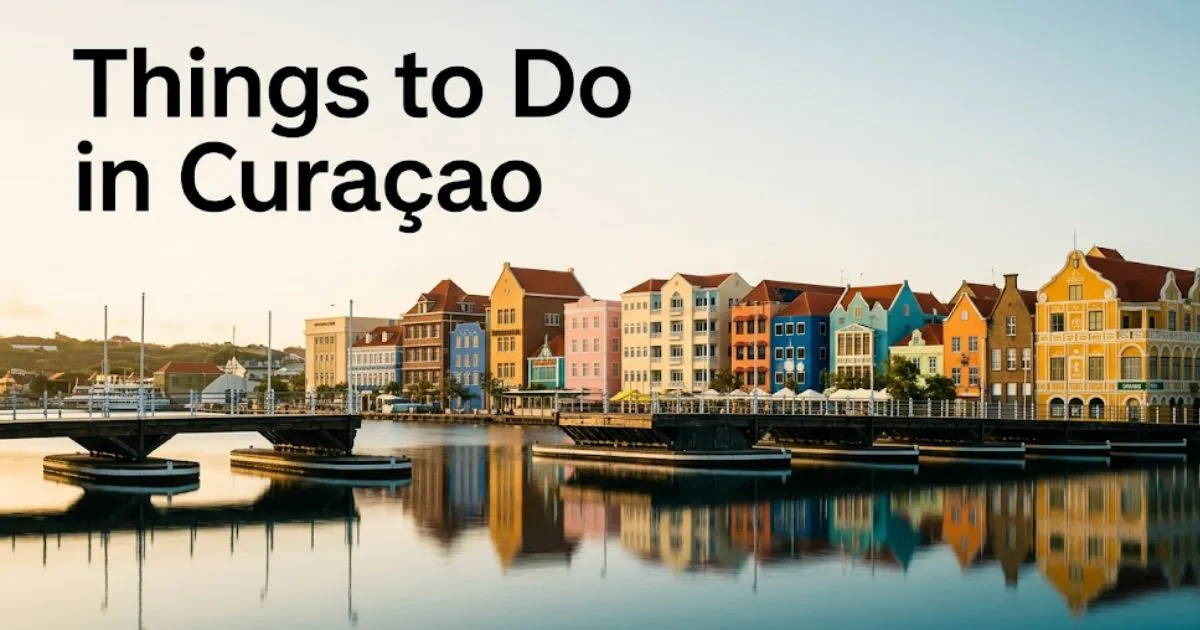
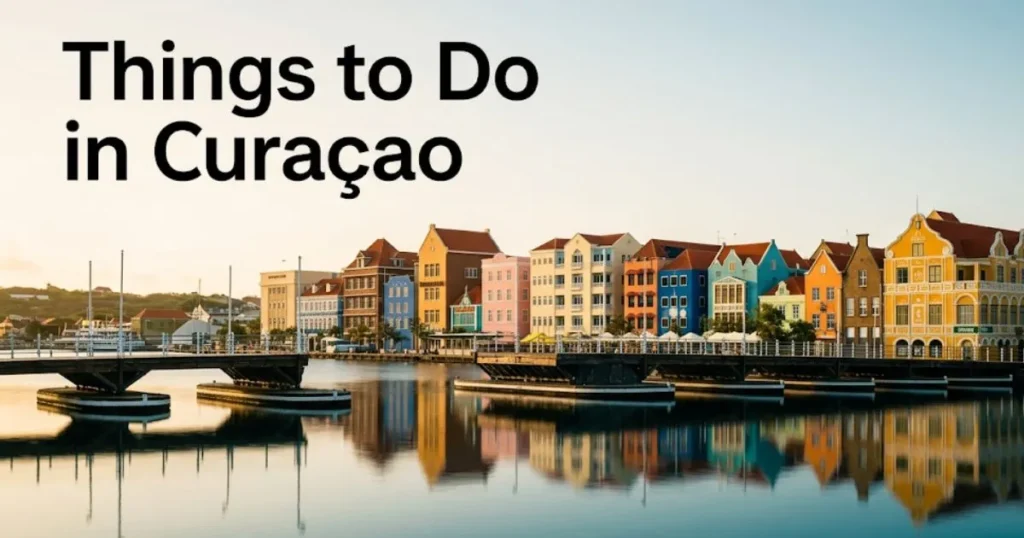
The Handelskade waterfront row in Punda is the Curaçao postcard shot you have already seen.
These Dutch-colonial facades painted in ginger, ochre, and cobalt line the St. Anna Bay and look best in morning light.
The Queen Emma Bridge is a floating pontoon bridge that swings open 30-plus times daily for marine traffic.
When it opens, a free ferry shuttles pedestrians between Punda and Otrobanda every few minutes.
Pietermaai District is where Willemstad’s dining and bar scene actually lives after dark.
This four-block stretch of restored 18th-century mansions holds Kome, Mosa, and De Dames as its anchor dinner spots.
Couples should book a late dinner in Pietermaai and walk the waterfront afterward.
The district is intimate and quiet after 10:00 PM, not a party strip but a long, romantic evening.
The floating market on the Punda side feels less authentic than it once did.
Venezuelan traders sell produce from small boats, but the market has thinned considerably in recent years.
For an honest local market experience, visit Marshe Bieuw (Plasa Bieu) in Punda.
This covered food hall serves hot local plates, no tablecloths, no tourists in sight during weekday lunch hours.
Scharloo district, a 10-minute walk north of Punda, is the street art and mansion restoration corridor.
Its murals and restored landhuis buildings go entirely unmentioned in most guides.
Families with strollers manage Punda and the pontoon bridge without trouble.
Otrobanda’s Rif Fort shopping complex has wide, accessible walkways and plenty of air-conditioned breaks.
Key Takeaway: Punda is for morning photos; Pietermaai is for dinner; Marshe Bieuw is for the meal most tourists miss.
Curaçao Snorkeling and Diving: Shore Access and What to Expect
Tugboat Beach is the island’s most famous shore-dive and snorkel site, centered on a visible tugboat wreck.
The wreck sits in shallow water that non-divers can reach with a short surface swim.
Director’s Bay, just around the cliff from Tugboat, is the local secret alternative.
The entry is rockier but the reef is healthier, with less kicked-up sand from dive-school traffic.
Playa Lagun is the turtle spot.
Green turtles and hawksbills cruise the cove edges feeding on the rocky shallows each morning.
Blue Room Cave, a sea cave reached by boat or guided swim from Playa Santa Cruz, is the island’s most distinctive snorkel experience.
Sunlight punches through the underwater entrance and turns the entire cave electric blue.
All of these sites require water shoes.
The entries are mostly ironshore limestone, sharp and uneven, and anyone in flip-flops will bleed.
According to Carmabi, the foundation managing the island’s marine parks, no fishing is permitted inside designated reef zones.
Spearfishing regulations are enforced and foreign visitors should not assume anything is legal to harvest.
Couples who snorkel should skip busy Tugboat at midday and enter from Director’s Bay an hour earlier.
The light hits the reef wall before the dive boats arrive and the water feels private.
Budget travelers save enormously by bringing their own mask and snorkel.
Rental gear at beaches runs $10 to $15 per day; a full set packed from home pays for itself by day two.
Key Takeaway: Tugboat is the famous wreck snorkel, but Director’s Bay next door delivers a better reef with fewer people.
Christoffel National Park and Shete Boka: The Rugged Windward Side
Christoffel National Park holds Mount Christoffel, the island’s highest point at 1,239 feet.
The summit trail delivers a panoramic view of the entire leeward coast and, on clear mornings, the Venezuelan coastline.
The hike is short (under 2 miles round-trip) but steep, rocky, and fully exposed to the Caribbean sun.
The park closes the summit trail by 10:00 AM year-round due to heat risk, and rangers enforce this strictly.
Start the Christoffel trail by 6:30 AM, bring 2 liters of water per person, and wear hiking boots.
This is not a casual beach-walk ascent; the final third requires using both hands on rock scrambles.
Solo hikers should check in at the ranger station and confirm trail conditions.
Cell service is weak inside the park and the morning climb is sparsely trafficked.
Shete Boka National Park is the windward answer to Christoffel, a dramatic cliff-and-blowhole coastline 15 minutes from the summit trailhead.
Boka Tabla is the main draw: a collapsed sea cave where waves cannon through an underground channel and explode upward.
The boardwalk to Boka Tabla is wheelchair accessible.
The wilder Bokas (Boka Wandomi, Boka Kalki) require rougher coastal trail walking that seniors and young children should evaluate carefully.
Shete Boka also serves as a seasonal turtle nesting site.
Night tours during nesting months offer the chance to watch sea turtles haul themselves onto the beach, arranged through Carmabi-approved guides only.
Insider Tip: Visit Christoffel on a Tuesday or Wednesday morning when cruise ship passenger volume in town is lowest.
The park feels empty and the summit silence is total except for the trade wind and parakeets.
Key Takeaway: Christoffel opens the summit only until 10:00 AM; this is the one activity where sleeping in ruins the plan entirely.
Klein Curaçao Day Trip: The Desert Island 15 Miles Offshore
Klein Curaçao is a flat, cactus-dotted sandbar 15 miles southeast of the main island.
It is a full-day boat trip, not a half-day excursion, and it genuinely delivers the castaway-beach fantasy.
The island has one abandoned lighthouse, a rusted shipwreck on the windward side, and a beach of powdered white sand on the leeward side.
Turtles nest here and the snorkeling along the drop-off is excellent.
Boat operators depart from Jan Thiel or Spanish Water around 7:00 AM and return by 4:30 PM.
The crossing takes roughly 1.5 to 2 hours and the windward passage can be rough; anyone prone to seasickness must medicate before boarding.
Mermaid Boat Trips and Miss Ann Boat Trips are the two best-regarded operators as of 2026, with Mermaid offering a faster catamaran crossing.
Budget around $100 to $130 per person for the full-day trip including lunch, drinks, and snorkel gear.
Couples love the romantic isolation of Klein Curaçao.
The beach is long enough that even with a full boat of 60 passengers, you can walk 10 minutes and find total privacy.
This trip makes zero sense for families with young children.
The boat ride is long, there is no shade on the island aside from a small covered area near the lunch setup, and there are no bathrooms aside from what the boat provides.
Seniors with mobility challenges should confirm the boat’s boarding ladder setup before booking.
Climbing back aboard from the water is genuinely difficult if you lack upper body strength.
Key Takeaway: Klein Curaçao is the closest thing to a private island day you can buy, but it is 8 hours with little shade and a rough crossing.
Curaçao Food and Local Cuisine: Named Plates and Where to Eat Them
Keshi yena is the island’s defining comfort dish: a hollowed Edam cheese round stuffed with spiced chicken, olives, and raisins.
Plasa Bieu in Punda serves the best version for under $12 at a shared table with no ceremony.
Iguana soup is not a joke dish for tourists; it is a genuine local specialty served at Komeda’s Kriyo and Jaanchie’s Restaurant in Westpunt.
The flavor lands somewhere between chicken and conch, and Jaanchie himself still greets every table at 80-plus years old.
The food truck scene is anchored by Truk’i Pan on the Weg naar Westpunt, serving hot pastechi (fried pastries filled with cheese or meat) and batidos (fresh fruit shakes) from a converted school bus.
Open from early morning until mid-afternoon, it is the essential breakfast stop on the drive to the western beaches.
De Visserij near Playa Forti serves fried fresh catch with garlic sauce in a casual open-air setting.
The fish is whatever came in that morning and the prices are honest; budget around $15 to $20 per person.
Pietermaai District’s Kome is the island’s best dinner for couples looking for a date-night setting.
Chef David approaches Curaçao ingredients with fine-dining restraint and the courtyard seating under fairy lights is genuinely romantic.
Williwood food truck park in the west end has become a local evening hangout with rotating vendors and live music on weekends.
It is the best spot on the island for a budget-friendly dinner with a social, local vibe.
Budget travelers should eat lunch at Plasa Bieu and dinner at Williwood or a food truck.
Dinner at Pietermaai’s sit-down restaurants runs $35 to $60 per person with drinks, which adds up fast over a week.
Families with picky eaters find reliable options at Mambo Beach Boulevard’s casual open-air spots.
The setting is more tourist-generic but the kids’ menus and ice cream access keep small travelers functional.
Key Takeaway: Plasa Bieu for keshi yena, Truk’i Pan for breakfast pastechi, and Jaanchie’s for the iguana soup story you will tell at home.
Getting Around Curaçao: Rental Car Reality and Logistics
You need a rental car in Curaçao unless you are staying on a cruise port day or a single all-inclusive property.
Public buses run infrequently and the best beaches sit 30 to 45 minutes from the cruise terminal and main hotel zone.
Automatic transmission cars must be reserved months in advance.
The island’s rental fleet is majority manual transmission, and automatic cars sell out during high season (December through April) with weeks of lead time.
Budget around $50 to $70 per day for an automatic compact from Avis, Budget, or Just Drive Curaçao, a reputable local operator.
Manual cars run $35 to $45 per day for travelers comfortable with stick.
The road network is straightforward: one main route (Weg naar Westpunt) runs the length of the leeward coast to the western beaches.
Google Maps works reliably for navigation but download offline maps before your flight; cell data can lag in the park interiors.
Parking is free at nearly every beach and in Willemstad’s Otrobanda area.
Punda parking requires a paid lot or street-meter payment via the Parkmobile Curaçao app.
Solo travelers who cannot drive manual must book an automatic and confirm the reservation by email one week before arrival.
Showing up without a confirmed automatic booking is the single most common Curaçao travel mistake.
Seniors and families with children should confirm that the rental car’s air conditioning works properly before leaving the lot.
Some older fleet vehicles have weak AC, which makes a 45-minute midday drive punishing.
Insider Tip: Gas stations are full-service on Curaçao and some close on Sundays in the west end.
Fill up on Saturday afternoon if you are headed to Bandabou for a Sunday beach run.
Key Takeaway: Book your automatic car the moment you book your flight; this is not an island where you wing it at the rental counter.
Best Time to Visit Curaçao: Month-by-Month Seasonality
The best time to visit Curaçao is January through May, when rain is minimal and trade winds keep humidity comfortable.
Temperatures hold steady between 78 and 88 degrees Fahrenheit year-round, but the feel changes with the seasonal rainfall pattern.
The rainiest months are October, November, and early December.
Rain typically falls in short, hard afternoon bursts that clear in under an hour, but unpaved roads to remote coves can wash out temporarily.
Curaçao sits outside the hurricane belt.
This is a genuine advantage over more northern Caribbean islands; storm risk is statistically very low from June through November.
High season for tourism runs mid-December through April, when hotel rates peak and beaches feel busiest.
Carnival season in January and February brings parades and parties but also heavier Willemstad traffic and sold-out restaurants.
May through September is the value window.
Hotel rates drop, beaches thin out, and the windward side is less ferocious, making Shete Boka and Christoffel more manageable.
Sunday beaches are packed year-round with local families.
This is not a high-season phenomenon; it is a weekly cultural rhythm that tourists consistently misinterpret as overcrowding.
Budget travelers should target May or November for the best combination of lower prices, decent weather, and uncrowded beaches.
Couples seeking pure quiet should pick September, understanding that a few restaurants in Westpunt close for the month.
Key Takeaway: January to May for perfect weather; October to November for lowest prices and the gamble of afternoon rain showers.
Curaçao Cruise Port Activities: Maximizing a Single Day Ashore
Cruise ships dock at the Mega Pier in Otrobanda or the smaller Mathey Wharf, both a five-minute walk from the Queen Emma Bridge.
You can walk to Punda, Otrobanda, and Pietermaai without any transportation, making Willemstad one of the Caribbean’s best cruise-port walking cities.
A realistic one-day cruise itinerary covers Punda’s Handelskade photos in the morning, a sit-down lunch at Plasa Bieu, and a two-hour beach shuttle to a nearby cove.
Avoid trying to pack in Christoffel National Park and Klein Curaçao and a full city tour in six hours; it does not work.
Mambo Beach and Jan Thiel Beach are the closest swimmable beaches to the cruise terminal, reachable by taxi or shuttle in 15 to 20 minutes.
These are developed beaches with chair rentals, bars, and calm water, but they are also the busiest options on the island.
Cruise passengers who want a quieter cove experience should negotiate a round-trip taxi to Cas Abao Beach or Playa Porto Mari.
Confirm the return pickup time with the driver before they leave; cell service at the coves is unreliable for calling a last-minute ride.
The Queen Emma Bridge opens frequently, and you can get temporarily stuck on one side of the bay.
Build in a 15-minute buffer if you have a firm all-aboard time, or take the free ferry that runs when the bridge is open.
Solo cruise passengers have an excellent day just walking Punda, Otrobanda, and Pietermaai with a lunch stop and a pontoon bridge crossing.
There is no need to book an organized tour unless you want to reach the far west end, which demands a rental car or guided driver.
Insider Tip: Skip the overpriced Rif Fort waterfront restaurants if you want real local food.
Walk 8 minutes inland to Plasa Bieu for a meal that costs a third of the price and tastes twice as good.
Key Takeaway: Walk Punda, eat at Plasa Bieu, and pick one beach that your taxi driver confirms a return time for.
Curaçao for Families with Kids: What Actually Works
Curaçao works well for families who treat it as a beach-hopping road trip rather than a resort stay.
The best family rhythm is anchoring at one amenity-rich beach and supplementing with short cove visits when the kids have energy.
Cas Abao Beach and Mambo Beach are the two strongest family beach choices.
Both have bathrooms, food service, shade palapas, and gentle entries that toddlers and young children can navigate safely.
The Sea Aquarium near Mambo Beach is the island’s most reliable kid activity for ages 3 to 12.
It is small by SeaWorld standards, but the dolphin presentations and touch tanks hold attention for two to three hours.
Shete Boka National Park works for families with older children (ages 8 and up) who can follow cliff-edge safety instructions.
The Boka Tabla boardwalk is safe and dramatic, but the unguarded cliff edges beyond it demand constant adult vigilance.
Skip Klein Curaçao entirely with children under 10.
The 2-hour rough crossing, minimal shade, and lack of bathrooms create a day that feels punishing rather than magical for young kids.
Rental car logistics with children: request a car seat when booking your automatic vehicle.
Local rental operators stock a limited number, and they run out during high season just as quickly as the automatic cars do.
The Pietermaai District’s restaurant scene is not built for young children at dinnertime.
Most restaurants open at 6:00 PM and skew toward couples and adult groups; families do better at Mambo Beach’s casual open-air spots or Williwood.
Key Takeaway: Anchor at Cas Abao or Mambo Beach, rent a car with AC and a pre-booked car seat, and skip Klein Curaçao with young kids.
Curaçao Solo Travel Guide: Safety, Social Vibe, and Practical Tips
Curaçao is a strong solo travel destination for independent, self-driving explorers.
The island is safe to navigate alone, with standard precautions for petty theft applying mainly to unattended beach bags and unlocked cars.
The social scene for solo travelers is quieter than in party-heavy islands.
Pietermaai District’s bar strip at Miles Jazz Café and Saint Tropez is the most reliable place for a solo-friendly dinner at the bar and evening drinks.
Beach-hopping alone is the core pleasure of a solo Curaçao trip.
With a rental car, you control your own schedule, stay at a cove for 40 minutes or three hours, and answer to nobody.
Playa Lagun and Playa Porto Mari are the best solo snorkeling beaches.
Both have calm entries, nearby facilities, and enough other people around that you are not alone in a deserted cove without cell service.
Solo female travelers report feeling safe on the beaches and in Willemstad during daylight.
At night, stick to Pietermaai’s well-lit dining strip and avoid unlit Punda side streets after restaurant hours.
The single biggest solo travel cost disadvantage is the rental car.
With no one to split the daily rate, budget $50 to $70 daily for an automatic car, which adds up to a significant line item over a week.
Insider Tip: Join a guided Christoffel summit hike through Carmabi if you are hiking alone.
The group departure reduces the isolation concern and the ranger guide adds genuine natural history context you would miss solo.
Key Takeaway: Rent the automatic car, beach-hop at your own pace, and eat at the bar in Pietermaai for company without forced social effort.
Unique Things to Do in Curaçao: Beyond the Standard Beach List
The Blue Room Cave sea grotto is the island’s single most unusual experience and most tour guides skip it.
Accessible by boat from Playa Santa Cruz or by a guided swim from the adjacent cliff, the cave floods with ethereal blue light through an underwater opening.
Williwood food truck park in the Bandabou west end has become a weekend social hub that most tourist itineraries entirely miss.
Live local music, rotating food vendors, and a mixed crowd of local families and in-the-know visitors create a scene that feels genuinely Curaçaoan rather than resort-Caribbean.
The Sint Willibrordus flamingo sanctuary lets you observe wild flamingos feeding in a salt flat without an entrance fee or tour guide.
Pull off the Weg naar Westpunt just past the turn for Porto Mari, park on the shoulder, and watch from the roadside.
Landhuis Chobolobo, the distillery that produces Genuine Curaçao Liqueur, offers a worthwhile tour that takes under an hour.
The tasting room pours the real product, which tastes nothing like the artificially dyed blue syrup sold under the same name at airport duty-free shops.
Scharloo district’s street art walk is the Willemstad experience missing from every cookie-cutter guide.
Start at the Scharloo Abou neighborhood and follow the murals north; the mansion facades and wall-sized artwork deliver a morning that feels like a genuine discovery.
Overnight at a Westpunt guesthouse like Marazul Dive Resort or Rancho el Sobrino for a different island rhythm.
The west end goes silent after sunset, and the sky above Bandabou is dark enough for genuine stargazing.
Couples seeking a romantic, off-script experience should book the Blue Room boat trip for a weekday morning, followed by lunch at Jaanchie’s and an afternoon at Playa Kenepa.
That sequence delivers three experiences no cruise-ship tour can replicate.
Key Takeaway: Blue Room Cave, Williwood food truck park, and the Scharloo street art walk are the three things your friends who visited Curaçao five years ago definitely missed.
Curaçao Budget Travel Tips: How to Manage Costs on the Island
Curaçao is not a budget Caribbean destination but it is manageable with deliberate choices.
The two biggest cost drivers are the rental car and the evening sit-down meals.
Stay in a guesthouse or Airbnb in the Pietermaai or Westpunt area rather than a resort.
A clean apartment in Pietermaai runs $90 to $140 per night, half what a resort on Jan Thiel charges.
Eat lunch at Plasa Bieu for $8 to $12 and dinner at a food truck or Williwood for $10 to $15.
This meal pattern alone saves $40 to $60 per day compared to resort-dining at every meal.
Bring your own snorkel gear.
Rental fees across a week match the cost of a quality mask-and-fin set from home, and you own the gear for the next trip.
Skip the $100-plus Klein Curaçao boat trip if your budget is tight.
Substitute a full beach day at Playa Kenepa Grandi and Kleine Knip, which together cost nothing beyond the gas to drive there.
Shop at the Centrum or Vreugdenhil supermarkets in Willemstad for groceries.
Stock your rental apartment with breakfast supplies, water, and beach snacks to avoid beach-bar markup on every meal.
Gas runs roughly $1.10 to $1.30 per liter; this adds up across a week of daily beach runs from Willemstad to Bandabou.
Budget $80 to $120 for fuel over seven days if you are driving out west daily.
The Curaçao Tourist Board website lists current national park entry fees, which run approximately $10 to $15 per adult for Christoffel and Shete Boka combined.
Pay the combo ticket at the first park entrance and keep your receipt for the second park.
Key Takeaway: Save on the room and the restaurant dinners; spend on the rental car and the national park entry fees that unlock the real island.
Safety and Practical Warnings for Curaçao
Curaçao is statistically one of the safer Caribbean islands for tourists, but specific hazards demand awareness and preparation.
Key safety and practical facts every visitor should know:
- Never leave valuables visible in a parked rental car at beach lots. Break-ins at isolated cove parking areas are the most common crime affecting tourists. Leave nothing in the car or keep everything in a locked trunk out of sight.
- The east coast cliffs at Shete Boka are unguarded and genuinely lethal. Waves sweep people off the ironshore rock ledges annually. Stay on marked paths and boardwalks, and keep children within arm’s reach at all times.
- Mount Christoffel’s summit trail is a heat-exhaustion risk by mid-morning. The park closes the trail by 10:00 AM for a reason. Start by 6:30 AM, carry 2 liters of water, and turn around if you feel dizzy.
- Automatic transmission rental cars are scarce. Book months ahead and confirm by email. Showing up without a reservation leaves you with an expensive taxi week or a manual car you cannot drive.
- Ocean entry at rocky coves demands water shoes. The ironshore limestone is razor-sharp and sea urchins lodge in the crevices. A pair of $20 water shoes prevents a hospital visit.
In an emergency, dial 911, which connects to Curaçao’s centralized emergency dispatch for police, ambulance, and fire services.
Frequently Asked Questions About Curaçao
What is the best time of year to visit Curaçao?
The best time to visit Curaçao is January through May for dry weather and comfortable trade winds.
October and November are the rainiest months, though rain typically falls in short afternoon bursts.
The island lies outside the hurricane belt, making it a safer Caribbean pick during the June-to-November storm season.
Is Curaçao safe for tourists to explore independently?
Curaçao is generally safe for independent exploration, with standard precautions required for petty theft.
The primary risk is break-ins at isolated beach parking lots; never leave valuables visible in a parked rental car.
Willemstad is safe to walk during the day, but stick to Pietermaai’s well-lit dining strip at night.
Do I need a rental car in Curaçao?
Yes, a rental car is essential for accessing the best beaches and national parks.
Public transit is infrequent and does not reach most western coves.
Book an automatic transmission car months in advance if you cannot drive a manual transmission.
Which side of Curaçao has the calmest beaches for swimming?
The leeward southwest coast has all the calm, swimmable beaches suitable for families and casual swimmers.
The windward northeast coast is rugged, cliff-lined, and unsafe for swimming.
All the named beach coves from Cas Abao to Westpunt sit on the leeward side.
Can you swim with turtles in Curaçao?
Playa Lagun is the most reliable spot for swimming with green and hawksbill turtles.
Arrive before 9:00 AM when the turtles feed in the shallows and the cove is quiet.
Tugboat Beach and Klein Curaçao also offer turtle encounters during snorkeling trips.
Is Curaçao more expensive than Aruba?
Curaçao is generally less expensive than Aruba for accommodation and food but comparable in overall trip cost.
Rental cars and sit-down restaurant dinners represent the largest daily expense categories on both islands.
Local food markets and budget guesthouses make Curaçao the more affordable option for travelers who skip resorts.
Plan Your Curaçao Trip with Confidence
Curaçao rewards the traveler who treats it as a road trip across 40 distinct coves, not a single beach resort.
The island’s real value lives in its geographic contrasts: calm leeward coves one morning, a wild windward cliff walk the next.
Book your automatic rental car first, before flights or accommodation.
Everything else unlocks from the driver’s seat, and no single logistics decision matters more to the quality of your week.
Check current national park hours, restaurant seasonal closures, and Sunday beach timing directly with the Curaçao Tourist Board before you leave.
Prices, schedules, and availability shift, and the traveler who verifies before departing avoids the small frustrations that erode a Caribbean day.
Now pick your first cove and your first lunch at Plasa Bieu. The island handles the rest.