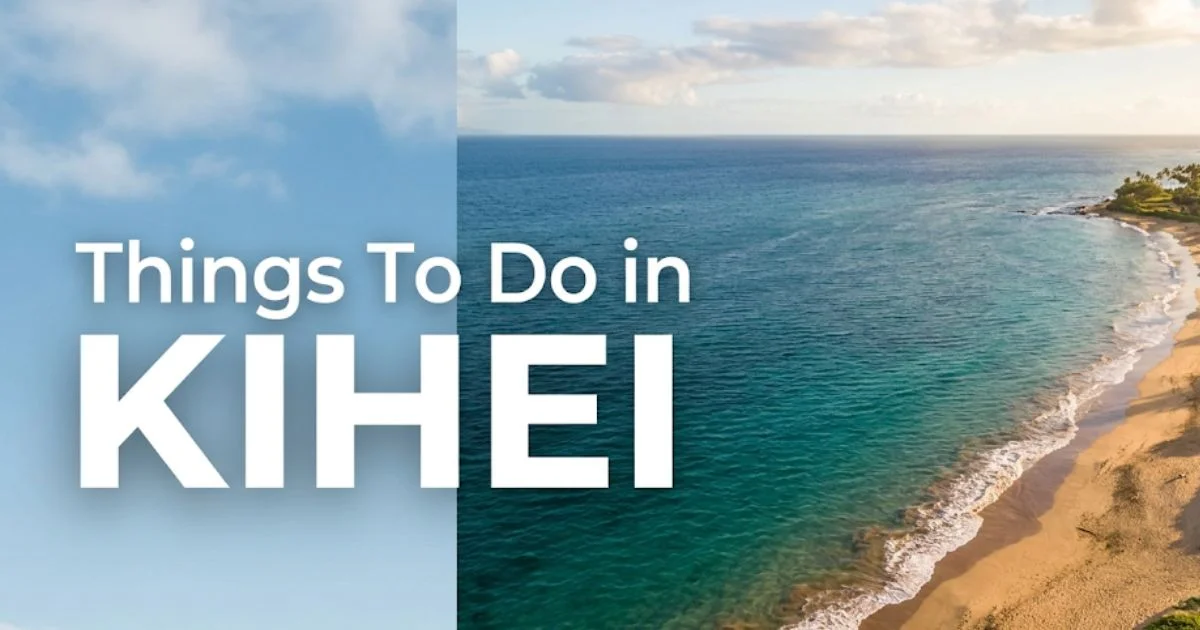
Things To Do in Kihei, Maui: Your 2026 Complete Guide

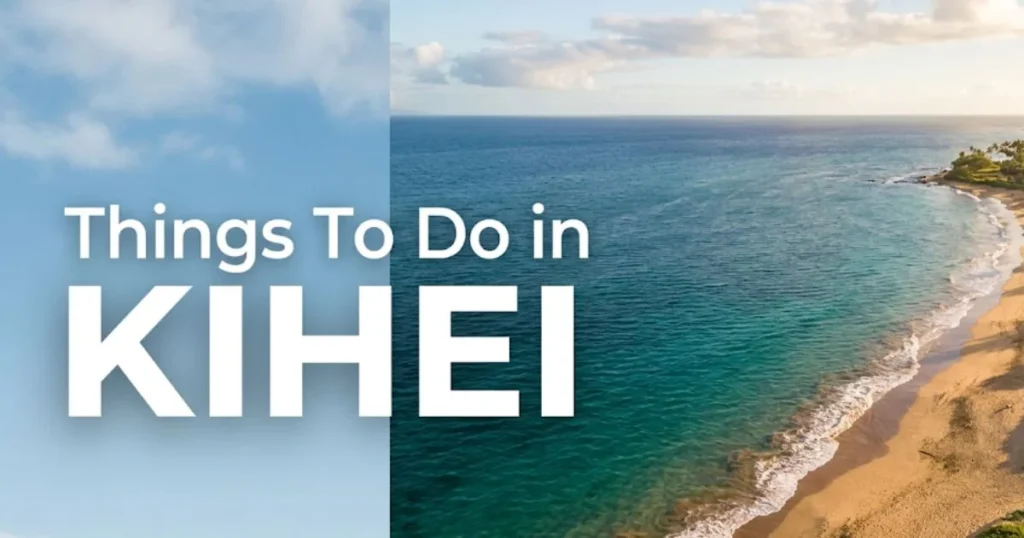
Kihei offers the most accessible and varied beach experience in South Maui. Things to do in Kihei range from world-caliber offshore snorkeling to sunset paddleboarding and genuine local dining.
Kihei’s leeward location gives it some of Maui’s most reliably sunny weather. According to the Hawaii Tourism Authority, South Maui records fewer rainy days per year than nearly any other part of the island.
This guide covers specific beaches, snorkel sites, tours, dining, and day trips. It also tells you what to book in advance, when to arrive early, and which experiences are genuinely worth the hype.
Things To Do in Kihei Maui: An Overview
Kihei, Maui gives visitors a practical, beach-forward base without the full resort isolation of neighboring Wailea. The town runs roughly six miles along South Kihei Road, with activity concentrated around the Kamaole Beach Parks in the south and Kalama Park in the north.
The character here is casual and genuinely local by Hawaii standards. Condos outnumber hotels, the dining scene skews toward family-run spots over hotel restaurants, and the ocean is the primary activity for nearly every visitor.
First-timers often underestimate how much Kihei rewards a car and an early start. Most popular beach parking fills by 9am in peak season.
A rental car is not optional for accessing the full range of South Maui’s coastline. Budget approximately 30 to 45 minutes for the drive from Kahului Airport (OGG) to Kihei.
Suggested 1-Day Kihei Itinerary:
- Arrive at Cove Park by 7:30am for early-morning snorkeling before wind picks up.
- Walk south along the shore path to Kamaole Beach Park II for mid-morning swimming.
- Grab breakfast or coffee at Kihei Caffe on South Kihei Road before 9am (the line builds fast).
- Drive to Keawakapu Beach for a quieter late-morning beach session (fewer crowds, no parking fee).
- Return to your accommodation for a midday break during peak sun hours (11am to 2pm).
- Afternoon: snorkel gear rental from Maui Dive Shop on South Kihei Road for a second session.
- Sunset at Kalama Park or Keawakapu Beach lookout point.
- Dinner at Coconut’s Fish Cafe or Da Kitchen on Pi’ikea Avenue.
Couples and solo travelers can manage this day comfortably. Families with young children should add more midday rest time and skip the early Cove Park session in favor of the more sheltered Kamaole Beach Park I.
Best Beaches in Kihei Maui
The best beaches in Kihei, Maui are concentrated along a six-mile coastal stretch with meaningfully different conditions at each location. Choosing the right one for your group matters more than most visitors realize.
Kamaole Beach Park II is the operational sweet spot among the three Kamaole parks. It has lifeguard coverage, restrooms, a shallow entry suitable for mixed swimming ability groups, and slightly less vehicle congestion than Kamaole III.
Kamaole Beach Park III is the most photographed and most crowded. Its large lawn and full facilities draw families and large groups. Parking at all three Kamaole parks runs through the County of Maui parking system; fees apply and lots fill early.
Keawakapu Beach runs south from the Kamaole parks toward Wailea. It is longer, less staffed, and typically less crowded. Experienced swimmers and snorkelers prefer it; families with young children should stick to the Kamaole parks where lifeguards are present.
| Beach | Best For | Lifeguard | Parking | Insider Note |
|---|---|---|---|---|
| Kamaole Beach Park I | Families, beginners | Yes | Paid lot | Most sheltered entry of the three |
| Kamaole Beach Park II | Mixed groups | Yes | Paid lot | Best balance of facilities and crowd level |
| Kamaole Beach Park III | Families, social groups | Yes | Paid lot | Most congested; arrive before 8:30am |
| Keawakapu Beach | Swimmers, couples | No | Street parking | Longer, quieter, no facilities |
| Cove Park (Kihei Cove) | Snorkelers | No | Limited street | Best shore snorkeling in North Kihei |
For seniors with mobility considerations, Kamaole Beach Park I has the shortest walk from parking to water and the most gradual entry slope. Wheelchair access to the sand surface itself is limited at all Kihei beaches; verify current accessibility infrastructure with the County of Maui Parks Department before visiting.
Snorkeling in Kihei Maui
The best shore snorkeling in Kihei is at Cove Park, also called Kihei Cove, a small protected bay at the north end of town off South Kihei Road. It is reliably calm in morning conditions before the trade winds build and hosts healthy coral populated by Hawaiian green sea turtles (honu), parrotfish, Moorish idols, and the state fish of Hawaii, the humuhumunukunukuapua’a.
Arrive at Cove Park before 8am. Wind typically arrives by 10am and reduces visibility and comfort significantly.
Maui Dive Shop on South Kihei Road rents full snorkel sets; budget approximately $15 to $30 per day for basic gear rentals, though prices vary by season and operator. Verify current rental rates directly with the shop.
For snorkeling beyond shore access, Molokini Crater is the standout offshore experience. This partially submerged volcanic caldera sits roughly nine miles off the South Maui coast and offers visibility that can exceed 100 feet on calm days. It is genuinely unlike anything accessible from shore.
Molokini snorkel tours depart from Kihei Boat Ramp and book out days to weeks in advance during peak season. Operators including Trilogy Excursions and Pacific Whale Foundation run morning departures. Book at least 1 to 2 weeks ahead for peak season visits; in shoulder months, 3 to 5 days ahead is typically sufficient.
Insider Tip:
- The first morning departure (typically 7am) has the best water clarity before afternoon wind chop builds on the channel crossing.
- Request the back snorkel platform boarding if your group includes less confident swimmers; it provides a lower entry point.
- Budget travelers can access Molokini-quality offshore snorkeling at La Perouse Bay via a kayak rental, though conditions there require experience and a calm-day forecast.
Whale Watching in South Maui
Whale watching in South Maui is at its peak from December through April, when North Pacific humpback whales migrate to Hawaiian waters to breed and calve. Kihei sits within the Hawaiian Islands Humpback Whale National Marine Sanctuary, making the South Maui channel one of the most concentrated humpback habitats in the Pacific.
Sightings from shore are common and genuinely spectacular. Kalama Park and the Keawakapu Beach shoreline offer elevated vantage points during morning and late afternoon hours.
For closer encounters, whale watching cruises depart from Kihei Boat Ramp. Pacific Whale Foundation operates research-informed tours with onboard naturalists; their vessels follow sanctuary guidelines for responsible wildlife approach distances. Tours typically run 2 to 2.5 hours.
Prices for whale watching cruises run approximately $40 to $80 per adult and $25 to $50 per child as of recent seasons; verify current pricing directly with operators. Book at least a week in advance for December through February departures.
The peak concentration of humpbacks is typically January through March. December arrivals see early-season activity. April departures mark the end of the season, with sightings becoming less reliable.
Couples find the sunset whale watch cruise format particularly worthwhile. Families with children under five should consider whether a 2.5-hour boat trip suits their youngest traveler before booking.
According to the Hawaiian Islands Humpback Whale National Marine Sanctuary, approximately 10,000 humpback whales make the annual migration to Hawaiian waters. The South Maui channel is one of the primary gathering zones.
Outdoor Activities in South Maui
South Maui’s outdoor activity range extends well beyond beach access. The coastline between Kihei and Makena offers stand-up paddleboarding, outrigger canoe paddling, sea kayaking, and reef fish snorkeling across multiple access points.
Stand-up paddleboarding (SUP) is well-suited to the Kamaole Beach area in calm morning conditions. Several operators based on South Kihei Road offer rentals and lessons; lesson packages for beginners typically run approximately $75 to $120 per person.
Surfing lessons are available through South Maui-based operators at the Kamaole Beach breaks. The breaks here are more forgiving than North Shore Maui. Lessons suit beginners and intermediate surfers; experienced surfers will find the Kihei breaks limited compared to Honolua Bay or Hookipa.
Sea kayaking to Makena is a legitimate half-day adventure for moderately fit paddlers. The launch point is typically Makena Landing, about 10 minutes south of Kihei by car. Guided tours explain the marine ecosystem and identify sea turtle and spinner dolphin habitat zones.
| Activity | Best For | Difficulty | Cost Range | Booking |
|---|---|---|---|---|
| Shore snorkeling (Cove Park) | All levels | Easy | Free to $30 gear rental | No advance booking |
| Stand-up paddleboard | Adults, older teens | Easy-moderate | $75-$120 lesson | Walk-in or book 1-2 days ahead |
| Sea kayak to Makena | Fit adults | Moderate | $65-$95 guided | Book 2-3 days ahead |
| Surfing lesson | Beginners | Easy-moderate | $75-$110 | Book 1-2 days ahead |
| Molokini boat snorkel | All levels | Easy (boat trip) | $90-$140 | Book 1-2 weeks ahead |
Seniors with good upper body mobility can participate in most paddling activities with appropriate operator vetting. Ask operators specifically about boarding and exit assist before booking; not all vessels are equally accessible.
Key Takeaway: Book your Molokini snorkel tour before you book anything else. It fills first, it delivers the most, and no shore alternative fully matches it.
Kihei Hiking and Nature
Kihei’s hiking opportunities are underused by most visitors, who default entirely to beach time. The coastline south of Kihei into Makena offers some of Maui’s most dramatic accessible terrain.
La Perouse Bay, about 20 minutes south of Kihei via Makena Alanui Road, marks the site of the last lava flow on Maui, dating to the late 18th century. The King’s Highway trail crosses this lava field along an ancient Hawaiian foot path. It is passable in regular walking shoes for the first mile; beyond that, volcanic terrain requires sturdy footwear.
Bring significant water. The La Perouse area is fully exposed, zero shade, and UV intensity is severe. Limit unshaded hiking to morning hours before 10am.
The Makena State Park coastal trail offers a shorter, more scenic walk between Big Beach and Little Beach (Pu’u Ola’i Beach). This 15-minute walk over a rocky headland rewards with a dramatically less crowded cove on the other side.
Haleakala National Park is 38 miles from Kihei but deserves a place in any multi-day itinerary. The summit trail system requires a timed-entry reservation through the National Park Service, which typically opens 60 days in advance. Sunrise reservations sell out within hours of opening. Book the moment your 60-day window opens.
Budget travelers should note that most Kihei-adjacent hiking is free. La Perouse Bay access is free; the walk to Little Beach at Makena State Park has no admission cost. Haleakala National Park charges a per-vehicle entrance fee; verify current rates at the National Park Service website before visiting.
Sunset Cruises and Water Tours in Kihei
Sunset cruises departing from Kihei Boat Ramp are among the most consistently satisfying paid experiences in South Maui. The typical format is a 2-hour sail or power cruise along the South Maui coastline with snacks, drinks, and near-guaranteed golden hour views over the West Maui Mountains.
Trilogy Excursions and Pacific Whale Foundation both operate evening departures. Trilogy’s catamaran sunset sail has a longstanding reputation among repeat Maui visitors for its crew-to-guest ratio and onboard experience.
Prices for sunset cruises typically run $80 to $130 per adult, with variations by vessel type and inclusion level. Verify current pricing and departure times directly with operators before booking.
Book at least 5 to 7 days ahead in peak season (mid-December through March and mid-June through August). Shoulder month departures may be available with shorter notice.
Couples consistently rate the sunset cruise format as one of Kihei’s top romantic experiences. The offshore vantage point provides views of Kahoolawe and Molokini that are not accessible from shore.
Families with children under 5 should assess the 2-hour standing/sitting-on-deck format honestly before booking. Most boats have limited interior seating and no dedicated child facilities.
Insider Tip:
- Sit on the port (left) side of the vessel for direct west-facing sunset views on the return leg.
- Bring a light layer. Ocean temperatures drop once the sun sets, even in summer.
- The whale watching and sunset combo tours, available December through April, offer the best value-per-hour ratio of any paid water experience in Kihei.
Kihei Restaurants and Local Dining
Kihei’s dining scene is built around local plate lunch traditions, fresh-catch seafood, and casual counter service, not hotel restaurant formality. The best meals here cost a fraction of Wailea’s resort dining prices.
Coconut’s Fish Cafe on Lipoa Street is the closest Kihei has to a landmark restaurant. The fish tacos, made with locally sourced mahimahi or ahi, regularly draw repeat visits from Maui regulars. Expect a wait during lunch hours; it does not take reservations.
Da Kitchen on Pi’ikea Avenue serves genuine Hawaii plate lunch: two scoops of rice, macaroni salad, and your choice of protein. The loco moco here is a reliable benchmark for local Hawaiian comfort food. Portions are generous and prices are moderate.
Kihei Caffe on South Kihei Road is the local breakfast institution. Lines form before 8am. The breakfast burritos and eggs Benedict are frequently cited by Kihei regulars as worth the wait.
Sansei Seafood Restaurant on South Kihei Road delivers one of the more serious fish-forward dining experiences in the area. It skews toward a couples and adult-group profile; it is not the right call for families with young children.
For budget travelers: The Kihei plate lunch circuit (Da Kitchen, 808 Deli, and roadside poke counters along South Kihei Road) allows full, satisfying meals for approximately $12 to $20 per person. This is meaningfully more affordable than Wailea alternatives.
Maui Brewing Company operates a taproom and restaurant in Kihei that is a legitimate evening option for craft beer and pub food. The ocean-adjacent outdoor seating is the draw.
Kihei Farmers Market and Shopping
The Saturday Kihei Farmers Market runs weekly on South Kihei Road and is one of the most genuinely local-feeling markets on Maui. It operates Saturday mornings, typically from around 7:30am to noon, though verify current hours before visiting.
Vendors sell local produce (papayas, avocados, locally grown coffee, banana bread), prepared foods, and artisan goods. This is not a tourist craft market. It skews toward local vendors selling actual food.
South Maui Gardens near the market area offers another rotating vendor selection. It is a smaller operation but worth a stop if you are already at the Saturday market.
Shopping in Kihei is not a primary draw. South Kihei Road has surf shops, snorkel gear rental outlets, and casualwear boutiques. Maui Dive Shop is a practical stop for gear rental and beach supply needs.
For serious shopping, The Shops at Wailea (10 minutes south) is the nearest upscale retail concentration. It is worth the drive for couples who want a more curated retail experience, but budget travelers will find little there below premium price points.
Souvenir shopping is available at several shops along South Kihei Road. The quality varies significantly. Reef-safe sunscreen is stocked at most drugstores and convenience stores in Kihei; bring your own or purchase locally since Hawaii state law prohibits chemical sunscreens containing oxybenzone and octinoxate.
Key Takeaway: Saturday morning at the Kihei Farmers Market plus an early Cove Park snorkel session is the single best free morning in South Maui.
Kalama Park and Keawakapu Beach in Kihei
Kalama Park anchors the center of Kihei’s activity corridor. It is a large, open county park on the ocean side of South Kihei Road with beach volleyball courts, a skate park, picnic shelters, and a grassy lawn. Locals use it genuinely, which makes it one of the more authentic public spaces in South Maui.
Kalama Park is not a prime swimming beach. The shoreline here is rocky and less suited to ocean entry than the Kamaole parks. Its value is as a gathering, picnic, and sunset-watching space.
Keawakapu Beach begins just south of the Kamaole parks and extends toward Wailea. It is one of Maui’s more underappreciated stretches of sand. The beach runs approximately a mile with softer sand, cleaner water, and significantly fewer people than Kamaole III.
Parking at Keawakapu is street-level along Kilohana Drive and along the beach access road. It is free, which alone separates it from the Kamaole parking experience during peak season.
Keawakapu has a gentle shore break that suits intermediate swimmers. Snorkeling at the southern end toward the Wailea boundary can be productive, though it is not as reliable as Cove Park or Molokini.
Seniors and accessibility travelers: Keawakapu’s beach surface is firm enough near the waterline for easier sand walking than some Kihei alternatives. However, the walk from street parking to the water’s edge is longer than at the Kamaole parks. Confirm current parking and access conditions with the County of Maui before visiting if mobility is a consideration.
Things To Do Near Kihei Maui: Day Trips
The two non-negotiable day trips from Kihei are Haleakala National Park and the Road to Hana. Both require a full day and a rental car. Neither should be attempted as a half-day option.
Haleakala National Park sits 38 miles and roughly 90 minutes from Kihei at the summit. The drive climbs from sea level to 10,023 feet. A timed-entry sunrise reservation through the National Park Service is required for the summit area before 7am. Book exactly 60 days in advance; reservations release at midnight Hawaii Standard Time and sell out within hours.
The summit experience is unlike anything else on Maui. The volcanic crater spreads across seven miles, and sunrise above the cloud layer is a genuinely rare visual experience when conditions cooperate. Bring warm layers; temperatures at the summit regularly drop below 40 degrees Fahrenheit even when Kihei is 85 degrees at sea level.
The Road to Hana runs 64.4 miles along Maui’s northeast coastline from Kahului. From Kihei, budget 2 hours each way plus 4 to 6 hours of stops. The drive requires patience on one-lane bridges and a willingness to manage other vehicles on blind curves.
Named stops worth the time on the Road to Hana include Wai’anapanapa State Park (black sand beach, requires advance reservation through Hawaii DLNR), Garden of Eden Arboretum, and Oheo Gulch (Seven Sacred Pools area within Haleakala National Park).
Maui Ocean Center in Maalaea, 15 minutes north of Kihei, is the best half-day indoor option. It is the most comprehensive aquarium in Hawaii and genuinely engages children through adults.
| Day Trip | Drive Time from Kihei | Full Day Required | Advance Booking |
|---|---|---|---|
| Haleakala sunrise | 90 min each way | Yes | NPS timed entry, 60 days out |
| Road to Hana | 2 hr each way | Yes | Wainapanapa State Park reservation |
| Molokini Crater (boat) | 30 min boat from Kihei Boat Ramp | Half day | 1-2 weeks ahead |
| Maui Ocean Center | 15 min | Half day | Walk-in or online |
| Makena / Big Beach | 15 min | Half day | No reservation |
Kihei for Families
Kihei is genuinely well-suited for families with children aged 5 and older. The range of protected beaches, lifeguard-covered swim areas, and accessible water activities covers most family travel needs.
Kamaole Beach Park I is the top choice for families with young children. It has the most sheltered entry of the three Kamaole parks, a grassy picnic area directly adjacent to the beach, restrooms, showers, and lifeguard coverage. Sand quality is good and the slope into the water is gradual.
Maui Ocean Center in nearby Maalaea is the most reliably engaging indoor activity for children of any age. The tunnel aquarium and Hawaiian green sea turtle exhibit hold children’s attention consistently. Budget approximately 2 to 3 hours for a thorough visit.
What genuinely works for kids: Shore snorkeling at Cove Park with rental gear (children aged 6 and up with basic swim confidence), watching humpback whales from Kalama Park during whale season (free, no boat required), and bodyboarding at Kamaole Beach Park II.
What sounds good but underdelivers for young children: Molokini offshore snorkel tours. The boat crossing through the Maui Channel is typically 45 minutes each way on open ocean. Children prone to motion sickness frequently struggle. The snorkeling experience at Molokini itself is designed for adults and older teens.
Families should plan activity around midday rest. Sun intensity at Kihei peaks between 11am and 2pm; the UV index regularly exceeds 10. Apply reef-safe sunscreen every 90 minutes and use rash guards for children in the water.
Kihei for Couples
Kihei works well for couples who want a beach-forward destination with genuine activity range, without the impersonal scale of a full resort complex. The town’s casual character supports an intimate, self-directed itinerary.
The sunset cruise from Kihei Boat Ramp is the most consistently romantic paid experience available. An evening catamaran sail with the West Maui Mountains illuminated at golden hour has a visual quality that holds up even after repeat Maui visits.
Keawakapu Beach is the couples’ beach of choice among South Maui regulars. It is longer, quieter, and less attended than the Kamaole parks. Walking the beach at low tide in the morning, with fewer than a dozen people in view for a quarter mile, is the closest Kihei gets to a private-beach experience without paying resort rates.
Dinner at Sansei Seafood Restaurant on South Kihei Road is the area’s most consistently recommended romantic dinner option. The omakase selection and fresh local fish presentations suit a celebratory evening. Reserve in advance during peak season.
For couples who want to step up from Kihei’s casual character for one evening, the short drive to Wailea provides access to Four Seasons and Grand Wailea dining programs. The Morimoto Maui at Andaz Wailea is a specific option worth considering for a special occasion.
One honest note: Kihei’s nightlife is limited. If a lively bar scene is part of your couple’s travel profile, Maui overall will underwhelm compared to other Hawaii destinations. Kihei’s evening atmosphere is casual, low-key, and typically winds down before midnight.
Key Takeaway: Couples should book the sunset cruise and Keawakapu Beach morning walk on their first full day. Both are free or affordable, and both deliver at a level that justifies anchoring the trip around them.
Kihei Free and Budget-Friendly Activities
Kihei’s free activity list is longer than most Hawaii destinations. The beach access is public, the snorkeling at Cove Park requires only gear rental, and whale watching from shore during season costs nothing.
Free or low-cost things to do in Kihei, Maui:
- Shore snorkeling at Cove Park (gear rental approximately $15 to $30 per day)
- Swimming and beach access at all three Kamaole Beach Parks (parking fee applies, beach access free)
- Swimming and beach access at Keawakapu Beach (free street parking)
- Whale watching from Kalama Park shoreline, December through April (free)
- Saturday Kihei Farmers Market (free entry; food and goods are purchased)
- Coastal walk from Kamaole Beach Park III south toward Keawakapu (free)
- Sunset watching from Kalama Park lawn (free)
- Turtle watching at Kamaole Beach Park II rocky sections (honu regularly rest on rocks; observe Hawaii wildlife viewing distance rules)
- La Perouse Bay lava field walk (free; wear sturdy shoes, bring water)
Budget travelers should anchor their activity spending on the Molokini tour as the one worthwhile splurge. Everything else on this list costs under $30 per person.
Accommodation is the biggest budget variable in Kihei. Vacation rentals and condo properties along North Kihei Road typically run lower than Wailea resort rates. Self-catering reduces food costs significantly; a kitchen stock run to Safeway on South Kihei Road covers breakfast and lunch needs at reasonable cost.
Budget travelers should know: Kihei is cheaper than Wailea but Hawaii is not a budget destination by continental US standards. Realistic daily budgets, including accommodation, range from approximately $150 to $300 per person per day depending on choices.
Best Time To Visit Kihei Maui in 2026
The best time to visit Kihei, Maui in 2026 is April through early June or September through mid-November. Both windows combine favorable weather, lighter crowds, and lower accommodation rates than peak season.
April through June follows the whale watching season and precedes peak summer family travel. Water temperatures are warm. Trade winds are consistent. Hotel and condo rates drop noticeably compared to January through March.
September through November is the most underestimated window. Maui’s visitor volume is at its annual low. Water clarity is excellent. Accommodation rates are the most affordable of the year. Hurricane season officially runs through November 30, but direct hurricane impacts on Maui are historically infrequent; tropical storm watches occasionally affect planning.
Peak season occupancy runs mid-December through March (whale season plus holiday travel) and mid-June through August (summer family travel). Expect maximum crowd levels at beaches and parking areas, highest accommodation rates, and the most competition for snorkel tour and sunset cruise bookings.
Kihei weather year-round: The town’s leeward location means it is sunny and dry regardless of season. Average high temperatures range from the low 80s Fahrenheit in winter to the upper 80s in summer. Rain is rare. UV intensity is high in every month; this is not a seasonal concern but a constant one.
Whale watching travelers should target January through March for the highest probability of active whale activity. Early December and April are viable shoulder options.
Kihei Maui Travel Tips and Getting Around
Getting around Kihei requires a rental car for any traveler planning to access the full range of South Maui’s coastline, beaches, and day trip destinations. No viable public transit alternative exists for most activity-oriented travel.
Book your rental car before your flight. Maui rental car demand is structurally high and inventory at Kahului Airport (OGG) runs tight, particularly during peak season. Booking within 30 days of travel during summer or winter peak frequently results in limited vehicle selection and elevated rates.
The drive from OGG to Kihei takes approximately 30 to 45 minutes via Mokulele Highway (Highway 311). Traffic through Kihei on South Kihei Road is heaviest between 7am and 9am and again at 4pm to 6pm on weekdays.
Parking realities:
- Kamaole Beach Park I, II, and III parking lots fill by 9am in peak season. Arrive before 8am or park on side streets and walk.
- Keawakapu Beach street parking (Kilohana Drive) is free and typically less congested but fills by 10am in summer.
- Kalama Park has a large free lot that rarely fills completely.
Hawaii reef-safe sunscreen law is actively enforced. Chemical sunscreens containing oxybenzone and octinoxate are banned statewide. Bring mineral-based options (zinc oxide or titanium dioxide) or purchase locally.
Insider Tips for logistics:
- Gas prices in Hawaii run significantly above US mainland averages. Fill up in Kihei rather than at the airport.
- Cell service is reliable throughout Kihei and along South Kihei Road. It drops in parts of La Perouse Bay and on the Road to Hana.
- Most Kihei condo and vacation rental properties have a two-night minimum. Verify check-in procedures carefully as many are self-check-in with keypad codes rather than staffed front desks.
Safety and Practical Warnings for Kihei and South Maui
The primary safety risks in Kihei and South Maui are ocean-related and UV-related, not crime-related. Understanding both before entering the water or spending extended time outdoors is non-negotiable.
Key safety and practical facts every visitor should know:
- Big Beach (Makena State Park) has one of Hawaii’s most dangerous shore breaks. The steep slope and powerful shore pound cause serious injuries to bodyboarders and swimmers every season. Enter the water with full awareness of conditions. If the wave face is taller than your torso, exit immediately.
- Rip currents occur at north-facing Kamaole beaches during winter north swell. Check the National Weather Service Honolulu surf forecast before swimming. If caught in a rip current, swim parallel to shore rather than fighting toward it.
- UV index in Kihei regularly exceeds 10 to 11. This is in the “extreme” category. Reef-safe sunscreen, rash guards, and shade during 11am to 2pm peak hours are essential.
- Ahihi-Kinau Natural Area Reserve, between Makena and La Perouse, has restricted access zones. Check current DLNR access rules before visiting; access regulations have changed in recent years.
- Marine wildlife viewing rules apply to sea turtles and dolphins. Federal law requires maintaining at least 10 feet from sea turtles and prohibits touching or approaching spinner dolphins in ways that disrupt rest behavior. Violations carry significant fines.
- Vog from Big Island volcanic activity occasionally reduces air quality and visibility across Maui. Check the Hawaii Department of Health air quality index if you have respiratory sensitivities.
For ocean emergencies, contact US Coast Guard Maui via VHF Channel 16 or call 911. For non-emergency park and access questions, reach the County of Maui Department of Parks and Recreation.
Frequently Asked Questions About Things To Do in Kihei Maui
What are the best things to do in Kihei Maui for first-time visitors?
First-time visitors to Kihei should prioritize snorkeling at Cove Park, a Molokini Crater boat tour, and at least one sunset cruise from Kihei Boat Ramp.
Add the Saturday Kihei Farmers Market and a day trip to Haleakala National Park for a complete South Maui introduction.
Book Molokini and Haleakala timed-entry reservations before anything else; both fill quickly and neither can be improvised on arrival.
Which beach in Kihei is best for snorkeling?
The best beach in Kihei for snorkeling is Cove Park, also called Kihei Cove, at the north end of town.
The protected bay holds calm morning conditions, healthy coral, and regular sea turtle activity.
Arrive before 8am to snorkel before the trade winds build and reduce underwater visibility.
Is Kihei good for families with young children?
Kihei is well-suited for families with children aged 5 and older, primarily because of the lifeguard-covered Kamaole Beach Parks.
Kamaole Beach Park I has the most sheltered entry and the most family-friendly facilities of the three parks.
Maui Ocean Center in nearby Maalaea is the best rainy-day or midday-heat indoor option for children of all ages.
When is whale watching season in Kihei Maui?
Whale watching season in Kihei runs from December through April, with peak humpback whale activity in January through March.
Free shore-based whale watching from Kalama Park and Keawakapu Beach is genuinely productive during peak months.
Paid whale watching cruises departing from Kihei Boat Ramp, operated by Pacific Whale Foundation and other operators, provide closer encounters with onboard naturalist commentary.
Do you need a car to get around Kihei?
A rental car is effectively required for most visitors to Kihei, Maui.
No viable public transit system serves South Maui’s beaches, day trip destinations, or the broader range of outdoor activities.
Book your rental car well in advance of your trip; Maui inventory at Kahului Airport tightens significantly during peak season.
What is the best time of year to visit Kihei Hawaii?
The best time to visit Kihei, Hawaii is April through early June or September through mid-November.
Both windows offer favorable weather, lighter beach crowds, and lower accommodation rates than the December-to-March and June-to-August peak periods.
Travelers specifically seeking whale watching should target January through March for the highest concentration of humpback activity in the South Maui channel.
Kihei rewards travelers who plan ahead. Book your Molokini snorkel tour and Haleakala timed-entry reservation before you finalize your accommodation. Both require advance planning that no amount of in-destination improvisation can fix.
Your rental car reservation matters as much as your flight. Secure it early, arrive at Cove Park before the wind builds, and let the week unfold around the South Maui coastline rather than a resort itinerary.
Travel conditions, operating hours, tour availability, parking fee structures, and state park access rules change regularly. Verify key logistics directly with operators, the County of Maui, and the National Park Service before departure.