16 Best Things to Do in Twin Falls Idaho in 2026

Twin Falls delivers Idaho’s most dramatic canyon spectacle outside a national park. The roar of Shoshone Falls in spring justifies the drive alone.
This city sits directly on the rim of the deep Snake River Canyon. It offers a specific, powerful mix of waterfall viewing, trail hiking, and genuine frontier history.
I’ll walk you through the exact activities, best local dining, and seasonal logistics you need. You’ll leave with an honest blueprint for a memorable trip.
Shoshone Falls and the Niagara of the West
Shoshone Falls is a 212-foot basalt cliff curtain higher than Niagara Falls. It only operates as the “Niagara of the West” from April through early June.
Shoshone Falls Park charges a $5 per vehicle entry fee during peak season. The main overlook is a flat, paved 100-yard walk from the parking lot.
| Feature | Detail | Best For |
|---|---|---|
| Height | 212 feet | Photography |
| Flow Peak | Late April–May | Spectacle Seekers |
| Entry Fee | $5 per vehicle | Budget Travelers |
| Access | Paved path | Seniors, Families |
Do not visit expecting a thunderous cascade in August or September. The Snake River gets diverted for irrigation and the falls slow to a weep.
Insider Tip: Arrive at 9:00 AM in May. You’ll get misty rainbow lighting and avoid the midday tour bus crowds that fill the platform by 11:00 AM.
Snake River Canyon Rim Trails and Views
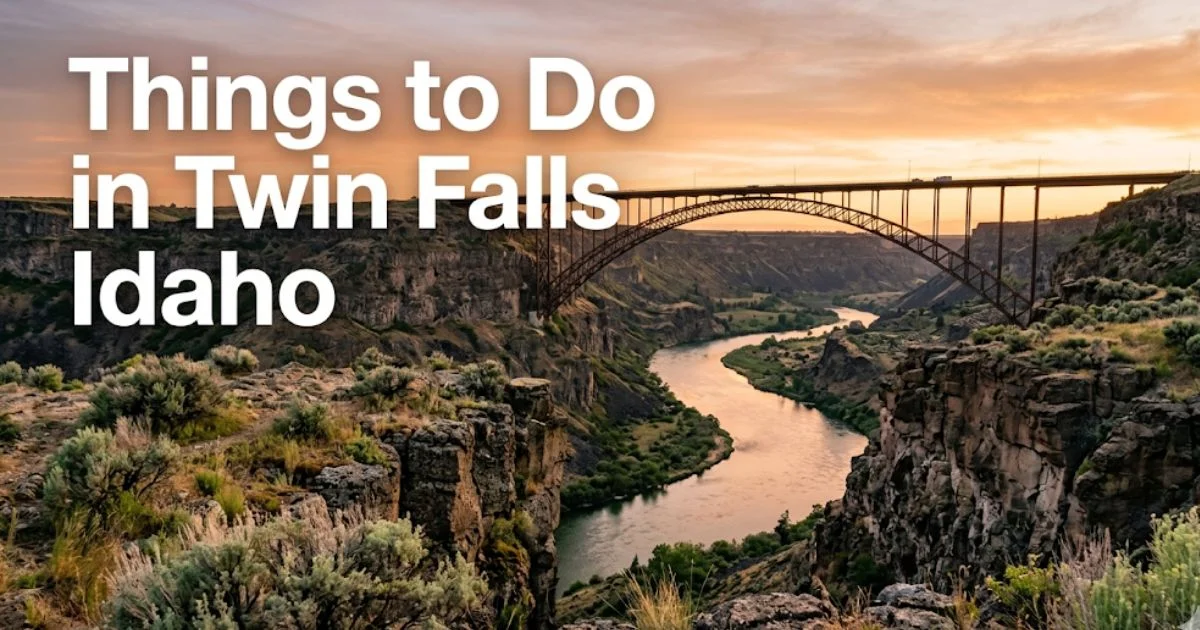
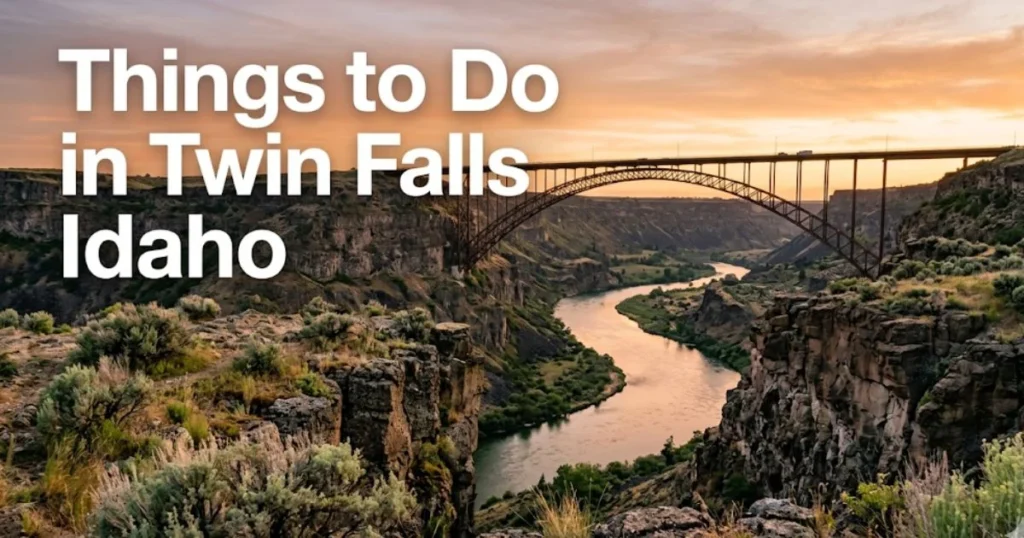
The Canyon Rim Trail is a 10-mile paved multi-use path along the basalt edge. It connects the Perrine Bridge to Shoshone Falls with constant deep-gorge views.
This is the best free activity for families and cyclists. Rent a bike at Scott’s Ski and Bike on Pole Line Road for a half-day cruise.
- Solo travelers will appreciate the well-marked mileposts and frequent benches.
- Seniors can manage the flat, wide asphalt easily, but there is no shade.
- Families should watch toddlers obsessively near unfenced overlooks.
The southern segment near Canyon Springs Road offers a gravel spur to a hidden viewpoint. You’ll stand directly across from Shoshone Falls without the entry fee crowd.
Park at the Twin Falls Visitor Center at the north trailhead. Use their restrooms before starting because there are zero facilities along the way.
Perrine Memorial Bridge and BASE Jumping
The Perrine Bridge is the only man-made structure in the US where BASE jumping is allowed year-round without a permit. You can watch jumpers hurl themselves 486 feet into the canyon legally every day.
Drive to the I.B. Perrine Bridge pullout on the south side of the canyon. Walk the pedestrian sidewalk mid-span for a stomach-churning view straight down to the river.
Spectating costs nothing and happens best on calm weekend mornings. Solo travelers often park here and strike up conversations with the easily approachable jump teams.
This is not a metaphor. Real people routinely climb over the pedestrian rail and launch into the void. Do not lean out for a selfie stick shot and drop your phone into the landing zone below.
Key Takeaway: Visit Shoshone Falls in the morning light. Visit Perrine Bridge mid-morning when BASE jumpers are actively rigging and leaping.
Kayaking and Paddleboarding the Snake River
You can paddle the flatwater stretch of the Snake River directly below the massive canyon walls. AWOL Adventure Sports at Centennial Waterfront Park rents kayaks and stand-up paddleboards by the hour.
Launch from the park and paddle upstream toward the base of Perrine Bridge. Look down into the clear water and you’ll spot sturgeon and trout swimming below your hull.
- Rent a solo kayak for about $25 per hour.
- A tandem kayak works better for couples or one parent with a young child.
- Paddleboards suit experienced users only due to occasional wake from motorboats.
Paddling upstream takes effort but the return float is effortless. Avoid launching during windy afternoons when canyon gusts make paddling a punishing workout.
Centennial Waterfront Park and Boat Launch
Centennial Waterfront Park is the primary access point for the canyon floor. It sits at the base of a steep paved switchback road on the canyon’s south rim.
The park has a boat ramp, restrooms, a small beach, and rental kiosks. Families can use the gentle shoreline for wading and rock skipping without currents.
Visit on a weekday morning in June. The water is still high and cold, but the boat ramp isn’t yet congested with weekend wake boat trailers.
Know that the walk from parking to the water is short and paved. But the drive down Canyon Springs Road is steep and vehicles with trailer brakes manage it best.
Dierkes Lake and Hidden Lakes
Dierkes Lake is a volcanic rock-rimmed swimming lake directly above Shoshone Falls. You can hike the 1-mile loop trail around its edge in under an hour.
The lake has a designated swimming beach, picnic shelters, and restrooms. Paid entry is included with your Shoshone Falls admission so visit both on the same day.
- Families with young children prefer this to the canyon river. No current and a gentle sandy entry make it safer.
- Solo hikers can explore the basalt scramble paths around the backside.
Water temperatures stay chilly well into June. Locals wait until July for swimming but the picnic tables are excellent year-round for a canyon-view lunch.
Rock Creek Park and Local Hiking
Rock Creek is a surprising high-desert oasis tucked into the city’s southern edge. A cold creek carves through cottonwood trees and volcanic boulders just 10 minutes from downtown.
Hike the 2-mile out-and-back trail from the parking lot to the small waterfall punchbowl. You’ll cross footbridges over the creek multiple times as canyon walls narrow overhead.
This is the city’s best secret for solo hikers and couples seeking solitude. The sound of water drowns out road noise and the temperature drops noticeably in the gorge.
Park at the Rock Creek Park lot on Addison Avenue East. Wear grippy hiking sandals because some creek crossings soak the path in early summer when snowmelt swells the water.
Key Takeaway: Dierkes Lake gives you a swimming hole. Rock Creek gives you a shaded canyon walk. Use both for a full water-plus-hike day.
Auger Falls and Non-Tourist Waterfall Alternatives
Auger Falls is the local favorite that bus tours skip entirely. It delivers a unique churning vortex cascade visible from a short dirt trail east of the canyon rim.
Drive past the Shoshone Falls entrance on Falls Avenue and park in the unsigned dirt pullout. Walk 0.25 miles to the overlook and see the full Snake River constrict through a violent slot.
- No entry fee. No crowds. No railing.
- Photographers should pack a polarizing filter to cut glare off the churning whitewater.
- Seniors and small children should stay in the car because the overlook lacks safety barriers.
Check the flow first by viewing Shoshone Falls. If Shoshone is a thin ribbon, Auger Falls will be equally unimpressive and not worth the dirt-road dust.
Heritage and Historical Sites in Twin Falls
The Herrett Center for Arts and Science on the College of Southern Idaho campus holds a shocking collection of pre-Columbian artifacts. The gallery displays one of the best assemblages of Maya and Aztec textiles north of Mexico.
Entry is free. Donations fund the attached Faulkner Planetarium, which runs immersive astronomy shows for about $6 per adult.
Visit the Twin Falls County Historical Museum for a comprehensive Oregon Trail and irrigation pioneer exhibit. You’ll learn how I.B. Perrine transformed a lava rock desert into the Magic Valley’s agricultural engine.
The museum is small, locally run, and only open Tuesday through Saturday. Check the posted hours taped to the door before committing to a weekend visit.
Downtown Twin Falls Dining and Local Coffee
Elevation 486 sits directly on the canyon rim and delivers the best dinner view in Idaho. Reserve a patio table at sunset and order the Idaho trout with huckleberry butter.
Twin Falls Sandwich Company on Main Avenue builds enormous hot subs on freshly baked bread. It’s the best $12 lunch in town and the line moves fast.
- Koto Brewing Company serves a kimchi burger that legitimately competes with much larger city gastropubs.
- Java Espress on Blue Lakes Boulevard is the local drive-thru coffee hut chain. Get a huckleberry latte.
Avoid the chain restaurants near the Magic Valley Mall. You didn’t drive to Twin Falls to eat at a Chili’s when places like O’Dunken’s Draught House exist.
Craft Breweries and Evening Entertainment
Koto Brewing Company pours a clean Kolsch and a rotating hazy IPA in a historic Main Avenue building. The exposed brick interior and vinyl record player make it the most atmospheric evening spot.
Milner’s Gate offers a modern cocktail program in a converted warehouse space downtown. Order the smoked rosemary gin and tonic and sit under the string-lit patio.
- Solo travelers will find friendly bar service and a communal table at Koto.
- Couples should walk between downtown venues and skip driving entirely.
Twin Falls does not have a nightclub scene. The city rolls up the sidewalks early and you won’t find live music beyond a solo acoustic act or brewery patio speaker.
Key Takeaway: Book the rim-view table at Elevation 486 for dinner. Then walk to Koto Brewing for a nightcap and skip the rest.
Family-Friendly Activities and Museums
The Faulkner Planetarium runs kid-focused astronomy shows every Saturday morning. The dome projection system gives a genuinely immersive space experience for about $6 per ticket.
Jump Time on Washington Street North houses giant inflatable trampoline courts for children under 12. It’s the rainy-day backup plan when canyon trails are dangerously muddy.
- The Twin Falls City Park on Shoshone Street East has a large modern playground structure and shaded picnic pavilions.
- Rock Creek lets kids splash in ankle-deep water and hunt for tadpoles.
Avoid the canyon rim trail with unsteady toddlers. The lack of protective fencing along long stretches means constant vigilance and zero relaxation for parents.
Where to Stay and Base Camp Logistics
The Fillmore Inn is a historic brick bed and breakfast on Fillmore Street offering quiet rooms and gourmet breakfast. It’s the top choice for couples seeking a romantic base.
Chain hotels cluster on Blue Lakes Boulevard near the Perrine Bridge. La Quinta Inn & Suites and Holiday Inn Express offer reliable rooms with river views if you request a south-facing upper floor.
- Budget travelers should check the Motel 6 on Addison Avenue or camp at the Anderson Camp RV park.
- Large families can rent full homes on Canyon Springs Road with fenced yards.
Book Shoshone Falls-adjacent lodging early for May and June visits. This is not a negotiating market and rooms fill with spring road-trippers heading to Yellowstone.
Seasonal Events and Best Time to Visit
April through early June is the undeniable best window for Twin Falls. Shoshone Falls peaks and daytime temperatures hover in the comfortable 65°F to 80°F range.
| Season | Waterfall Flow | Crowds | Temperature | Best Activity |
|---|---|---|---|---|
| Spring (Apr-Jun) | Maximum | Moderate-High | 55-80°F | Waterfall viewing |
| Summer (Jul-Aug) | Minimal | High | 85-105°F | Kayaking, swimming |
| Fall (Sep-Oct) | Minimal | Low | 50-75°F | Hiking, biking |
| Winter (Nov-Mar) | Variable | Very Low | 20-40°F | Planetarium, museums |
The Western Days Festival in June brings a parade and rodeo to town. Book hotels weeks ahead for that specific weekend because the town fills with regional visitors.
Avoid August. The mercury hits 100°F regularly and looking at a dry waterfall in blistering heat sours any vacation.
Day Trips from Twin Falls Idaho
Thousand Springs Scenic Byway is a 67-mile drive east on US-30. You’ll pass the Hagerman Fossil Beds National Monument and multiple aquifer-fed waterfalls that flow all year long.
The fossil beds visitor center has a short film and an overlook of the Oregon Trail wagon ruts. Kids completing the Junior Ranger program earn a badge here.
- City of Rocks National Reserve is a 1.5-hour drive southeast. Granite spires and pioneer signatures on axle grease make it a surreal landscape.
- Shoshone Ice Caves are a 30-minute drive north where lava tubes hold ice year-round.
Pack lunch and fuel before departing. The scenic byway has almost zero services between towns and you’ll lose cell signal in the national reserve climbing areas.
Safety and Practical Warnings for Twin Falls
Canyon rims are unguarded and lethal. People die every few years by stepping too close to the edge for a photograph.
Key safety and practical facts every visitor should know:
- Stay on paved paths near the canyon rim. Basalt rock can crumble without warning.
- Rattlesnakes emerge in spring and summer. Listen for the rattle and back away slowly on the trail.
- Kayak life jackets must be worn by law on the Snake River. The water is always cold enough to cause shock.
- There is no cell service in the bottom of the canyon. Download offline maps before hiking down.
- Summer heat reaches 105°F. Hike in the morning and carry one liter of water per hour.
Dial 911 for emergencies. The Magic Valley Paramedics Special Operations Team handles canyon rescues but extrication takes time due to steep terrain.
Frequently Asked Questions About Twin Falls
What is the best month to see Shoshone Falls?
May is the single best month to see Shoshone Falls at peak volume and height.
The snowpack melt reaches maximum flow and the surrounding basalt cliffs frame a 212-foot tall curtain of water.
Is Twin Falls Idaho worth visiting?
Twin Falls is absolutely worth visiting for a 48-hour outdoor-focused road trip stop in spring or early summer.
The canyon scenery and waterfall scale rival some national parks without the reservation system and crowds.
How much time do you need in Twin Falls Idaho?
You need two full days in Twin Falls to see the falls, hike the canyon rim, and paddle the river.
One day is enough if you only want the waterfall viewpoint and Perrine Bridge photo stop.
Can you swim at Shoshone Falls?
You cannot swim at the base of Shoshone Falls due to lethal currents and submerged hazards.
Swim at Dierkes Lake or the Centennial Waterfront Park beach instead for legal and safe water access.
What is the famous bridge in Twin Falls Idaho?
The Perrine Memorial Bridge carries US-93 across the Snake River Canyon at 486 feet high.
It is famous as the only year-round legal BASE jumping bridge in the United States.
Is Twin Falls Idaho walkable?
The Canyon Rim Trail is highly walkable for 10 paved miles but the city itself is not a walkable downtown destination.
You will need a car to reach Shoshone Falls, trailheads, and dispersed restaurants along Blue Lakes Boulevard.
Twin Falls rewards visitors who understand its specific seasonal rhythm. Come in spring, hike early, and drive everywhere.
Your trip plan starts with a May hotel booking on Blue Lakes Boulevard. Then check the USGS Snake River flow gauge before you depart to confirm the falls are roaring.
Verify Shoshone Falls Park hours and entry fees directly with the City of Twin Falls Parks and Recreation website. Water flow conditions, rental rates, and restaurant hours shift without warning and your perfect canyon day depends on current data.
Get your Perrine Bridge photo at 10:00 AM. You’ll see jumpers, feel the canyon updraft, and leave understanding exactly why this high desert city deserves two days of your full attention.