Laguna Beach in 2026: The Honest Guide to What’s Actually Worth Your Time

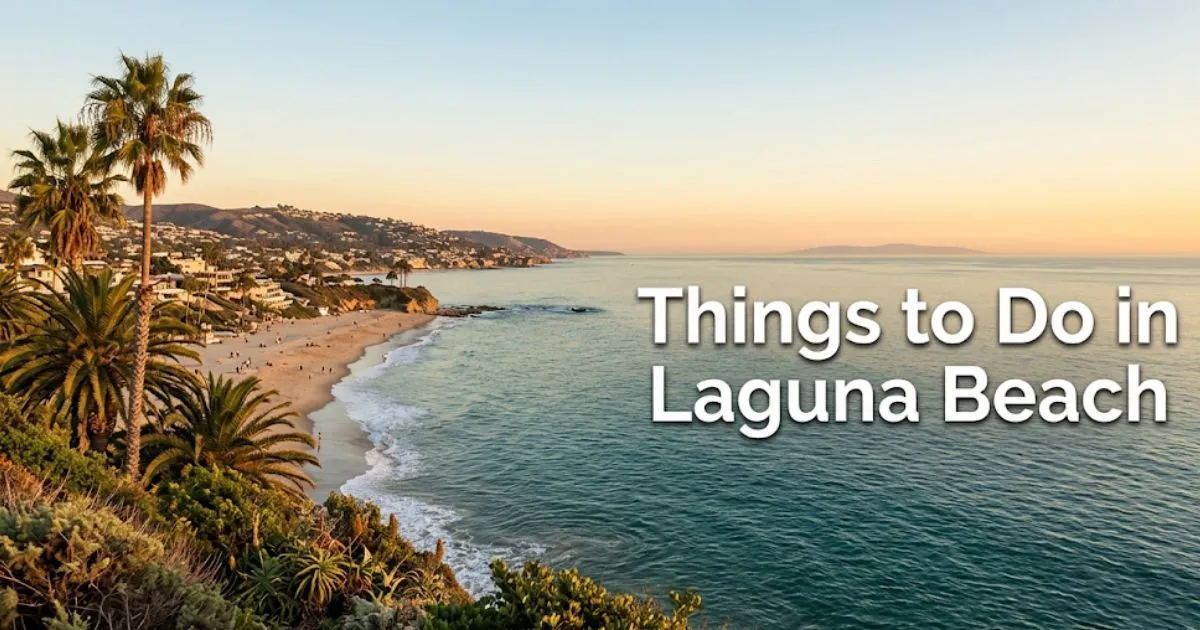
Laguna Beach packs more art, coastline, and California character into seven miles than most cities manage in fifty. Skip the generic beach-town assumptions—this place has sharp edges alongside its postcard views.
The city supports over 100 galleries, studios, and public art installations within walking distance of a marine protected coastline. Summer visitors outnumber residents nearly three to one, which changes everything about where you should go and when.
This guide covers which beaches earn their reputation, where locals actually eat, what’s overrated, and how to navigate the town’s famous summer gridlock. You’ll finish knowing exactly what to book first and what to skip entirely.
Best Things to Do in Laguna Beach for First-Time Visitors
Start your first Laguna Beach visit at Heisler Park, not Main Beach. The cliff-top walking path gives you the coastline overview that makes everything else make geographic sense.
Heisler Park stretches along the bluffs just north of downtown with marked staircases leading down to pocket beaches and tide pools. Allow two hours for a proper walk with stops at the ocean-view benches and public art installations scattered along the path.
The park connects directly to Main Beach via a paved walkway along the water. This route works for every traveler profile—solo visitors, couples, families with strollers, and wheelchair users all navigate it comfortably.
Timing matters enormously here. Summer weekends bring shoulder-to-shoulder foot traffic by 10 a.m. and the famous sunset crowds start gathering by 6 p.m. Weekday mornings in spring or fall deliver the postcard experience without the shoulder contact.
What first-timers often miss sits right below their feet. The tide pools at the base of Heisler Park’s staircases hold sea stars, anemones, and small octopus when the tide pulls back far enough. Check a tide chart before you go—low tide below one foot reveals the best pools.
| Experience | Best For | Time Needed | Cost | Insider Note |
|---|---|---|---|---|
| Heisler Park walk | All traveler types | 1-2 hours | Free | Sunset gets packed by 6 p.m. summer |
| Main Beach visit | Families, people-watchers | 1-3 hours | Free | Basketball courts draw serious local games |
| Tide pooling | Curious travelers, families | 1 hour | Free | Check tide below 1 foot for best viewing |
| Downtown gallery walk | Art-interested travelers | 2-3 hours | Free to browse | First Thursday Art Walk adds open studios |
Insider Tip: Park in the Lumberyard lot on Ocean Avenue instead of hunting for street spots. It’s centrally located, reasonably priced by Laguna standards, and puts you between Heisler Park and downtown without moving your car.
Laguna Beach Things to Do for Art and Culture Lovers
The Laguna Art Museum on Cliff Drive is the only California museum devoted exclusively to California art. Its collection traces the state’s artistic identity from the 19th century to contemporary work in a building perched directly above the surf.
Exhibitions rotate every three to four months with a focus on artists who worked in or were shaped by California. Admission runs approximately $7 to $12 with free entry during the monthly First Thursday Art Walk from 6 to 9 p.m.
The museum suits solo travelers and couples best. Its intimate scale means you can see every gallery in about 90 minutes without museum fatigue. Families with young children will find it less engaging unless timed around the family-friendly Art Walk evenings when outdoor activities expand the experience.
Summer hours typically run daily. Off-season months bring reduced weekday hours, especially Mondays and Tuesdays. Call ahead in January and February when the museum occasionally closes for installation changes between major exhibitions.
The coastal location is the secret advantage nobody talks about. The second-floor gallery windows frame ocean views that compete with the artwork. On clear winter days you’ll see Catalina Island from the terrace without paying gallery admission.
Key galleries worth visiting beyond the museum:
- LCAD Gallery on Ocean Avenue shows student and faculty work from Laguna College of Art and Design, frequently more adventurous than the commercial galleries
- Sue Greenwood Fine Art on Glenneyre Street represents California contemporary painters with a curatorial eye sharper than most downtown tourist-facing galleries
- Forest & Ocean Gallery on Forest Avenue shows emerging Southern California artists at accessible price points
- Pacific Edge Gallery on South Coast Highway carries several of the plein air painters who built Laguna’s art colony identity
Insider Tip: First Thursday Art Walk is the genuine local scene, not a tourist production. Galleries stay open late, some serve wine, and artists often attend. Skip the summer months when crowds overwhelm the experience—October through May delivers the real community feel.
Key Takeaway: The First Thursday Art Walk on the first Thursday evening of each month connects you to the art community locals actually participate in.
Things to Do in Laguna Beach for Outdoor and Beach Activities
Victoria Beach delivers the iconic California beach experience with one specific feature no other local beach can match. The medieval-looking Pirate Tower wedged into the cliff face creates a focal point that photographs like nowhere else on this stretch of coast.
The beach sits in a residential neighborhood with no parking lot and no facilities. You’ll walk down a steep residential street to a narrow staircase between houses. The lack of parking and amenities keeps crowds manageable even in summer.
This beach works for couples seeking a romantic spot and photographers chasing golden hour light. It’s a poor choice for seniors with mobility concerns due to the steep access staircase and for families needing restrooms or lifeguard presence—there are none.
Seasonal access shifts dramatically. Summer brings the calmest water and most accessible sand. Winter storms can strip the beach down to cobblestones and the tower becomes partially submerged during extreme high tides. Spring and fall offer the best balance of accessibility and solitude.
The timing secret locals guard tightly involves the afternoon shadow. The cliff casts shade on the tower area by mid-afternoon in winter. Morning light hits the tower directly. Plan your visit before noon for photographs where the structure glows against the dark rock.
What experienced visitors know that first-timers don’t involves the sand quality variation. The north end of Victoria Beach holds soft sand ideal for lounging. The south end near the tower runs rocky and slippery with algae at low tide. Walk north from the staircase unless you’re there specifically for photography.
Insider Tip: Arrive before 9 a.m. on summer weekends or after 5 p.m. on weekdays for any chance at solitude near the Pirate Tower. The window between 10 a.m. and 4 p.m. delivers a parade of Instagram photographers posing against the tower for 20 minutes each.
Things to Do in Laguna for Families with Kids
Treasure Island Park at the Montage Resort delivers the single best family beach setup in Laguna without requiring hotel guest status. The public park sits directly south of the resort with easy staircase access, groomed lawns above the beach, and a protected cove with gentle surf.
The beach itself is one of Laguna’s few sandy-bottom coves with lifeguard coverage during summer months. The waves break softly here compared to the more exposed beaches to the south, making it ideal for children under ten who want to body-surf without getting worked by bigger sets.
The park lawn above the beach is the real family advantage. You can picnic on actual grass with ocean views, spread out when kids need space from the sand, and access clean public restrooms. Few Laguna beaches offer anything close to this combination of amenities.
Budget travelers should note the parking situation immediately. The public lot charges approximately $15 to $25 for the day. The free alternative requires a steep uphill walk from PCH street parking, which fills by 9 a.m. on summer weekends. Families hauling beach gear will want to budget for the paid lot.
Senior visitors and grandparents accompanying families benefit enormously from this location. The paved paths, elevator access from the parking structure to beach level, and abundance of shaded benches make it the most physically accessible beach experience in Laguna.
The dining backup plan that saves family beach days involves the Montage Lobby Lounge. It’s expensive but accepts non-guests, serves food all afternoon, and sits a three-minute walk from the beach. When kids hit the hungry-and-miserable wall at 2 p.m., it solves the problem that ruins beach afternoons.
Insider Tip: Pack everything you need before arriving. The nearest grocery store is a ten-minute drive. There’s no snack bar or beach vendor here, and the Montage’s poolside café serves hotel guests only. Hangry children and a twenty-minute supply run is a formula for a ruined afternoon.
Key Takeaway: Pay for the Treasure Island lot on beach days with kids—the elevator access and lawn space justify every dollar of parking cost.
Things to Do in Laguna Beach CA for Shopping and Downtown Exploring
Forest Avenue and the surrounding downtown grid concentrate Laguna’s shopping, dining, and people-watching into walkable blocks that feel like a coastal village rather than a mall. The architecture, ocean glimpses between buildings, and absence of chain stores distinguish it from Southern California’s interchangeable shopping districts.
Start at the Forest and PCH intersection and walk west toward the ocean. The first three blocks hold the densest concentration of independent boutiques selling surf wear, art, jewelry, and Laguna-branded merchandise. Store quality varies sharply—some shops carry genuinely local artisan work while others sell the same beach-town souvenirs available in any coastal tourist strip.
The Saturday Farmers Market at the Lumberyard parking lot from 8 a.m. to noon is the downtown experience worth rearranging your schedule around. Local produce, prepared food vendors, and a community gathering atmosphere make it the most authentically Laguna shopping experience of the week.
Couples and solo travelers get the most from downtown Laguna’s shopping district. The boutique browsing pace, wine bars between shops, and gallery-hopping rhythm suit adult travelers. Families with young children will find limited appeal—the toy store on Forest Avenue closed, and most shops aren’t designed for small hands.
Budget travelers should approach downtown shopping with a clear plan. Most boutiques price at the premium end. The Farmers Market and the public art installations along Forest and Ocean Avenues offer the best zero-cost downtown experience. Budget around $15 to $25 for a prepared lunch from market vendors if you’re trying to keep food costs down.
The downtown’s three small alleyways between Forest and Ocean Avenues hold the most interesting independent retail. Peppertree Lane off Forest Avenue feels like a European walking street wedged into Southern California, with a tiny wine shop and weathered brickwork that photographs nothing like the rest of downtown.
Insider Tip: The mid-block pedestrian cut-throughs between Forest Avenue and Ocean Avenue hide several local-favorite shops and shade from the afternoon sun that street-facing stores don’t offer. Duck through the alley next to the Laguna Art Museum store to find the quieter side of downtown in under two minutes.
Things to Do Around Laguna Beach for Nature and Hiking
Crystal Cove State Park sits immediately north of Laguna Beach proper and delivers the most complete coastal wilderness experience in Orange County. The park spans 3.2 miles of coastline with backcountry trails, a historic beachfront cottage district, and a restaurant that’s genuinely worth planning a meal around.
The El Moro Canyon trail system behind the beach offers routes from easy ocean-view walks to strenuous canyon loops with 1,000 feet of elevation gain. The 5-mile loop combining the El Moro Canyon and BFI trails gives you ridge-top ocean views, coastal sage scrub ecology, and a workout that justifies the fish tacos waiting at the end.
Parking requires advance planning. The beachfront lot fills by 9 a.m. on summer weekends and the inland lot fills by 10 a.m. Day-use fees run approximately $15 per vehicle. California State Parks day-use passes accepted here pay for themselves in about three visits for frequent hikers.
Solo hikers and couples get the most from Crystal Cove’s trails. The trail network offers genuine solitude on weekday mornings even in peak season. Families with young children should stick to the paved bluff-top path between the two parking areas, which is stroller-friendly and offers ocean views without elevation gain.
The Beachcomber Café in the historic cottage district solves the post-hike meal equation. It sits directly on the sand in a restored 1930s beach cottage. Weekend breakfast waits run 60 to 90 minutes. Put your name in before your hike and they’ll text you when the table’s ready.
Summer hiking here demands early starts. The canyon trails offer zero shade between 10 a.m. and 4 p.m. from June through September. Start by 7 a.m. or shift to the coastal bluff trail where ocean breezes make afternoon walking tolerable. Bring double the water you think you need—the dry canyon air dehydrates faster than most visitors anticipate.
Insider Tip: The Crystal Cove Historic District’s beachfront cottages are rental accommodations booked through the state park system. Reservations open seven months ahead and sell out within hours. Staying overnight in one of these restored 1930s cottages is the single most distinctive lodging experience in the Laguna area.
Things to Do Near Laguna Beach for Day Trips
Dana Point Harbor sits ten minutes south of Laguna and anchors the region’s best ocean-access activities. Whale watching trips, harbor-front dining, and a calmer beach experience make it the natural complement to Laguna’s art-and-beach identity.
Whale watching operates year-round here with a species calendar that matters for your planning. Gray whales migrate December through April. Blue whales and fin whales feed off Dana Point from May through November. The harbor’s proximity to deep offshore canyons means shorter boat rides to actual whale territory compared to most West Coast whale-watching ports.
Dana Point suits families and mixed-age groups especially well. The harbor has flat paved walking paths, predictable restaurants, and the Ocean Institute with its touch tanks and maritime history exhibits. Kids who lost interest in Laguna’s art galleries after 45 minutes typically engage with the Ocean Institute for two hours minimum.
Budget travelers should know whale-watching trips run approximately $45 to $65 per adult. The Ocean Institute costs around $10 to $15 per person. The free harbor walk along the breakwater delivers sea lion spotting and boat-watching at zero cost if you skip the ticketed experiences.
The harbor’s Baby Beach inside the breakwater offers the calmest, shallowest water in the region. It’s the best swimming beach for toddlers and nervous swimmers along this entire stretch of coast. No waves, lifeguard coverage in summer, and grass areas for picnicking directly behind the sand.
Experienced visitors often pair a morning whale watch with an afternoon at Baby Beach and an early dinner at one of the harbor restaurants with marina views. Wind & Sea on the harbor’s edge serves seafood with dock views and takes reservations, which matters enormously on summer weekends when walk-up waits stretch past an hour.
Insider Tip: Book the first whale-watching departure of the day. Morning seas are typically calmer, the light is better for photography, and the boats are less crowded. The 8 a.m. or 9 a.m. departures sell out first for good reason—reserve at least a week ahead in summer.
Key Takeaway: Dana Point Harbor gives you whale watching and a swimmable toddler beach, both of which Laguna Beach proper does not offer.
Unusual Things to Do in Laguna Beach
The Pacific Marine Mammal Center on Laguna Canyon Road rehabilitates injured seals and sea lions in a facility that lets visitors watch the animal care process. It’s free to enter, takes about 45 minutes to tour, and delivers a wildlife experience most Laguna visitors never discover exists.
The center operates as a working animal hospital, not a zoo or aquarium. You’ll see animals in various stages of recovery in outdoor pools with viewing windows. The patient population peaks in spring when malnourished pups arrive in the highest numbers after winter storms.
This experience works brilliantly for families with children who can read the educational displays. Toddlers may find it less engaging since you’re observing animals resting rather than performing. Solo travelers and couples looking for a quick, meaningful stop between beach sessions will find it worth the detour.
Hours typically run 10 a.m. to 4 p.m. daily with free admission and a suggested donation. The center sits three miles inland from Main Beach on Laguna Canyon Road, a five-minute drive or a challenging 45-minute walk without sidewalks for the last stretch.
What makes this genuinely unusual is the specificity of what you’re watching. The center publishes a patient chart in the viewing area listing each animal, its species, where it was rescued, and its current condition. You leave knowing you’ve witnessed something real rather than a ticketed attraction pretending to be an educational experience.
The local alternative to large-aquarium fatigue involves this exact dynamic. The Aquarium of the Pacific in Long Beach is the region’s major marine attraction, but it’s a full-day commitment with crowds and admission over $40. The Marine Mammal Center delivers an intimate wildlife encounter in under an hour at no cost.
Insider Tip: Call ahead to ask about the current patient count. Spring brings the highest numbers of animals in care. Visiting when fewer than ten animals are in residence means a very quick visit—the center is small and you’ll see everything in 15 minutes.
Things to Do at Laguna Beach for Food and Dining
Laguna Beach’s restaurant scene splits between ocean-view establishments catering to the tourism economy and inland spots along PCH and Laguna Canyon Road where locals eat. The best dining strategy is to mix both categories intentionally.
The Deck on Sleepy Hollow Lane is the definitive ocean-view restaurant experience. It sits on a wooden platform cantilevered over the sand just south of downtown, with waves passing directly beneath diners’ feet at high tide. The food is American seafood in the $25 to $45 entrée range—competently executed but secondary to the setting.
Reservations at The Deck are functionally required for lunch and dinner year-round. The restaurant accepts walk-ins but the wait regularly exceeds 90 minutes during summer and on weekends. Book at least two weeks ahead for weekend tables, three weeks for summer sunset seatings.
Budget travelers and families should target La Sirena Grill on Mermaid Street for the best value Mexican food in town. It’s counter-service in a converted cottage with a garden patio. Prices run $10 to $15 per person with portions that satisfy after a beach day without the sit-down restaurant premium.
Driftwood Kitchen on PCH offers the best refined dinner in Laguna for couples celebrating a special occasion. The seafood-focused menu runs $35 to $55 per entrée with an ocean-view dining room that feels upscale without tipping into pretension. Reservations essential, particularly for the terrace tables.
The local-favorite breakfast spot is Zinc Café & Market on Ocean Avenue. It serves California-leaning vegetarian fare in a courtyard setting that feels removed from the PCH traffic noise. The breakfast burrito with house-made salsa verde is the order that defines the morning Laguna experience for residents who’ve lived here for decades.
What first-time visitors overlook consistently is the inland dining corridor along Laguna Canyon Road north of the 133 junction. Kitchen in the Canyon serves breakfast and lunch with genuinely creative California cuisine at prices notably lower than ocean-view equivalents. It’s where Laguna’s artists and gallery owners eat between studio sessions.
Insider Tip: Make a dinner reservation before you arrive in Laguna. Every restaurant with an ocean view books solid on Friday and Saturday nights year-round. Showing up without one at 7 p.m. means eating at the one available table at a counter-service place or driving to Dana Point.
Key Takeaway: Mix one splurge ocean-view meal at The Deck or Driftwood Kitchen with counter-service at La Sirena Grill or Zinc Café for the rest.
Free Things to Do in Laguna Beach
Laguna Beach delivers an unusual amount of genuinely free experiences for a premium coastal destination. The beaches, parks, art walks, and hiking trails that define the Laguna experience cost nothing to access—parking and food are where your budget gets tested.
Heisler Park and Main Beach are completely free with no admission, no beach access fees, and no timed-entry restrictions. The only cost is parking, which you can avoid entirely by arriving before 9 a.m. or after 5 p.m. when street parking restrictions ease and enforcement is less aggressive.
First Thursday Art Walk is the best recurring free cultural event. It runs from 6 to 9 p.m. on the first Thursday of each month with galleries opening their doors, serving wine, and often hosting the exhibiting artists. October through May delivers the best experience without the summer tourist crush.
The free Laguna Beach Trolley operates along PCH and into Laguna Canyon during summer months and on weekends year-round. It connects downtown to the northern and southern ends of the city with stops at major beaches and shopping areas. Skip parking hassles entirely by parking in one of the less-congested lots and riding the trolley between destinations.
Free activities that deliver genuine Laguna character:
- Tide pooling at Heisler Park, Crescent Bay, and Shaw’s Cove during low tides below one foot
- The public art murals downtown, including the whale wall on the side of the Laguna Beach Books building
- The Saturday Farmers Market atmosphere even if you don’t buy anything
- The view from Crescent Bay Point Park, which overlooks one of the most photographed coves on the California coast
- The Pacific Marine Mammal Center with its free admission and working animal hospital
Budget travelers should structure their day around free-morning, cheap-lunch, free-afternoon, splurge-dinner. The beaches, hiking trails, and public parks deliver a full day of excellent experiences at zero cost. One $15 lunch and one $40 dinner keeps the daily total manageable without feeling deprived.
Insider Tip: The sunsets from Heisler Park are free, spectacular, and crowded. Walk five minutes north to Crescent Bay Point Park for the same sunset view with one-tenth the crowd. Bring a blanket, claim a bench, and watch the sun drop behind Catalina without anyone’s selfie stick in your frame.
Safety and Practical Warnings for Laguna Beach
Laguna Beach’s primary safety risks involve ocean conditions, sun exposure, and the physical demands of its steep geography rather than crime or urban hazards. The ocean here is genuinely dangerous for swimmers who underestimate rip currents and rocky shorelines.
Key safety facts every visitor should know:
- Rip currents at Laguna’s beaches are real and potentially fatal. The rocky coves create unpredictable water movement patterns. Swim at lifeguard-staffed beaches only—Main Beach, Aliso Beach, and Treasure Island during summer hours. Avoid swimming at unguarded beaches, especially Crescent Bay and Thousand Steps, where rescue response is slower
- The sun exposure on the water is stronger than inland visitors expect. Reflected UV off the ocean surface doubles your burn risk. Apply waterproof sunscreen before leaving your accommodation and reapply every 90 minutes—the dry heat fools you into thinking you’re not burning
- Steep beach access staircases challenge anyone with mobility limitations. Thousand Steps Beach (more like 230 steps), Victoria Beach, and several others require stair climbs equivalent to walking up a five-story building. Seniors and anyone with knee or hip issues should stick to Main Beach and Treasure Island with their gentler access
- Stingrays are present in shallow water during summer months. Shuffle your feet when walking into the water rather than lifting them—this alerts stingrays to your presence and they typically move away
- Parking tickets in residential neighborhoods near popular beaches are aggressively enforced. Read all posted signs carefully. Laguna’s parking enforcement officers are famously efficient and the fines start around $65
- Cell service is unreliable at several beaches tucked below cliffs, including Victoria Beach and parts of Thousand Steps. Let someone know where you’re going if visiting alone
The Laguna Beach Marine Safety Department maintains lifeguard towers at Main Beach, Aliso Beach, and Treasure Island during summer months. Their primary station is at Main Beach. Call 911 for water emergencies—the marine safety response is trained specifically for these conditions.
Insider Tip: Ask a lifeguard about current conditions before entering the water, even if you’re an experienced ocean swimmer. The rip current patterns shift daily with sandbar movement and swell direction. Lifeguards will point you to the safest entry and exit points based on that day’s specific conditions.
Key Takeaway: Swim at lifeguard-staffed beaches only and shuffle your feet in shallow water to avoid stingray encounters during summer months.
Where to Stay in Laguna Beach
Laguna Beach accommodations range from the landmark Montage Laguna Beach resort perched above Treasure Island to modest motels along PCH that trade luxury for location. The lodging choice shapes your entire Laguna experience more than any other single decision.
The Montage defines the luxury end at approximately $800 to $1,500 per night in high season. It occupies 30 acres of oceanfront bluff with a spa, pool complex, and direct beach access to Treasure Island. The public can access the beach and park, but the resort experience remains exclusive to guests.
Casa Laguna Hotel & Spa on South Coast Highway offers the best mid-range value with genuine character. This restored 1920s Spanish Revival property has tile work, gardens, and a small pool at approximately $300 to $500 per night in summer. The ocean is a five-minute walk rather than direct view, which explains the price gap from the Montage.
14 West Laguna Beach near downtown offers apartment-style suites with kitchenettes at approximately $250 to $400 per night. Families who need refrigerator space and the ability to prepare simple breakfasts before beach days find this the most practical option in town. The location puts you within walking distance of Main Beach.
Budget travelers face the hardest lodging equation in Laguna. There are no true budget hotels in the city limits. The Laguna Beach Lodge on PCH at the north end of town runs approximately $150 to $250 per night and represents the floor for Laguna lodging. Many budget-conscious visitors stay in Dana Point or Laguna Hills and drive in for the day.
Lodging choice by traveler profile:
- Couples seeking a romantic weekend: Casa Laguna or a boutique inn downtown
- Families needing space and kitchen access: 14 West or a vacation rental
- Solo travelers wanting to be in the center of everything: Any downtown hotel within walking distance of Forest Avenue
- Seniors wanting easy access and ocean views: Montage or Surf & Sand Resort with their elevator-served beach access
- Budget travelers: Stay in Dana Point or inland and commute 10 to 15 minutes
Insider Tip: Book Laguna Beach lodging at least three months ahead for summer, one month ahead for spring and fall. The town has fewer hotel rooms than demand supports during peak seasons. Last-minute bookings mean paying a premium for whatever room is left rather than choosing what suits your trip.
Best Time to Visit Laguna Beach
September and October are the best months to visit Laguna Beach. The summer crowds have dispersed, the ocean water reaches its warmest temperatures of the year, and the marine layer fog that plagues May and June mornings has burned off for good.
Spring brings the second-best window from late March through May. Wildflowers cover the hills above town, the whale migration is still visible offshore, and hotel rates sit below summer peaks. The downside is morning marine layer that can linger until noon on some days.
Summer delivers the classic Laguna experience most visitors imagine, and that’s precisely the problem. July and August bring packed beaches, traffic congestion along PCH that turns a ten-minute drive into forty, and hotel rates that peak at two to three times off-season pricing. The experience degrades specifically because the demand overwhelms a small city’s infrastructure.
Winter from November through February offers the lowest hotel rates and emptiest beaches. The trade-offs are real: water temperatures drop into the high 50s, occasional winter storms close beach staircases, and some restaurants reduce hours. For budget travelers and solitude-seekers, the trade-off works. For swimmers, it doesn’t.
| Season | Months | Crowds | Hotel Rates | Water Temp | Best For |
|---|---|---|---|---|---|
| Late Summer/Fall | Sept-Oct | Low | Moderate | Warmest | Everyone—this is the sweet spot |
| Spring | March-May | Moderate | Moderate | Cool-warming | Hikers, whale watchers, couples |
| Summer | June-Aug | Extreme | Peak | Warm | Families tied to school schedules |
| Winter | Nov-Feb | Lowest | Lowest | Cold | Budget travelers, solitude seekers |
The specific timing mistake that ruins Laguna trips is arriving during an art festival weekend without knowing it. The Festival of Arts and Pageant of the Masters run July through August and draw enormous crowds. The Sawdust Art Festival runs the same period. Book months ahead or avoid these months entirely.
According to Visit Laguna Beach, the city’s official tourism organization, September sees hotel occupancy drop nearly 30% from August peaks while weather conditions remain essentially identical. This gap between visitor volume and visitor experience quality defines the smart traveler’s window.
Insider Tip: The second week of September through the first week of October is the window Laguna locals consider the real summer. Kids are back in school, water temperatures hold in the low 70s, and the town breathes again after the summer tourism crush.
Key Takeaway: Target September through October for the best combination of weather, water temperature, and manageable crowds across all Laguna Beach activities.
Getting Around Laguna Beach
The Laguna Beach Trolley is the single best transportation tool for summer visitors. It runs complimentary service along PCH and into Laguna Canyon with stops at all major beaches, downtown, and the art festivals during summer months.
The trolley operates on a continuous loop during peak season, typically every 20 to 30 minutes. Route maps are posted at every stop and available on the city’s transit page. The summer service expansion has grown in recent years to include weekend service during spring and fall shoulder seasons.
Parking strategy shapes your entire Laguna experience. The downtown and beach-adjacent lots fill early. The Act V lot on Laguna Canyon Road and the Lumberyard on Ocean Avenue are the two largest public lots. Both charge approximately $2 to $4 per hour with daily maximums that make long stays reasonable if you arrive early enough to get a spot.
Rideshare services operate throughout Laguna but face the same traffic congestion as private cars during summer. A five-mile trip from north Laguna to south Laguna can take 30 minutes on a July Saturday afternoon. Factor this into dinner reservation timing and sunset viewing plans.
Walking is genuinely the best way to experience the downtown core. The area from Heisler Park to Main Beach, through downtown’s shopping district, and up to the art museum is entirely walkable within 20 minutes. The trolley extends this range to the northern and southern beaches without moving your car.
Accessibility considerations matter for Laguna’s geography. The trolley buses are ADA-accessible. Main Beach and Heisler Park offer wheelchair-friendly paths. Treasure Island Park has elevator access from the parking structure. Several smaller beaches require stair access that eliminates them for visitors with mobility limitations.
Insider Tip: Park once in the Lumberyard or Act V lot and use the trolley or your feet for the rest of the day. Circling for beach-adjacent parking burns an hour you could spend in the water. The trolley is free, frequent, and connects everything you actually want to visit.
Frequently Asked Questions About Things to Do in Laguna Beach
What is the best time of year to visit Laguna Beach?
September through October offers the best combination of warm water, minimal crowds, and lower hotel rates.
Summer fog has cleared and the ocean reaches peak annual temperatures during these months.
The summer art festivals end in late August, which removes the single biggest driver of summer overcrowding.
Is Laguna Beach worth visiting for a day trip?
Laguna Beach works as a day trip from Los Angeles or San Diego if you arrive before 10 a.m. and target specific areas.
Focus your day on Heisler Park, Main Beach, and the downtown gallery district, all walkable from one parking spot.
Arriving after noon on a summer weekend means spending your limited time in traffic and searching for parking.
What are the best free things to do in Laguna Beach?
Heisler Park, Main Beach, the tide pools, the First Thursday Art Walk, and the Pacific Marine Mammal Center are all free.
The Saturday Farmers Market atmosphere and the view from Crescent Bay Point Park also cost nothing.
Parking is the main expense for accessing free activities—arrive early or use the free trolley during summer.
Where should I eat in Laguna Beach on a budget?
La Sirena Grill on Mermaid Street serves excellent counter-service Mexican food with prices around $10 to $15 per person.
Zinc Café & Market on Ocean Avenue offers California vegetarian fare at similar prices with a pleasant courtyard setting.
The Saturday Farmers Market provides prepared food options from multiple vendors for under $15 per meal.
What are the best beaches in Laguna Beach for families with young children?
Main Beach and Treasure Island Beach offer the best combination of lifeguard coverage, gentle surf, and facility access.
Treasure Island has the additional advantage of park lawns above the beach for picnicking and shade breaks.
Baby Beach in Dana Point ten minutes south provides the calmest water in the region for toddlers and nervous swimmers.
Is Laguna Beach walkable or do I need a car?
Downtown Laguna Beach is genuinely walkable from Heisler Park through Main Beach to the gallery district within 20 minutes.
The free trolley extends access to northern and southern beaches during summer and select weekends year-round.
You’ll want a car to reach Crystal Cove State Park, Dana Point, and any accommodations outside the downtown core.
Laguna Beach rewards travelers who understand what it actually is: a small art colony with spectacular coastline that gets crushed by its own popularity three months a year. Work around the crowds rather than fighting them. The beaches, tide pools, and gallery walls don’t care what month it is—they deliver the same experience in September that they do in July, just without the shoulder-to-shoulder company.
Book your lodging first and book it early. Everything else flows from where you sleep. The distance between your hotel and the beach you want to visit determines whether you spend your day in the water or hunting for parking. Verify tide charts before tide-pooling trips, dinner reservations before sunset hunger, and gallery hours during off-season months.
Travel conditions, operating hours, admission costs, and seasonal schedules shift from year to year. Confirm key logistics directly with the venues, state parks, and city services you plan to visit. The official Visit Laguna Beach website maintains current event calendars and beach condition updates that fill in the specifics this guide can’t predict for 2026.
The ocean doesn’t care about your itinerary. Respect the rip currents, check in with lifeguards, and shuffle your feet in the shallows. The stingrays have been here longer than any of us.