25 Best Things to Do in Nantucket, Massachusetts 2026

Nantucket does something few American islands manage: it delivers a genuinely complete travel experience without feeling manufactured for tourism.
The island’s 14 miles of dedicated bike paths, 82 miles of pristine coastline, and a historic district designated a National Historic Landmark make it one of New England’s most distinctive destinations.
This guide covers the best things to do in Nantucket for 2026, organized by experience type, traveler profile, and honest seasonal reality. Use it to build an actual itinerary, not just a list.
Things to Do in Nantucket: The Destination Overview
Nantucket offers a rare combination of maritime heritage, serious food culture, coastal outdoor access, and architectural beauty that justifies its reputation among New England’s premium island destinations.
The island sits approximately 30 miles south of Cape Cod. Getting there requires a ferry ride or a short regional flight, which itself creates a built-in psychological decompression from the mainland.
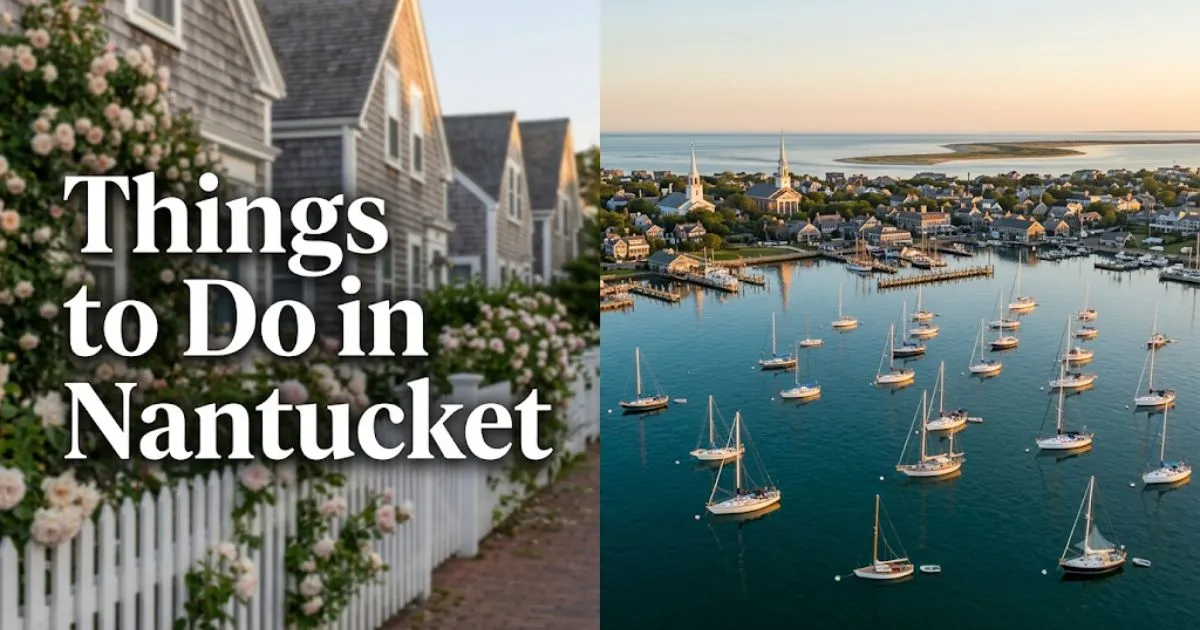
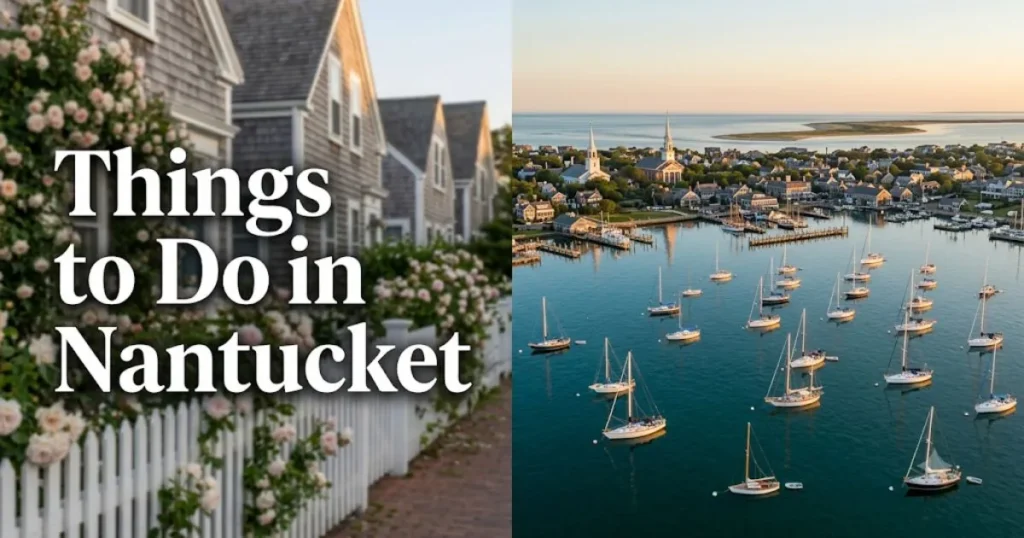
What makes Nantucket distinct from comparable New England islands like Martha’s Vineyard is the internal coherence of its built environment. Nearly every structure in the historic core is gray-shingled, historically authentic, and architecturally governed by strict preservation rules enforced by the Nantucket Historic District Commission.
This is not a destination that has one iconic thing. It’s a destination where the aggregate experience of biking to a remote lighthouse, eating an oyster at Cru on the harbor, and watching the sun drop into Madaket Beach creates something greater than any single attraction.
Honest context for 2026: Nantucket is expensive. Plan for it. Mid-range accommodation runs $300 to $600 per night in summer. A casual dinner for two costs $100 to $180 before drinks. Budget travelers can navigate this island, but they need a specific strategy.
| Experience Category | Best For | Season | Cost Range |
|---|---|---|---|
| Beach days | Families, couples | June to September | Free access |
| Historic district walking | All profiles | May to October | Free to $30 |
| Biking the paths | Active travelers, couples | May to October | $35 to $65/day rental |
| Whaling Museum | History travelers, families | Year-round | ~$20 to $25 adult |
| Cisco Brewers | Social travelers, couples | May to October | ~$5 to $15 per drink |
| Great Point 4WD tour | Adventure, couples | May to October | ~$150 to $200 per person |
| Fine dining | Couples, food travelers | May to October | $100 to $200+ per person |
Nantucket Historic District and Downtown
The Nantucket Historic District is the single most visually coherent historic downtown of any New England coastal town, with over 800 pre-Civil War buildings within walking distance of each other.
Start on Main Street, which runs uphill from the waterfront. The cobblestones are genuine 19th-century whaling-era infrastructure, not decorative reproductions.
Petticoat Row, the stretch of Centre Street between Main and Broad Streets, is where Nantucket women ran businesses while their husbands spent years at sea on whaling voyages. The shops here today are still independently owned and architecturally unchanged since that era.
The Nantucket Atheneum on Lower India Street is a working public library dating to 1834, free to enter, and worth 20 minutes for anyone interested in the island’s literary and cultural history. Frederick Douglass and Ralph Waldo Emerson both spoke here.
For couples and solo travelers: The early morning walk through the historic district before 9 a.m., when the cobblestones are quiet and the light is golden, is genuinely one of the most atmospheric experiences in New England coastal travel.
For families with young children: The cobblestone streets are stroller-hostile. Carry young children or use a carrier backpack in this zone.
Insider Tip:
- Skip the most photographed section of Main Street in July between 11 a.m. and 3 p.m. It is genuinely congested.
- Walk Federal Street toward the residential areas two blocks east of Main for the full architectural quality without the crowds.
- The Nantucket Historical Association offers guided walking tours of the district; book in advance for summer dates.
Best Beaches in Nantucket
Nantucket has over 80 miles of coastline, and the character of each beach is genuinely different, which means choosing wrong wastes a half-day on the wrong side of the island.
Surfside Beach on the south shore is the most popular general-purpose beach: wide, open Atlantic surf, lifeguards on duty seasonally, bike path access directly from town, and a concession stand. It is roughly a 20-minute bike ride from the historic district via the Surfside Road bike path.
Jetties Beach is the best choice for families with young children. It faces Nantucket Harbor rather than the open Atlantic, which means calmer water, gentler surf, and a protected swimming environment. Restroom facilities, a seasonal restaurant, and tennis courts are nearby.
Madaket Beach on the western tip of the island is where locals go to watch the sunset. The surf here is stronger and the parking is limited. Bike the Madaket Road path (approximately 5.5 miles from town) or take the NRTA Madaket shuttle in summer.
Cisco Beach draws surfers and experienced open-water swimmers. Rip currents are a genuine risk here. Not appropriate for young children or inexperienced swimmers without lifeguard supervision.
For seniors and accessibility travelers: Jetties Beach has the most accessible terrain. Children’s Beach in town, at the foot of South Beach Street, is flat, sheltered, and a short walk from Main Street, making it the most logistically manageable beach option for visitors with mobility considerations.
Safety note: South-facing beaches including Surfside and Cisco regularly generate rip currents. Swim between the flags when lifeguards are present. If caught in a rip current, swim parallel to shore rather than against the current.
| Beach | Best For | Surf Conditions | Bike Path Access | Notes |
|---|---|---|---|---|
| Jetties Beach | Families, seniors | Calm harbor | Yes | Most accessible |
| Surfside Beach | General, couples | Moderate Atlantic | Yes | Lifeguards seasonal |
| Madaket Beach | Couples, sunsets | Stronger surf | Yes (5.5 miles) | Locals’ sunset spot |
| Cisco Beach | Surfers, adults | Strong, unpredictable | Partial | Rip current risk |
| Children’s Beach | Very young children | Flat, sheltered | Short walk | Closest to downtown |
Nantucket Whaling Museum
The Nantucket Whaling Museum on Broad Street is the single most important cultural institution on the island, and it genuinely earns that status rather than trading on maritime nostalgia.
The museum’s centerpiece is a 46-foot sperm whale skeleton suspended from the ceiling of the main gallery. The context provided around it, the social history of the whaling industry, the global scope of Nantucket’s 19th-century economic reach, and the stories of the whalemen and their families left behind, makes this one of the best regional maritime museums in the United States.
Allow 90 minutes to two hours. Rushing through it misses the research library, the restored candle factory, and the rooftop observation deck with harbor views.
Admission runs approximately $20 to $25 for adults as of recent years, with discounted rates for children and Nantucket Historical Association members. The NHA membership covers entry to multiple historic properties, which makes it worth purchasing for visitors planning a multi-day cultural itinerary.
For families with children: Kids 8 and older typically engage strongly with the whale skeleton and the ship diorama exhibits. Children under 5 will likely exhaust their attention within 30 minutes.
For the historically engaged solo traveler: The research library holds primary documents from Nantucket’s whaling era. It is open to the public and largely overlooked by general visitors.
Insider Tip:
- The museum opens early. Visiting at 10 a.m. before tour groups arrive provides a substantially quieter experience.
- The local alternative to the Whaling Museum for visitors who want history without the admission fee is the Nantucket Atheneum’s local history collection, free to browse.
- The rooftop deck is worth the visit on its own for harbor orientation before exploring the rest of the island.
Key Takeaway: Book the Nantucket Whaling Museum for your first morning. The 90-minute visit provides essential context that makes every other historic site on the island more meaningful.
Nantucket Outdoor Activities: Biking, Kayaking, and Sailing
The best way to understand Nantucket’s geography is from a bicycle seat on the Milestone Road bike path, which runs 6.5 miles from the edge of downtown to ‘Sconset village entirely separated from vehicle traffic.
Nantucket has over 35 miles of dedicated, paved, separated bike paths covering routes to Surfside, Madaket, Polpis, Siasconset, and Jetties Beach. No other New England island has a comparable dedicated cycling infrastructure. This is what makes the “no car needed” advice genuinely practical rather than idealistic.
Young’s Bicycle Shop on Broad Street, steps from the ferry dock, is the most established rental operation on the island. Expect to budget approximately $35 to $65 per day for a standard hybrid or comfort bike. Electric bikes are available at higher rates. Reserve in advance for July and August visits.
Kayaking Nantucket Harbor is one of the most underrated experiences on the island. The protected waters between the town and Coatue Point offer calm conditions for paddlers of all experience levels. Several outfitters along Straight Wharf offer rentals and guided paddles. Budget approximately $40 to $80 for a half-day rental.
For couples: A tandem bike rental on the Milestone Road path, stopping at the ‘Sconset rotary for coffee, is a genuinely romantic and unhurried island experience.
For solo travelers: The Polpis Road bike path to the Nantucket Conservation Foundation’s Windswept Cranberry Bog is a less-traveled route that sees almost no tourist traffic and passes through some of the island’s most distinctive heathland terrain.
Sailing: The Nantucket Sailing Association offers lessons and chartered day sails from the harbor. Day sail pricing varies significantly; verify current rates directly with operators before booking.
Best Restaurants and Food in Nantucket
Nantucket’s dining scene is serious, expensive, and well above what the island’s size would suggest. This is not a destination to settle for the nearest tourist-facing seafood shack.
The Proprietors Bar and Table on India Street represents the highest expression of Nantucket’s contemporary dining identity. The menu is globally influenced but built on local sourcing, and the bar program is exceptional. Reservations are essential weeks in advance for summer visits.
Cru Oyster Bar and Restaurant on Straight Wharf is the right answer for a lunch that captures everything Nantucket does well: local oysters, direct harbor views, a wine list with genuine thought behind it, and a room that feels like the island rather than a generic seafood restaurant. Expect to spend $40 to $70 per person at lunch.
Topper’s at the Wauwinet is one of the most formally elegant dining experiences on the island, set inside a remote historic inn 8 miles from town. The Wauwinet provides a boat shuttle from the town pier in season, which transforms dinner into a genuine event.
Something Natural on Cliff Road is where locals actually eat lunch. The sandwiches are made on house-baked bread, portions are enormous, and prices are among the most reasonable on the island. Eating on the lawn under the trees is the standard approach.
Downyflake on Sparks Avenue is the island’s most authentic breakfast institution. Homemade doughnuts, reliable egg plates, and lines of locals every weekend morning signal the genuine article.
For budget travelers: Something Natural, Downyflake, and the numerous takeout windows at the Steamboat Wharf area are where to eat well without the full-service restaurant pricing structure.
For couples: Reserve Topper’s or The Proprietors for a special evening. Both reward the price and planning investment.
Key Takeaway: Book The Proprietors Bar and Table reservation the moment your Nantucket travel dates are confirmed. Summer tables disappear weeks before peak season begins.
Cisco Brewers and Nantucket’s Local Drink Scene
Cisco Brewers on Bartlett Farm Road is one of the most complete artisan drink destinations in New England, operating a craft brewery, distillery, and winery on a single property 3 miles from downtown.
The outdoor beer garden draws both locals and visitors, and unlike most tourist-facing drink destinations, it retains a genuine community atmosphere most summer afternoons. Live music events run regularly from late spring through early fall.
Cisco produces Whale’s Tale Pale Ale, its most recognized beer, but the distillery side through Triple Eight Distillery and the Nantucket Vineyard wines give visitors a reason to explore beyond the beer menu. Tasting options, tours, and retail purchasing are available.
The property is not easily walkable from downtown. Bike the 3-mile route via Bartlett Farm Road (relatively flat), take the NRTA shuttle when it runs, or use a taxi or rideshare service.
For solo travelers: Cisco’s communal outdoor seating format and regular live music events make it one of the most socially accessible experiences on the island for solo visitors.
For families: The outdoor property is child-friendly during daytime hours. The atmosphere is casual and relaxed rather than bar-focused until later in the evening.
The local alternative: Locals who want a drink without the tourist volume on busy summer afternoons often prefer the bar at Cinco on Straight Wharf or the quieter late afternoon hours at Cisco on weekdays rather than peak weekend afternoon sessions.
Insider Tip:
- Arrive by bicycle before 2 p.m. on summer weekends to secure outdoor seating before the afternoon crowd peaks.
- The distillery tours are worth booking; the whiskey production story is more interesting than the standard brewery format.
- Cisco’s ticketed evening concerts during summer sell out quickly; check the schedule when booking accommodations.
Sconset and Madaket: Nantucket’s Two Ends
‘Sconset (officially Siasconset) on the island’s eastern tip is what Nantucket looked like before tourism. The village’s rose-covered cottages, the single functioning market at the Sconset Market, and the Sankaty Head Lighthouse on the bluff above town create a deeply atmospheric alternative to the bustle of the historic downtown.
Bike the Milestone Road path (6.5 miles, fully separated from traffic) for the complete approach. Arrive at the rotary, park your bike, and walk the village’s three or four main streets in under an hour. The Sconset Bluff Walk along the eastern cliff edge looks directly across the Atlantic with no land between you and Portugal.
Madaket on the western tip is a different character entirely. Fewer historic structures, more open heathland, and the island’s most consistent sunset viewing position. The beach at Madaket faces southwest into Nantucket Sound and the open Atlantic beyond.
The Madaket Road bike path is 5.5 miles from the edge of downtown and passes through protected open heathland managed by the Nantucket Conservation Foundation.
For couples: ‘Sconset’s village scale and the bluff walk are among the most genuinely romantic non-restaurant experiences on the island. Arrive on a weekday morning and you may have the bluff walk entirely to yourselves.
For families with older children: The bike ride to either end of the island makes for a memorable full-day activity. ‘Sconset’s café options provide a natural midpoint rest stop.
For seniors and accessibility travelers: Both routes have gentle grades but cover significant distances. The NRTA seasonal shuttle to ‘Sconset is the more practical option for visitors who cannot comfortably manage a 13-mile round-trip bike journey.
Brant Point Lighthouse and Nantucket’s Iconic Landmarks
Brant Point Lighthouse at the mouth of Nantucket Harbor is the second oldest lighthouse site in the United States, with the original structure dating to 1746. The current lighthouse, a small and visually striking white structure, stands at the end of Easton Street at the harbor entrance.
Walking to Brant Point takes approximately 15 minutes from the ferry dock via Easton Street. There is no admission fee. The lighthouse grounds are accessible year-round. The view back toward town from the lighthouse lawn is one of the most photographed perspectives in Nantucket, and one of the genuinely best free experiences the island offers.
Sankaty Head Lighthouse in ‘Sconset is the island’s most architecturally striking lighthouse: a red-and-white striped structure on a bluff above the eastern shore. It is visible from the Sconset Bluff Walk and from the Polpis Road approach by bike or car.
Great Point Lighthouse at the northern tip of the island is the most remote and most dramatically positioned lighthouse on Nantucket. Reaching it requires either a 4WD vehicle with an over-sand permit through the Coskata-Coatue Wildlife Refuge, or a guided 4WD tour operated by several Nantucket outfitters.
For first-time visitors: Brant Point is a 15-minute free walk from the ferry dock and belongs on every Nantucket itinerary regardless of traveler profile.
For the adventurous traveler: Great Point via guided 4WD tour is the standout full-day outdoor experience on the island. Budget approximately $150 to $200 per person for a guided over-sand tour, and book in advance.
Key Takeaway: Walk to Brant Point Lighthouse on your first evening in Nantucket. It takes 15 minutes from the ferry dock and gives you the essential harbor view that orients the rest of the island.
Nantucket Whale Watching and Great Point Wildlife Refuge
Great Point Natural Wildlife Refuge at the northern tip of Nantucket is one of the most significant coastal wildlife environments in the northeastern United States, managed in cooperation with the US Fish and Wildlife Service and the Trustees of Reservations.
The refuge encompasses the entire Coskata-Coatue peninsula, a barrier spit of sand, heathland, and tidal marsh that curves north from ‘Sconset toward Great Point Lighthouse. Access without a 4WD vehicle is by foot from the ‘Sconset side, a substantial hike. Most visitors access the Great Point area via guided over-sand vehicle tours.
Common wildlife at Great Point includes harbor seals (particularly visible in fall and winter), nesting terns and piping plovers in late spring and early summer, oystercatchers, and frequent sightings of gray seals on the outer bars.
Whale watching from Nantucket is a seasonal activity. Several local operators offer day trips into Nantucket Sound and beyond to observe humpback whales, fin whales, and minke whales from late spring through early fall. According to the Nantucket Island Chamber of Commerce, whale watching excursion season typically runs from May through October, with peak sightings in summer months. Verify current operator schedules before booking.
For families with children: The guided Great Point 4WD tour is the single best Nantucket experience for older children, combining wildlife, lighthouse access, and open-vehicle adventure.
For solo travelers: Joining a shared whale watching excursion from the town pier is a social activity that works naturally for solo visitors.
Important access note: Over-sand vehicle permits for Great Point are required and limited. Book guided tours well in advance for summer visits. Do not attempt to drive to Great Point without a proper over-sand permit and high-clearance 4WD vehicle.
Nantucket Things to Do with Kids
Nantucket with children is genuinely excellent, with important logistical caveats that no competitor travel guide bothers to state honestly.
The best child-specific experiences are Jetties Beach (calm harbor swimming, open space, nearby facilities), the Nantucket Whaling Museum for children 8 and older, the guided 4WD tour to Great Point for children 6 and older, and biking the flat Surfside Road path for children who can manage 4 to 5 miles round-trip.
Children’s Beach at the foot of South Beach Street is the most logistically practical beach option: flat terrain, calm water, and a 10-minute walk from the ferry dock. It lacks the visual drama of the south shore beaches but genuinely works for families with toddlers and young children.
The Maria Mitchell Association operates the Maria Mitchell Aquarium on Washington Street, which is small, genuinely engaging for children, and covers the marine life of Nantucket Sound with hands-on displays. Admission is modest. Verify current hours and pricing before visiting, as the aquarium operates on a seasonal schedule.
What sounds great for kids but underdelivers in practice: The historic district cobblestone walking tour. Children under 8 lose interest within 20 minutes, and the uneven stones are genuinely difficult to navigate with strollers or wheeled luggage.
For families: Stay within a 10-minute walk of Jetties Beach or the ferry dock if traveling with children under 6. The NRTA shuttle buses eliminate the need for a rental car and are manageable with children.
Practical note for families: Pack beach equipment and sunscreen from the mainland. Nantucket’s retail pricing on beach supplies reflects its premium destination status. The savings are meaningful.
Romantic Things to Do in Nantucket for Couples
Nantucket is one of the most genuinely romantic travel destinations in the northeastern United States, and it earns that description through architectural atmosphere, culinary quality, and the natural intimacy that island geography creates.
The most romantic experience on the island is not a specific attraction. It is the combination of biking the Milestone Road path to ‘Sconset in the early morning, arriving before other tourists, walking the Sconset Bluff Walk with the Atlantic below, and returning to town for a long lunch at Cru.
Dinner at Topper’s at the Wauwinet is the definitive special-occasion meal. The inn is 8 miles from town on a private peninsula, accessible by water taxi from the town pier in season. The combination of the approach, the room, and the food creates an experience that justifies the price.
Brant Point at sunset is genuinely lovely. The lighthouse lawn looks west across the harbor entrance, and a bottle of Cisco Brewers Whale’s Tale and a blanket make it one of the most affordable romantic evenings on the island.
The Nantucket Hotel and Resort on South Beach Street has a rooftop pool with harbor views that functions as a genuinely romantic afternoon option, accessible to hotel guests.
What sounds romantic but underdelivers for couples: The peak summer Main Street scene on a Saturday afternoon. The congestion and noise between July 4 and Labor Day competes directly with the quiet intimacy that makes Nantucket romantic. Visit in late September and the same streets are dramatically different.
For couples on a tighter budget: Packing a picnic from Something Natural and eating on the Sconset Bluff above the Atlantic costs under $30 total and is a more genuinely romantic experience than most $200 restaurant meals.
Key Takeaway: For the most romantic version of Nantucket, travel in late September. The crowds are gone, the light is extraordinary, and the restaurants are at their most focused and unhurried.
Free and Budget-Friendly Things to Do in Nantucket
Nantucket is expensive, and pretending otherwise does budget travelers no favors. But a meaningful Nantucket visit is possible without restaurant dinners and boutique hotel rates.
Free experiences on Nantucket:
- Walking the entire historic district, including Petticoat Row and the Federal Street residential blocks
- Brant Point Lighthouse and the harbor walk along Easton Street
- The Sconset Bluff Walk at the eastern end of the island
- Watching the sunset from Madaket Beach
- Swimming at any public beach (beach access is free; parking fees apply at some beaches in season)
- Browsing the Nantucket Atheneum library and its local history collection
- Walking the Polpis Road area near the Windswept Cranberry Bog in fall harvest season
Budget-conscious eating:
- Something Natural on Cliff Road: the best-value lunch on the island
- Downyflake on Sparks Avenue: the most authentic breakfast institution, priced for locals
- Takeout windows along Steamboat Wharf: fish tacos and chowder at lower price points than full-service restaurants
- The Stop and Shop on Sparks Avenue is the island’s main grocery; self-catering from a rented cottage cuts costs significantly
According to the Massachusetts Office of Travel and Tourism, the NRTA shuttle system is one of the most cost-effective tools for island navigation, with fares far below taxi or rideshare costs.
For budget travelers: The single most effective cost-reduction strategy is visiting in May, early June, or October. Accommodation rates drop 30 to 50 percent from peak summer levels. Restaurants are fully operational. The island is not crowded. This is simply a better version of Nantucket at significantly lower cost.
Things to Do in Nantucket in Summer Versus Fall
The Nantucket you experience in July is a functionally different destination from the Nantucket you experience in October. Knowing which version you are booking matters enormously.
Summer (late June through Labor Day) is when Nantucket is fully operational, fully staffed, fully priced, and fully crowded. Every restaurant is open. Every tour operates. The beaches are alive with swimmers. The ferry runs at high frequency. Accommodation prices are at their absolute peak. The historic district on a July Saturday afternoon is navigated shoulder-to-shoulder.
Fall (mid-September through mid-October) is, honestly, the better version of Nantucket for most adult travelers. The light changes dramatically in September, the heathland and moors turn in color, the crowds thin to a fraction of peak volume, accommodation prices fall substantially, and the restaurants operate with a focus and quiet confidence they cannot maintain during the summer sprint.
The Nantucket Film Festival typically runs in June. The Nantucket Wine Festival is typically held in May. The Nantucket Christmas Stroll in early December draws visitors to a quieter and festively decorated island during the shoulder season. Verify current dates for 2026 events directly with the Nantucket Island Chamber of Commerce, as festival scheduling changes annually.
| Factor | Peak Summer (July-August) | Fall (Sept-October) |
|---|---|---|
| Accommodation pricing | Peak ($300-$800+/night) | Reduced (30-50% lower) |
| Restaurant availability | Full operation, high demand | Full operation, more relaxed |
| Beach crowds | Very high | Low to moderate |
| Ferry booking difficulty | Reserve weeks/months ahead | More flexible, still book early |
| Atmosphere | Energetic, crowded | Quieter, atmospheric |
| Best for | Families, beach focus | Couples, food travelers, cyclists |
| Wildlife at Great Point | Tern nesting season | Seal activity increases |
For families with school-age children: Peak summer is the practical option due to school schedules. Book ferry reservations and accommodations in January or February for July or August visits.
For couples and solo travelers without school constraints: September is the professional recommendation, without qualification.
Getting to and Around Nantucket: Ferry, Bikes, and Logistics
Getting to Nantucket from the mainland requires either a ferry from Hyannis or a regional flight into Nantucket Memorial Airport (ACK). Getting around the island after arrival requires no car whatsoever.
Ferry options from Hyannis:
- Steamship Authority operates the traditional car and passenger ferry. The crossing takes approximately 2 hours and 15 minutes. Car reservations in summer require booking months in advance. Passenger-only travel is more flexible but still benefits from advance reservations in peak season.
- Hy-Line Cruises operates a high-speed passenger ferry (no cars) that crosses in approximately 1 hour from Hyannis to Nantucket. This is the most practical option for visitors not bringing a vehicle, which should be most visitors.
Flying into Nantucket: Cape Air operates regular regional flights from Boston Logan (BOS), Providence, New Bedford, and Hyannis. Seasonal direct service from additional airports operates during summer months. Verify current carriers and routes for 2026, as regional service options change seasonally.
Getting around once on the island:
- Rent a bike at Young’s Bicycle Shop on Broad Street (steps from the ferry dock)
- Use the NRTA shuttle system, which runs seasonal routes to ‘Sconset, Surfside Beach, Madaket, and Jetties Beach
- Walk the historic district on foot (compact enough to navigate entirely on foot)
- Use taxis or rideshare services for Great Point tours and Cisco Brewers
The most common mistake first-time visitors make: Bringing a car or renting one on the island. Summer parking in the historic district is virtually nonexistent. The island’s roads are narrow. A bicycle reaches every major attraction faster than a car in peak season.
For seniors and accessibility travelers: The NRTA shuttle provides the most accessible island transportation option. Verify seasonal routes and schedules before departure, as not all routes operate year-round.
Key Takeaway: Book the Hy-Line high-speed ferry from Hyannis as a passenger without a car. It is faster, cheaper, and more practical than the Steamship Authority car ferry for most Nantucket visits.
Nantucket Weekend Itinerary: How to Spend 2 Days
A focused 2-day Nantucket weekend covers the island’s essential experiences without rushing. This itinerary assumes arrival by ferry on Friday afternoon and departure Sunday afternoon or evening.
Day 1: Town, Harbor, and the Eastern End
- Arrive by the noon or early afternoon Hy-Line fast ferry from Hyannis. Drop bags at your accommodation and walk directly to Young’s Bicycle Shop on Broad Street to rent bikes.
- Walk (or lock your bikes briefly) to Brant Point Lighthouse on Easton Street. The 15-minute round trip orients you to the harbor.
- Lunch at Cru Oyster Bar and Restaurant on Straight Wharf. Local oysters and the harbor view make this the right first meal.
- Bike the Milestone Road path (6.5 miles, flat, separated from traffic) to ‘Sconset village. Allow 45 minutes each way.
- Walk the Sconset Bluff Walk and view Sankaty Head Lighthouse from the bluff. Return to the Sconset Market area for a coffee before the ride back.
- Dinner reservation at The Proprietors Bar and Table on India Street. Book this before your trip departs.
Day 2: Whaling Museum, Beaches, and Cisco Brewers
- Breakfast at Downyflake on Sparks Avenue. Arrive early to beat the local line.
- Nantucket Whaling Museum at 10 a.m. Allow 90 minutes to two hours for the full experience including the rooftop deck.
- Lunch from Something Natural on Cliff Road. Eat on the lawn.
- Bike the Surfside Road path to Surfside Beach (20 minutes from town). Two hours at the beach.
- Afternoon at Cisco Brewers on Bartlett Farm Road. Bike from Surfside or return to town first.
- Sunset from Madaket Beach (bike the Madaket Road path, 5.5 miles). The best sunset position on the island.
- Ferry departure Sunday afternoon or evening. Book the return crossing in advance.
For couples: This itinerary as written is well-calibrated for a romantic long weekend. Add a Wauwinet boat taxi and dinner at Topper’s on Saturday night in place of The Proprietors if the occasion warrants maximum celebration.
For families: Swap the ‘Sconset bike ride on Day 1 for Jetties Beach and the Maria Mitchell Aquarium. Replace Surfside on Day 2 with the guided Great Point 4WD tour, which children respond to far more enthusiastically than an afternoon beach session.
Safety and Practical Warnings for Nantucket
Nantucket’s most significant practical risk for visitors is not crime but physical safety on south-facing beaches and logistical preparation for island travel in peak season.
Key safety and practical facts every visitor should know:
- Rip currents at Surfside, Cisco, and Madaket beaches are a genuine and documented risk. Swim within flagged areas when lifeguards are on duty. If caught in a rip current, swim parallel to the shoreline rather than toward it.
- Great Point over-sand access requires a high-clearance 4WD vehicle with a specific over-sand permit. Driving a standard vehicle onto the beach at Great Point risks getting stuck in soft sand. Use a guided tour operator unless you have appropriate experience and equipment.
- Cobblestone streets in the historic district are uneven and slippery when wet. Wear appropriate footwear. Wheeled luggage, strollers, and mobility aids navigate this terrain with significant difficulty.
- Sun exposure on bike paths with limited shade is a genuine risk in summer. Carry water, apply sunscreen before departing, and plan bike rides for early morning or late afternoon in July and August.
- Ferry reservation failure is the most common logistical disaster for summer visitors. The Steamship Authority car ferry books out months in advance in peak season. Hy-Line fast ferry passenger bookings also fill significantly. Book return crossings at the same time you book outbound travel.
- Limited cell service in the Coskata-Coatue refuge area and at Great Point. Download offline maps and share your itinerary with someone before heading to the refuge.
- Medical facilities: Nantucket Cottage Hospital on South Prospect Street provides 24-hour emergency care. For the island’s geographic isolation, having travel insurance that covers medical evacuation is a reasonable precaution for extended visits.
The Nantucket Island Chamber of Commerce publishes updated safety and visitor guidance annually; check their official website before departure.
Frequently Asked Questions About Things to Do in Nantucket
What are the best things to do in Nantucket for first-time visitors?
First-time visitors to Nantucket should prioritize the Nantucket Whaling Museum, biking the Milestone Road path to ‘Sconset, Brant Point Lighthouse, lunch at Cru Oyster Bar, and a sunset at Madaket Beach.
These five experiences cover the island’s maritime history, geographic character, food culture, and natural beauty in a logical sequence that can be completed in a single day.
For a two-day visit, add the Great Point guided 4WD tour and an evening at Cisco Brewers for a complete picture of what makes the island distinctive.
How many days do you need in Nantucket to see everything?
Two full days cover the essential Nantucket experiences for most travelers.
A first day handles the historic district, Whaling Museum, and the Milestone Road bike route to ‘Sconset.
A second day covers a south shore beach, Cisco Brewers, the Madaket Road bike path, and a sunset from the western end of the island.
What is the best time of year to visit Nantucket?
The best time to visit Nantucket is late May through mid-June or mid-September through mid-October.
Both shoulder seasons offer full restaurant and attraction service, significantly lower accommodation prices than peak summer, and a quieter, more genuinely atmospheric version of the island.
Peak July and August are the most crowded, most expensive, and logistically most demanding periods, requiring ferry reservations made months in advance.
Do you need a car in Nantucket?
No. A car is not needed in Nantucket and actively creates logistical problems during summer.
The island’s bike path network covers every major beach and village, the NRTA shuttle serves ‘Sconset and south shore beaches, and the historic district has virtually no parking during peak season.
Rent a bike from Young’s Bicycle Shop on Broad Street on arrival and use the NRTA shuttle for longer routes if needed.
How do you get to Nantucket from Boston or Cape Cod?
From Cape Cod, take the Hy-Line high-speed passenger ferry or the Steamship Authority ferry from Hyannis, with crossings taking approximately 1 hour or 2 hours and 15 minutes respectively.
From Boston, take the Hy-Line high-speed ferry from Boston’s Long Wharf seasonally (summer service only), or drive to Hyannis and take the ferry.
Cape Air and seasonal carriers operate regional flights into Nantucket Memorial Airport (ACK) from Boston Logan and other northeastern airports year-round.
Is Nantucket expensive, and what is a realistic daily budget?
Nantucket is among the most expensive domestic US travel destinations.
A realistic mid-range daily budget is $200 to $400 per person, including accommodation, meals, and activities; this assumes shoulder season rates and a mix of casual and one nicer restaurant meal.
Budget travelers who self-cater, eat at Something Natural and Downyflake, and visit in May or October can manage $100 to $150 per person per day, not including accommodation.
Plan Your Nantucket Visit with Confidence
The single most practical step you can take before any Nantucket visit is booking your ferry. For summer travel, this means booking the Hy-Line or Steamship Authority crossing weeks to months before your departure date. Everything else on the island is navigable once you arrive.
Verify all restaurant reservations, ferry times, tour bookings, and attraction hours directly with venues before departure. Nantucket’s seasonal schedule means hours, pricing, and availability change annually.
You now have the specific, honest, locally-grounded intelligence to build an actual Nantucket itinerary rather than just a list of attractions. The island rewards travelers who plan with specificity and leave room for the slower, quieter, genuinely beautiful pace that makes it worth the journey.