25 Best Things To Do in New Orleans, LA in 2026

New Orleans has more genuine things to do in new orleans than any comparably sized American city. The food is serious, the live music is constant, and the neighborhoods each have a distinct character that takes days to understand.
According to the New Orleans Tourism and Marketing Corporation, the city welcomed over 19 million visitors in recent years, yet the most rewarding experiences remain off the typical tourist checklist.
This guide covers specific named activities, honest neighborhood assessments, a one-day itinerary framework, and traveler-specific guidance. It is built for visitors who want a real plan, not a brochure.
Things to Do in New Orleans: The Essential City Overview
New Orleans is unlike any other American city, and that fact has specific practical implications for how you plan a visit.
The city sits on a crescent bend of the Mississippi River in southeastern Louisiana. It is approximately 15 miles from Louis Armstrong New Orleans International Airport (MSY) to the French Quarter.
New Orleans operates on its own social clock. Restaurants serve late, music starts late, and the city rewards patience and slow exploration over rushed itinerary-ticking.
The French Quarter is the most famous district. It is also the most tourist-saturated. First-time visitors should see it, then deliberately spend time in Tremé, the Marigny, the Bywater, and the Garden District to understand what the city actually is.
Insider Tip:
- The blocks between Iberville Street and St. Ann Street on the French Quarter’s Bourbon Street are the most crowded and most commercial. They are not representative of the city.
- Royal Street, one block away from Bourbon, has antique galleries, artist studios, and working street musicians with almost no cover charge pressure.
- Seniors and travelers with mobility challenges should note that the French Quarter’s streets are uneven Belgian block cobblestones. Plan for slow, careful walking.
| District | Character | Best For | Walk from French Quarter |
|---|---|---|---|
| French Quarter | Historic, tourist-facing, nightlife | First-time visitors, nightlife | Starting point |
| Tremé | Oldest Black neighborhood in US, jazz birthplace | History, culture, music | 10 min walk |
| Marigny / Frenchmen St. | Local live music, neighborhood bars | Music lovers, solo travelers | 15 min walk |
| Bywater | Artist community, local restaurants | Repeat visitors, couples | 20 min walk |
| Garden District | Victorian mansions, Magazine Street | Couples, architecture lovers | St. Charles streetcar |
| Warehouse District | Museums, art galleries, fine dining | Culture, art, food travelers | 10 min walk |
Popular Things To Do in New Orleans for First-Time Visitors
The best starting point for first-time visitors in New Orleans is the French Quarter, followed immediately by Frenchmen Street and the National WWII Museum.
Jackson Square on Decatur Street is the geographic and cultural center of the French Quarter. Street artists, fortune tellers, and musicians work the square daily. The St. Louis Cathedral, one of the oldest active cathedrals in the United States, faces the square directly.
Royal Street runs parallel to Bourbon and is the better walk. Galleries like M.S. Rau Antiques and Rodriguez Studio give the street genuine local texture.
The National WWII Museum on Magazine Street is one of the most significant history museums in the country. Budget a full half-day, not two hours.
To structure a first visit efficiently:
- Start at Jackson Square and walk the length of Royal Street from Decatur to Esplanade Avenue.
- Cross to Frenchmen Street in the Marigny for the afternoon.
- Visit the National WWII Museum on your second day; book the 4D Beyond All Boundaries film in advance.
- Walk the Garden District and Lafayette Cemetery No. 1 on day two or three.
- Spend at least one evening on Frenchmen Street for live music before 10 p.m., when bands are still in their prime sets.
Families with children should note that Jackson Square and the French Quarter are stroller-accessible on the main streets. The cobblestone side streets are difficult for strollers and wheelchairs.
Things To Do in New Orleans During the Day
Daytime New Orleans rewards walkers, museum-goers, and food-focused travelers above all other profiles.
City Park is one of the largest urban parks in the United States, covering over 1,300 acres in Mid-City. It houses the New Orleans Museum of Art and its Sydney and Walda Besthoff Sculpture Garden, which is free to enter.
Magazine Street in the Garden District and Uptown stretches for miles and hosts independent boutiques, vintage shops, and neighborhood restaurants. It is the best daytime commercial street in the city for non-touristy browsing.
The Ogden Museum of Southern Art in the Warehouse District holds the most significant collection of Southern American art in the country. Admission runs approximately $13 to $15 for adults as of recent years; verify current pricing before visiting.
Bayou St. John in Mid-City is a neighborhood waterway surrounded by low-key cafes, cyclists, and dog walkers. It is where locals spend a slow morning. It is almost entirely unknown to first-time visitors.
Budget travelers can fill a full daytime itinerary with near-zero spending: the Sculpture Garden in City Park, a walk through the Garden District, Royal Street, and Bayou St. John require no admission fees.
Insider Tip:
- The Steamboat Natchez river cruise on the Mississippi runs approximately two hours and provides historical narration. Cost runs approximately $35 to $50 per adult as of recent years; verify current fares.
- Seniors find the Steamboat Natchez ideal: it is fully accessible, shaded, and seated throughout.
Fun Things To Do in New Orleans at Night
New Orleans nightlife is genuinely unlike anywhere else in the United States, and Frenchmen Street is where it is most authentic.
Frenchmen Street in the Marigny neighborhood has live music at multiple venues simultaneously, seven nights a week. The Spotted Cat Music Club, d.b.a., and Fritters Jazz Club are the three anchor venues. Most nights feature jazz, blues, R&B, and brass band music with no cover charge at several spots.
Preservation Hall on St. Peter Street in the French Quarter offers ticketed traditional jazz sets in a historic, intimate setting. Tickets run approximately $20 to $35 per person as of recent years; advance booking via their website is strongly recommended. Without advance booking, the door line can exceed 45 minutes.
Tipitina’s in Uptown on Napoleon Avenue is New Orleans’ most storied music venue for rock, funk, and local headliners. It is where the local music community goes when major acts play.
The French Quarter at night is genuinely lively on Bourbon Street, but loud and impersonal. It functions better as a walk-through than a destination. The drinks are oversized and overpriced compared to neighborhood bars on Decatur Street or Magazine Street.
Solo travelers thrive on Frenchmen Street. The street’s culture is social and open. Conversation with strangers at a bar during a set is completely normal.
Couples seeking a more intimate evening should book a table at Bacchanal Wine in the Bywater. Live music plays in the back courtyard nightly, and the wine selection is serious and well-priced.
Unusual Things To Do in New Orleans
New Orleans has a layer of unusual experiences that most visitor guides ignore entirely, and several of them are among the most memorable things the city offers.
St. Louis Cemetery No. 1 on Basin Street holds the city’s oldest and most historically dense above-ground burial vaults. The Archdiocese of New Orleans requires that visitors enter only with a licensed guide or as part of a tour. Save Our Cemeteries leads authorized walking tours; book in advance as tour slots fill quickly during peak months.
Lafayette Cemetery No. 1 in the Garden District is free to enter and does not require a guided tour. It is smaller, better maintained, and surrounded by the neighborhood’s Victorian mansions. Anne Rice fans will recognize it immediately.
The Historic Voodoo Museum on Dumaine Street in the French Quarter is genuinely odd and deliberately so. It is small, inexpensive, and nothing like a mainstream museum. Admission runs approximately $5 to $8; verify current pricing.
Pirate’s Alley Faulkner House Books on Pirates Alley beside St. Louis Cathedral is a working independent bookshop in the building where William Faulkner wrote his first novel. It is free to browse.
A second line parade, if your visit coincides with one, is one of the most distinctive cultural experiences in American city life. They typically occur on Sunday afternoons from fall through spring, organized by Social Aid and Pleasure Clubs. Check local event listings for the current schedule.
Unusual experiences by traveler profile:
- Solo travelers: Voodoo Museum and a second line parade are self-guided and social.
- Couples: Lafayette Cemetery No. 1 followed by dinner on Magazine Street is a genuinely unusual afternoon.
- Families with older children (10 and up): St. Louis Cemetery No. 1 tour is educational and memorable.
Key Takeaway: Frenchmen Street beats Bourbon Street for live music every night of the week, and Lafayette Cemetery No. 1 in the Garden District is free, beautiful, and walkable without a tour guide.
Best Neighborhoods in New Orleans To Explore
New Orleans is a city of neighborhoods, and each one has a specific identity, walking character, and set of experiences that distinguish it from the others.
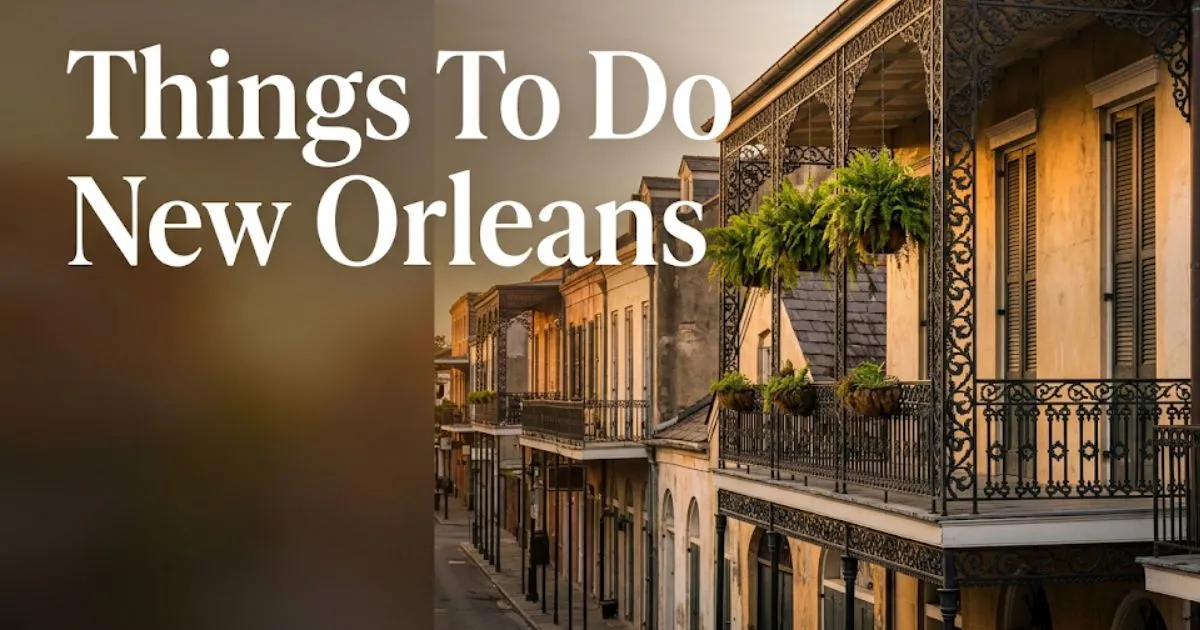
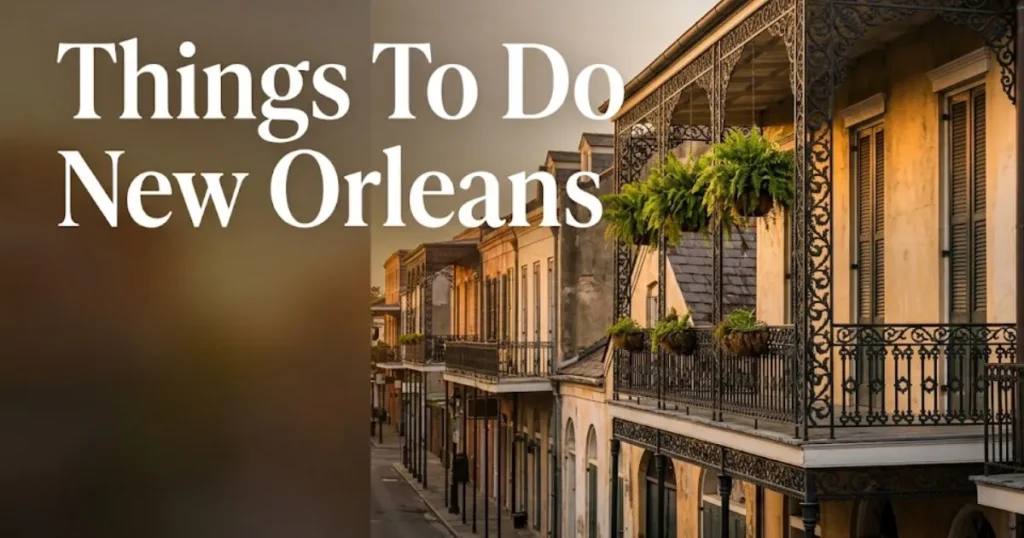
The French Quarter (Vieux Carré) is the oldest and most architecturally distinctive district. The ironwork balconies on Royal and Bourbon Streets define the city’s visual identity. The Quarter is most enjoyable in the morning, before noon, when the previous night’s crowds have cleared and the side streets are quiet.
The Garden District covers the area roughly between St. Charles Avenue and Magazine Street from Jackson to Louisiana Avenues. The neighborhood’s antebellum and Victorian mansions are the finest collection of 19th-century residential architecture in the South.
Tremé, immediately north of the French Quarter, is the oldest African American neighborhood in the United States. Its streets gave birth to jazz, the second line parade tradition, and the brass band culture that defines New Orleans’ global musical identity. Dooky Chase’s Restaurant on Orleans Avenue is the neighborhood’s most historically significant dining room, connected to the Civil Rights movement and to every major cultural figure who passed through New Orleans.
The Bywater attracts artists, chefs, and the city’s creative community. Bacchanal Wine on Poland Avenue is its anchor. The neighborhood’s food scene is genuinely local and unpretentious.
The Warehouse District, adjacent to the National WWII Museum, holds the city’s best concentration of contemporary art galleries and museum-quality dining. The Ogden Museum of Southern Art is here.
Seniors should note that the Garden District and Magazine Street have the smoothest sidewalk surfaces in the city. The French Quarter’s cobblestone streets are significantly more challenging for walkers with mobility issues.
French Quarter Things To Do
The French Quarter is the essential starting point for any New Orleans visit, but the most rewarding parts of it are not on Bourbon Street.
Royal Street is the French Quarter’s finest walking street. M.S. Rau Antiques at 630 Royal Street is one of the most respected antique dealers in the country. The street also holds working artists, a violin repair shop, and several of the city’s oldest bars.
Preservation Hall at 726 St. Peter Street hosts traditional New Orleans jazz in a deliberately preserved, unrefined performance space. It seats roughly 100 people. Book general admission tickets well in advance; same-day door tickets exist but are not reliable during busy periods.
The French Market along Decatur Street runs from Café Du Monde past produce stalls and vendor booths. Café Du Monde itself is a New Orleans institution: beignets and café au lait served 24 hours a day. The wait during peak tourist hours runs 30 to 45 minutes.
The local alternative to Café Du Monde is Café Beignet on Royal Street. Same beignet quality, a fraction of the wait time. Experienced visitors consistently choose it.
| Experience | Location | Cost Range | Best For | Advance Booking |
|---|---|---|---|---|
| Preservation Hall jazz | 726 St. Peter St | $20-$35/person | Couples, music lovers | Yes, strongly recommended |
| Café Du Monde beignets | Decatur St | $5-$8 | First-timers | No, but expect a wait |
| Café Beignet | Royal St | $5-$8 | Everyone | No wait needed |
| M.S. Rau Antiques | 630 Royal St | Free to browse | Couples, antique lovers | No |
| St. Louis Cathedral | Jackson Square | Free | All profiles | No |
Garden District and Uptown New Orleans
The Garden District is the most architecturally dramatic neighborhood in New Orleans and genuinely rewards an unhurried afternoon walk.
The St. Charles Avenue streetcar ($1.25 per ride, verify current fare before visiting) runs from Canal Street through the Garden District and Uptown to the Riverbend neighborhood. It is one of the most scenic urban transit rides in the United States and the most practical way to reach the district without driving.
Lafayette Cemetery No. 1 on Washington Avenue at Camp Street is the Garden District’s above-ground cemetery and one of the most atmospheric places in the city. It is free to enter, self-guided, and surrounded by the neighborhood’s most impressive mansions.
Commander’s Palace restaurant at 1403 Washington Avenue is one of the most important fine dining institutions in American culinary history. It helped launch the careers of Paul Prudhomme and Emeril Lagasse. Reservations are required and book out weeks in advance, particularly for Saturday brunch and weekday lunch. Budget approximately $75 to $150 per person including drinks.
Magazine Street runs through the Garden District and Uptown and is the city’s best shopping and casual dining street. Independent bookshops, vintage clothing stores, neighborhood restaurants, and coffee shops line it for several miles.
Couples consistently rate the Garden District walk the most romantic afternoon activity in New Orleans. The scale and beauty of the mansions on Prytania Street and Coliseum Street are extraordinary.
Budget travelers should note that the streetcar ride, the cemetery, and a walk through the neighborhood cost almost nothing. Magazine Street has multiple affordable lunch options well under $15.
Key Takeaway: Take the St. Charles streetcar from Canal Street directly to Washington Avenue. Walk Lafayette Cemetery No. 1, then cover Magazine Street on foot heading back toward downtown.
New Orleans Live Music: Frenchmen Street vs. Bourbon Street
Frenchmen Street is New Orleans’ best live music street, and experienced visitors almost universally prefer it over Bourbon Street.
The difference is specific. Bourbon Street has entertainment venues with cover charge bars, tourist-targeted drink specials, and DJs alongside occasional live bands. It is loud, crowded, and built for foot traffic rather than musical immersion.
Frenchmen Street, 10 blocks from the French Quarter in the Marigny neighborhood, has five to seven venues operating simultaneously on any given night with genuine jazz, R&B, and brass band acts.
| Venue | Street | Music Style | Cover Charge | Best Arrival Time |
|---|---|---|---|---|
| Spotted Cat Music Club | Frenchmen St | Jazz, swing | None (tip bands) | 9 p.m. or after |
| d.b.a. | Frenchmen St | Jazz, blues, brass band | Varies $5-$15 | 9 p.m. |
| Fritters Jazz Club | Frenchmen St | Traditional jazz | Small cover or tip | 8 p.m. |
| Preservation Hall | St. Peter St, Quarter | Traditional jazz | $20-$35 | Book tickets ahead |
| Tipitina’s | Napoleon Ave, Uptown | Funk, rock, local acts | Varies $10-$30 | Check show schedule |
According to the New Orleans Tourism and Marketing Corporation, live music is performed at more than 200 venues across the city on any given weekend night. The concentration of working musicians in New Orleans per capita has historically ranked among the highest of any American city.
Solo travelers find Frenchmen Street ideal. The street has an outdoor art market on weekends and a community atmosphere that rewards conversation.
Couples should arrive at the Spotted Cat before 9 p.m. to secure a seat. After 10 p.m., the room is standing-room only and very loud.
Best Food To Try in New Orleans
New Orleans has the most distinct and historically deep food culture of any American city, and it rewards travelers who eat beyond the tourist-facing restaurants on Bourbon Street.
The city’s essential dishes: beignets, po-boys, muffulettas, red beans and rice (traditionally served on Mondays), chargrilled oysters, crawfish étouffée, gumbo, and bread pudding with whiskey sauce. These are not marketing categories. They are dishes with specific local histories and specific best-in-class addresses.
Po-boys from Domilise’s on Annunciation Street in Uptown represent the sandwich at its finest: shrimp, roast beef, or oyster on Leidenheimer French bread. Domilise’s operates on its own schedule and may close when the bread runs out. Go before noon.
Muffulettas were invented at Central Grocery on Decatur Street in the French Quarter. A half muffuletta costs approximately $10 to $14 as of recent years; verify current pricing. Take it to Jackson Square to eat.
Willie Mae’s Scotch House in Tremé on St. Ann Street serves fried chicken that has received national recognition from James Beard Foundation judges. Expect a wait of 20 to 45 minutes. It is worth it.
Commander’s Palace sets the standard for Creole fine dining. Galatoire’s on Bourbon Street (not a cover-charge bar despite the address) is the French Quarter’s most historically significant white-tablecloth restaurant. Both require reservations.
Budget travelers can eat extraordinarily well for under $15 per meal at Domilise’s, the Camellia Grill on Carrollton Avenue, and neighborhood lunch spots along Magazine Street.
Families with children should note that most New Orleans restaurants welcome children during lunch and early dinner. Late-night dining culture (after 9 p.m.) is adult-facing.
National WWII Museum and New Orleans Cultural History
The National WWII Museum on Magazine Street in the Warehouse District is the most significant museum in New Orleans and one of the finest history museums in the United States.
Congress officially designated it the country’s national World War II museum. It holds more than 250,000 artifacts across multiple large pavilions covering the European and Pacific theaters. Budget a full half-day; rushing through in under three hours misses the depth of the experience.
Admission runs approximately $30 to $35 for adults and $20 to $25 for children as of recent years; verify current pricing. The 4D immersive film Beyond All Boundaries requires a separate ticket and sells out on busy days. Book both in advance online.
New Orleans’ broader cultural history extends well beyond the museum. The Historic New Orleans Collection on Royal Street is a research center and museum with rotating exhibitions on Louisiana history. Free public galleries are open to walk-in visitors.
Tremé’s cultural history is specific and irreplaceable. The neighborhood produced Louis Armstrong, who grew up on its streets. The Louis Armstrong Park on Rampart Street marks the site of Congo Square, where enslaved Africans were permitted to gather on Sundays, preserving the African musical traditions that eventually became jazz.
History-focused travelers should plan the WWII Museum for day two. The French Quarter and Tremé walking context makes the museum’s broader American narrative land differently.
Seniors find the National WWII Museum fully accessible, with elevators, motorized scooters available for rent, and climate-controlled galleries throughout.
Key Takeaway: Book the National WWII Museum’s Beyond All Boundaries 4D film in advance — it sells out on weekends and during festival periods, and it is the single most powerful 45 minutes in the museum.
Free Things To Do in New Orleans
New Orleans has a meaningful collection of genuinely free experiences that rival what most cities charge for.
Free activities worth your actual time:
- Sydney and Walda Besthoff Sculpture Garden in City Park: Outdoor sculpture collection from a serious museum institution, free entry, open daily.
- Lafayette Cemetery No. 1: Free, self-guided, walkable from Magazine Street.
- Royal Street street performance: Working musicians, artists, and magicians perform daily with no admission.
- Jackson Square: The central public square of the city is free to walk, sit, and watch.
- Louis Armstrong Park: Free public park on the site of Congo Square, historically significant.
- Bayou St. John waterway: A neighborhood walking route through Mid-City with no cost.
- Garden District architecture walk: The mansions on Prytania Street and Coliseum Street are viewable from the public sidewalk at no cost.
- Frenchmen Street live music: Several venues have no cover charge; tip the bands.
Budget travelers can spend two full days in New Orleans without paying a single attraction admission fee, simply by combining the above with free neighborhood walking.
Families with children find the Sculpture Garden in City Park especially practical. There is open green space for children alongside genuine art viewing for adults.
According to NewOrleans.com, the official city tourism resource, the free outdoor events calendar during festival season includes dozens of street performances and community celebrations that any visitor can attend.
Things To Do in New Orleans for Families
New Orleans is a genuinely family-friendly destination when parents plan activities specifically designed for the city’s rhythms, not imported expectations.
The Audubon Zoo on Magazine Street in Uptown is one of the best city zoos in the South. It houses white alligators, Louisiana swamp exhibits, and well-maintained large animal habitats. Admission runs approximately $22 to $28 per person as of recent years; verify current pricing. The zoo is a full half-day for families with young children.
Audubon Aquarium of the Americas on Canal Street at the riverfront is walkable from the French Quarter. It is particularly effective for children under 10 and includes a large Gulf of Mexico tank with sharks and rays.
City Park has a children’s amusement area called Storyland, a miniature golf course, and extensive green space for running, cycling, and picnicking. It is the city’s best outdoor family destination.
Swamp tours from operators departing from the Marrero and Westwego areas (approximately 20 to 30 minutes from the French Quarter) are genuinely child-thrilling experiences. Guides handle live alligators and local wildlife up close. Costs typically run $25 to $45 per person for a 90-minute boat tour; verify with operators directly.
Families should avoid the late-night French Quarter music scene with children under 12. Bourbon Street after 9 p.m. is adult-oriented and crowded in ways that are difficult to navigate with young children.
Stroller note: Magazine Street, City Park, and the Garden District main streets are stroller-accessible. The French Quarter’s cobblestone side streets are not.
Things To Do in New Orleans for Couples
New Orleans is one of the most genuinely romantic American city destinations, with an after-dark culture, food scene, and architectural intimacy that few US cities match.
The most romantic evening in New Orleans: dinner at Commander’s Palace, a walk through the Garden District at dusk on Prytania Street, then a set at Bacchanal Wine in the Bywater. That sequence takes approximately five hours and covers three distinct neighborhoods.
Romantic daytime options:
- A morning walk on Royal Street before the tourist crowds arrive (before 9:30 a.m.)
- A streetcar ride on the St. Charles Avenue line from Canal Street to the Riverbend
- A picnic at Bayou St. John from a Whole Foods Market on Magazine Street
- Browsing Faulkner House Books on Pirates Alley, arguably the most charming bookshop in the American South
- A private carriage ride through the French Quarter (book in advance; operators congregate near Jackson Square)
Couples should be honest with each other about Bourbon Street before committing an evening to it. It is genuinely fun for an hour of people-watching. It is not a romantic environment for lingering.
Accommodation note for couples: The Garden District and Uptown bed-and-breakfast hotels on Prytania Street and St. Charles Avenue offer a dramatically more intimate stay than the large hotel towers on Canal Street. Properties like the Pontchartrain Hotel or independently owned Garden District B&Bs consistently provide the most romantic accommodation context in the city.
Key Takeaway: For couples, book Commander’s Palace at least three weeks in advance for dinner; request a window table in the Garden Room when making the reservation.
Best Time To Visit New Orleans in 2026
The best months to visit New Orleans are October through November and February through May, with February being the most culturally electric period because of Mardi Gras.
Mardi Gras 2026 falls on February 17. The two weeks preceding Fat Tuesday are the city’s most celebrated and most crowded period of the year. Hotel prices during Mardi Gras typically triple or quadruple compared to standard rates. Book accommodations for Mardi Gras 2026 as early as possible; most decent properties in or near the French Quarter will already be filling.
New Orleans Jazz and Heritage Festival 2026 typically runs across two consecutive weekends in late April and early May. Verify exact 2026 dates with the official Jazz Fest website. Single-day tickets typically run $85 to $100 per person as of recent years; verify current pricing.
October and November offer the best combination of mild weather (high temperatures averaging 72 to 80°F), manageable crowds, and lower hotel prices than festival periods. These are the months experienced repeat visitors consistently choose.
Summer (June through September) is the city’s most challenging period. July and August average 90 to 93°F with humidity levels that make outdoor sightseeing genuinely exhausting by midday. Hurricane season peaks in August and September. This is not a recommendation to avoid summer entirely, but visitors should plan outdoor activities for early morning and evenings only.
| Month | Avg High | Crowds | Key Events | Cost Level |
|---|---|---|---|---|
| Feb (Mardi Gras) | 63°F | Extreme | Mardi Gras Feb 17, 2026 | Peak premium |
| Apr-May (Jazz Fest) | 78°F | High | Jazz Fest, French Quarter Fest | Premium |
| Oct-Nov | 75°F | Moderate | None (pleasant shoulder) | Mid-range |
| Jun-Sep | 91°F | Low | None (summer) | Budget-friendly |
| Dec-Jan | 62°F | Low-Moderate | Christmas, NYE | Mid-range |
Getting Around New Orleans and Practical Logistics
Getting around New Orleans is easiest on foot, by streetcar, and via rideshare. Driving and parking in the French Quarter is one of the city’s most common visitor mistakes.
The St. Charles Avenue streetcar (RTA Route 12) runs from Canal Street through the Central Business District, past Lee Circle, through the Garden District, and all the way to the Riverbend at Carrollton Avenue. The fare is approximately $1.25 per ride as of recent years; verify current fares with the RTA before visiting. It is the most practical way to reach the Garden District and Uptown without a car.
The Canal Street streetcar (RTA Route 47 and 48) connects the French Quarter area to Mid-City and City Park. Useful for reaching the New Orleans Museum of Art and City Park without a car or rideshare.
Parking reality: French Quarter parking garages charge approximately $25 to $40 per day in recent years, and street parking in the Quarter is both scarce and actively enforced. If you are staying near the French Quarter, leave your car in the hotel garage and use it only for day trips outside the city.
Rideshare (Lyft and Uber) operates normally throughout New Orleans. Surge pricing applies during festival periods and late-night weekend hours.
From MSY airport to the French Quarter, a rideshare typically runs $30 to $45 depending on traffic and time of day; verify current rate ranges in the apps. The airport has no direct rail connection to the city center as of 2026; verify with the city’s RTA for any new transit developments.
Safety awareness: Travel with the same street awareness you would in any large American city. The French Quarter blocks closest to Rampart Street and areas along Canal Street past the French Quarter warrant heightened awareness after midnight. Bourbon Street late at night has documented issues with opportunistic crime; keep phones and wallets in front pockets.
Bold Safety Warning: In summer months, heat exhaustion is a genuine medical risk. Hydrate constantly, plan outdoor activity for before 11 a.m. and after 6 p.m., and carry water at all times.
Safety and Practical Warnings for New Orleans
New Orleans requires the same street awareness as any major American city, with several specific conditions that visitors should know before arrival.
Key safety and practical facts every visitor should know:
- Bourbon Street late at night (after midnight) is the city’s highest-density area for pickpocketing and opportunistic crime. Keep phones in front pockets. Avoid displaying expensive cameras on neck straps in crowded bar areas.
- Summer heat is a medical consideration. July and August temperatures combined with high humidity create dangerous conditions for prolonged outdoor exposure. Carry water. Recognize heat exhaustion symptoms: heavy sweating, weakness, cold or pale skin, nausea, and fainting.
- Hurricane season runs June 1 through November 30. Peaks in August and September. Monitor the National Hurricane Center website if visiting during these months.
- Flooding occurs quickly after heavy rain in low-lying neighborhoods. Do not attempt to drive through flooded streets. New Orleans floods fast and drains slowly.
- Cobblestone streets in the French Quarter are uneven and slippery when wet. Comfortable, closed-toe shoes are practical gear, not a tourist affectation.
- Tap water in New Orleans is safe to drink but has a distinctive taste. Locals and experienced visitors use filtered water or bottled water.
- Walking alone late at night in Tremé, the Central Business District past the tourist area, and along parts of Rampart Street warrants caution. Travel with a companion or use rideshare after midnight.
For emergencies, the New Orleans Police Department non-emergency line is available for non-urgent situations. Call 911 for all emergencies. The nearest Level I trauma center is University Medical Center New Orleans on Perdido Street in the Central Business District.
Suggested One-Day New Orleans Itinerary
This one-day framework covers the French Quarter, the Garden District, and Frenchmen Street in a sequence that minimizes backtracking and maximizes variety.
One Day in New Orleans: A Practical Sequence
- 8:00 a.m.: Start at Café Beignet on Royal Street. Beignets and coffee with no wait.
- 8:45 a.m.: Walk the length of Royal Street from Decatur to Esplanade. Morning light on the ironwork balconies is the best photography window.
- 10:00 a.m.: Visit Faulkner House Books on Pirates Alley. Brief stop; extraordinary atmosphere.
- 10:30 a.m.: Walk to Jackson Square and the St. Louis Cathedral exterior. Visit the Pontalba Buildings for context.
- 11:30 a.m.: Walk 15 minutes to Frenchmen Street in the Marigny. Browse the outdoor art market (weekends) or simply explore the block.
- 1:00 p.m.: Lunch at Domilise’s Po-Boys in Uptown via rideshare or streetcar. Or stay in the Marigny at a neighborhood lunch spot on Royal Street near Frenchmen.
- 2:30 p.m.: Take the St. Charles streetcar to Washington Avenue. Walk Lafayette Cemetery No. 1 and the Garden District mansions on Prytania Street.
- 4:30 p.m.: Browse Magazine Street heading back toward St. Charles.
- 6:30 p.m.: Return to hotel or accommodation. Brief rest before the evening.
- 8:00 p.m.: Dinner at Commander’s Palace (booked weeks in advance) or Bacchanal Wine in the Bywater.
- 10:00 p.m.: Frenchmen Street for live music at the Spotted Cat or d.b.a. Stay for at least two full sets.
Frequently Asked Questions About Things To Do in New Orleans
What are the best things to do in New Orleans for first-time visitors?
The essential first-visit experiences in New Orleans are the French Quarter (Royal Street specifically), Frenchmen Street for live music, the National WWII Museum, and a meal at Commander’s Palace or Willie Mae’s Scotch House.
Spend your mornings in the French Quarter before crowds build, your afternoons in the Garden District, and your evenings on Frenchmen Street.
Avoid planning your entire trip around Bourbon Street. It is one block of the city’s experience, not representative of what makes New Orleans genuinely worth visiting.
Is Bourbon Street worth visiting in New Orleans?
Bourbon Street is worth a walk-through for context, but it should not be the primary nightlife destination for most visitors.
The venues are tourist-facing, drinks are expensive, and the crowd experience after midnight is chaotic in ways that feel disconnected from the actual music culture of the city.
Frenchmen Street in the Marigny neighborhood, 10 blocks from the French Quarter, has better live music, more intimate venues, lower drink prices, and a genuine local atmosphere that Bourbon Street cannot match.
What is the best time of year to visit New Orleans?
The best time to visit New Orleans is October through November, or February through early May if you want festival energy.
October and November offer mild temperatures averaging in the mid-70s Fahrenheit, manageable crowds, and hotel prices significantly lower than Mardi Gras or Jazz Fest periods.
Avoid June through September if possible. Summer heat and humidity are extreme, hurricane season peaks in August and September, and the outdoor sightseeing experience is significantly diminished by midday temperatures above 90°F.
What are the best free things to do in New Orleans?
The best free activities in New Orleans include the Besthoff Sculpture Garden in City Park, Lafayette Cemetery No. 1, a walk along Royal Street and Jackson Square, Louis Armstrong Park, Bayou St. John, and the Garden District architecture walk on Prytania Street.
Frenchmen Street live music at several venues has no cover charge, though tipping the bands is expected and appropriate.
A full two-day visit to New Orleans is possible at near-zero attraction cost if timed outside festival periods and planned around the city’s free outdoor experiences.
Is New Orleans safe for tourists?
New Orleans is safe for the vast majority of visitors who exercise normal urban awareness.
The French Quarter’s main streets and Frenchmen Street are active and generally well-populated with other visitors and locals. Exercise heightened caution on Bourbon Street late at night, in areas past Rampart Street toward the Central Business District after midnight, and when displaying expensive electronics in crowded areas.
Use rideshare rather than walking long distances in unfamiliar neighborhoods after midnight, and apply the same street awareness you would in any major US city.
How many days do you need in New Orleans?
Three days is the practical minimum to cover New Orleans’ essential experiences without feeling rushed.
Day one covers the French Quarter, Frenchmen Street, and an evening of live music. Day two is the National WWII Museum and the Garden District. Day three allows for Tremé, City Park, a swamp tour, or a deeper dive into the Warehouse District’s galleries and restaurants.
Five days allows for a day trip to a plantation or the Honey Island Swamp, a full afternoon on Magazine Street, and the slower pace that reveals why repeat visitors consistently describe New Orleans as one of the few American cities they want to return to.
Planning Your New Orleans Trip: Final Guidance
Book the National WWII Museum tickets and Commander’s Palace reservations before you book your flights. Both fill well in advance, particularly on weekends and during any festival period.
If your visit falls near Mardi Gras 2026 (February 17), understand that the city transforms completely. Hotels book out a year in advance for the peak parade days. Plan accommodation on Magazine Street or St. Charles Avenue rather than the French Quarter for a more manageable base.
Travel conditions, pricing, operating hours, and festival schedules change regularly. Verify all logistics directly with venues and with the New Orleans Tourism and Marketing Corporation at NewOrleans.com before departure.
New Orleans rewards visitors who treat it as a city to live in for a few days rather than a checklist to photograph. Move slowly, eat often, stay out late on Frenchmen Street, and spend at least one morning simply walking a neighborhood you have never heard of.