Top Things to Do in Santiago, Chile for 2026 Visitors

Santiago is one of South America’s most rewarding city destinations for travelers who look past the obvious tourist circuit. The best things to do in Santiago, Chile go far beyond the historic center and reveal a city of distinct neighborhoods, world-class Andean access, and a food culture that most visitors miss entirely.
Sernatur, Chile’s national tourism board, reports that Santiago receives over 3 million international visitors annually. Most spend two days and leave. The ones who stay longer consistently rate it among the continent’s top urban experiences.
This guide covers everything from the funicular ride up Cerro San Cristóbal to the wine cellars of the Maipo Valley. You will find specific neighborhood breakdowns, a 3-day itinerary, practical transit guidance, and honest assessments of what to skip.
Things to Do in Santiago Chile: What Makes This City Worth Your Time
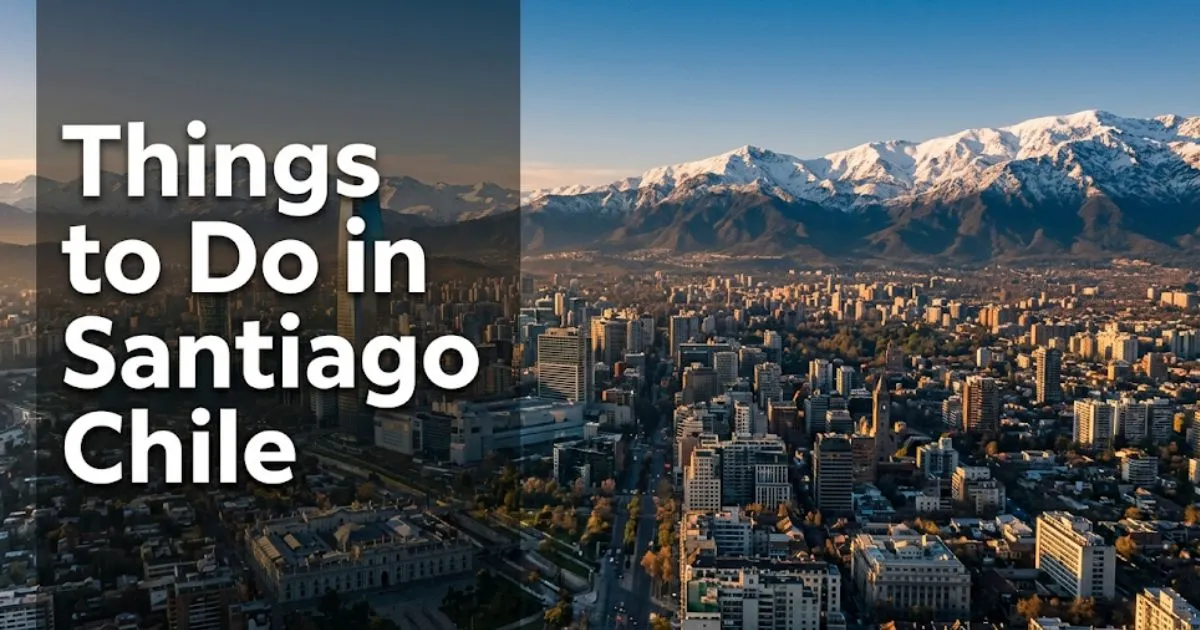
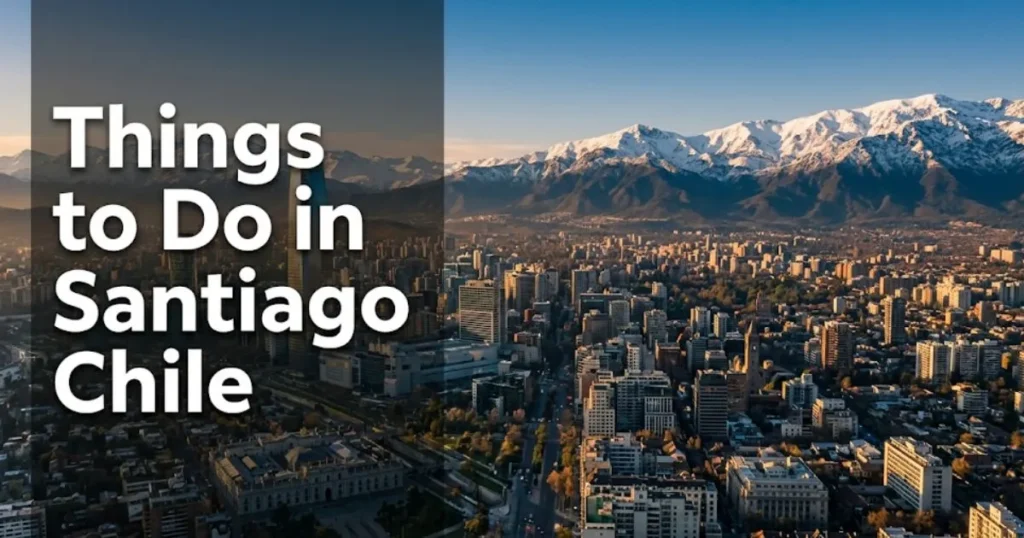
Santiago, Chile rewards engaged travelers with one of South America’s most livable and exploratory urban environments. It sits at 1,700 feet with the snow-capped Andes as a permanent backdrop, making even an ordinary afternoon walk feel cinematically framed.
The city divides into distinct zones. The historic center holds the political and cultural institutions. Bellavista and Barrio Italia hold the creative and culinary life. Providencia and Las Condes hold the upscale dining and hotel infrastructure.
Unlike Buenos Aires, Santiago is not about nightlife and late-night energy as its primary identity. It is about craft food culture, Andean access within 45 minutes, and one of South America’s best functioning metro systems.
Couples benefit from the wine-country proximity. Solo travelers benefit from the walkable, transit-friendly layout. Budget travelers benefit from a cost structure significantly lower than Western Europe or coastal Brazil.
Insider Tip:
- The Andes are visible from the city only when air quality is good. That means September through November and March through May offer the clearest views.
- The city’s historic smog problem is worst from June through August. Plan accordingly if Andean vistas are a priority.
- Budget travelers: load a Bip! card on arrival. The Metro de Santiago runs cleaner and more reliably than most North American subway systems.
Best Things to Do in Santiago Chile for First-Timers
First-time visitors to Santiago, Chile should prioritize Cerro San Cristóbal, La Chascona, Barrio Bellavista, and the Museo Chileno de Arte Precolombino as their essential four.
These four experiences cover the city’s geography, literary culture, neighborhood character, and pre-Columbian heritage. They are also spread across the city in a way that naturally introduces you to different transit routes and zones.
Do not attempt to cover the historic center, Cerro San Cristóbal, and Barrio Bellavista all in one morning. The distances are manageable but the experiences deserve time.
According to Sernatur, most first-time international visitors underestimate how spread out Santiago’s best experiences are across its neighborhoods. Planning by zone per day is more effective than trying to hit attractions across the city in one push.
| First-Timer Priority | Best For | Cost Range | Time Needed | Insider Note |
|---|---|---|---|---|
| Cerro San Cristóbal | All profiles | Low (funicular fee) | 2 to 3 hours | Go before 10am for clear Andes views |
| La Chascona | Couples, cultural travelers | Low admission | 1.5 hours | Book guided tour in advance on weekends |
| Museo Arte Precolombino | Cultural travelers, families | Low to moderate | 2 hours | One of the best pre-Columbian collections in South America |
| Barrio Bellavista walk | Solo, couples | Free to walk | 2 to 4 hours | Street art is best on weekday mornings before crowds |
| Vega Central market | Budget travelers, food lovers | Very low | 1.5 to 2 hours | Arrive before noon for best produce and market stalls |
Families with children under 8 should prioritize the Cerro San Cristóbal zoo visit and Parque Metropolitano’s outdoor spaces over the museum circuit. The terrain of Bellavista includes uneven cobblestones and some steep streets.
Best Neighborhoods in Santiago Chile
The best neighborhoods in Santiago, Chile for visitors are Lastarria, Barrio Italia, Barrio Bellavista, and Providencia, each offering a distinct character and activity set.
Lastarria is the most compact and walkable. Barrio Italia is the most local-feeling. Bellavista is the most visually dynamic. Providencia is the most comfortable base for first-timers.
Staying in Lastarria puts you within a 10-minute walk of Cerro Santa Lucía, the Museo de Bellas Artes, and Parque Forestal. It is the most logistically efficient neighborhood for a short visit.
Providencia sits on Línea 1 of the Metro, giving you direct access to both the historic center and Las Condes without transfers. Hotels here are mid-range to upscale with reliable infrastructure.
Insider Tip:
- Barrio Italia is where Santiaguinos actually eat, shop, and spend their weekends. It is 15 to 20 minutes from the tourist center but operates at a completely different pace.
- Avoid basing yourself in Las Condes unless your primary interest is high-end dining and business travel. It requires transit connections to reach most cultural sites.
- For solo travelers: Barrio Bellavista has the strongest hostel cluster and the most social nightlife scene, specifically around Calle Constitución and Calle Loreto.
Barrio Bellavista Santiago: Street Art, Food, and Nightlife
Barrio Bellavista is Santiago’s most visually energetic neighborhood, known for its dense concentration of street murals, independent restaurants, and the location of Pablo Neruda’s Santiago home, La Chascona.
The neighborhood straddles both sides of the Río Mapocho, with its creative and residential character concentrated on the south bank between Av. Baquedano and Av. Pío Nono. Weekend evenings bring the neighborhood’s bar and restaurant scene to full volume.
La Chascona, managed by the Fundación Pablo Neruda, is the single most specific literary destination in the city. Tours run in Spanish and English. Advance booking is strongly recommended for weekend visits.
Street art in Bellavista is best experienced on a self-guided walk from Plaza Italia northward along Calle Constitución. The murals change frequently. What you see in 2026 will differ from any published photo guide.
For solo travelers: Bellavista’s social scene is genuinely welcoming to solo visitors. The bars along Calle Pio Nono are busy from Thursday through Saturday. Street safety here is generally good but keep bags front-facing and phones pocketed after dark.
For families: La Chascona is suitable for older children with an interest in art or literature. The tour involves some steep interior staircases. Very young children may find the uneven terrain challenging.
Seasonal note: Bellavista’s outdoor dining scene is at its best from October through April. Winter months can feel quiet on weeknights.
Barrio Italia and Lastarria: The Local Alternatives to Bellavista
Barrio Italia is where Santiago locals actually live, eat, shop, and spend their leisure hours. It is the single most underrepresented neighborhood in competitor travel content about this city.
The neighborhood’s identity is built around vintage furniture markets, independent coffee shops, small-batch ceramics studios, and restaurants run by local chefs rather than tourist-facing kitchens. Av. Italia and the surrounding streets around Plaza Italia form the commercial spine.
Lastarria sits closer to the historic center and feels like Santiago’s answer to Buenos Aires’ Palermo Soho. It is dense with gallery cafes, wine bars, and bookshops along Calle Lastarria and Calle Rosal.
The Museo de Artes Visuales in Lastarria is one of the city’s most underattended contemporary art spaces. Admission runs modestly. It holds a rotating collection of Chilean contemporary work rarely covered in tourist guides.
For budget travelers: Barrio Italia delivers the most value. Coffee is priced for locals, not tourists. Lunch menus at neighborhood restaurants typically run well below what you will pay in Bellavista.
Insider Tip:
- The Saturday vintage market on Av. Condell in Barrio Italia is one of the best flea market experiences in South America. Get there before 11am.
- Lastarria’s wine bars are consistently better value than those in the tourist center. Bar The Clinic (named after the independent Chilean magazine) has a strong local following.
- Couples: Lastarria at sunset, followed by dinner on Calle Rosal, is the most genuinely romantic evening in the city that does not cost Las Condes restaurant prices.
Key Takeaway: Skip your second day in Bellavista and spend it in Barrio Italia instead. It is the more honest version of Santiago’s daily life.
Cerro San Cristóbal and Cerro Santa Lucía: The City’s Best Viewpoints
The best city viewpoint in Santiago is the summit of Cerro San Cristóbal, reaching 2,800 feet and offering a panoramic view across the city toward the Andes on clear days. The Cerro Santa Lucía provides a closer and more historically layered alternative in the heart of the city.
Cerro San Cristóbal is accessed via the Funicular del Parque Metropolitano, running from the Baquedano Metro station area. The funicular is the recommended approach. The full walk to the summit takes 45 to 60 minutes and is steep.
Admission to the funicular runs a modest fee. Verify current pricing with the Parque Metropolitano de Santiago directly before visiting, as rates adjust periodically.
The summit holds a large statue of the Virgin Mary and a sanctuary terrace. The views toward the Andes are the primary draw. Come before 10am on weekdays for the fewest crowds and clearest air.
For families: The funicular is suitable for all ages. The summit has restrooms and a small cafe. The Parque Metropolitano also contains Zoológico Nacional, which runs alongside the hill and entertains younger visitors.
For seniors and accessibility travelers: The funicular is accessible. The walking trails around the summit are partially paved. The steepest terrain is avoidable if you take the funicular both ways.
Cerro Santa Lucía is the older and more historically significant of the two hills. It was the site where Spanish conquistador Pedro de Valdivia founded Santiago in 1541. The fortress ruins and terraced gardens are free to enter.
Insider Tip:
- The best Andes photography from Cerro San Cristóbal happens in the morning. By midday, haze often reduces visibility significantly.
- Cerro Santa Lucía is best on a weekday. Weekend afternoons see heavy local foot traffic from families and couples.
Museums in Santiago Chile: What’s Actually Worth Your Time
The single best museum in Santiago, Chile is the Museo Chileno de Arte Precolombino, located two blocks from Plaza de Armas. It holds one of the most focused and well-curated pre-Columbian collections in South America.
The museum covers textiles, ceramics, metalwork, and ritual objects from cultures across the Americas, with particular depth in Andean civilizations. The presentation is sophisticated without being academic. Admission is moderate.
The Museo de la Memoria y los Derechos Humanos is the city’s most emotionally significant museum. It documents Chile’s military dictatorship of 1973 to 1990 with seriousness and specificity. It is not a light afternoon visit.
The Museo de la Memoria is located in Barrio Yungay, accessible on Línea 3 of the Metro. Allocate at least two hours. The content is dense and requires attention. It is not appropriate for young children.
The Museo Nacional de Bellas Artes sits in Parque Forestal and is free to enter on most days. It holds Chilean and European art across a beautiful Beaux-Arts building from 1910. It is consistently underattended on weekday mornings.
For budget travelers: The Bellas Artes museum delivers genuine cultural depth at zero cost. Combine it with a walk through Parque Forestal and a coffee at one of the park-adjacent cafes.
For cultural travelers: The sequence of Museo Precolombino in the morning and Museo de la Memoria in the afternoon is one of the most complete single-day cultural experiences available anywhere in South America.
Seasonal note: Museums are busier on weekends and Chilean public holidays. Weekday mornings before noon offer the most space and quiet.
Key Takeaway: The Museo Chileno de Arte Precolombino is the most underrated museum in Santiago. First-timers consistently overlook it for the more obvious historic center sights.
Santiago Chile Food Scene and Markets: Where Locals Actually Eat
The best food market in Santiago, Chile is Vega Central, not Mercado Central. Every competitor guide sends visitors to Mercado Central. Locals go to Vega Central.
Mercado Central is a beautiful 19th-century iron structure near the historic center. It is also heavily tourist-priced for its seafood restaurants, and the quality rarely justifies the cost. The market stalls around the perimeter are more interesting than the central dining pavilion.
Vega Central, across the Río Mapocho from Mercado Central, is Santiago’s actual wholesale food market. It feeds the city’s restaurants and households. The market stalls sell produce, dried goods, spices, and inexpensive prepared food that Santiaguinos actually eat for lunch.
Order a pastel de choclo (corn-topped casserole) or a bowl of cazuela (broth with meat and vegetables) at one of Vega Central’s interior lunch counters. Expect to pay a fraction of Mercado Central prices.
For budget travelers: Vega Central is where you can eat a full lunch for the price of a coffee in Bellavista. Arrive between noon and 1:30pm for the best selection.
For food travelers: Barrio Italia holds the highest density of independent, chef-driven restaurants in the city. Reservations are recommended at Liguria on Av. Luis Thayer Ojeda in Providencia, a Santiago institution for Chilean cuisine.
Tirso de Molina market, adjacent to Vega Central, specializes in traditional Chilean produce and herbs. It is a navigable complement to a Vega Central visit.
Insider Tip:
- A completo (Chilean-style hot dog with avocado, tomato, and mayonnaise) from a street cart near any Metro station is one of Santiago’s most authentic street food experiences. Fuente Alemán in Providencia is the most celebrated completo counter in the city.
- The pisco sour is Chile’s national cocktail. Try it first at a proper bar rather than a tourist restaurant. Quality varies dramatically.
Santiago Chile Wine Tasting and the Maipo Valley
The best wine day trip from Santiago is a visit to the Maipo Valley, located 30 to 45 minutes south of the city and home to some of Chile’s most celebrated Cabernet Sauvignon producers. The valley is accessible by car or organized tour.
Concha y Toro, the country’s largest winery, operates a full visitor center at Pirque in the Maipo Valley. Tours run daily and include cellar access and tasting. Advance booking is strongly recommended. This is the most frequently visited Chilean winery and books out on weekends.
Viña Santa Rita offers a more intimate alternative. The hacienda complex includes a colonial estate, a museum of pre-Columbian art, and gardens. Tours here tend to feel less crowded than Concha y Toro even on weekends.
For travelers interested in the Casablanca Valley, known for its cool-climate Sauvignon Blanc and Pinot Noir, the drive is approximately 60 to 75 minutes west toward the coast. Casablanca sits between Santiago and Valparaíso, making it a natural stop on the way.
For couples: A private driver and curated two-winery day in Maipo or Casablanca is one of the most genuinely enjoyable date experiences Santiago offers. Several boutique tour operators in Barrio Lastarria and Providencia organize these.
For budget travelers: Concha y Toro’s standard tour is one of the more affordable winery experiences in South America. The premium tasting tiers add cost but are not necessary for a satisfying visit.
Insider Tip:
- Chilean wine tourism is still developing compared to Napa or Bordeaux. That means more personalized access, smaller crowds, and often lower prices.
- The harvest season in Chile runs from late February through April. Visiting during this period offers the possibility of seeing active harvesting. Book winery tours well in advance during harvest months.
Key Takeaway: Casablanca Valley is the less crowded, locally preferred alternative to Maipo for wine day trips. The scenery is different but the wines reward the extra drive.
Free Things to Do in Santiago Chile
The best free experiences in Santiago, Chile include Cerro Santa Lucía, Parque Forestal, the street art circuit of Barrio Bellavista, the Museo Nacional de Bellas Artes, and the historic center walking route around Plaza de Armas.
These free experiences are not consolation options. Several of them rank among the city’s best overall activities regardless of cost.
Free experiences in Santiago for 2026:
- Cerro Santa Lucía: Free entry to the hilltop park and fortress ruins. Open daily with seasonal hours. Verify closing time with the city’s parks authority before visiting.
- Museo Nacional de Bellas Artes: Free entry on most days. Temporary exhibitions may carry a small charge. Confirm free admission days directly with the museum.
- Parque Forestal: A long green corridor running parallel to the Río Mapocho. Free and open daily. Connects naturally to Lastarria and the Bellas Artes museum.
- Plaza de Armas: The historic center square flanked by the Catedral Metropolitana and the Palacio de La Moneda nearby. Free walking access. Heavy with street performers on weekend afternoons.
- Barrio Bellavista street art walk: Self-guided along Calle Constitución and the surrounding blocks. Free and highly visual.
- Parque Bicentenario in Vitacura: A large modern park with flamingo lagoons and open lawns. Free entry. Best on weekday mornings.
- Palacio de La Moneda exterior: The presidential palace exterior and Plaza de la Constitución are free to walk. The interior operates limited public tour access. Check Sernatur’s website for current tour availability.
For budget travelers: Combining these free experiences into two full days creates a genuine Santiago experience that costs almost nothing beyond food and transit.
For seniors: Parque Forestal and Parque Bicentenario offer flat, accessible walking paths. Cerro Santa Lucía involves stairs but the lower terraces are accessible without reaching the summit.
Day Trips from Santiago Chile: The Best Options in Each Direction
The best day trip from Santiago, Chile is Valparaíso, a UNESCO World Heritage port city located 75 miles west of the capital and accessible by Turbus or Pullman Bus in roughly 90 minutes.
Valparaíso’s hillside neighborhoods (cerros) are its defining character. The cerro Alegre and cerro Concepción neighborhoods hold the city’s densest concentration of street art, boutique cafes, and ocean-view terraces.
The Valparaíso ascensores (funicular elevators) are the city’s most photographed feature. Several were undergoing restoration as of recent years. Verify which ones are operational with the municipal tourism office before planning around them.
Other strong day trip options from Santiago:
- Cajón del Maipo: A dramatic Andean canyon 45 minutes southeast of the city. Hiking, whitewater rafting on the Río Maipo, and hot springs at Termas El Plomo are available. Best from October through April.
- Pomaire: A small traditional pottery village 35 miles west of Santiago. Known for artisanal clay work and traditional Chilean food. A half-day visit works well.
- Casablanca Valley wineries: 60 to 75 minutes west, with excellent cool-climate wines and less crowd pressure than Maipo Valley on weekends.
- Ski resorts (June through August only): Valle Nevado, Farellones, and La Parva are 45 to 60 minutes from the city by road.
For families: Cajón del Maipo is excellent for families with older children. The canyon scenery is dramatic and the activity options are varied.
For budget travelers: The Valparaíso bus from Pajaritos terminal is one of South America’s best budget day trip values. Return fare is very affordable.
For seniors: Pomaire and a Maipo Valley winery visit offer the most accessible day trip combination, with minimal walking terrain demands.
Skiing Near Santiago Chile: Valle Nevado, Farellones, and La Parva
Skiing near Santiago, Chile is possible at three resorts within 45 to 60 minutes of the city: Valle Nevado, Farellones, and La Parva. The season runs from approximately mid-June through early October, depending on snowfall.
Valle Nevado is the largest and most developed of the three. It offers the broadest range of terrain, the most consistent snowpack, and hotel accommodation on the mountain. Day lift passes run in a range that places it closer to mid-tier North American resort pricing.
Farellones is the closest to the city and the most accessible for a half-day snow experience. It is lower in elevation than Valle Nevado and better suited for beginners or families looking for a snow day rather than a serious ski trip.
La Parva is the resort with the strongest local following among serious Santiago skiers. It has a more exclusive character and is less touristically packaged than Valle Nevado.
To visit the ski resorts from Santiago:
- Arrange private transfer or join a shuttle van service from the city. Rental cars can navigate the road, but the switchbacks to the resorts require experience with mountain driving.
- Book lift passes online in advance during peak winter weekends. Queues for same-day purchases can be long.
- Rent ski equipment at the resort or in Santiago before departure. Prices may vary significantly between the two options.
- Check road conditions via the Chilean road authority before departing. The mountain road can close due to ice or weather.
- Acclimatize to altitude before a full ski day. The resorts sit above 9,000 feet. Arriving from Santiago’s 1,700 feet in a single morning is a genuine adjustment.
For families: Farellones has the most manageable terrain for children and first-time skiers. Snow tubing and sledding options are available even for non-skiers.
Key Takeaway: Skiing near Santiago in the Southern Hemisphere winter is one of the most underutilized city-plus-skiing combinations in the Americas. July and August are peak season. Book resorts and transfers at least two weeks in advance.
Best Time to Visit Santiago Chile
The best time to visit Santiago, Chile is September through November for spring wildflowers, mild temperatures, clear Andes views, and moderate crowd levels. March through May is an equally strong second window for autumn color and cooler days.
July and August bring the ski season, cold temperatures, and Santiago’s worst smog period. The Andes thermal inversion traps pollution in the valley during winter, creating visibility and air quality issues that directly affect outdoor sightseeing.
December through February is Chilean summer. Temperatures rise significantly in the city. Tourist volumes are at their highest. Hotel prices peak. Many wealthier Santiaguinos leave for the coast or Patagonia.
| Month | Temperature Range | Crowd Level | Andes Visibility | Notes |
|---|---|---|---|---|
| Sep to Nov | 55 to 75°F | Moderate | Excellent | Best overall window for city sightseeing |
| Dec to Feb | 75 to 90°F | High | Good to variable | Peak prices, busiest beaches, ski season ends |
| Mar to May | 50 to 70°F | Low to moderate | Excellent | Autumn colors, harvest season in wine country |
| Jun to Aug | 35 to 55°F | Low | Poor (smog) | Ski season; cold, smoggy city sightseeing |
For budget travelers: March through May offers the best combination of good weather, lower hotel rates, and manageable crowds.
For wine travelers: Late February through early April is harvest season in Maipo and Casablanca Valleys. This is the most rewarding time to visit wineries.
For ski travelers: July and August provide the most reliable snowpack. Book accommodation at the resorts or in Santiago well in advance for these months.
According to Sernatur, September and October are among the fastest-growing visit months as international travelers discover the advantages of Chilean spring timing.
Getting Around Santiago Chile: The Metro and Transit Guide
Getting around Santiago, Chile is most efficient on the Metro de Santiago, one of Latin America’s cleanest and most reliable urban rail systems. The network covers most major visitor destinations across six interconnected lines.
The essential tool is a Bip! card, a reloadable transit card used on the Metro, surface buses (Transantiago/Red Metropolitana), and most public transit connections. Purchase one at any Metro station on arrival. It eliminates the need for cash at turnstiles.
Key Metro lines for visitors:
- Línea 1 (east-west): Connects the airport bus hub at Pajaritos with Providencia, the historic center, and Las Condes. This is the most visitor-relevant line.
- Línea 5: Reaches Baquedano (gateway to Bellavista) and connects to Parque O’Higgins.
- Línea 3: Reaches the Museo de la Memoria area in Barrio Yungay and extends toward northern neighborhoods.
From Arturo Merino Benítez Airport (SCL), the most practical transfer options are:
- Centropuerto or Transvip shared shuttle vans, which drop at major hotels in Providencia and Las Condes at a modest fare.
- Private taxi or app-based ride service (Uber operates in Santiago and is generally reliable from the airport).
- Bus to the Pajaritos Metro station, then Metro Línea 1 to your neighborhood. This is the lowest-cost option but involves more logistics with luggage.
For solo travelers: The Metro is safe, well-signed in both Spanish and some English, and operates until midnight on most nights. Verify extended holiday hours with Metro de Santiago before planning late returns.
For seniors and accessibility travelers: Metro stations have elevator access at most major stops. Verify specific station accessibility via the Metro de Santiago official website before your trip.
For budget travelers: A loaded Bip! card makes the Metro the most cost-effective way to reach every major neighborhood. Day trip buses to Valparaíso depart from Pajaritos terminal, directly accessible on Línea 1.
Santiago Chile Safety Tips for Tourists
Santiago, Chile is a generally safe destination for tourists who exercise the standard urban awareness expected in any Latin American capital city. The US State Department currently maintains a Level 2 travel advisory for Chile. Verify the current advisory status at travel.state.gov before departure.
The primary risk for tourists is petty theft, concentrated in crowded areas including Mercado Central, Plaza de Armas, and the historic center during peak hours. Pickpocketing and phone snatching are the most common incidents. They are preventable with consistent bag management.
Practical safety guidance for Santiago:
- Keep your phone out of sight when walking through the historic center and market areas. Use it at cafes and seated environments instead.
- Use Uber or a reputable app-based taxi service rather than hailing street taxis in unfamiliar neighborhoods, especially at night.
- The Carabineros de Chile (national police) operate tourist assistance points at major attractions. They are approachable and visible.
- Barrio Bellavista is generally safe until midnight. Venture beyond the main restaurant and bar streets at night only with local guidance.
- The historical center blocks north of Plaza de Armas near the bus station have higher theft risk after dark. Avoid that zone on foot at night.
- Santiago’s winter smog can trigger air quality alerts. The city issues these through local media. If you have respiratory sensitivities, monitor air quality reports during June through August.
- Altitude adjustment: Santiago sits at 1,700 feet. The ski resorts sit above 9,000 feet. Ascend to resort elevation only after a night’s rest in the city.
For solo female travelers: Santiago ranks among the safer Latin American capitals for solo women in tourist neighborhoods. Standard urban awareness applies. Barrio Italia and Lastarria feel safe day and night within their commercial zones.
Key Takeaway: Petty theft in the historic center is Santiago’s primary tourist safety issue. It is almost entirely preventable with front-carried bags and phone discipline in crowded areas.
Safety and Practical Warnings for Santiago Chile
The most important practical warning for Santiago, Chile visitors is that winter air quality in June through August can reach levels that meaningfully affect outdoor sightseeing and physical activity.
Key safety and practical facts every visitor should know:
- Air quality alerts (episodios de contaminación) are issued during winter thermal inversion events. Check Chile’s official SINCA air quality monitoring system before planning outdoor hill climbs in winter months.
- Sun exposure in Santiago is stronger than visitors from northern latitudes expect, even on mild-temperature days. Use SPF 50 sunscreen for any outdoor activity from October through March.
- Earthquake awareness: Chile sits on the Pacific Ring of Fire. Earthquakes are a reality. Review basic earthquake safety protocols before travel. Buildings in Santiago are modern and built to strict seismic standards, but awareness matters.
- Tap water in Santiago is treated and safe to drink. Bottled water is not necessary for most visitors, though sensitive stomachs may prefer it during an adjustment period.
- Currency exchange: Use ATMs (cajeros automáticos) at major banks or the airport rather than street exchange services. The Chilean peso fluctuates. Check the current rate before departure.
- Emergency services in Chile: The national emergency number is 133 for police (Carabineros) and 131 for ambulance.
Bold safety instruction: Do not carry your passport as your daily walking document. Store it securely at your accommodation and carry a photocopy for routine identification purposes.
Santiago Chile Itinerary: How to Plan 3 Days in the City
The ideal Santiago, Chile itinerary for 3 days covers the historic center and museums on day one, the hillside neighborhoods and viewpoints on day two, and a wine or canyon day trip on day three.
Day 1: Historic Center and Culture
- Start at Plaza de Armas early morning when it is quiet. Walk to the Catedral Metropolitana and the surrounding civic architecture.
- Walk two blocks to the Museo Chileno de Arte Precolombino. Allow two hours minimum.
- Lunch at Vega Central market. Cross the Río Mapocho on foot. This walk takes 10 minutes from the museum.
- Afternoon at Cerro Santa Lucía. Walk up for the fortress views and garden terraces. Free entry.
- Evening dinner in Lastarria along Calle Rosal. The neighborhood is a 10-minute walk from Cerro Santa Lucía.
Day 2: Neighborhoods and Viewpoints
- Take the Metro to Baquedano station. Walk north into Barrio Bellavista. Visit La Chascona (book in advance).
- Walk the Bellavista street art circuit along Calle Constitución and adjacent blocks.
- Take the Funicular del Parque Metropolitano to the top of Cerro San Cristóbal. Arrive by 11am before haze builds.
- Afternoon in Barrio Italia. Walk Av. Italia and Av. Condell. Browse vintage shops and have coffee at an independent cafe.
- Dinner in Barrio Italia at one of the chef-driven restaurants on Av. Italia or surrounding streets.
Day 3: Maipo Valley Wine Country or Cajón del Maipo
- Arrange advance booking at Concha y Toro or Viña Santa Rita in the Maipo Valley. Depart Santiago by 9:30am.
- Morning winery tour and tasting at your first winery.
- Lunch at the winery or in the town of Pirque nearby.
- Afternoon at a second winery or return to Santiago for a slower afternoon in Providencia.
- Evening at Fuente Alemán in Providencia for the classic Santiago completo experience.
For families: Replace Day 3’s winery visit with Cajón del Maipo canyon and the town of San José de Maipo. The canyon drive is scenic and the hiking options are family-appropriate in spring and summer.
For budget travelers: Days 1 and 2 can be executed almost entirely on free or low-cost experiences. The Metro Bip! card covers all transit. Only La Chascona and the funicular carry notable admission costs.
Budget Travel in Santiago Chile
Santiago, Chile is one of South America’s most budget-accessible major cities. A solo traveler can have a genuinely full day of city experiences for a very modest amount when using the Metro, eating at local markets, and prioritizing free attractions.
Budget cost framework for Santiago 2026 (approximate ranges; verify current rates before travel):
| Expense Category | Budget Option | Mid-Range Option | Notes |
|---|---|---|---|
| Accommodation | Hostel dorm in Bellavista: $15 to $25/night | Private room Providencia: $50 to $90/night | Barrio Italia Airbnbs offer mid-range value |
| Daily Transit | Bip! card Metro: $2 to $4/day | Uber within city: $4 to $10/trip | Metro is the clear budget winner |
| Lunch | Vega Central counter: $4 to $7 | Barrio Italia restaurant: $12 to $20 | Market lunch is genuinely excellent |
| Dinner | Completo street food: $3 to $5 | Neighborhood restaurant: $15 to $30 | Wine at dinner adds $8 to $20 |
| Key Attraction | Bellas Artes free, Precolombino $5 to $10 | Winery tour: $20 to $50 | La Chascona runs $10 to $15 |
| Day Trip | Valparaíso bus: $8 to $12 return | Private Maipo tour: $80 to $150 | Bus to Valparaíso is genuine value |
For budget travelers: The combination of free museums (Bellas Artes, Santa Lucía), low-cost transit (Metro Bip! card), and Vega Central market meals can reduce daily spend to a remarkably low figure for a capital city.
For solo travelers: Hostels in Barrio Bellavista are social, reasonably safe, and centrally located. The concentration of budget accommodation here is the highest in the city.
Insider Tip:
- Chilean restaurant set menus (menus del día) at lunch are the single best value food option in the city. They typically include a starter, main, and drink for a price well below what the same food would cost à la carte.
- Wine is dramatically cheaper purchased from a supermarket (Jumbo or Santa Isabel chains) than from restaurants. A genuinely good Chilean Cabernet Sauvignon can cost the equivalent of $6 to $12 retail.
Key Takeaway: Santiago rewards budget travelers who eat at Vega Central, use the Metro daily, and prioritize the free museum and park circuit. You do not need to spend much to have an excellent two to three days here.
Frequently Asked Questions About Things to Do in Santiago Chile
What are the best things to do in Santiago Chile for first-time visitors?
The best things to do in Santiago, Chile for first-time visitors are Cerro San Cristóbal, the Museo Chileno de Arte Precolombino, La Chascona in Barrio Bellavista, and a half-day in the Maipo Valley wine country.
These four experiences cover the city’s geography, cultural depth, literary heritage, and regional identity.
Add Vega Central for lunch and Lastarria or Barrio Italia for dinner to complete a genuine Santiago introduction in two days.
How many days do you need in Santiago Chile?
Three days gives you enough time to cover Santiago’s core neighborhoods, key museums, and one day trip to the wine country or Cajón del Maipo canyon.
Two days is a bare minimum for first-timers who want more than a surface-level introduction.
Five days allows you to add a Valparaíso excursion, a full day in Barrio Italia, and a more relaxed pace through the museum circuit without feeling rushed.
Is Santiago Chile safe for tourists?
Santiago, Chile is generally safe for tourists exercising standard urban awareness in a Latin American capital. The US State Department’s current Level 2 advisory applies to Chile broadly.
The primary risk is petty theft in crowded tourist areas like Mercado Central and Plaza de Armas. Keep bags front-facing and phones pocketed in the historic center.
Barrio Bellavista, Lastarria, and Providencia are considered the safest tourist neighborhoods. Verify the current travel advisory status at travel.state.gov before departure.
What is the best neighborhood to stay in Santiago Chile?
The best neighborhood to stay in for first-time visitors is Providencia, which sits on Línea 1 of the Metro and offers reliable infrastructure, mid-range to upscale hotel options, and easy transit access to every major area.
Lastarria is the best choice for travelers who prioritize walkability to the cultural center and a strong local restaurant scene.
Barrio Bellavista suits solo travelers and budget travelers who want proximity to nightlife and the city’s hostel cluster.
When is the best time to visit Santiago Chile?
The best time to visit Santiago, Chile is September through November for clear Andes views, mild spring temperatures, and moderate crowd levels.
March through May is equally strong for autumn weather, harvest season in the wine valleys, and lower hotel rates.
Avoid June through August if outdoor sightseeing and Andes visibility are priorities, as winter smog significantly affects the city experience during those months.
How do you get around Santiago Chile without a car?
Getting around Santiago without a car is straightforward using the Metro de Santiago, which covers all major visitor neighborhoods on six interconnected lines. Purchase a Bip! card at any Metro station on arrival and load it with Chilean pesos.
The Metro runs from approximately 6am to midnight on weekdays with adjusted hours on weekends and holidays.
Uber operates reliably across the city for trips the Metro does not conveniently cover, including airport pickup and late-night returns from neighborhoods like Barrio Italia.
Plan Your Santiago Chile Trip With Confidence
Santiago rewards travelers who move past the historic center and engage with the city’s neighborhood-level identity. Book La Chascona and any winery tours in advance, particularly if traveling on weekends. Load a Bip! card at the airport. Choose your base neighborhood based on your travel profile, not just hotel price.
Travel conditions, entry fees, museum hours, transit fares, and ski resort operating dates change annually. Verify key logistics directly with venues and with Sernatur at chile.travel before your departure date. The US State Department Chile advisory page at travel.state.gov should be checked within two weeks of travel.
Start with Barrio Italia on your second afternoon. That single shift from the standard tourist circuit tells you more about what Santiago actually is than any morning spent in the historic center alone.