
Best Places to Visit in Miami 2026: The Real Guide

Miami is not a single destination. It is a sprawling, sun-baked collection of fiercely distinct neighborhoods.
The best places to visit depend entirely on the mood you are chasing. A South Beach pool scene is a different universe from a Calle Ocho domino game.
This 2026 guide navigates the city by its true local contours. You will find the essential sights and the cool local alternatives right next to them.
Best Places to Visit in Miami: The 2026 Strategy
The smartest Miami strategy is to pick one neighborhood cluster per day. Trying to bounce from South Beach to Wynwood to Coral Gables in one afternoon will fail.
Traffic is a genuine, time-eating force in this city. The free Metromover loops through Downtown and Brickell, making those areas a logical pairing.
A cohesive itinerary looks more like a targeted neighborhood immersion. Spend a morning on Lincoln Road, an afternoon in Little Havana, and an evening at a single, great restaurant.
| Activity Style | Best For | Sample Day Plan |
|---|---|---|
| Classic Miami | First-timers, couples | South Beach art deco walk, Lincoln Road lunch, sunset drinks on Ocean Drive. |
| Arts & Culture | Solo travelers, friends | Wynwood Walls at 10 a.m., PAMM by 1 p.m., dinner in the Miami Design District. |
| Local Explorer | Repeat visitors, families | Calle Ocho in Little Havana, Venetian Pool swim, casual dinner in Coral Gables. |
According to the Greater Miami Convention & Visitors Bureau, hotel occupancy peaks in March. Booking for the winter high season requires advance planning of four to six months.
Key Takeaway: Treat Miami like several cities in one, and conquer a single district per day.
Miami Neighborhoods to Visit for the True Vibe
Miami’s identity lives in its micro-neighborhoods. The corporate city center is not the story here.
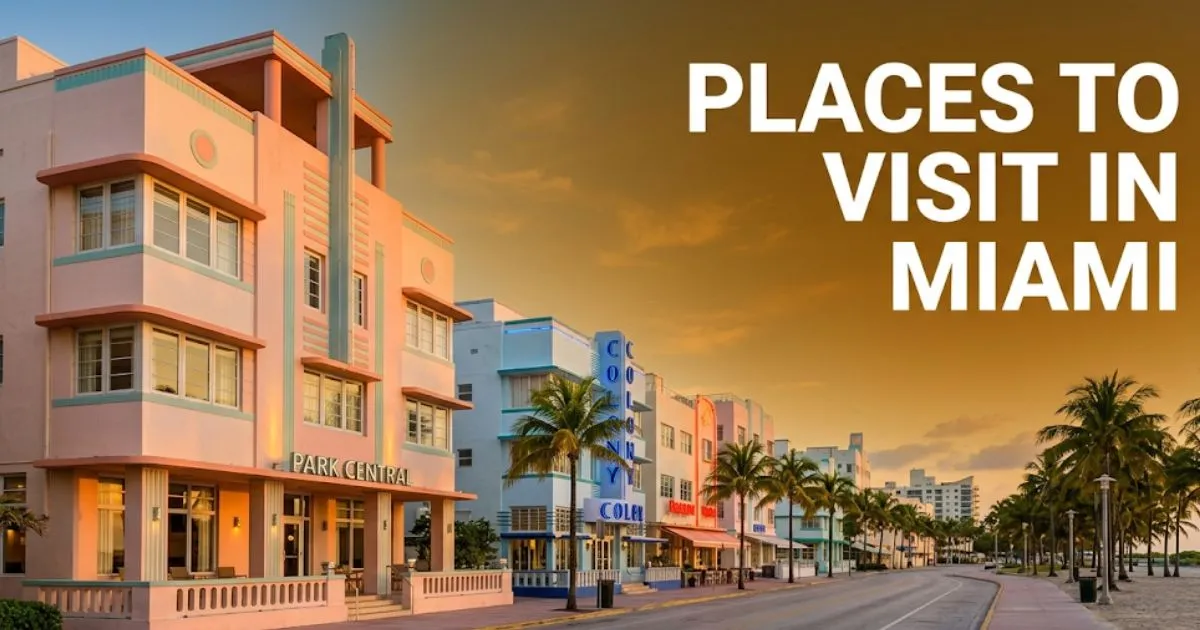
South Beach is the art deco postcard, and it is genuinely stunning for its preserved architecture. It is also the most tourist-dense and expensive stretch.
Wynwood is a global street art capital that has added a serious culinary scene. The warehouse district feel has evolved into a polished, walkable creative hub.
Little Havana is the living, breathing heart of Cuban exile culture. Its energy is on the streets, not in a single museum.
Coral Gables offers Mediterranean revival elegance and a slower pace. It is the sophisticated, quiet, and leafy counterpoint to the beach.
| Neighborhood | Best For | Vibe |
|---|---|---|
| South Beach | Couples, nightlife seekers | Energetic, glamorous, tourist-centric. |
| Wynwood | Art lovers, foodies, solo travelers | Creative, trendy, Instagram-ready. |
| Little Havana | Culture seekers, families, budget travelers | Authentic, vibrant, community-driven. |
| Coral Gables | Seniors, couples, luxury travelers | Calm, elegant, residential. |
| Downtown/Brickell | Business travelers, convenience-focused | Polished, urban, high-rise. |
The worst approach is picking a hotel at random. You lock yourself into one vibe and a lot of driving if you choose poorly.
South Beach Miami Points of Interest Beyond the Sand
The sand is just a stage. The real architecture of South Beach is the Art Deco Historic District.
More than 800 preserved buildings from the 1930s and 1940s line Ocean Drive. They look best in the soft light of early morning, before the crowds arrive.
Lincoln Road Mall is the pedestrian spine of the beach. Chain stores now dominate, but the people-watching and open-air dining are the genuine attraction.
The beach itself widens at Lummus Park, the section between 5th and 15th streets. It is the most socially active strip, but not the most serene.
For a calmer beach day, locals head north of 20th Street. The sand is quieter, and the volleyball nets give way to open towel space.
Española Way is a short, charming Mediterranean-style pedestrian lane. It feels like a small Spanish village secreted between the high-rises.
The tourist trap to skip is Ocean Drive dining for the food. Have a drink for the scene, then walk three blocks west for a better meal at any price point.
Key Takeaway: South Beach is a design and people-watching destination first, and a beach destination second.
Downtown Miami Things to Do Beyond the Office Towers
Downtown Miami is a concrete canyon undergoing a culture upgrade. The flagship is Bayside Marketplace, but treat it as a walkway, not a destination.
Its real value is as a launch point for sightseeing boat tours of Biscayne Bay. These tours give you the skyline view and the celebrity home gossip in 90 minutes.
Bayfront Park is the green lung of the central business district. It hosts free yoga classes and major festivals, depending on the week.
The Miami Heat play at the Kaseya Center right on the water. A game here is a loud, authentically Miami night out.
Solo travelers will find the Metromover liberating here. The free elevated loop connects Downtown to the Brickell financial district and arts hubs without a single transfer.
For a hidden architectural gem, look inside the lobby of the Alfred I. DuPont Building. It is a 1930s Art Deco masterpiece most visitors walk right past.
Wynwood Miami Attractions: Art Is Just the Start
The Wynwood Walls compound is the required starting point. It is a curated outdoor museum of giant murals by the world’s best street artists.
Get there at 10 a.m. on a weekday to experience it without the selfie-stick crowds. Admission to the outdoor garden is typically modest, around $10 to $15.
Wynwood is now a dense, walkable gallery of shops and restaurants radiating from the Walls. The best exploration involves zero agenda beyond wandering northwest on NW 2nd Avenue.
Panther Coffee is the local java giant that fueled the neighborhood’s renaissance. A cortado here is the correct way to start your walk.
The restaurant scene is fiercely competitive, and that is great for you. KYU serves wood-fired Asian-inspired plates, while Coyo Taco is the late-night counter-service king.
Wynwood’s galleries close on Mondays and often take a pause in late summer. August is the worst time to visit, as many small businesses reduce hours.
Key Takeaway: Wynwood’s joy is the alley you didn’t plan to find, so allow two hours of unstructured time.
Little Havana Miami Guide: Calle Ocho and Beyond
Calle Ocho (Southwest 8th Street) is the main artery, but the side streets hold the soul. This is a living neighborhood, not a theme park.
The first stop for culture is Domino Park (Máximo Gómez Park). The clack of tiles and heated Spanish debates are the daily soundtrack here.
Versailles Restaurant is the unofficial town hall of Cuban Miami. The food is good, solid, and traditional, but the political and social theater in the cafeteria window is the real draw.
You must walk the stretch between 13th and 17th Avenues. It concentrates the fruit stands, cigar factories, and art galleries.
Cubaocho Museum & Performing Arts Center is the deep cut for art and music. It claims one of the world’s largest rum collections inside a restored 1920s theater.
For a modern twist, Ball & Chain has been serving drinks since 1935. Its pineapple-print patio hosts live salsa and jazz that appeals strongly to couples and groups.
Families do well here during the day. The sidewalks are lively, the snacks like guarapo (sugar cane juice) are a hit, and the culture is tactile.
The most common mistake is visiting after 6 p.m. on a weekday. The neighborhood is a daytime experience, and many shops shutter firmly by sunset.
Coral Gables and Coconut Grove Things to Do
These two lush, green neighbors offer an escape from Miami’s concrete energy. Coral Gables is a meticulously planned Mediterranean reverie.
The unmissable attraction is the Venetian Pool, a spring-fed lagoon carved from coral rock. It has waterfalls, caves, and a strict no-kids-under-3 policy, creating a rare tranquility.
Entry is affordable, typically $15 to $20, but requires pre-booking in peak months. Seniors and couples looking for a refined swim will find this the city’s most beautiful public pool.
Miracle Mile is the downtown shopping spine of Coral Gables. It mixes bridal boutiques with excellent independent restaurants.
Coconut Grove feels like a bohemian seaside village. It is walkable, green, and anchored by the waterfront Cocowalk mall.
Sailboats moor at Dinner Key Marina, a good spot for a casual sunset walk. The Barnacle Historic State Park is the quietest acre on the bay, with tours of the 1891 pioneer home.
Monty’s Raw Bar in the Grove is a laid-back local institution for seafood and a cold drink by the marina. It is the laid-back answer to South Beach’s posh scene.
Key Takeaway: Coral Gables and Coconut Grove feel like an exhale from the mainline Miami energy.
Miami Tourist Attractions for Art and Science
Miami’s museum campus at Maurice A. Ferré Park holds a trifecta of cultural heavyweights. You can hit two in a single day without reparking.
Pérez Art Museum Miami (PAMM) is a hanging garden of modern and contemporary art. The building itself, by Herzog & de Meuron, is a work of genius commanding views of Biscayne Bay.
The Phillip and Patricia Frost Museum of Science sits right next door. It houses a planetarium and a three-level aquarium that descends from the Everglades canopy to the Gulf Stream.
This is the single best family attraction in the city for a rainy or brutally hot afternoon. The interactive engineering and biology labs can engage kids for a solid four hours.
The historic heavyweight is Vizcaya Museum and Gardens in Coconut Grove. This 1916 Italian Renaissance-style villa is the city’s most romantic single attraction.
Its formal gardens feel like a slice of the Italian Riviera. It is a top recommendation for couples, but the stone staircases and gravel paths challenge wheelchair users.
According to the Vizcaya Museum and Gardens official site, certain areas undergo periodic preservation work. Check for gallery closures before committing to the price of admission.
Miami Day Trips and Nature Parks Worth the Drive
You need a car for the best nature escapes. The two national parks are world-class and shockingly close.
Everglades National Park is a vast, slow-moving river of grass. The closest entry for a half-day trip is the Ernest F. Coe Visitor Center in Homestead, a drive of roughly an hour.
An airboat ride is the definitive, if noisy, way into the sawgrass. To earn the real magic, take the short Anhinga Trail boardwalk, where gators sunbathe feet away.
Biscayne National Park is 95 percent water. You must book a boat tour or rent a kayak to explore the mangrove-fringed keys and coral reefs.
The National Park Service operates a Dante Fascell Visitor Center at Convoy Point with a jetty trail. It is the only piece of the park accessible by tire.
For a simpler beach day, Bill Baggs Cape Florida State Park on Key Biscayne is the local choice. The historic lighthouse, built in 1825, stands sentinel over calm, clear waters.
It has picnic pavilions and bike rentals. Budget travelers get a top-tier Miami beach day for a small state park vehicle fee.
The major safety warning is extreme summer heat and mosquitoes in the Everglades. Bring more water than seems reasonable, and apply DEET-based repellent liberally.
Key Takeaway: Miami’s natural edge feels a world away from the pool parties, but you must plan the logistics.
Things to Do in Miami for Couples Who Want Real Romance
The cliché is a sunset dinner on South Beach. The reality is often a $200 check for mediocre food and a crowd.
For genuine romance, book a twilight kayak tour through Oleta River State Park. The calm mangrove tunnels and the city lights in the distance are unexpectedly serene.
Reserve a table at Boia De in Buena Vista for an intimate, tough-to-book Italian dinner. It is a tiny strip-mall spot that out-charms the city’s glitziest dining rooms.
The Vizcaya Museum and Gardens at opening time on a weekday is a nearly private Italian reverie. Couples will have the hidden grottos and the barge overlooking the bay largely to themselves.
A spa day at The Standard Spa, Miami Beach is the adults-only retreat the doctor ordered. The hammam and outdoor hydrotherapy garden are sensory and social.
Skip the jammed Ocean Drive sidewalk. Instead, walk the Miami Beach Boardwalk from 21st Street northward at sunrise before the heat and crowd roll in.
Miami Family Attractions That Don’t Flop
A family trip to Miami lives or dies by heat management. A beach morning followed by a 2 p.m. indoor attraction is the winning formula.
The Frost Science Museum is the most reliable all-ages home run. The touch tanks and the Gulf Stream aquarium mesmerize toddlers and teenagers alike.
Zoo Miami is massive, cage-free in design, and hot. It’s a fantastic facility, but rent a cycle surrey, arrive at 9 a.m., and leave by noon in summer months to avoid heat exhaustion.
Crandon Park on Key Biscayne is the perfect family beach. The water is shallow, warm, and calm like a bathtub, with zero rip current risk typically found on Atlantic-facing beaches.
The Miami Seaquarium, while a classic, is a controversial and aging facility. As of 2026, verify operating status and new ownership terms directly before booking, as it has faced significant changes.
Older kids and teenagers will lock into the Wynwood Walls for the photographic spectacle. It is the rare cultural site that feels like social media currency to a 14-year-old.
Budget travelers should note the state parks. The cost of a $6 vehicle entry to Crandon Park is a fraction of the typical South Beach parking garage fee.
Key Takeaway: Plan each family day as a split shift: active morning, indoor afternoon, and casual evening.
Free Things to Do in Miami and Miami on a Budget
Miami’s luxury label hides a solid inventory of free experiences. The city’s best backdrops cost zero dollars.
The Wynwood Walls outdoor murals are completely free to view from the surrounding sidewalks. You only pay to enter the enclosed museum courtyard itself.
The Art Deco Welcome Center runs a low-cost guided walking tour of the historic district. But you can download the map and trace the route independently for free.
Every first Thursday of the month, the Pérez Art Museum Miami (PAMM) offers free admission. This is an unbeatable budget hack for a normally pricey attraction.
South Pointe Park Pier at the southern tip of Miami Beach is a free panorama. You watch the massive cruise ships lumber out of Government Cut against a perfect sunset.
The Metromover is a completely free elevated train system circulating through Downtown and Brickell. It is a free sightseeing tour of the skyscraper canyons.
A genuine cafeteria meal at Palacio de los Jugos is a budget feast. A heaping plate of roast pork, rice, and plantains runs a fraction of any South Beach salad.
The biggest budget drain is the car and the parking. Using the free trolley systems in Miami Beach, Coral Gables, and Homestead cuts the hidden costs drastically.
Best Time to Visit Miami to Match Your Style
The perfect time to visit is the winter dry season from December to April. The trade-off is peak pricing and dense crowds at every major attraction.
February and March offer 75-degree days with low humidity, making outdoor walking tours a pleasure. This is the best window for seniors and accessibility travelers due to mild, predictable weather.
The summer shoulder from late May to August is hot, humid, and punctuated by afternoon thunderstorms. This is the season of lowest hotel rates and greatest restaurant availability.
The Miami Spice Months (historically August and September) are a culinary goldmine. High-end restaurants offer fixed-price three-course menus that make luxury dining affordable.
The risk window for hurricane season runs from late August through October. Travelers must verify hurricane cancellation policies with their hotel before booking an August-through-October stay.
For budget travelers, July is the secret. Hotel rates plunge, and the weather, while swampy, is manageable with an afternoon siesta strategy.
The single worst time for a cultural trip is August. Wynwood galleries often close, and many local theaters go dark for the summer break.
According to the National Weather Service, heat indices in Miami during July and August regularly exceed 100 degrees Fahrenheit. Hydration and indoor breaks are not optional.
Key Takeaway: Choose your travel dates based on your tolerance for heat and your need for a bargain.
Getting Around Miami Without a Car (And With One)
You can navigate the urban core without a car. The free Metromover loops around Downtown, Brickell, and the arts park with great frequency.
The Miami Beach Trolley system is also free and connects South Beach to Mid-Beach and North Beach. It is air-conditioned and a game-changer for beach visitors without wheels.
For crossing the bay from the mainland to the beach, ride-hailing services are the most practical option. A trip from Wynwood to South Beach costs approximately $15 to $25, depending on surge pricing.
The Brightline train connects Miami Central Station to Aventura, Fort Lauderdale, and West Palm Beach. It is the comfortable, Wi-Fi-equipped way to add a day trip up the coast.
Parking in South Beach is a genuine strategic pain point. Public garages on 7th and 13th Streets are your best bet, with hourly rates that climb steeply.
Valet parking at beachfront hotels can run $40 to $60 per night. This is a hidden cost you must account for when choosing a South Beach hotel.
A rental car is essential only if your itinerary includes the Everglades, the Keys, or multiple neighborhood hops to distant points like Coral Gables. For a four-day urban trip, rely on free transit and ride-shares.
Brightline reports that weekend service between Miami and West Palm Beach often sells out in advance. Book these tickets online.
Cool Places to Visit in Miami Beyond the Obvious
The coolest Miami experiences feel like you have joined a private club. They are often hyper-local and unfussy.
The Kampong in Coconut Grove is a hidden tropical botanical garden. It was the winter home of plant explorer David Fairchild, and you must book a guided tour to enter.
Mac’s Club Deuce in South Beach is the city’s oldest bar and the dive-bar antidote to bottle service. It opens at 8 a.m. and hasn’t changed its sticky floors or cheap drinks in decades.
For an industrial-chic coffee break, find All Day in the Park West neighborhood. It is a serious specialty cafe serving single-origin espresso inside a bright, tiled arcade.
The Rubell Museum in Allapattah is the Miami art world’s heavyweight. The private collection of contemporary art is housed in a vast former warehouse.
Haulover Park has a clothing-optional beach that is a world-famous institution. Even if that is not your scene, the park’s marina and golf course are quiet local assets.
On a Sunday evening, the Faena District on Collins Avenue feels like a surreal film set. The gold-and-crimson Faena Theater lobby is open to walk through, and its maximalist design is unforgettable.
Key Takeaway: The coolest Miami is not the newest or most expensive. It is the place that feels like it has a story.
Frequently Asked Questions About Places to Visit in Miami
What are the top 5 places to visit in Miami for first-timers?
South Beach’s Art Deco District, Wynwood Walls, Little Havana’s Calle Ocho, Vizcaya Museum, and a Biscayne Bay boat tour are the essential five.
This mix covers architecture, art, Cuban culture, historic luxury, and the water views that define the city.
What is the best part of Miami Beach to visit?
South Beach from 5th to 15th Street is the most energetic and iconic part for art deco and people-watching.
Mid-Beach around the Faena District offers a more polished and less crowded hotel scene.
North Beach is the quiet local choice with laid-back residential charm.
How can I get around Miami without a car?
Use the free Metromover in the urban core and the free City of Miami Beach Trolley on the barrier island.
Supplement with ride-hailing services for cross-bay trips like going from Wynwood to the beach.
A rental car is only necessary if you are day-tripping to the Everglades or the Florida Keys.
Is Miami expensive for a vacation in 2026?
Miami is a premium-tier destination in the winter high season from December through April.
Summer offers significant savings with lower hotel rates and the Miami Spice dining program.
A trip can be either budget-bending or moderate, depending entirely on your season and dining choices.
What should I avoid doing in Miami as a tourist?
Avoid renting a car for a South Beach-only trip, as parking is expensive and scarce.
Skip the full meal on Ocean Drive and eat one block west for better value and quality.
Do not plan more than two neighborhood clusters in one day due to traffic and distance.
What is the best month to go to Miami weather-wise?
February and March offer the most reliably beautiful weather with low humidity and warm sun.
April and May are also good, with fewer crowds starting in late spring.
October through December is a shoulder season with pleasant air but a higher chance of rain.
CLOSING:
Miami’s best experiences rarely line up neatly on a “Top 10 Attractions” list. The real city lives in the small moments between the landmarks—a perfect cafecito window, an unplanned gallery alley, a quiet morning on a coral rock bench. You now have the neighborhood-by-neighborhood blueprint that most visitors simply never build. Your next step is to lock down your hotel in the specific district that matches your travel style. That single decision shapes your entire trip. Book accommodations first, then overlay the activities from this guide. Before you depart, verify hours and admission directly with the attractions on your final list for 2026.