Outer Banks Things to Do: A No-Skip 2026 Guide

Stop searching for generic “top 10 OBX” lists. The Outer Banks requires a strategy. This 2026 guide cuts the filler and delivers exactly the experiences that justify the drive.
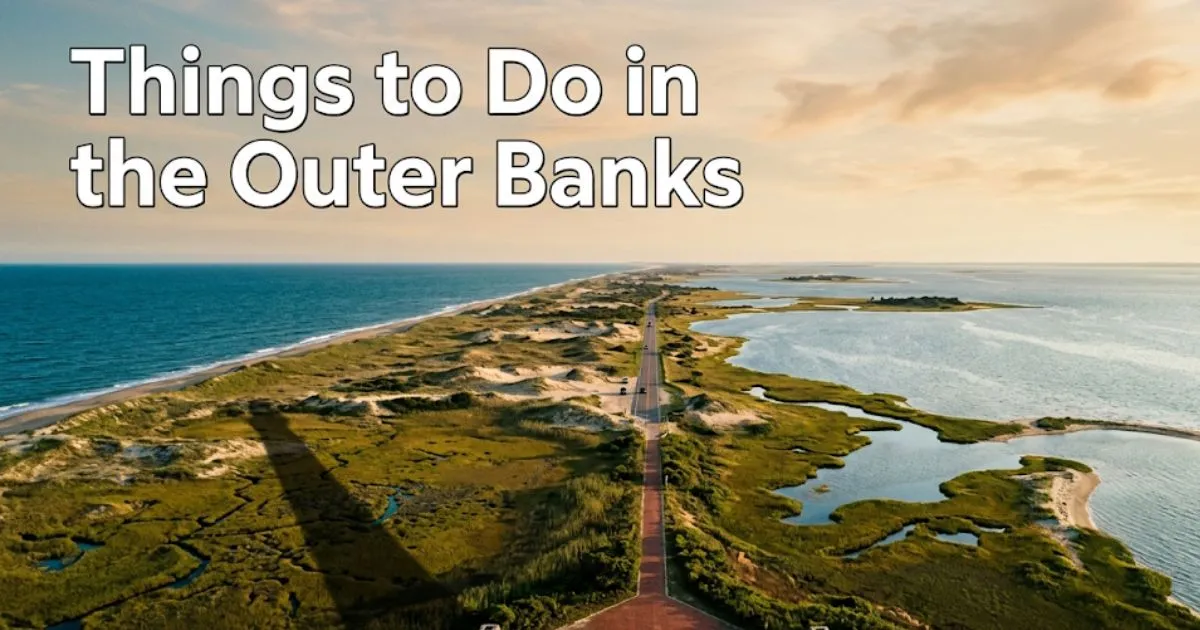
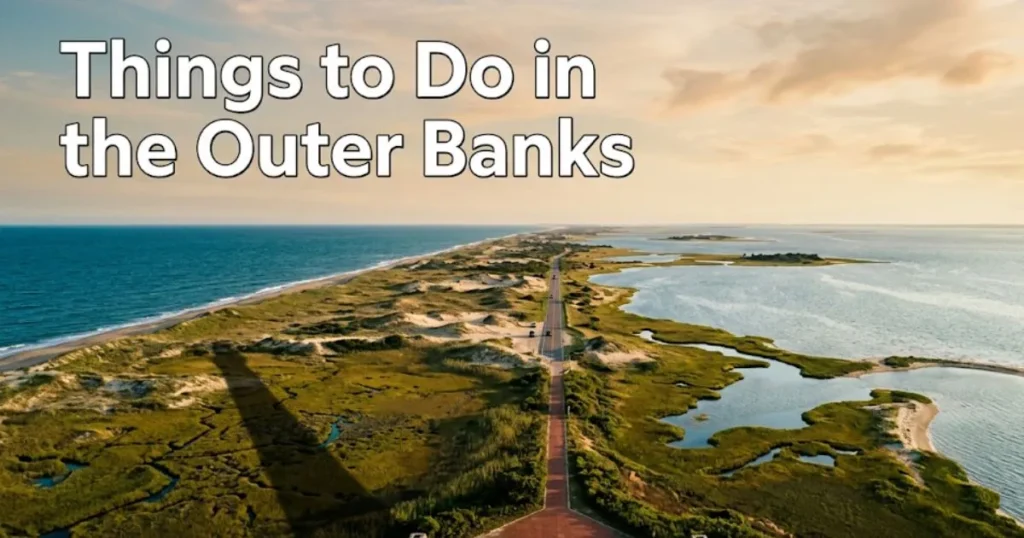
The Outer Banks is not a single beach town. It is a 100-mile chain of distinct barrier islands. A perfect day in Corolla involves wild horses and 4×4 sand. A perfect day on Hatteras involves an empty surf break and a fish house.
We are outlining the logistics, honest crowd realities, and specific local seafood spots that make this fragile ribbon of sand worth navigating in the year ahead. This is your OBX trip planning blueprint.
Best Outer Banks Beaches for Your Trip
Choosing the wrong beach town is the most common Outer Banks planning disaster. The islands span over 100 miles with distinct personalities. Your experience depends entirely on matching your travel style to the correct stretch of sand.
Nags Head is the bustling heart with the highest density of rental homes. It also offers the most services, restaurants, and historic pier access at Jennette’s Pier. The beach here is wide and active. It is the best fit for groups who want walkable access to mini-golf and ice cream without driving.
For solitude and raw natural beauty, aim for Hatteras Island or Ocracoke Island. These beaches sit within the Cape Hatteras National Seashore. You will find zero commercial boardwalks. You trade convenience for wild surf, the best surf fishing on the East Coast, and starry nights devoid of light pollution.
| Beach Area | Best For | Sand Quality & Surf | Commercial Access | 2026 Insider Note |
|---|---|---|---|---|
| Corolla/Duck | Upscale families, cycling | Wide, soft, gentle to moderate surf | Boutique shops, fine dining | Book a 4×4 permit for the north beach solitude. |
| Kitty Hawk/Nags Head | First-timers, active teens | Wide, steep shorebreak near piers | High density, go-karts, restaurants | Go early to snag parking near the piers. |
| Rodanthe/Waves | Surfers, kiteboarders | Steep, fast waves, slamming shorebreak | Minimal, scattered take-out | Wind is the defining feature here; be ready for it. |
| Hatteras Island | Anglers, solitude seekers | Vast, wild, intense surf, rip currents | Very limited, historic villages | The drive from Nags Head takes over 45 minutes on a good day. |
| Ocracoke Island | Boaters, remote explorers | Pristine, gentle slope, lifeguards near ramp | One historic village, zero chains | This is a full-day commitment requiring a ferry ride. |
Nags Head is the central base for a reason. You can walk to a seafood boil here. Corolla’s northern beaches allow 4×4 driving. You need a permit and the right vehicle to access the wild horse sanctuary.
The summer shorebreak in Nags Head can be surprisingly steep for toddlers. Duck and Corolla offer gentler slope conditions for families with young children. Ocracoke’s day-use beach also provides softer surf and seasonal lifeguards. Seniors will appreciate the accessible beach access ramps found at the Salvo Day Use Area on Hatteras Island.
Cape Hatteras National Seashore and Lighthouse District
The Cape Hatteras National Seashore is America’s first coastal preservation area. It protects 70 miles of undeveloped sand stretching from South Nags Head to Ocracoke. This is the authentic barrier island experience that commercial areas only hint at.
The iconic Cape Hatteras Lighthouse is the centerpiece of this district. Its black-and-white spiral stripes are internationally recognized. Climbing the 248 steps is a physical feat. The view from the top offers a unique geometry of the Atlantic meeting Pamlico Sound.
The Bodie Island Lighthouse offers a quieter but equally rewarding climb. It sits just south of Oregon Inlet. The surrounding marsh boardwalk is a prime spot for birding. You often spot wading herons hunting in the golden hour light without any crowd interference.
Climbing both lighthouses is a physically demanding activity. The stairwells are narrow and hot in summer. Seniors and those with mobility issues should stay on the ground levels. The museum exhibits and ranger talks provide rich context without the climb. Families should note that children must meet a minimum height requirement to scale the spiral stairs.
Entry to the National Seashore beaches is free, but lighthouse climbs require a ticket. The National Park Service implements timed ticketing during peak summer months. Buy your passes online the morning of your visit. They sell out quickly. The park is open year-round, but staffing shortages mean limited climbing days in winter.
Key Takeaway: The Hatteras Lighthouse beach is the only spot where you can bodyboard waves breaking within the shadow of a massive, historic sentinel.
Wright Brothers National Memorial First Flight Legacy
The Wright Brothers National Memorial marks the exact spot where powered flight succeeded on December 17, 1903. Standing on the kill devil hill sand dune is a pilgrimage. The granite boulder where the first plane lifted off is a quiet, unassuming monument.
Inside the visitor center, a reproduction of the 1903 flyer hangs overhead. Park rangers give scheduled talks on the science of flight. They explain the logic behind Orville and Wilbur’s meticulous wing-warping control system. The story is more gripping than most history textbooks suggest.
The actual flight path is marked by small stone markers. You can walk the distance of the first four flights. It is a short, sobering walk. The length of the final flight on that cold December day is shorter than the wingspan of a modern 737 cargo plane.
This site is entirely outdoors with little shade. Summer temperatures on the airstrip can feel ten degrees hotter than the beach. Budget travelers benefit from the America the Beautiful Pass. It covers entry for the whole car. Seniors can obtain a lifetime pass for a significant discount.
The memorial sits in Kill Devil Hills, directly across the highway from modern beach life. It is an effective contrast. The roar of a century of aviation innovation started with a bicycle mechanic’s quiet glider. The on-site Centennial Pavilion offers air-conditioned shelter during summer midday heat spikes.
Jockey’s Ridge State Park Sand Dune Adventures
Jockey’s Ridge State Park is a geological anomaly on the East Coast. It contains the tallest active sand dune system in the Eastern United States. The shifting mountain of sand is both a playground and a harsh desert microclimate. No shoes are required here.
This is the perfect spot for sunset kite flying. The park offers official hang-gliding lessons for beginners on the soft sand. You get five flights with an instructor for a reasonable fee. The experience of skipping across a dune is a rite of passage for OBX visitors.
Walking on the dune is far more strenuous than it looks. The sand is scorching hot by midday and the wind is constant. Pack water and eye protection. Do not wear contact lenses during high wind. The tiny sand grains will blind you. Families should apply the full-body sunscreen that sand reflects upward.
Sunset on the ridge is a massive, communal event. The view overlooks the Roanoke Sound. The sky shifts from ocean blue to deep magenta. It is the most spectacular free show on the Outer Banks. The boardwalk trail from the parking lot is accessible, but the dune climb itself is not.
The park is located in Nags Head, making it central to most rental homes. Go in the late afternoon to avoid the harshest heat. The wind usually settles slightly before dusk. Rainy morning? Give the sand a few hours to dry out; wet sand is heavy and far less magical.
Key Takeaway: The soundside beach access at Jockey’s Ridge is a secret shallow swimming hole, far warmer and safer for toddlers than the ocean.
Corolla Wild Horse Tours and the 4×4 Beaches
Seeing the Corolla Wild Horses is the defining northern beaches experience. These Colonial Spanish Mustards roam freely on the four-wheel-drive beaches north of the paved road. They are not tame. They are a protected herd managed by the Corolla Wild Horse Fund.
You have two options to see them: book a guided open-air safari tour or drive yourself. Driving yourself requires a serious 4×4 vehicle and an airing down of your tires. The sand is deep and soft. Do not try this in a suburban crossover all-wheel-drive minivan. You will get buried.
Guided tours are usually better for first-timers. The drivers know the herd’s typical resting spots. They also handle the logistics of dodging the deep ruts. Tours book up a week in advance for summer weeks. Schedule your ride for early morning or late afternoon when the horses are most active.
The wild horses are best viewed from a distance of 50 feet. That is the law. They kick, bite, and will charge if threatened by a dog. Do not feed them. Rich green grass near a vacation rental is deadly to their unique digestive system. The stark beauty of the Carova beach is equally wild with zero commercial infrastructure.
This excursion is terrible for sedans and anyone on a tight schedule. The drive is slow and bumpy. Solo travelers may prefer the guided group setting for safety and socialization. Families need to secure all cargo; a rogue sand bounce can launch a cooler inside the car.
Roanoke Island and the Lost Colony History
Roanoke Island sits quietly between the main barrier islands and the mainland. It carries the weight of America’s oldest unsolved mystery. The disappearance of the 1587 English colony remains an intellectually chilling puzzle.
The Fort Raleigh National Historic Site preserves the earthen works of that original settlement. The park service runs free programs on the archaeological digs. They separate fact from the sensationalized myth. It is a compact, shady site that takes about an hour to experience fully.
Adjacent to the site, the Elizabethan Gardens offers a fragrant escape. This botanical garden is a meticulously curated collection of historic plants. It sits directly on the soundside. The ancient live oaks and quiet benches make it the most romantic spot on the Outer Banks for couples.
The Roanoke Island Festival Park across the bridge in Manteo is the family-friendly counterpart. It features a replica 16th-century sailing ship you can board. The interactive settlement site lets kids try on Elizabethan armor. It turns a dark historical mystery into a hands-on learning experience.
Manteo’s downtown waterfront is the most walkable, charming district on the Outer Banks. The boardwalk over the water is a peaceful spot for lunch. The town feels entirely disconnected from the surf chaos of the main highway. Rainy afternoons find solace here in the independent bookstores and coffee shops.
The Outer Banks Scenic Byway and Ferry System
The Outer Banks Scenic Byway stretches down the fragile spine of the islands. It includes the free Hatteras Inlet ferry and the longer Ocracoke-Swan Quarter ferry. Traveling this route is a deep dive into coastal isolation.
Driving the byway is not a quick transfer. It is the entire activity. You cross the jaw-dropping Bonner Bridge over Oregon Inlet. You watch the Atlantic on one side and the Pamlico Sound on the other. The road eventually narrows to a thin sliver of asphalt where sand dunes consume the edges.
The North Carolina Department of Transportation runs the ferries. They are free for the Hatteras-Ocracoke route. Summer 2026 will bring lengthy wait times, often exceeding two hours. Arrive before 9:00 AM or risk losing half your day idling in a hot car. The ferry ride itself lasts about 60 minutes.
This is a fantastic travel style for the spontaneous solo traveler. You can hop the ferry and watch the dolphins play in the wake. It is a challenge for families with car-sick children. The relentless summer heat and lack of a fixed schedule frustrate rigid planners. Always have a backup plan.
Once you board, turn off your engine to avoid carbon monoxide buildup on the car deck. Get out of the car. The sound wind is a relief. The ferry is the link to the isolated perfection of Ocracoke. It is a logistical hurdle that acts as a gatekeeper against casual crowds.
Key Takeaway: The best cheap souvenir is a bag of ice and a shell from the Hatteras dock while waiting for the ferry.
Currituck Beach Lighthouse and Historic Corolla Park
The Currituck Beach Lighthouse stands as the northernmost sentinel in Corolla. Unlike its black-and-white cousin in Hatteras, this unpainted red brick tower is a rustic masterpiece. It has guided mariners since 1875.
Climbing the 220 steps rewards you with a view of the ocean meeting the sound. You can see the exact spot where the paved road ends and the wild 4×4 beach begins. The climb is self-guided and often less congested than Hatteras. The adjacent keeper’s house functions as a small museum shop.
Historic Corolla Park surrounds the lighthouse base. It is free to roam the lush grounds. The historic village here, including the restored Whalehead Club, offers tours of an Art Nouveau hunt club. It is a surprising artifact of 1920s luxury that feels out of place and entirely intriguing.
This area is a paradise for families and couples in the northern rental zones. You can bike here easily on the multi-use path. It breaks up the monotony of a purely beach-centric day. Seniors can enjoy the ground-level exhibits without the physical climb.
Visit in the late afternoon for the best light on the red brick. The park often hosts evening concerts in the summer. Bring a picnic blanket. The wind usually keeps the mosquitoes at bay here, unlike the soundside marshes in Duck.
Outer Banks Activities for Families with Children
The Outer Banks is fundamentally built for the multi-generational family trip. The key to success with kids here is pacing. You need a morning activity, a full midday heat break inside, and a slow sunset return to the sand. Attempting to power through all-day beach sessions in July ruins the second half of the week.
The North Carolina Aquarium on Roanoke Island is the essential midday rescue operation. It takes 90 minutes to visit. The sea turtle rehabilitation center is a tangible conservation story. The touch tanks with stingrays captivate toddlers for a solid block of time.
Mini-golf and go-karts in Nags Head are a classic tourist ritual. They are not high culture. They are brightly lit, goofy fun. Take kids here exactly once. After dark, when the neon signs make it feel like a carnival. Save the actual beach days for the raw, imaginative play that OBX offers best.
Build a “ghost crab” hunting kit. This costs zero dollars. You need a red-filter flashlight and a bucket. At night, the beaches of Duck and Corolla swarm with nocturnal crabs. They move like silent, comedic aliens. This activity engages a 10-year-old longer than any iPad app.
Three-Day Classic Family Itinerary:
- Day 1: Morning at Jockey’s Ridge for dune running. Lunch at a fish house. Afternoon heat break at the rental pool. Sunset ghost crab hunt on the beach.
- Day 2: Drive south to Roanoke Island for the aquarium and the Elizabeth II ship. Afternoon ice cream in Manteo. Early return to beat the causeway traffic.
- Day 3: Morning boogie boarding at a lifeguarded Nags Head beach. Afternoon rain-or-shine plan: shop for kites and fly them at the dune park. Sunset pizza and arcade games at the Avalon Pier.
Key Takeaway: The Sandy Run Park boardwalk in Kitty Hawk is a 40-yard hidden loop where kids feed turtles. It is a 15-minute, free joybreak.
Water Sports, Kayaking, and OBX Fishing Charters
The Outer Banks is the kiteboarding and windsurping capital of the East Coast. The constant wind is a resource, not a nuisance. The Pamlico Sound side offers shallow, flat water for beginners. The villages of Waves and Salvo are the epicenter of this scene.
Kitty Hawk Kites teaches most beginners. They have a huge teaching platform on the shallow sound. A standard three-day camp gets a newbie riding upwind. Ocean kayaking is far more dangerous. Stick to the sound for a calm paddle through maritime forests.
Fishing here is a religion. You can surf fish from the sand with a simple rod and a permit. You do not need a boat. The piers, including Avalon Pier and Jennette’s Pier, sell day passes. You do not need a fishing license to fish from a licensed public pier.
Offshore charter boats in Oregon Inlet hunt for tuna and mahi. The trips are expensive and leave at 5:00 AM. They are the ultimate group bonding exercise. Book these charters for 2026 as early as January. The best mates and captains sell out their calendar for the entire summer run of the Gulf Stream.
Budget travelers should buy a cheap handline and some frozen bait. Walk onto a pier at sunset. The experience costs less than a movie ticket. The sense of anticipation watching a line is the ancient appeal of these barrier islands.
Ocracoke Island Day Trip and Silver Lake Harbor
Ocracoke Island is the final frontier of the Outer Banks experience. It is only accessible by ferry or small plane. The village around Silver Lake Harbor is a tangle of ancient live oaks and family cemeteries. It feels foreign even by Outer Banks standards.
The island is tiny and best explored by golf cart or bicycle. Rent one immediately upon arriving. The pace of life stops visitors raised on convenience in their tracks. The Ocracoke Lighthouse is the oldest operating lighthouse in North Carolina. It is a sturdy, white, unglamorous beacon.
Eating at Howard’s Pub is the tradition. The walls are plastered with license plates and dollar bills. The raw bar features the freshest local clams. The fish of the day is rarely more than a few hours removed from the dock. It is a raucous, family-friendly refuge from the sun.
Spring and fall are the only sane times for an Ocracoke day trip. Summer Saturdays transform the NC-12 drive and ferry into a parking lot. The day trip from a northern town like Duck is simply too far for a relaxed experience. Book a room in the village instead.
An Ocracoke day trip rewards the traveler who embraces a lack of control. You sail on the ferry schedule. You let the heat guide your stops. The pristine beach at the day-use area stretches for miles. It is the most Caribbean-feeling sand in the state.
Key Takeaway: A day trip to Ocracoke from Nags Head requires a 12-hour block of time and a full tank of gas. No exceptions.
Outer Banks Dining and Seafood Culture
OBX dining exists in two worlds: the flip-flop fish house and the upscale evening bistro. The fish house is the local culture you came for. You want a fried seafood platter in a basket. You want hushpuppies. You want vinegar-based slaw.
O’Neal’s Sea Harvest in Wanchese is the blueprint. It is a working fish house selling catch to the public. They cook a limited lunch menu. The tuna bites are not a tourist gimmick. They come off the boats you see docked outside. This is a cash-only and bring-your-own-beer sort of establishment.
The breakfast experience in OBX is ruthless. Places like Stack ’em High serve massive pancakes for a solid price. But they close by 2:00 PM, and the line at 9:00 AM on a Saturday snakes out the door. Wake up early or stick to your rental kitchen. Lunch at Tortugas’ Lie brings the unique local Baja-fusion vibe.
Blue crab is the regional taste. It is messy, buttery, and requires physical labor. Do not ask for a clean, convenient crab cake unless you are at a fine dining spot. The correct local method is to dump a steamed pile on a newspaper-lined table and work for your meal. The soft-shell season in late spring is a fleeting delicacy.
The craft beer scene centers on the Outer Banks Brewing Station in Kill Devil Hills. It is a wind-powered brewery with a lively backyard. The lemon-herb wings are a solid counterbalance to the hoppy IPAs. Families are welcome during the day, but it shifts to a younger, louder crowd at night.
Rainy Day Activities and Indoor Attractions in OBX
A rainy day on the Outer Banks kills the beach but not the trip. You just need an indoor strategy that isn’t just sitting in the rental scrolling phones. The Graveyard of the Atlantic Museum in Hatteras is the best deep-cut rain activity. It details the maritime wreck disasters that gave these waters their name.
The museum entry is free. The exhibits on the USS Monitor and piracy are world-class. It is small enough to finish in an hour. Drive south in the rain to get here. The weather turns the sound side into a moody, silver reflection that is entirely different from the sunny ocean view.
Shopping centers like the Timbuck II in Corolla offer a cluster of boutiques. The bookstore, Island Bookstore, has strong local authors. It is a good place to buy a history of the lost colony. Seniors will appreciate the covered, flat walking paths of these commercial districts without the sun exposure.
Bowling at the OBX Bowling Center is the noisy, neon escape that families with young kids need after day three of forced indoor quiet. The arcade section is surprisingly large. Do not plan a rainy day around fine dining. Plan it around a long, messy crab feast where the peeling process becomes the two-hour activity.
Arts and craft studios in Duck and Nags Head offer walk-in pottery painting. This is a tactical move for souvenir seekers. You make a bowl that actually holds keys. It costs less than a beach T-shirt and demands an hour of calm focus.
Key Takeaway: The Duck Town Boardwalk shops stay open in the rain. The soundside views from the boardwalk in a storm are more dramatic than the ocean.
Outer Banks Seasonal Events and 2026 Planning
Booking a 2026 OBX trip requires alignment with seasonal rhythms. The Outer Banks Visitors Bureau finalizes most event dates by late spring the year before. Check by March 2026 for the exact scheduling of these annual anchors.
The OBX Pirate Festival takes over Kitty Hawk Kites in late summer. It is a full-scale historical reenactment. Blackbeard’s crew invades the sound. It is a chaotic, spectacular free show. Arrive early for parking, or plan to walk a mile in the heat.
The Lost Colony outdoor drama runs all summer in Manteo. The 2026 season is its next chapter. This is the grand, sweeping theatrical tradition of the island. It is an evening event. Buy tickets online two weeks before your trip. It is a sit-down, bug-spray kind of night.
The summer shoulder months of April and October are the sweet spot for 2026. The air is warm enough to swim. The fish are biting. The traffic jam on the Wright Memorial Bridge does not exist yet. The fall brings the Bluegrass Island Festival, a massive draw for music lovers.
Winter is quiet. Many restaurants close entirely for a deep January break. You can find a cheap oceanfront rental and write a novel. But the social infrastructure vanishes. Plan a summer 2026 trip by securing the rental house first. Everything else is secondary to a roof.
Safety and Practical Warnings for Outer Banks Visitors
The ocean here is genuinely dangerous. The Outer Banks has a powerful shorebreak and hidden rip currents. Lifeguards only patrol specific beaches during summer. Swim only at a guarded beach like the Coquina Beach Access or Hatteras Island’s ramp.
Key safety and practical facts every visitor should know:
- Rip currents are not a myth. They pull you away from shore. Do not fight the current. Swim parallel to the sand bar until you escape the pull.
- Hurricane evacuation is a reality in late summer. Route 158 and the Wright Memorial Bridge are the only ways out. Traffic stops moving entirely. Leave early if a storm enters the Gulf Stream.
- Sun poisoning ruins vacations faster than rain. The 20 mph wind tricks you into thinking the UV isn’t destructive. It is. Reapply sunscreen on your feet and scalp.
- Driving on the beach requires a tow strap. You also need a shovel and a tire gauge. Let air out of your tires to 20 PSI. Pulling a buried SUV out costs cash. You will get stuck.
The cells at the Cape Hatteras National Seashore campgrounds are unreliable. Do not rely on streaming GPS south of Oregon Inlet. Download offline maps of the whole coast before you leave the rental Wi-Fi in the morning. For emergencies, dial 911. The U.S. Coast Guard station is active in Oregon Inlet.
Frequently Asked Questions About the Outer Banks
What is the absolute best time of year to visit the Outer Banks?
The best time to visit is September and October.
The water remains warm enough for swimming well into fall.
The summer wind shifts to a softer breeze, and the massive crowds vanish.
Which Outer Banks town is the best fit for families?
Corolla or Duck is the best fit for young families seeking calm sound access.
Kitty Hawk is ideal for families with active teens needing bike paths and surf shops.
Avoid Hatteras for a first-time family trip if you want frequent restaurant variety.
Can you drive on the beach in the Outer Banks in 2026?
Yes, you can drive on designated beaches in Corolla and Hatteras.
You must purchase a permit from the town or the National Park Service.
A low-pressure tire gauge and 4×4 clearance are not optional. They are mandatory.
Are there all-inclusive resorts in the Outer Banks?
No, the Outer Banks does not have a single true all-inclusive resort.
The Sanderling in Duck is a luxury spa resort but uses an a la carte model.
The region is defined by privately owned vacation rental homes, not hotel packages.
What is there to do in the Outer Banks besides the beach?
Climb the towering sand at Jockey’s Ridge State Park for sunset.
Visit the Wright Brothers Memorial to walk the exact flight lines of history.
Take a soundside kayak tour to watch the sunset away from the ocean noise.
How much does the ferry to Ocracoke Island cost?
The Hatteras to Ocracoke car ferry is free to board.
The longer Swan Quarter to Ocracoke ferry costs a fee for vehicles and passengers.
Check the NCDOT ferry schedule for 2026 departure times before you drive down.
Closing
The Outer Banks rewards the traveler who does the research beforehand. You now know which town matches your travel style. You know the difference between a guarded beach and a rip current trap. You know which fish house sells the real tuna and which pier requires a booking fee.
Book your rental home first. The best ones fill up ten months in advance. Next, lock in your offshore fishing charter or guided wild horse 4×4 tour before the calendar runs out. Verify your ferry times and lighthouse climb days directly with the National Park Service. Timed-entry tickets are non-negotiable.
Travel conditions, hours, prices, and entry requirements change. Verify your key logistics directly with venues and official tourism sources before departure. Plan the logistics, but leave your schedule loose enough to enjoy a ghost crab hunt. The best things here are simple, sandy, and free.